A Complete Guide to Visiting the Andaman Islands
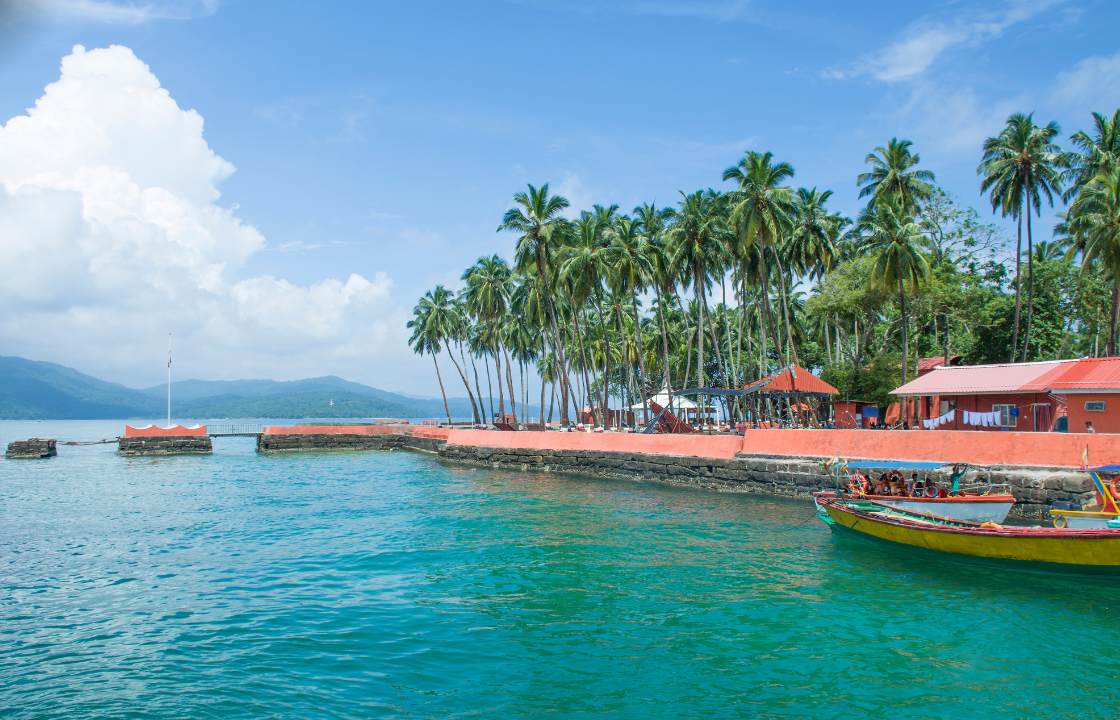
The Andaman Islands, an archipelago of over 500 islands nestled in the azure waters of the Bay of Bengal, represent one of India’s most remote and enchanting frontiers. A verdant paradise, these islands are a tapestry of dense tropical rainforests, unique biodiversity, and history-laden landscapes. For the discerning traveller, they offer a captivating blend of pristine white-sand beaches, world-class coral reefs teeming with marine life, poignant historical sites from the colonial era, and a plethora of adventure activities.
This guide is designed to be your comprehensive companion for planning an unforgettable journey to this tropical haven. We will navigate everything from the essential travel logistics and permits to exploring the must-visit islands and engaging in activities that define the Andaman experience. Crucially, we will also delve into the principles of responsible tourism, ensuring your visit contributes positively to the preservation of this fragile and beautiful ecosystem. Prepare to discover a world where nature’s splendour and profound history converge.

Planning Your Trip to the Andaman Islands
A successful trip to a remote destination like the Andamans hinges on meticulous planning. Understanding the climate, travel options, and local regulations will ensure a smooth and enjoyable experience.
Best Time to Visit
The weather in the Andamans is tropical, with distinct seasons that significantly impact travel conditions.
Peak Season (October to May): This is widely considered the best time to visit. The weather is pleasant, with minimal rainfall and calm seas, making it ideal for beach activities, scuba diving, and island hopping. Temperatures are comfortable, and humidity is relatively low.
Monsoon Season (June to September): The islands experience heavy rainfall during these months. While the landscape becomes incredibly lush and green, travel can be challenging. Ferry services between islands are often disrupted or cancelled due to rough seas, and many water-based activities may be unavailable.
Shoulder Seasons (April-May and September-October): These months mark the transition between the dry and wet seasons. You might experience occasional showers, but you’ll also benefit from fewer crowds and potentially lower prices for accommodation and flights.
How to Get There
Reaching the capital, Port Blair, is the first step of your adventure.
By Air: The most convenient way to reach the islands is by flying to Veer Savarkar International Airport (IXZ) in Port Blair. Direct flights operate daily from major Indian cities like Chennai, Kolkata, Delhi, Mumbai, and Bengaluru. Airlines such as IndiGo, Vistara, and Air India service these routes.
By Sea: For a more adventurous and time-intensive journey, passenger ships sail from Chennai, Kolkata, and Visakhapatnam to Port Blair. The voyage typically takes 2 to 3 days, depending on the port of departure and weather conditions. This option offers a unique experience but requires significant time and flexibility. You can find schedules on the official Directorate of Shipping Services website.
Permits and Visas
Indian Citizens: No special permit is required for Indian nationals to visit the main tourist islands like Port Blair, Havelock (Swaraj Dweep), and Neil (Shaheed Dweep). However, a valid photo ID is necessary for booking hotels and ferries.
Foreign Nationals: All foreign nationals require a Restricted Area Permit (RAP) to enter the Andaman and Nicobar Islands. The RAP is usually issued on arrival at the Port Blair airport and is free of charge. It is typically valid for 30 days, with the possibility of a 15-day extension. Ensure your Indian visa is valid for the duration of your stay. For the most current information, always check the official Andaman and Nicobar Administration website.
Travel Insurance
Given the islands’ remoteness, comprehensive travel insurance is highly recommended. Ensure your policy covers medical emergencies (including evacuation), trip cancellations or interruptions, and loss of baggage or personal belongings. This provides a crucial safety net for unforeseen circumstances.
Budgeting
The Andamans can cater to various budgets. Here is a rough daily estimate per person:
Budget: £30-£50 (basic guesthouses, local eateries, public transport).
Mid-Range: £70-£120 (comfortable hotels, a mix of local and tourist restaurants, scooter rentals).
Luxury: £150+ (resorts, fine dining, private tours and transfers).
ATMs are readily available in Port Blair and to a lesser extent on Havelock and Neil islands. However, it is wise to carry sufficient cash, especially when travelling to smaller islands or remote areas where digital payments may not be accepted.
Exploring Port Blair: The Gateway to the Andamans
Port Blair is more than just an entry point; it’s a hub of history, culture, and natural beauty that serves as an excellent base for exploring the archipelago.

Cellular Jail National Memorial
A visit to the Cellular Jail is a sobering yet essential experience. This colonial prison, also known as ‘Kala Pani’, was used by the British to exile political prisoners during India’s struggle for independence. Its architecture, with seven wings radiating from a central tower, was designed for solitary confinement. The poignant light and sound show held every evening vividly narrates the harrowing tales of the freedom fighters imprisoned here. Plan to spend at least 2-3 hours to fully absorb the history within its walls.

Ross Island (Netaji Subhas Chandra Bose Island)
A short ferry ride from Port Blair takes you to Ross Island, the former administrative headquarters of the British in the Andamans. Today, the island is a captivating open-air museum of ruins, where grand colonial buildings are slowly being reclaimed by nature. As you wander through the remnants of a church, a bakery, and the Chief Commissioner’s residence, you’ll be accompanied by friendly deer and peacocks. The island also features Japanese bunkers from the WWII era, adding another layer to its rich history.
Corbyn’s Cove Beach
This crescent-shaped, coconut palm-fringed beach is one of the most accessible in Port Blair. It’s a popular spot for swimming, sunbathing, and enjoying water sports. The drive to the beach along the coast is scenic in itself. For the best experience, visit in the late afternoon to witness a spectacular sunset over the water.
Museums and Culture
Anthropological Museum: This museum offers a fascinating insight into the lives and cultures of the indigenous tribes of the Andaman and Nicobar Islands, including the Jarawas, Sentinelese, Great Andamanese, and Onges. It is a vital stop for understanding the region’s unique human heritage.
Samudrika Naval Marine Museum: Run by the Indian Navy, this museum provides a comprehensive overview of the islands’ geography, marine life, and archaeological history. Its aquarium, showcasing a variety of local fish and coral species, is a highlight.
Shopping, Dining, and Accommodation
Port Blair offers a wide range of dining options, from street food stalls to restaurants serving fresh seafood. Aberdeen Bazaar is the main commercial hub for shopping for souvenirs like pearl jewellery and wooden handicrafts. Accommodation options are plentiful, catering to all budgets, from simple guesthouses to upscale hotels with modern amenities.
Havelock Island (Swaraj Dweep): Pristine Beaches and Coral Reefs
Havelock Island is the poster child of the Andamans, renowned for its breathtaking beaches and vibrant underwater world. It’s the epicentre of tourism and adventure in the archipelago
Radhanagar Beach (Beach No. 7)
Frequently ranked among the best beaches in Asia, Radhanagar Beach is a vision of paradise. Its vast expanse of fine white sand is lapped by calm, turquoise waters, framed by a backdrop of lush forest. It’s perfect for swimming and sunbathing, but its main allure is simply its pristine, unspoiled beauty. While generally safe, always be mindful of currents and swim in the designated areas.
Elephant Beach
Famous for its vibrant coral reefs, Elephant Beach is a snorkeler’s dream. The reef starts just a few metres from the shore, making it accessible even for beginners. You can reach the beach via a short boat ride or a scenic 2-kilometre trek through the jungle. It’s also a hub for water sports like sea walking, jet skiing, and banana boat rides.
Kalapathar Beach
Named after the black rocks that adorn its coastline, Kalapathar Beach offers a stunning contrast to the white sands of Radhanagar. This serene and less-crowded beach is ideal for a peaceful walk, photography, and watching the sunrise. The rocky shoreline makes it less suitable for swimming, but its picturesque landscape is a major draw.
Scuba Diving and Snorkeling
Havelock is the premier destination for scuba diving in the Andamans. Numerous reputable dive centres offer everything from introductory ‘discover scuba dives’ for beginners to advanced certification courses.
Popular Dive Sites: Nemo Reef is perfect for beginners with its calm waters and abundant clownfish. More experienced divers can explore sites like Barracuda City and S.S. Inchket, which offer encounters with larger marine life and fascinating underwater topography.
Booking: It is highly advisable to book your diving excursions in advance, especially during the peak season, with a PADI or SSI-certified operator to ensure safety and quality.

Accommodation and Getting Around
Havelock offers a wide array of accommodation, from rustic beach huts and eco-friendly resorts to luxurious villas. Renting a scooter is the most popular way to explore the island at your own pace, though taxis and auto-rickshaws are also available.
Neil Island (Shaheed Dweep): Tranquility and Natural Beauty
Smaller and more laid-back than Havelock, Neil Island is the perfect destination for those seeking tranquility and a slower pace of life. Its charm lies in its unspoiled natural beauty and rustic vibe.
Bharatpur Beach
Located near the jetty, Bharatpur Beach is known for its shallow, calm waters and extensive coral reefs. It’s an excellent spot for swimming, snorkeling, and taking glass-bottom boat rides to view the marine life without getting wet.
Laxmanpur Beach
This secluded white-sand beach is famous for its spectacular sunsets. The vast shoreline is perfect for long, peaceful walks. At low tide, a natural rock formation known as the Natural Bridge becomes accessible at one end of the beach.
Sitapur Beach (Sunrise Beach)
As its nickname suggests, Sitapur Beach is the best place on the island to watch the sunrise. Facing the open sea, this quiet beach is characterized by its two curved bays and natural limestone formations.
Howrah Bridge (Natural Bridge)
This remarkable natural bridge, formed by centuries of water erosion, is one of Neil Island’s most iconic sights. It is accessible only during low tide, so it’s crucial to check the tide timings before planning your visit. The walk across the rocky platform to reach the bridge is an adventure in itself.
Accommodation and Getting Around
Neil Island has a good selection of guesthouses and resorts, many of which have a strong focus on eco-tourism. The island is small enough to be explored by bicycle, but scooters and taxis are also available for rent.
Other Islands to Consider
For the more adventurous traveller, venturing beyond the main tourist circuit can be incredibly rewarding.
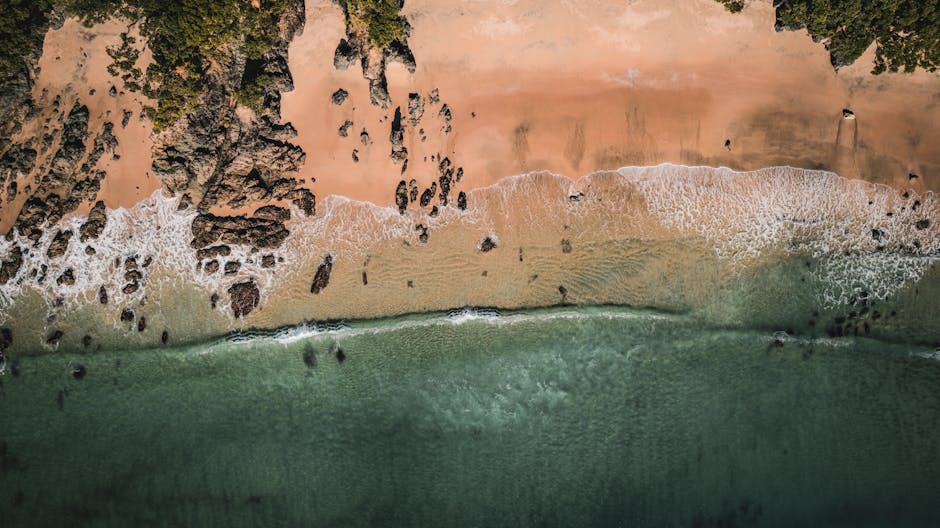
Ross and Smith Islands: Located in North Andaman, these twin islands are connected by a stunning natural sandbar that is visible during low tide. They are part of a marine sanctuary and are an important nesting site for Olive Ridley turtles. A special permit is required to visit.
Baratang Island: Famous for its dense mangrove creeks, limestone caves, and unique mud volcanoes, Baratang offers a different kind of natural adventure. The journey to Baratang often involves travelling in a convoy through the Jarawa Tribal Reserve, for which strict regulations must be followed.
Long Island: This island offers a more off-the-beaten-path experience with beautiful beaches like Lalaji Bay and access to the stunning Merk Bay Beach on a nearby island.
Little Andaman: Situated at the southern end of the archipelago, Little Andaman is known for its surf breaks, particularly at Butler Bay Beach, and its picturesque waterfalls like Whisper Wave Waterfall.
Responsible Tourism in the Andaman Islands
The Andaman Islands are a precious and fragile ecosystem. As a visitor, you have a vital role to play in their preservation.

Respecting Local Culture and Communities
Dress modestly, especially when visiting villages or areas outside the main tourist beaches.
Always ask for permission before taking photographs of people.
Interaction with indigenous tribes like the Jarawas is strictly prohibited and illegal. Respect their privacy and isolation.
Environmental Conservation
Do not litter. Carry your waste back with you and dispose of it responsibly.
Avoid single-use plastics. Carry a reusable water bottle and shopping bag.
Protect marine life. Do not touch or stand on coral reefs. Use reef-safe sunscreen to prevent chemical damage to the delicate coral ecosystem.
Do not collect shells, coral, or any other natural souvenirs from the beaches.
Supporting Local Businesses
Contribute to the local economy by staying in locally-owned guesthouses, eating at local restaurants, and buying handicrafts directly from artisans. This ensures that the benefits of tourism reach the community directly.
Conclusion
The Andaman Islands offer a journey into a world of unparalleled natural beauty, rich history, and vibrant culture. From the sun-drenched shores of Radhanagar Beach to the historical depths of the Cellular Jail and the tranquil serenity of Neil Island, this archipelago promises an experience that is both exhilarating and deeply moving.
By planning carefully and travelling responsibly, you can not only create lasting memories but also help protect this unique paradise for generations to come. It’s time to embark on your own unforgettable adventure to the emerald isles of the Andamans.
Have you visited the Andaman Islands? Share your own travel tips and experiences in the comments section below