Top Monsoon Destinations in the Western Ghats: A Comprehensive Guide

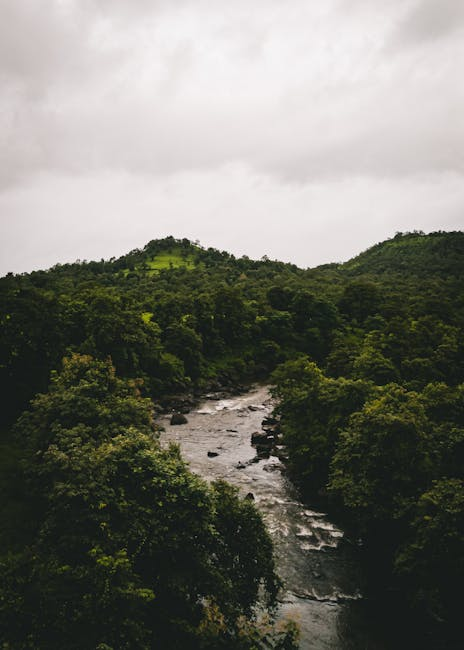
The Western Ghats during the monsoon are a paradise for nature lovers, adventure seekers, and anyone looking to escape the hustle and bustle of city life. From the fort-studded hills of Maharashtra to the tea gardens of Kerala, each destination offers a unique and unforgettable experience. The rain transforms the landscape into a vibrant, living masterpiece, filled with the sights and sounds of a rejuvenated natural world.
So, pack your bags, embrace the rain, and set out to explore the magic of the Western Ghats this monsoon. Remember to travel responsibly, respect the fragile ecosystem, and support local communities to ensure that this natural wonder can be enjoyed for generations to come.
Have you travelled to the Western Ghats during the monsoon? Share your favourite destinations and experiences in the comments below!
Understanding the Monsoon in the Western Ghats
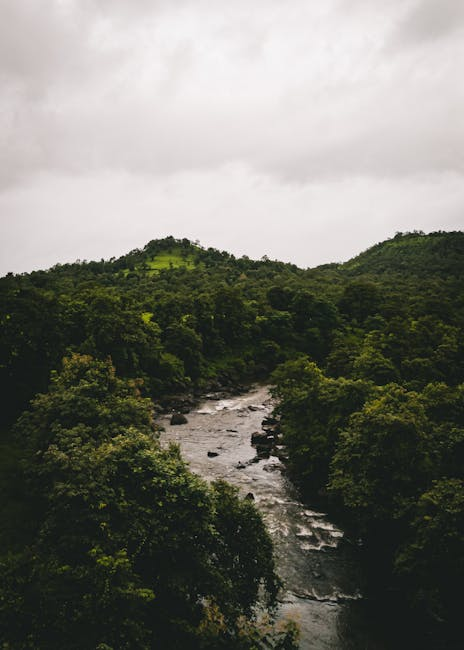
The southwest monsoon typically graces the Western Ghats from early June and lasts until the end of September. This period is characterised by consistent, and often intense, rainfall which is the lifeblood of the region’s rivers and its incredibly diverse ecosystems. The flora and fauna have uniquely adapted to this annual deluge; frogs and insects emerge in abundance, and the forests resonate with their calls, while the vegetation flourishes, displaying its most vibrant hues. According to reports from the Indian Meteorological Department (IMD), the Ghats receive some of the heaviest rainfall in the country, which is crucial for the peninsular rivers that originate here.
However, travelling during this season comes with its own set of challenges. The heavy rains can lead to landslides, which may cause road closures and disrupt travel plans. It is crucial to stay informed and be flexible. To travel safely, always pack high-quality waterproof gear, check weather forecasts diligently before and during your trip, and be prepared for potential delays. A spirit of adventure and a little patience will go a long way in making your monsoon journey a rewarding one.
Maharashtra: Monsoon Magic in the Sahyadris
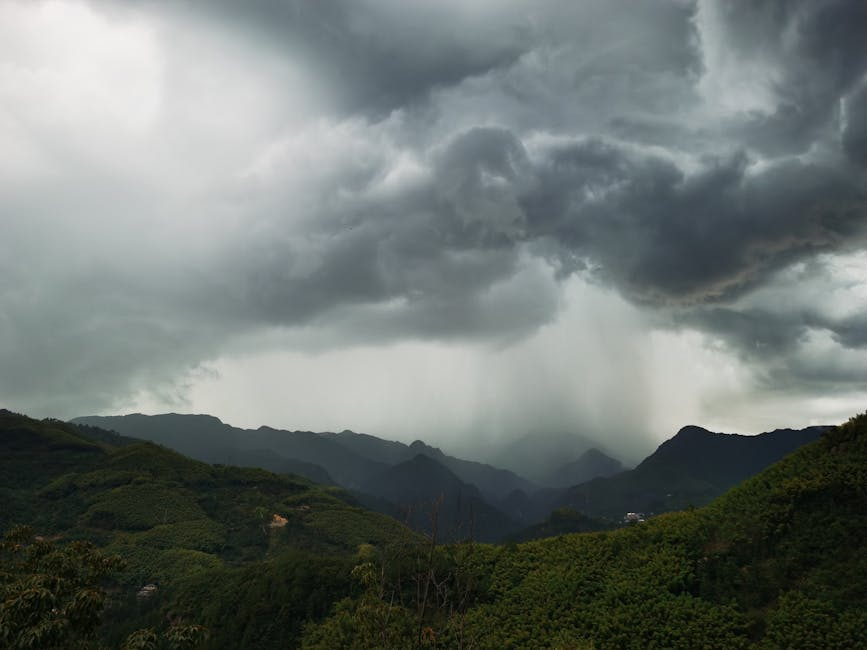
The northern stretch of the Western Ghats in Maharashtra, known as the Sahyadris, is a trekker’s paradise, dotted with ancient forts, dramatic cliffs, and lush plateaus. The monsoon transforms this rugged landscape into a green wonderland, making it a favourite for weekend getaways from Mumbai and Pune.
Lonavala and Khandala: Twin Hill Stations
The twin hill stations of Lonavala and Khandala are perhaps the most popular monsoon destinations in Maharashtra. During the rains, viewpoints like Tiger Point and Lion Point offer breathtaking vistas of mist-filled valleys and newly formed waterfalls. For the adventurous, the region offers numerous trekking opportunities and even waterfall rappelling. A visit to the ancient rock-cut Karla and Bhaja Caves provides a fascinating glimpse into the region’s Buddhist history. After a day of exploring, be sure to indulge in the local specialities: hot vada pav and the famous Lonavala chikki.

Matheran: Asia’s Only Automobile-Free Hill Station
For a truly unique experience, head to Matheran, Asia’s only automobile-free hill station. The journey itself is part of the charm, as you can take a heritage toy train that winds its way up the hill. Once there, you can explore the serene environment on horseback or on foot. Viewpoints like Panorama Point and Louisa Point offer stunning, unobstructed views of the Sahyadris. A walk to the tranquil Charlotte Lake, especially when it’s overflowing in the monsoon, is a must-do. The absence of traffic noise makes Matheran a perfect escape for those seeking peace and quiet.

Mahabaleshwar: The Land of Strawberries and Viewpoints
Famous for its strawberry farms, Mahabaleshwar is a delightful destination in the monsoon. While the strawberries are a winter crop, the farms are lush and green during the rains. The hill station boasts several viewpoints, such as Arthur’s Seat and Wilson Point, which provide spectacular views of the deep valleys and gushing waterfalls. A visit to the historic Pratapgad Fort offers a dose of Maratha history, while the Lingmala Waterfall is at its most majestic during this season. Don’t leave without trying the local corn patties (corn pattice) and fresh corn on the cob, sold by vendors everywhere.
From my own experience, a monsoon drive to Mahabaleshwar was unforgettable. The clouds were so low they drifted across the road, and every turn revealed another waterfall. Stopping for a hot cup of chai and roasted corn at a roadside stall while watching the rain fall over the valley is a memory I cherish.
Ready for a Maharashtra monsoon adventure? Consider planning a weekend getaway and look for special monsoon packages offered by local hotels and resorts.

Goa: Beyond the Beaches: Exploring the Hinterlands
While Goa is famous for its sun-kissed beaches, the monsoon reveals a different, more verdant side of the state. The hinterlands, part of the Western Ghats, come alive with lush greenery, roaring waterfalls, and aromatic spice plantations, offering a refreshing alternative to the coastal belt.
Dudhsagar Falls: A Majestic Cascade
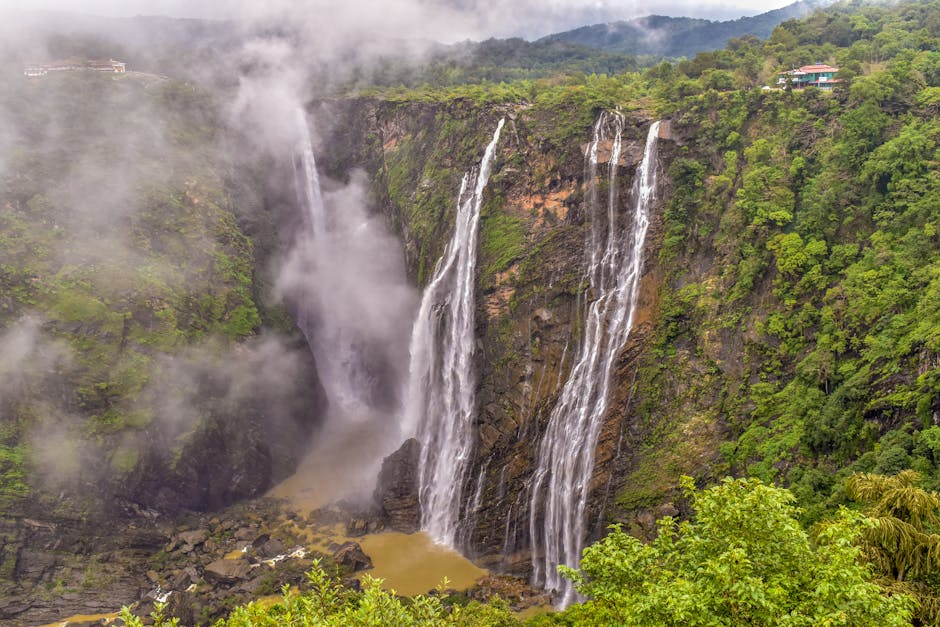
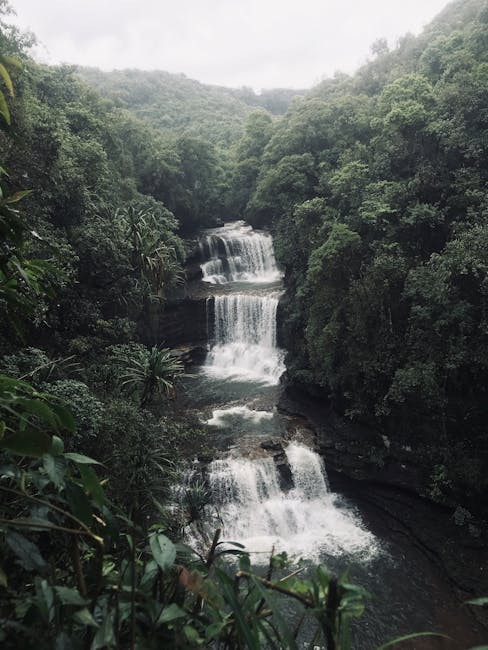
The crown jewel of Goa’s monsoon attractions is the magnificent Dudhsagar Falls. Translating to “Sea of Milk,” this four-tiered waterfall is one of India’s tallest and is a truly awe-inspiring sight when fed by the monsoon rains. Reaching the falls can be an adventure in itself, often involving a thrilling jeep safari through the Bhagwan Mahavir Wildlife Sanctuary. The trek to the falls is also popular, though it requires a permit and a good level of fitness.
Spice Plantations: Aromatic Retreats
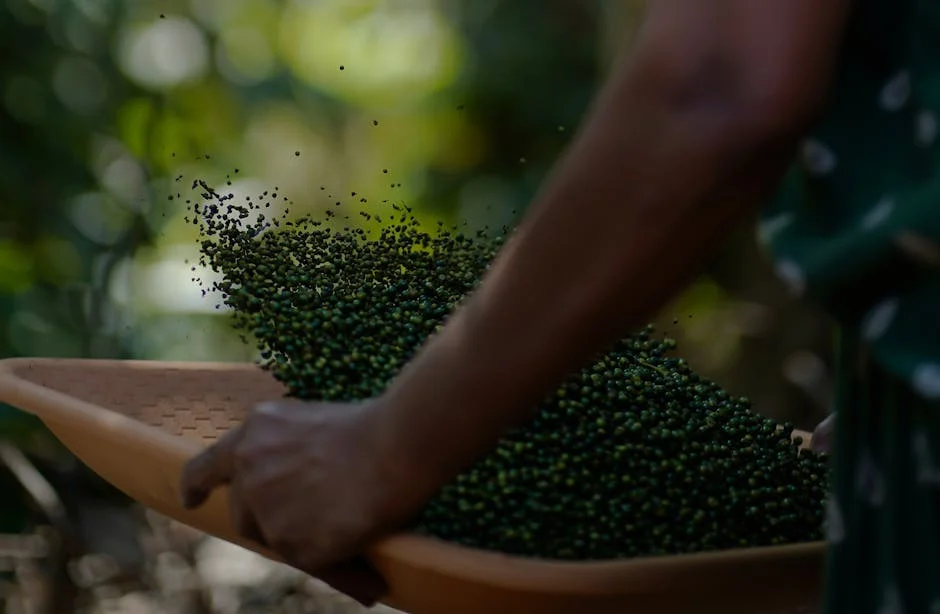
The monsoon is the best time to visit Goa’s spice plantations. The rain enhances the aroma of spices like black pepper, cardamom, and cinnamon, making a guided tour a multi-sensory experience. You can learn about the cultivation and medicinal properties of various spices, watch traditional spice grinding demonstrations, and enjoy a delicious, authentic Goan meal prepared with fresh ingredients from the plantation. Many plantations also offer the opportunity to purchase fresh spices and Ayurvedic products.
Wildlife Sanctuaries: A Haven for Nature Lovers
Goa’s wildlife sanctuaries, such as the Mollem National Park and the Cotigao Wildlife Sanctuary, are teeming with life during the monsoon. The lush forests provide excellent opportunities for birdwatching, with species like the Malabar trogon and the great hornbill making appearances. You might also spot wildlife like deer, gaur (Indian bison), and various species of monkeys. Hiring a local guide can greatly enhance your experience, as they can help you spot elusive creatures and navigate the forest trails safely.
Why not explore a different side of Goa on your next trip? Book a guided tour of a spice plantation or a wildlife sanctuary to experience its incredible natural heritage.

Karnataka: Misty Hills and Waterfalls
Karnataka’s stretch of the Western Ghats is a land of misty hills, dense forests, sprawling coffee plantations, and some of the most spectacular waterfalls in India. The monsoon season here is a time of breathtaking beauty and rejuvenation.
Coorg (Kodagu): The Scotland of India
Often called “The Scotland of India,” Coorg’s rolling hills and verdant landscapes are at their most beautiful during the monsoon. The air is thick with the aroma of coffee and wet earth. Key attractions like Abbey Falls become a roaring spectacle, while Raja’s Seat offers panoramic views of mist-covered valleys. For a unique experience, visit the Dubare Elephant Camp to watch elephants being bathed and fed. The region is also a hub for adventure activities like trekking and river rafting on the Barapole river.
Chikmagalur: The Coffee Land
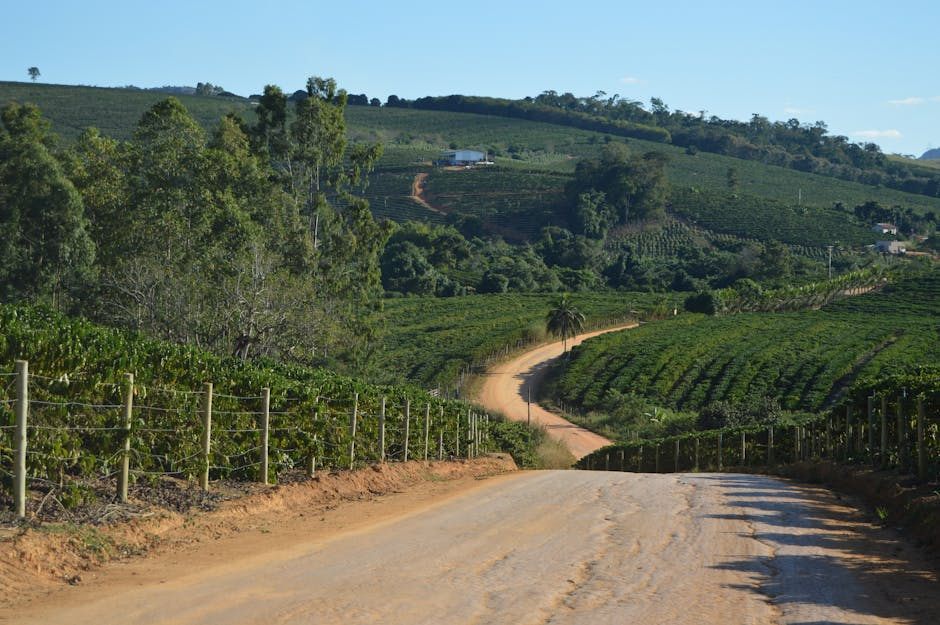
Chikmagalur is the birthplace of coffee in India, and its sprawling coffee estates are a sight to behold in the monsoon. The region is home to Mullayanagiri, the highest peak in Karnataka, which offers challenging treks and stunning views for those willing to brave the rain and wind. Hebbe Falls and Kemmangundi are other popular attractions that are best visited during this season. Staying in a coffee plantation homestay is a great way to experience the local culture and hospitality.

Agumbe: The Cherrapunji of the South
Known for receiving some of the highest rainfall in South India, Agumbe is a pristine rainforest region. It is home to the Agumbe Rainforest Research Station, which studies the region’s rich biodiversity, including the king cobra. The monsoon is the best time for rainforest trekking, spotting numerous waterfalls like Barkana Falls, and enjoying the panoramic view from the Sunset View Point, which on a clear day, is said to offer a glimpse of the Arabian Sea.
I recall a trek in Agumbe where the forest floor was a carpet of green moss and vibrant fungi. The constant drizzle and the sound of the rainforest were incredibly immersive. It felt like stepping into a different world, untouched and wild.
Experience the magic of Karnataka’s coffee country. Plan your trip and consider booking accommodation in a traditional coffee plantation homestay for an authentic experience.
Kerala: God’s Own Country in the Rains
The monsoon, or ‘Edavappathy’ as it’s known locally, is a celebrated season in Kerala. The rains rejuvenate the entire state, making the backwaters, tea gardens, and mountains of the Western Ghats exceptionally beautiful. It is also considered the best time for Ayurvedic treatments.
Munnar: Tea Gardens and Misty Mountains
Munnar’s vast expanse of tea gardens looks freshly washed and dazzlingly green during the monsoon. The mist that hangs over the hills adds a layer of romance and mystery to the landscape. Attractions like Mattupetty Dam and Eravikulam National Park (home to the endangered Nilgiri Tahr) are must-visits. A boat ride on the serene lakes or a visit to a tea factory to learn about the tea-making process are perfect monsoon activities.

Thekkady (Periyar): Wildlife and Spice Plantations
Thekkady is home to the Periyar National Park, one of the finest wildlife reserves in India. A boat safari on Periyar Lake during the monsoon is a fantastic way to spot wildlife, as animals often come to the water’s edge to drink. The region is also famous for its spice plantations, where you can take guided tours to learn about the spices that have drawn traders to Kerala for centuries.

Wayanad: Waterfalls and Tribal Culture
Wayanad is a land of paddy fields, dense forests, and cascading waterfalls. During the monsoon, waterfalls like Soochipara and Meenmutty are in their full glory. The region is also rich in history and culture, with the ancient Edakkal Caves offering a glimpse into a prehistoric past. For the adventurous, a trek to Chembra Peak, with its heart-shaped lake, is a rewarding experience. Exploring the local tribal villages provides insight into the indigenous communities of the region.
My first monsoon trip to Kerala involved a stay on a houseboat in the backwaters. Waking up to the sound of rain on the roof and watching the lush green banks glide by was incredibly peaceful. It’s an experience that truly captures the essence of ‘God’s Own Country’.
Immerse yourself in the beauty of Kerala. Why not book an Ayurvedic wellness package or a houseboat stay to make your monsoon trip truly special?
Essential Tips for Monsoon Travel in the Western Ghats
To make the most of your monsoon adventure, it’s important to be well-prepared. Here are some essential tips:
Check Conditions: Always check the latest weather forecasts and road conditions before you travel. Websites like the IMD and local news outlets are reliable sources.
Pack Smart: Invest in good quality waterproof gear, including a raincoat, an umbrella, and waterproof bags or covers for your electronics and luggage.
Appropriate Footwear: Wear sturdy, waterproof hiking boots with a good grip, especially if you plan on trekking. Avoid sandals or slippers on uneven terrain.
Leech and Insect Protection: The monsoon brings out leeches and insects. Wear long-sleeved shirts and trousers, and carry a good insect repellent. Leech socks are also a wise investment for jungle treks.
First-Aid Kit: Carry a basic first-aid kit with antiseptic wipes, bandages, pain relievers, and any personal medications you may need.
Respect Local Culture: Be mindful of local customs and traditions. Dress modestly, especially when visiting religious sites, and always be respectful towards the local communities.
Conclusion
The Western Ghats during the monsoon are a paradise for nature lovers, adventure seekers, and anyone looking to escape the hustle and bustle of city life. From the fort-studded hills of Maharashtra to the tea gardens of Kerala, each destination offers a unique and unforgettable experience. The rain transforms the landscape into a vibrant, living masterpiece, filled with the sights and sounds of a rejuvenated natural world.
So, pack your bags, embrace the rain, and set out to explore the magic of the Western Ghats this monsoon. Remember to travel responsibly, respect the fragile ecosystem, and support local communities to ensure that this natural wonder can be enjoyed for generations to come.
Have you travelled to the Western Ghats during the monsoon? Share your favourite destinations and experiences in the comments below!