The Ultimate Guide to Exploring the Spiti Valley Loop: A Detailed Itinerary
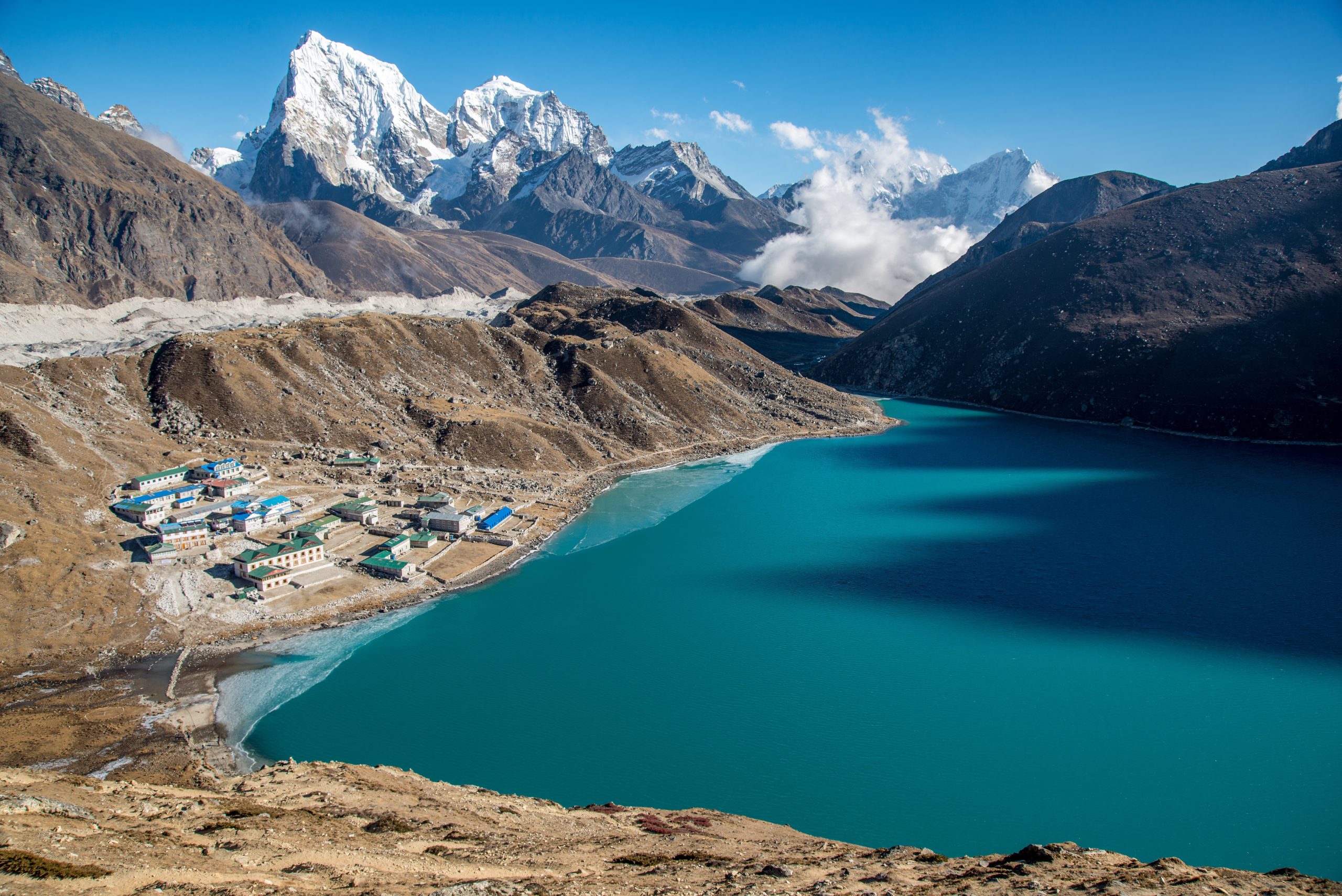
Tucked away in the far reaches of Himachal Pradesh, Spiti Valley is a cold desert mountain valley that offers a world of stark, dramatic beauty and profound tranquillity. Its name, “Spiti,” translates to “The Middle Land,” a fitting description for the valley that lies between Tibet and India. This is a landscape of barren mountains, deep gorges carved by the roaring Spiti River, and ancient monasteries clinging precariously to cliffsides. For adventurers, photographers, and spiritual seekers, Spiti is a destination that promises an experience unlike any other.
The most popular and comprehensive way to witness this splendour is by embarking on the Spiti Valley Loop, a legendary road trip that charts a circular path through some of the most breathtaking and remote terrain in the Indian Himalayas. This guide is designed to be your ultimate companion, providing a detailed day-by-day itinerary and all the essential tips you need for a safe and unforgettable journey. We will cover everything from the best time to visit and necessary permits to acclimatisation strategies and accommodation choices.
The ideal window to tackle the Spiti Valley Loop is during the summer months, from late May to early October, when the high mountain passes are clear of snow and the roads are accessible. This is when the valley sheds its harsh winter coat, revealing a palette of earthy browns, greys, and greens under brilliant blue skies. Start planning your unforgettable journey into this Himalayan wonderland; an adventure of a lifetime awaits.
Understanding the Spiti Valley Loop
Before you pack your bags, it’s crucial to understand what the Spiti Valley Loop entails. It’s not just a drive; it’s an expedition that demands respect for the terrain, the altitude, and the local culture.
The loop is a circular route of approximately 1,000 kilometres that connects the high-altitude regions of Kinnaur and Spiti. Travellers typically start from one of two points: Shimla or Manali. The recommended approach is to start from Shimla. This route involves a gradual ascent, allowing your body more time to acclimatise to the increasing altitude, which is vital for preventing Acute Mountain Sickness (AMS). Starting from Manali means a rapid ascent via the high passes, which carries a higher risk of altitude-related issues.
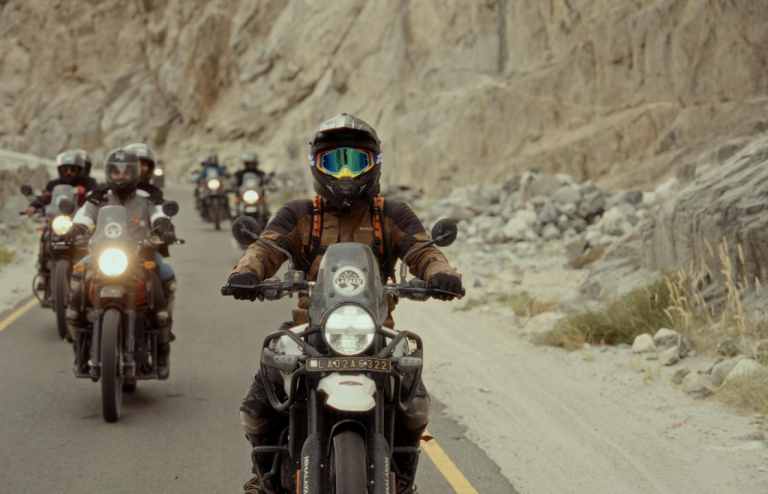
The road conditions are a significant part of the adventure. You will encounter everything from smooth tarmac to treacherous gravel tracks, water crossings, and sections prone to landslides. A vehicle with high ground clearance, such as an SUV or a capable adventure motorcycle, is highly recommended. This is not a journey for the faint-hearted or the ill-prepared.
For Indian nationals, permits are generally not required for the main Spiti circuit. However, foreign nationals need to obtain an Inner Line Permit (ILP) to travel through the areas of Kinnaur bordering Tibet, specifically from Reckong Peo onwards. These can be obtained from the District Magistrate’s office in Shimla or Reckong Peo.
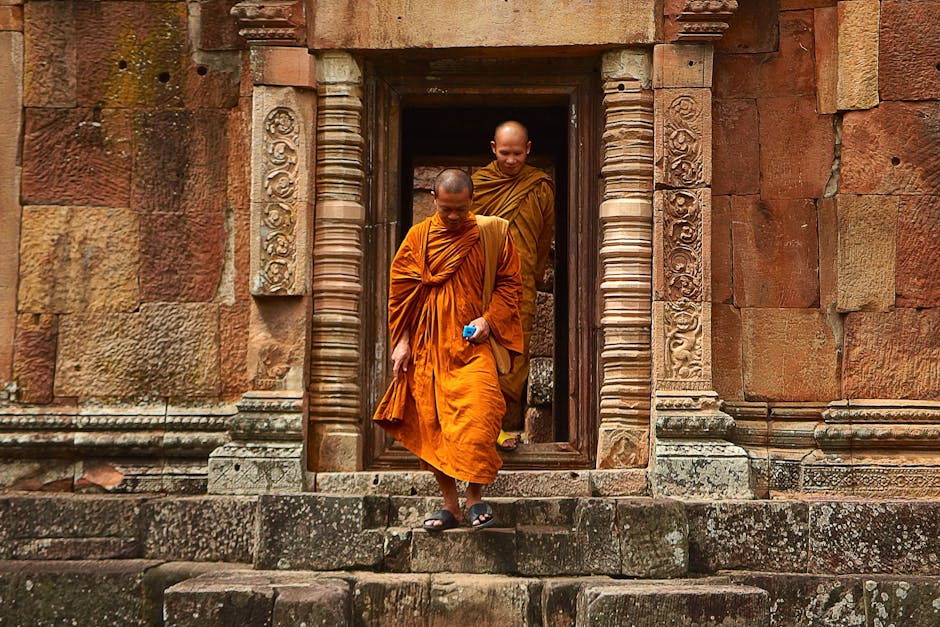
Finally, the journey takes you through a region deeply steeped in Tibetan Buddhism. The landscape is dotted with ancient monasteries, prayer flags fluttering in the wind, and stupas marking sacred ground. Understanding and respecting this unique culture is as important as navigating the challenging roads.

Detailed Day-by-Day Spiti Valley Loop Itinerary
This 9-day itinerary is structured for a comfortable pace, allowing for proper acclimatisation and ample time to explore the key sights.
Day 1: Shimla to Narkanda/Sarahan
Your adventure begins in Shimla, the former summer capital of British India. The first day’s drive takes you out of the bustling city and into the serene Himalayan foothills. The journey to Narkanda (65 km) or Sarahan (165 km) is relatively smooth, with winding roads flanked by pine and deodar forests.
- Narkanda: If you stop here, a visit to Hatu Peak is a must. At an altitude of 3,400 metres, it offers panoramic views of the surrounding snow-capped ranges. The peak is home to the Hatu Mata Temple, a beautiful wooden structure.
- Sarahan: Pushing on to Sarahan is rewarded with a visit to the magnificent Bhimakali Temple. This architectural marvel, a blend of Hindu and Buddhist styles, is one of the 51 Shakti Peethas and holds immense religious significance.
Accommodation options in both towns range from HPTDC hotels to private guesthouses, providing a comfortable first night on your journey.
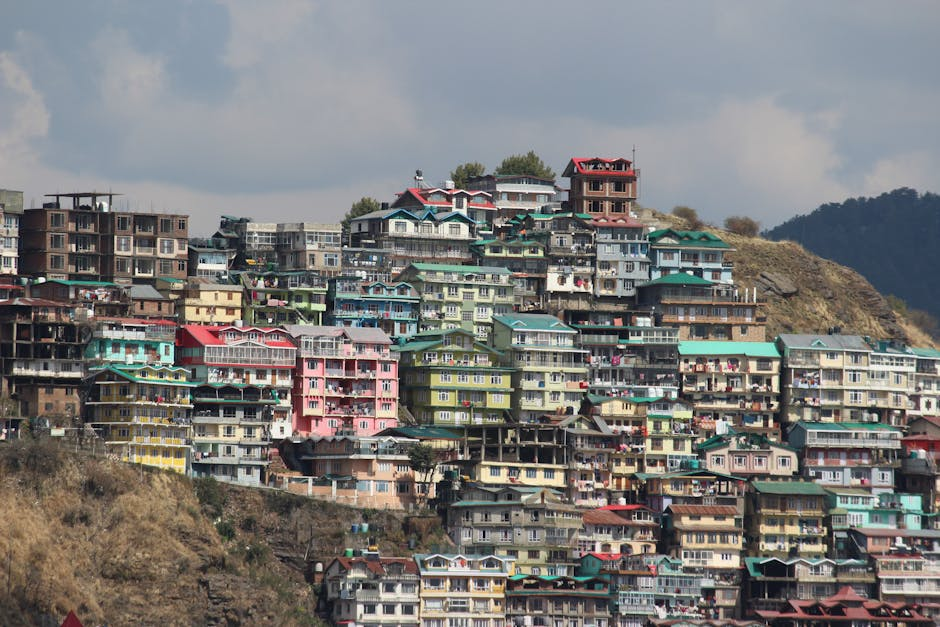
Day 2: Narkanda/Sarahan to Kalpa/Reckong Peo
Today, you venture deeper into the Kinnaur Valley. The landscape begins to change, becoming more rugged and dramatic. The journey to Kalpa (around 180 km from Sarahan) follows the Sutlej River, with roads carved into the sides of steep cliffs.
The main highlight of Kalpa is the breathtaking view of the Kinner Kailash peak. This sacred mountain, believed to be the winter abode of Lord Shiva, stands majestically against the sky. Waking up to the sight of the morning sun illuminating its snow-covered peak is an unforgettable experience.
Near Kalpa, you can visit the infamous Suicide Point, a vertical cliff drop that offers thrilling views but demands extreme caution. Reckong Peo, the district headquarters of Kinnaur, is a short drive away and is the last major town with full facilities before you enter Spiti.
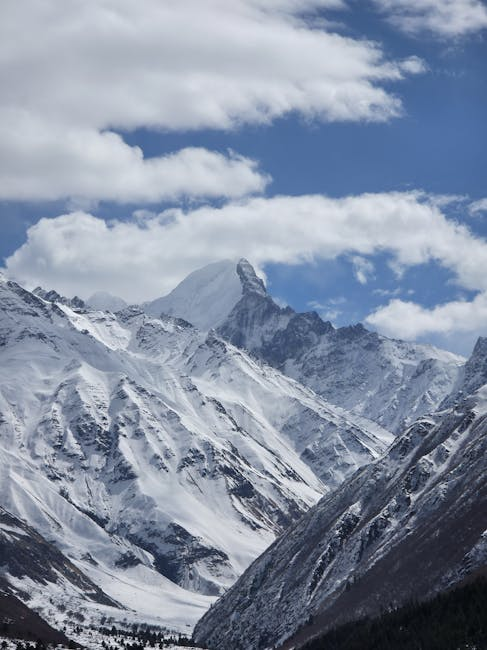
Day 3: Kalpa/Reckong Peo to Nako/Tabo
As you leave Kinnaur and enter the Spiti region, the landscape transforms into a high-altitude cold desert. The greenery recedes, replaced by barren, multi-hued mountains. The journey to Tabo (around 150 km) is where you truly feel you’ve entered another world.
Nako: Your first major stop is the village of Nako, perched at an altitude of 3,662 metres. It is home to the serene Nako Lake, surrounded by willow and poplar trees, and an ancient monastery complex.
Tabo: Your destination for the night is Tabo, home to the Tabo Monastery. Founded in 996 AD, it is one of the most important monasteries in the Tibetan Buddhist world. Often called the “Ajanta of the Himalayas,” its unassuming mud-brick exterior hides a treasure trove of exquisite murals and stucco sculptures. According to the Archaeological Survey of India, it is a protected national historic treasure, and its spiritual aura is palpable.
Stay in a guesthouse or homestay in Tabo to immerse yourself in the tranquil atmosphere.
Day 4: Tabo to Dhankar/Lalung/Mud (Pin Valley)
Today’s journey involves a slight detour from the main highway to explore some of Spiti’s most spectacular sights.
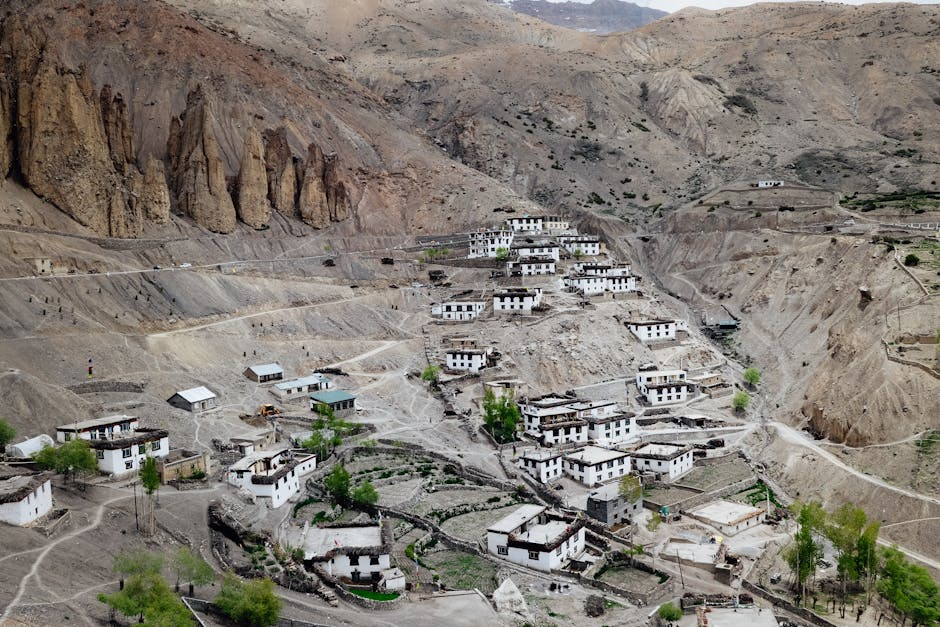
Dhankar Monastery: Your first stop is the incredible Dhankar Monastery, dramatically perched on a 300-metre-high spur overlooking the confluence of the Spiti and Pin Rivers. The old monastery complex is in a precarious state, and a new monastery has been built nearby. The views from here are simply staggering.
Pin Valley National Park: From Dhankar, take the turn-off towards the Pin Valley. This valley, carved by the Pin River, has a greener landscape than the rest of Spiti and is a designated national park, home to the elusive Snow Leopard and the Siberian Ibex.
Mud Village: Drive to Mud, the last motorable village in Pin Valley. It’s a serene and picturesque hamlet that serves as the starting point for several treks. You can also visit the ancient Kungri Monastery in the valley.
You can choose to stay in a homestay in Dhankar, Lalung, or Mud for a truly remote Himalayan experience.
Day 5: Mud to Kaza
From the tranquillity of Pin Valley, you’ll journey to Kaza, the administrative headquarters of the Spiti Valley. The drive is relatively short, allowing you to arrive in Kaza by early afternoon.
Kaza, situated at an altitude of 3,800 metres, is the largest town in Spiti and will feel like a bustling metropolis after the solitude of the past few days. It serves as the perfect base for exploring the surrounding high-altitude villages and monasteries. Use the afternoon to rest, acclimatise further, explore the Kaza market for local handicrafts, and refuel your vehicle and yourself. Kaza has the most options for accommodation, from hotels to homestays, and several cafes serving a variety of cuisines.
Day 6: Kaza – Key Monastery, Kibber, Gette, Tashigang
This day is dedicated to exploring the iconic sights around Kaza.
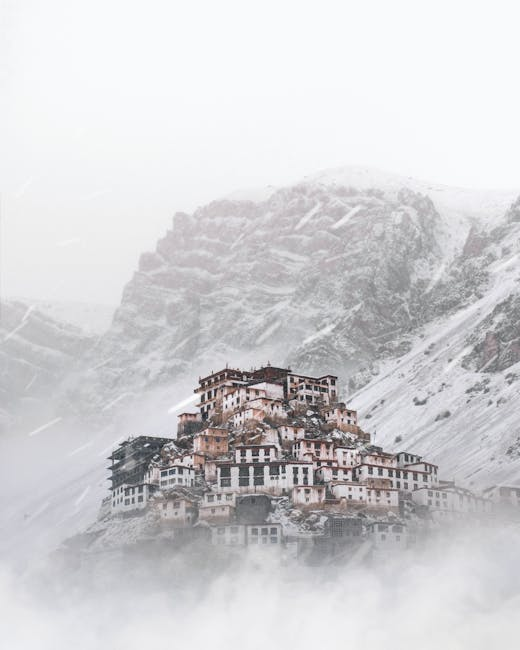
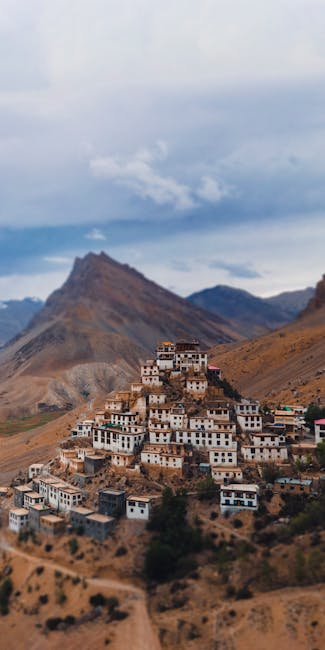
Key Monastery: The first stop is the magnificent Key (or Ki) Monastery, the largest monastery in Spiti Valley. This fort-like structure, perched on a hilltop overlooking the Spiti River, is a stunning example of monastic architecture. It houses a priceless collection of ancient murals and thangkas.
Kibber: From Key, drive up to the village of Kibber. Once famed as the highest inhabited village in the world, it is now a hub for wildlife enthusiasts hoping to spot the Snow Leopard in winter.
Gette and Tashigang: For the truly adventurous, the road continues to the smaller hamlets of Gette and Tashigang, offering a glimpse into life at extreme altitudes and providing even more spectacular views.
Return to Kaza in the evening for a well-deserved rest.
Day 7: Kaza – Langza, Hikkim, Komic
Today, you’ll explore another circuit of high-altitude villages, each with its own unique charm.
Langza: This picturesque village is famous for two things: the giant, golden Buddha statue that watches over the valley and the abundance of marine fossils found in the area, a reminder that these mighty mountains were once under the Tethys Sea.
Hikkim: A short drive from Langza takes you to Hikkim, home to the world’s highest post office. Sending a postcard to loved ones from here is a quintessential Spiti experience.
Komic: Continue to Komic, which now holds the title of one of the highest villages in the world connected by a motorable road (4,587 metres). The Tangyud Monastery here is one of the highest and most important in the region.
The feeling of standing in these villages, surrounded by vast, empty landscapes under an endless sky, is truly humbling. Return to Kaza for your final night in the heart of Spiti.
Day 8: Kaza to Chandratal Lake
Prepare for one of the most challenging yet rewarding drives of the entire loop. The journey from Kaza to Chandratal Lake (around 100 km) involves crossing the high Kunzum Pass and navigating a narrow, treacherous track to the lake. From my own journey, I can tell you this road is not for the inexperienced driver, but the destination is worth every bump and turn.
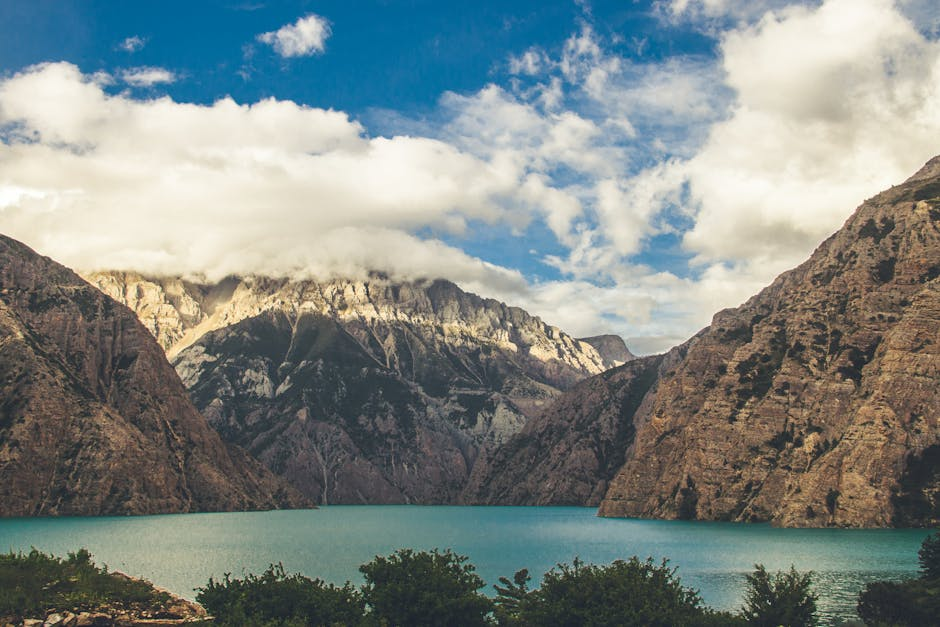
Chandratal Lake, or the “Lake of the Moon,” is a stunning crescent-shaped lake situated at an altitude of 4,300 metres. The lake’s colour changes throughout the day, shifting from brilliant blue to emerald green. Camping is the only accommodation option here, with several organised campsites set up a few kilometres from the lake to protect its fragile ecosystem. Spending a night under a star-studded sky by this magical lake is the perfect climax to your Spiti adventure.
Day 9: Chandratal Lake to Manali
The final day of the loop takes you from the barren landscapes of Spiti to the lush green valleys of Lahaul and Kullu. The journey to Manali (around 125 km) involves crossing two high passes.
Kunzum Pass: You will re-cross the Kunzum Pass (4,590 metres), the gateway between Spiti and Lahaul. Stop at the temple dedicated to the goddess Kunzum Devi to seek blessings for a safe journey.
Rohtang Pass: The road then descends towards the infamous Rohtang Pass (3,978 metres). While the new Atal Tunnel bypasses Rohtang, driving over the pass (if open, permits required) offers spectacular views.
Arrival in Manali: The descent from Rohtang brings you back to civilisation, with traffic, greenery, and the bustling tourist town of Manali marking the end of your epic journey.

Essential Tips for Planning Your Spiti Valley Loop Trip
Preparation is key to a successful and enjoyable Spiti trip. Here are some essential tips:
Best Time to Visit: The loop is fully accessible from late May to early October. July and August are monsoon season, which can increase the risk of landslides, especially in the Kinnaur region. September is often considered the best month, with clear skies post-monsoon.
Acclimatisation: This cannot be stressed enough. Ascend gradually, stay hydrated (drink 4-5 litres of water daily), avoid alcohol and smoking, and do not overexert yourself in the first few days at high altitude.
Packing Essentials: Pack in layers. You will need thermal wear, fleece jackets, a windproof and waterproof outer layer, sturdy waterproof shoes, woollen socks, a cap, gloves, sunscreen (SPF 50+), sunglasses, and a lip balm.
Altitude Sickness (AMS): Familiarise yourself with the symptoms: headache, nausea, dizziness, and fatigue. If symptoms appear, do not ascend further. Rest, and if they worsen, descend immediately. Consult your doctor about preventive medication like Acetazolamide (Diamox). For more detailed information, refer to resources like the NHS page on Altitude Sickness.
Accommodation: Options include hotels, guesthouses, and homestays. Homestays offer an authentic experience and a chance to interact with local families. In peak season, it’s wise to book accommodation in major towns like Kalpa and Kaza in advance.
Food and Water: While travelling, stick to bottled mineral water or carry a water purifier. Food is simple but wholesome. Try local Tibetan dishes like Thukpa (noodle soup) and Momos (dumplings).
Transportation: You can self-drive (4×4 recommended), hire a taxi from Shimla or Manali, or use the local HRTC buses for a budget-friendly option.
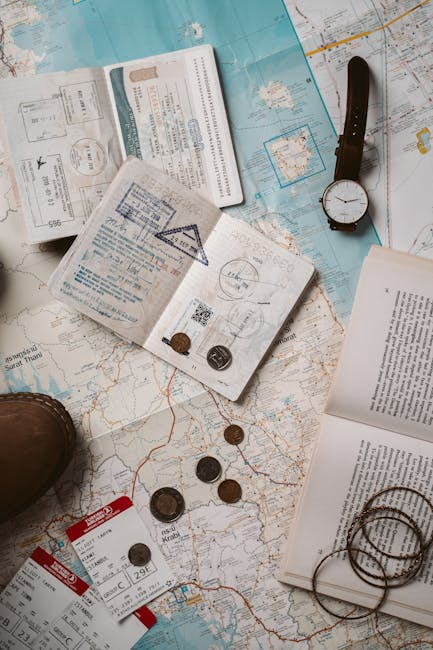
Permits: As mentioned, foreign nationals need an Inner Line Permit (ILP) for the Kinnaur section. Ensure you have multiple photocopies of your passport, visa, and photographs.
Communication: Mobile connectivity is sparse. BSNL and Jio have the best coverage, but don’t expect a signal in remote areas. Kaza has some internet cafes, but the connection can be slow.
Respect Local Culture: Dress modestly, especially when visiting monasteries. Always ask for permission before photographing people or the inside of monasteries. Be a responsible tourist and do not litter.
Budgeting for Your Spiti Valley Loop Trip
Your budget will vary greatly depending on your travel style. Here’s a rough breakdown:
Transportation: Hiring a private taxi for the entire loop can cost between ₹4,000 – ₹6,000 per day. Self-driving will involve fuel costs. Travelling by bus is the cheapest option.
Accommodation: Homestays can cost between ₹800 – ₹1,500 per night, including meals. Guesthouses and hotels can range from ₹1,500 to ₹4,000 per night.
Food: Expect to spend ₹500 – ₹800 per person per day on food.
Permits and Miscellaneous: Factor in costs for permits (if applicable), entry fees, and other small expenses.
A mid-range budget for a 9-day trip could be around ₹30,000 – ₹40,000 per person (excluding vehicle hire). Always carry sufficient cash, as ATMs are only available in major towns like Reckong Peo and Kaza and can be unreliable.
Safety and Travel Advisories
Safety should be your top priority in Spiti.
Road Safety: The roads are challenging. Drive slowly and carefully, honk on blind turns, and avoid driving after dark. Be aware of the risk of landslides, especially during the monsoon.
Health: Carry a comprehensive first-aid kit with medicines for headache, fever, stomach upset, and any personal medications. Altitude sickness is the primary health concern.
Advisories: Before your trip, check for any travel advisories from the Himachal Pradesh government or local authorities, especially regarding road conditions at Rohtang and Kunzum Pass.
Conclusion
The Spiti Valley Loop is more than just a road trip; it’s a journey into a land of immense natural beauty, ancient culture, and profound spiritualism. It challenges you with its rugged terrain and high altitudes but rewards you with landscapes that will be etched in your memory forever. From the serene monasteries and the magical Chandratal Lake to the warmth of the Spitian people, every moment of this journey is an adventure.
With careful planning and a spirit of adventure, you can embark on this unforgettable journey through the “Middle Land.” This guide provides the blueprint, but the experiences you gather along the way will be uniquely yours.