A Local’s Guide to Exploring Mumbai in 48 Hours
Mumbai, the city of dreams, is a captivating blend of ancient traditions and modern aspirations, a place where history whispers from colonial-era buildings and the future gleams in towering skyscrapers. It’s a city of staggering contrasts, where the frenetic energy of its bustling streets coexists with moments of serene beauty along its coastline. For the first-time visitor, this sprawling metropolis can feel overwhelming, a chaotic symphony of sights, sounds, and smells. This guide, however, offers an insider’s journey through Mumbai, revealing hidden gems and iconic landmarks, ensuring you make the most of your 48 hours in this incredible city.
Forget the generic tourist trails; we’ll take you where the locals go, revealing the true heart and soul of Mumbai. This itinerary is your blueprint for an authentic and immersive experience. From historical monuments that narrate tales of a bygone era to bustling markets that pulse with life, from tantalising street food that defines the city’s culinary identity to serene seaside escapes that offer a moment of peace, this itinerary is packed with unforgettable experiences and essential tips to help you navigate Mumbai like a pro. Ready to experience Mumbai like a true Mumbaikar? Let’s begin!
Day 1: Historical Landmarks and Cultural Immersion
Your first day in Mumbai is a deep dive into its rich history and vibrant culture. We’ll journey through the colonial heart of South Mumbai, where grand architecture stands as a testament to the city’s past, before indulging in the culinary delights that make Mumbai a food lover’s paradise.
Morning: Gateway of India and Colaba Causeway
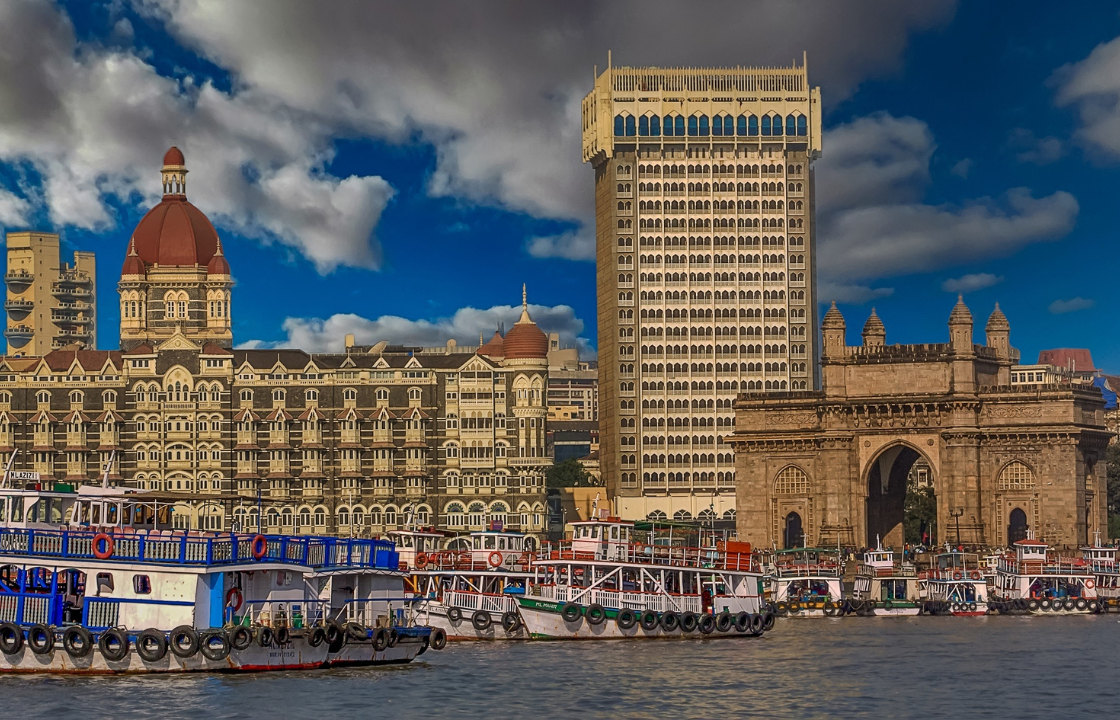
There is no better place to start your Mumbai adventure than at the majestic Gateway of India. This iconic arch-monument, standing proudly on the waterfront of Apollo Bunder, is the city’s most famous landmark and a powerful symbol of its history.
The Gateway of India: Built to commemorate the landing of King George V and Queen Mary in 1911, the Gateway is a stunning example of Indo-Saracenic architecture, blending elements of Roman triumphal arches with 16th-century Gujarati design. To truly appreciate its grandeur and capture the best photographs, aim to arrive early in the morning. The soft morning light illuminates the basalt arch beautifully, and you’ll find fewer crowds, allowing for a more peaceful experience. From here, you can also see the famous Taj Mahal Palace Hotel, another architectural marvel.
Colaba Causeway: A short walk from the Gateway leads you to this bustling commercial street lined with stalls selling everything from colourful textiles and antique jewellery to trendy clothes and quirky souvenirs. Amidst the market chaos, you’ll find historic buildings and iconic establishments like the Leopold Cafe.
Chhatrapati Shivaji Maharaj Vastu Sangrahalaya: If you have time, visit this heritage museum, which boasts an impressive collection of over 50,000 artefacts including ancient sculptures, miniature paintings, and natural history exhibits.
Afternoon: Exploring Fort and Marine Drive
The Fort Area: This district is an architectural treasure trove. Highlights include the Chhatrapati Shivaji Terminus (CST), a UNESCO World Heritage Site, and the Bombay High Court. Stroll through the streets to admire the stunning Victorian Gothic structures.
Marine Drive: Take a short taxi ride to this 3.6-kilometre-long boulevard along the coast of the Arabian Sea. Affectionately called the “Queen’s Necklace”, the promenade glows like a string of pearls at night. Grab a cutting chai and soak in the views.
Evening: Street Food and Local Dinner
Street Food Delights: Mumbai’s street food scene is legendary. Look for stalls with long lines and freshly prepared food. Must-tries include:
- Vada Pav: Spiced potato fritter in a bread roll.
- Pav Bhaji: Spiced vegetable mash served with buttered buns.
- Pani Puri: Crispy spheres filled with tangy water and fillings.
- Bhel Puri: Puffed rice mix with chutneys and vegetables.
Head to Girgaum Chowpatty or Mohammed Ali Road for the best experience.
Traditional Dinner:
Dine at places like Shree Thaker Bhojanalay or Aaswad for a Maharashtrian thali experience. Expect a variety of curries, lentils, bread, rice, and sweets.
Day 2: Spirituality, Bollywood, and Modern Mumbai
Morning: Shree Siddhivinayak Temple and Dhobi Ghat
Shree Siddhivinayak Temple: Located in Prabhadevi, this temple dedicated to Lord Ganesha attracts thousands of devotees. Visit on a weekday morning to avoid crowds. Dress modestly and prepare for a spiritually enriching experience.
Dhobi Ghat: Near Mahalaxmi, this is the world’s largest open-air laundry. From a nearby bridge, observe hundreds of dhobis at work. A great spot for photography—just be respectful.
Afternoon: Bollywood Studio Tour and Bandra Exploration
Bollywood Studio Tour: Mumbai is the heart of the Indian film industry. Consider a guided tour of Film City in Goregaon. These tours include glimpses of live sets, stunt rehearsals, and post-production.
Exploring Bandra: This hip suburb blends history and modernity. Check out Chapel Road and Waroda Road for street art. Visit cafes, boutiques, and end at the Bandra Bandstand, near Shah Rukh Khan’s residence, Mannat.
Evening: Sunset at Juhu Beach and Modern Cuisine
Juhu Beach: Popular and vibrant, it’s perfect for people-watching. Enjoy a classic gola (flavoured shaved ice) while the sun sets over the Arabian Sea.
Modern Cuisine: For your final dinner, indulge in upscale dining. Head to areas like Lower Parel, Bandra, or Colaba. Restaurants like The Table or Aer offer refined global menus and rooftop views.
Practical Tips for Navigating Mumbai
Transportation
- Local Trains: Fast and cheap. Use the m-Indicator app. Avoid peak hours.
- Taxis & Auto-Rickshaws: Insist on the meter.
- Ride-Sharing Apps: Uber and Ola are reliable and safe.
Accommodation
- Best Areas to Stay: Colaba, Fort, Bandra, or Juhu.
- Booking Tip: Book in advance during festivals or peak seasons. Try Booking.com or Agoda.
Safety and Etiquette
- Safety: Watch your belongings in crowds. Stick to bottled water.
- Etiquette: Dress modestly in religious places. Use your right hand for eating.
- Documents: Keep copies of your passport and visa handy.
Conclusion
From historical landmarks to the Bollywood buzz, from chaotic markets to tranquil coastlines, this 48-hour guide gives you a deep and vibrant taste of Mumbai. To truly experience the city, embrace its local flavour—hop on a local train, eat street food, haggle in markets, and chat with Mumbaikars.
The magic of Mumbai lies in its contrasts and contradictions, and it rewards those who explore it with open eyes and an open heart.
Share your own Mumbai stories and tips in the comments below, we’d love to hear from you!
References
- Chhatrapati Shivaji Maharaj Vastu Sangrahalaya. (n.d.). Official Website. Retrieved from https://csmvs.in/
- UNESCO World Heritage Centre. (n.d.). Chhatrapati Shivaji Terminus. Retrieved from https://whc.unesco.org/en/list/945/
- Shree Siddhivinayak Ganapati Temple Trust. (n.d.). Official Website. Retrieved from https://siddhivinayak.org/
- Youtube Videos : 48 Hours in MUMBAI: The City That Never Sleeps | Curly Tales Mumbai Itinerary | 48 hours in Mumbai | A complete 2 day itinerary with local recommendations.