One Week in Gujarat: From Rann of Kutch to Gir
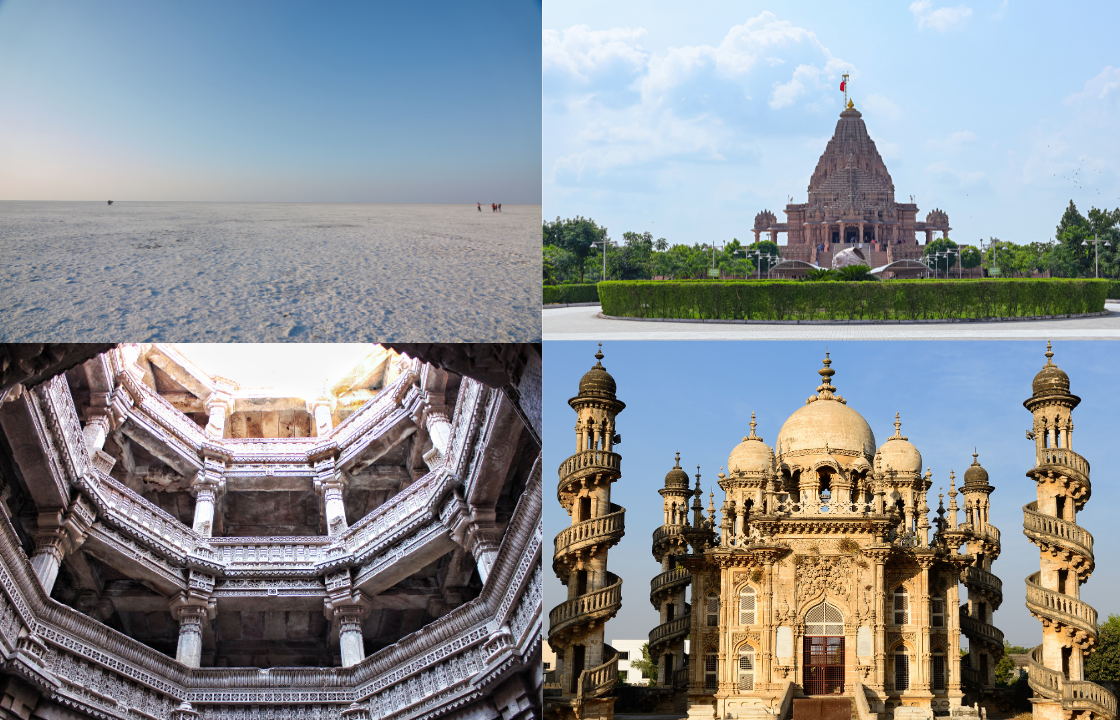
Gujarat, the westernmost state of India, is a land of incredible contrasts and profound cultural depth. It’s a place where the shimmering white salt desert meets the untamed wilderness, where ancient history is etched into magnificent palaces, and where vibrant traditions are woven into the very fabric of daily life. For the discerning traveller, Gujarat offers a journey that tantalises the senses and enriches the soul. This itinerary is crafted for those who seek more than just a holiday; it’s a one-week immersion into two of the state’s most iconic and breathtaking destinations: the ethereal Rann of Kutch and the majestic Gir National Park.
This guide will navigate you through a meticulously planned week, balancing the stark, lunar-like landscapes of the Great Rann with the dense, teak forests that are the last refuge of the Asiatic lion. We will journey from the historical city of Bhuj, a gateway to Kutchi culture, to the heart of the wilderness in Sasan Gir. Embark on a virtual journey through Gujarat and discover its hidden gems, a land of unparalleled diversity waiting to be explored.

Day 1: Arrival in Ahmedabad and Journey to Bhuj
Your adventure begins in Ahmedabad, Gujarat’s largest city and a bustling hub of commerce and culture. Upon arriving at Sardar Vallabhbhai Patel International Airport (AMD) or the main railway station, your first task is to embark on the journey west to Bhuj, the capital of the Kutch district. The drive is a significant one, spanning approximately 330 kilometres and taking around six to seven hours. Hiring a private car is the most comfortable and efficient option, allowing you the flexibility to stop and appreciate the changing landscapes as the urban sprawl gives way to the arid, rustic scenery of Saurashtra and Kutch.
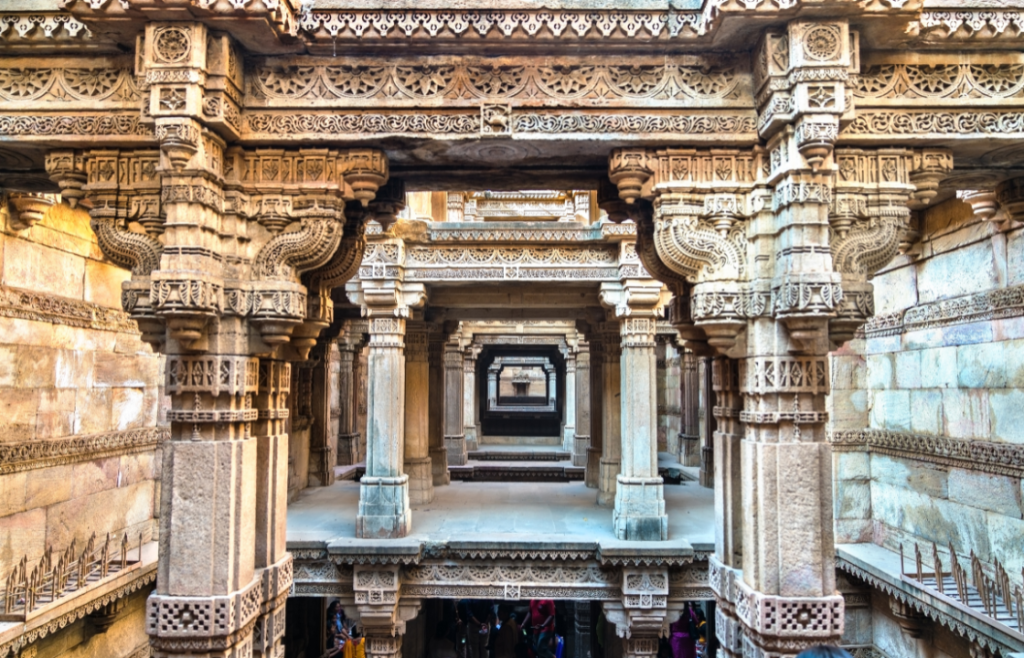
For those with an early arrival, a worthwhile detour just outside Ahmedabad is the magnificent Adalaj Stepwell. This five-storey deep architectural marvel, built in 1498, is a stunning example of Indo-Islamic design. Its intricate carvings and cool, subterranean chambers offer a fascinating glimpse into the ingenuity of medieval water conservation and provide a serene start to your cultural exploration.
After the long drive, you will arrive in Bhuj, a city that has risen resiliently from the devastating earthquake of 2001. Check into your chosen accommodation; Bhuj offers a range of options, from comfortable business hotels to charming guesthouses that reflect the local aesthetic. Once settled, spend the evening immersing yourself in the city’s vibrant atmosphere. A stroll through the bustling local markets is a must. Explore the narrow lanes of the old city, where you can find everything from exquisite Kutchi embroidery and block-printed textiles to silver jewellery and an array of local snacks. This initial taste of Bhuj sets the stage for the deeper cultural dive to come.
Day 2: Exploring Bhuj: History and Handicrafts
The second day is dedicated to uncovering the rich history and artisanal brilliance of Bhuj and its surroundings. Begin your morning with a visit to the heart of the old city, where the Aina Mahal (Palace of Mirrors) and Prag Mahal stand side-by-side as testaments to the region’s royal past. The Aina Mahal, constructed in the 18th century, is famous for its spectacular Hall of Mirrors, a dazzling room adorned with Venetian glass, intricate tilework, and chandeliers. Though parts of the palace were damaged in the earthquake, the restored sections still convey its former grandeur. Adjacent to it, the Prag Mahal presents a stark contrast with its imposing Italian Gothic architecture, complete with a grand clock tower that offers panoramic views of the city.
In the afternoon, take a short drive to Bhujodi village, a vibrant community that serves as a living museum of Kutchi handicrafts. This village is home to the Vankar community of weavers, and you can witness the entire process of creating the famous Kutchi shawls and textiles. The rhythmic clatter of the looms fills the air as artisans deftly work with colourful threads. This is an unparalleled opportunity to interact directly with the craftspeople, understand their techniques passed down through generations, and purchase authentic, high-quality products. Remember to engage respectfully; while bargaining is common, it’s important to appreciate the immense skill and effort that goes into each piece.
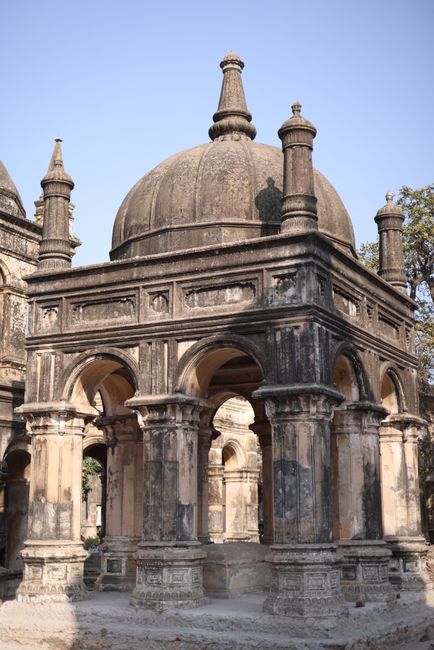
Later in the afternoon, visit the Chhatardi, a complex of royal cenotaphs. These striking red sandstone structures, with their intricately carved roofs and pillars, commemorate the rulers of the Jadeja dynasty. The site is a peaceful and photogenic spot, especially in the soft light of the late afternoon. To conclude your day of cultural immersion, treat yourself to a traditional Kutchi dinner. Seek out a local restaurant known for its authentic thali, a platter featuring a variety of regional specialities like bajra no rotlo (millet flatbread), kadhi (a yoghurt-based curry), and various vegetable preparations, offering a true taste of the region’s culinary heritage.

Day 3: The White Desert: Rann of Kutch
Prepare for a day of surreal beauty as you journey to the Great Rann of Kutch. An early start is recommended for the two-hour drive to Dhordo, the main entry point to the famous White Desert. It is crucial to remember that this area is close to the international border, and all visitors must obtain a permit to enter. This can be done online in advance or at the checkpoint on the way to Dhordo.
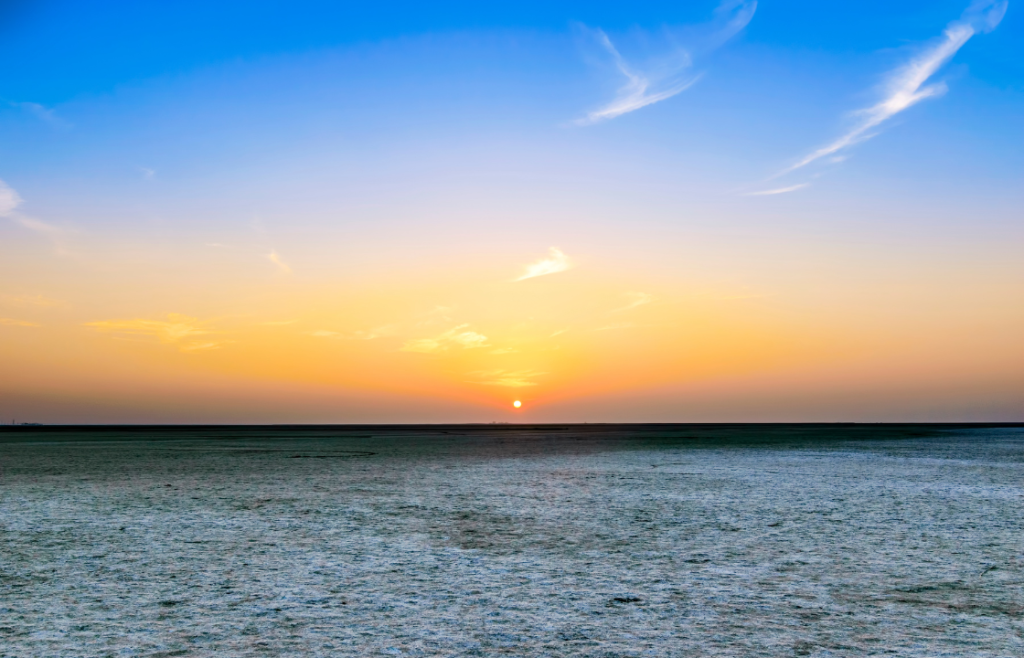
As you approach the Rann, the landscape transforms dramatically. The scrubland gives way to a vast, blindingly white expanse of salt-encrusted earth stretching to the horizon. This unique geological phenomenon is a seasonal salt marsh; during the monsoon, it is submerged in water, and as the water evaporates in the following months, it leaves behind a breathtaking crust of salt. The sheer scale and silence of the White Desert create a mesmerising, almost otherworldly atmosphere.
For the most spectacular views, make your way to Kala Dungar (Black Hill), the highest point in Kutch. From its summit, you are rewarded with a stunning panoramic vista of the Great Rann, with the white desert stretching out towards the faint line of the Pakistan border. The view is truly humbling and provides a sense of the immense scale of this natural wonder.
The highlight of any visit to the Rann is witnessing the sunset. As the sun begins to dip, the white landscape becomes a canvas for a spectacular display of colours, shifting from brilliant white to soft shades of orange, pink, and purple. The experience is profoundly peaceful and offers incredible photographic opportunities. For those visiting between November and February, consider an overnight stay at the Rann Utsav, a tent city that springs up near Dhordo. This vibrant festival celebrates Kutchi culture with folk music and dance performances, handicraft stalls, and adventure activities, offering a truly immersive desert experience.

Day 4: Sunrise in the Rann and Return to Bhuj
If you stayed overnight in the desert, an early wake-up call is essential to witness the sunrise over the White Desert. The experience is just as magical as the sunset, but with a different, more serene quality. Watching the first rays of light touch the salt flats, making them sparkle and shimmer, is an ethereal moment that will stay with you long after you leave. The cool, crisp morning air and the profound silence make for a deeply meditative experience.
Use the morning to explore the Rann further. The patterns in the salt crust, the vast emptiness, and the dramatic play of light and shadow provide endless opportunities for creative photography. Capture the textures of the ground, the vastness of the landscape, and the unique beauty of this stark environment.
In the late morning, begin your journey back to Bhuj. The drive allows for reflection on the incredible natural beauty you have just witnessed. After checking back into your hotel, the afternoon offers a chance for some relaxation or last-minute souvenir shopping. For a final dose of history, consider a visit to the Sharad Baug Palace Museum. Once the residence of the last Maharao of Kutch, this palace is set amidst lush gardens and offers a glimpse into the lifestyle of the region’s royalty through its collection of furniture, antiques, and personal artefacts. In the evening, enjoy one last authentic Kutchi dinner, savouring the local flavours before you prepare for the next leg of your adventure: the journey to the wilderness of Gir.
Day 5: Journey to Junagadh and Gir National Park
Today marks a significant transition as you travel from the arid landscapes of Kutch to the lush forests of Saurashtra. The journey from Bhuj to Sasan Gir, the main hub for Gir National Park, is a long one, covering nearly 400 kilometres and taking approximately eight to nine hours by road. It’s advisable to start early and plan for a lunch stop en route, perhaps in the city of Rajkot.
As you approach Sasan Gir, the scenery changes to rolling hills and dry, deciduous forests, a clear sign that you are entering a different ecological zone. Check into your chosen accommodation; the area around Gir offers a variety of options, from luxury resorts with all modern amenities to eco-lodges that blend seamlessly with the natural surroundings.
In the afternoon, a visit to the Devalia Safari Park, also known as the Gir Interpretation Zone, is highly recommended. This enclosed, 412-hectare area was created to reduce tourist pressure on the main national park while still offering visitors a chance to see the region’s wildlife. A bus tour through Devalia provides almost guaranteed sightings of Asiatic lions, leopards, sambar deer, and nilgai (blue bull) in a naturalistic habitat. It serves as an excellent introduction to the Gir ecosystem and the importance of conservation. According to the Gujarat Forest Department, this protected zone plays a vital role in wildlife education and awareness.
In the evening, many lodges and local guides offer informative sessions on the wildlife of Gir, focusing on the behaviour of the Asiatic lion and the ongoing conservation efforts that have brought this magnificent species back from the brink of extinction. Attending one of these talks can greatly enhance your appreciation for the safari experience that awaits you the next day.

Day 6: Gir National Park: The Realm of the Asiatic Lion
The pinnacle of your wildlife adventure arrives today with an early morning jeep safari into the core area of Gir National Park. It is essential to book your safari permits well in advance online, as they are limited and in high demand. The park is divided into several routes, and your open-top jeep, accompanied by a mandatory forest guide, will take you deep into the teak-dominated forest.
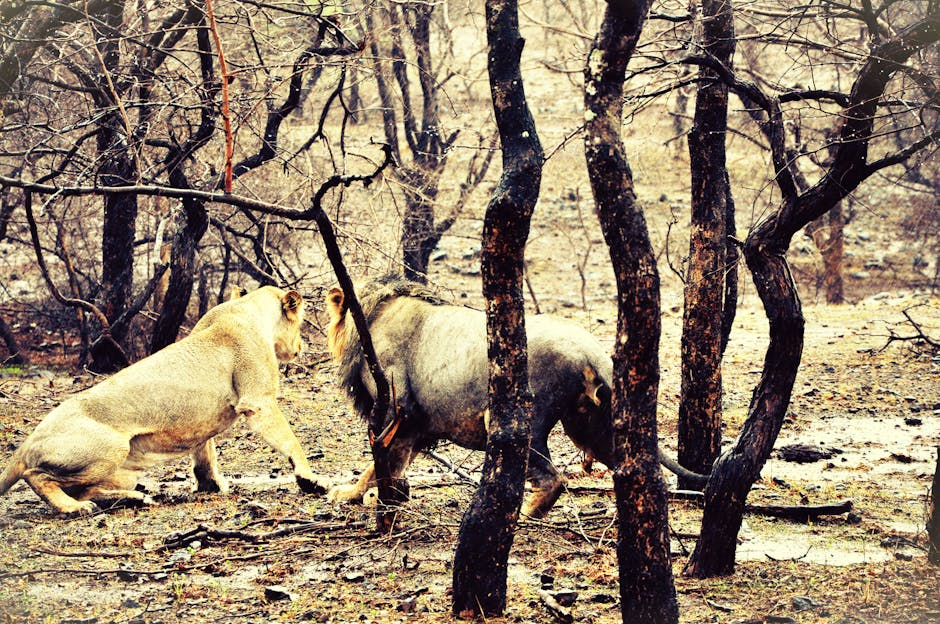
The primary focus of any safari in Gir is, of course, the majestic Asiatic lion. Gir is the only place in the world where this species is found in the wild. Thanks to dedicated conservation efforts, the lion population has seen a remarkable recovery. Data from the Wildlife Institute of India and the Gujarat Forest Department indicates a steady increase in their numbers, a true conservation success story. While sightings are never guaranteed, the expert tracking skills of the guides significantly increase your chances of spotting a pride resting in the shade or a magnificent male patrolling his territory.
Beyond the lions, Gir is a thriving ecosystem teeming with other wildlife. Keep your eyes peeled for the elusive leopard, often seen resting on tree branches. The park is also home to large populations of sambar and chital (spotted deer), nilgai, wild boar, and the four-horned antelope. Birdwatchers will be delighted by the over 300 species of birds, including the crested serpent eagle and the changeable hawk-eagle.
In the afternoon, you can visit the Kamleshwar Dam, located within the park. This reservoir is a vital water source for the park’s wildlife and is also home to a large population of marsh crocodiles, which can often be seen basking on the banks. As evening falls, return to your lodge for a relaxing dinner. Spend the time reflecting on the day’s incredible sightings, perhaps journaling your experiences or sharing your best photographs. The thrill of seeing these magnificent animals in their natural habitat is an unforgettable experience.
Day 7: Departure from Rajkot or Ahmedabad
On the final day of your Gujarat adventure, your departure plans will dictate your morning’s activities. The nearest airport to Sasan Gir is in Rajkot, approximately a three-hour drive away. If you have a flight from there, you can enjoy a leisurely breakfast before starting your journey.
Alternatively, if you are departing from Ahmedabad, the drive is much longer, around seven hours. This would require an earlier start. However, if your flight or train is later in the evening, this option allows for a final, poignant stop at the Sabarmati Ashram in Ahmedabad. This was Mahatma Gandhi’s residence for over a decade and the nerve centre of India’s freedom struggle. Walking through the peaceful grounds and visiting the museum provides a profound connection to the life and philosophy of one of history’s most influential figures.
As you travel to your departure point, take the time to reflect on the incredible diversity you have witnessed in just one week. From the stark, mesmerising beauty of the Rann of Kutch to the vibrant life of Gir’s forests, Gujarat offers a journey of immense depth and contrast. You have walked through history, witnessed artisanal traditions, and come face-to-face with one of the world’s rarest and most majestic creatures. Hopefully, the memories of the shimmering salt desert and the roar of the Asiatic lion will inspire you to explore even more of what this incredible state has to offer. Start planning your unforgettable journey to Gujarat today!
Conclusion
This one-week itinerary through Gujarat, from the ethereal landscapes of the Rann of Kutch to the dense forests of Gir, offers a profound exploration of one of India’s most diverse states. Each day presents a new facet of Gujarat’s rich tapestry, from the intricate artistry of Bhuj’s handicrafts to the majestic presence of the Asiatic lion in its natural habitat. This journey is not just about seeing new places but about experiencing the vibrant culture, history, and natural beauty that define this remarkable region.
The memories forged in the vast salt desert, the bustling markets, and the tranquil forests will linger long after the trip ends. Whether it’s the awe-inspiring sunsets over the Rann or the thrill of a lion sighting in Gir, these experiences offer a deeper connection to the land and its people. As you reflect on this adventure, consider how the diversity and resilience of Gujarat mirror the broader story of India itself—a land of contrasts, where tradition and modernity coexist in harmony.
We hope this guide inspires you to embark on your own journey through Gujarat, to discover its hidden gems and to create your own stories. Whether you’re a seasoned traveller or a curious explorer, Gujarat promises an unforgettable adventure that will enrich your understanding of India’s cultural and natural heritage. Start planning your journey today, and let the wonders of Gujarat captivate your heart and soul.