7-Day North Sikkim Adventure: Exploring Lachen, Lachung & Gurudongmar
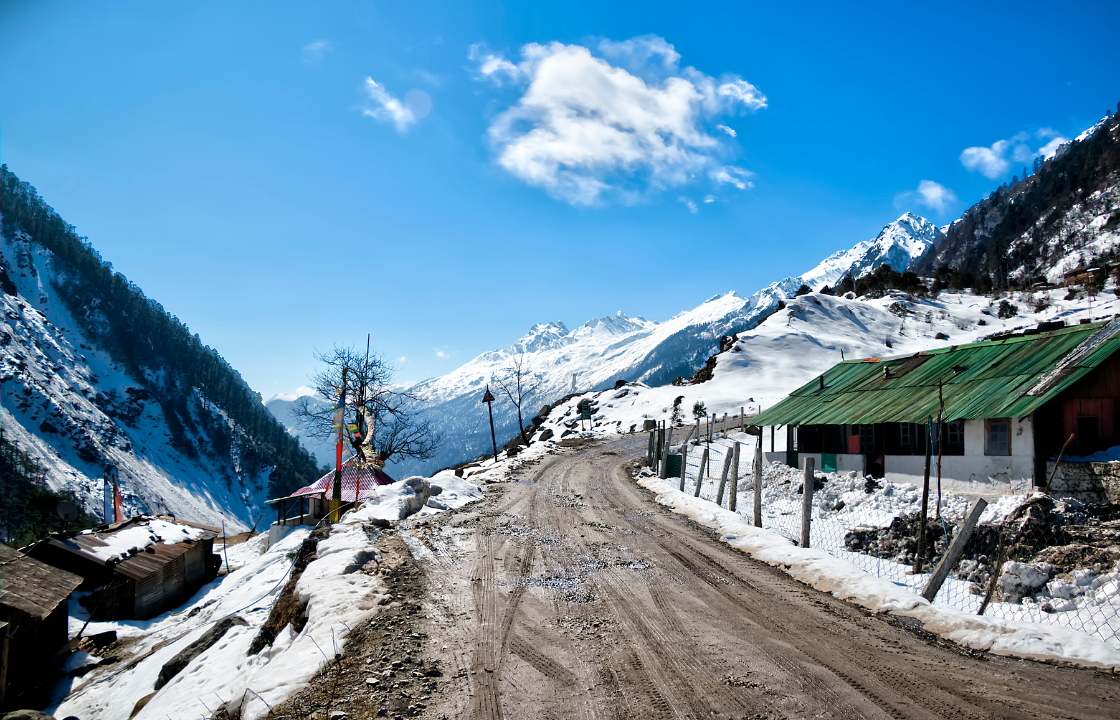
North Sikkim is a land of myth, majesty, and breathtaking beauty. Tucked away in a remote corner of the Indian Himalayas, this region offers a travel experience unlike any other, a journey through pristine landscapes, high-altitude deserts, and vibrant valleys teeming with life. This adventure centres on the jewels of the north: the serene villages of Lachen and Lachung, which serve as gateways to the ethereal Gurudongmar Lake and the floral paradise of Yumthang Valley.
This guide is crafted for the knowledgeable traveller seeking an immersive and unforgettable expedition. It provides a detailed 7-day itinerary designed to navigate the challenges and rewards of this incredible region. It is crucial to remember that visiting North Sikkim requires special permits due to its proximity to the international border. Both Indian and foreign nationals need to secure an Inner Line Permit (ILP) or a Protected Area Permit (PAP). Ready to explore the hidden gems of North Sikkim? Read on for your ultimate 7-day itinerary.
Day 1: Arrival in Gangtok and Preparation for the Journey
Your North Sikkim adventure begins not in the high mountains, but in the bustling capital city of Gangtok. Most travellers arrive at Bagdogra Airport (IXB) in West Bengal or the nearby New Jalpaiguri (NJP) railway station. From here, a scenic 4-5 hour drive via taxi or a pre-booked car will take you up winding roads to Gangtok, the vibrant heart of Sikkim.
The primary task for your first day is securing the necessary permits. All travel to North Sikkim is regulated, and you will need an Inner Line Permit (ILP) for Indian citizens or a Protected Area Permit (PAP) for foreign nationals. These are typically arranged by your tour operator but can also be obtained from the Tourism & Civil Aviation Department in Gangtok.
To apply, you will need the following documents:
- Passport-sized photographs: Carry at least 4-5 copies.
- Proof of Identity: A valid government-issued ID like a Voter ID, Driving Licence, or Passport.
- Proof of Address: An Aadhar card or similar document.
Foreign nationals must also provide copies of their passport, Indian visa, and Sikkim Inner Line Permit. It’s wise to have multiple photocopies of all your documents ready. From my own experience, being well-prepared can save you a lot of hassle. On my first trip, I forgot a photocopy of my ID and had to make a frantic dash back to the hotel, nearly delaying our permit processing. Don’t make the same mistake!
Once your permits are in process, spend the evening acclimatising and exploring Gangtok. Take a leisurely stroll down the pedestrian-only MG Marg, a clean and lively promenade lined with shops, cafes, and restaurants. It’s the perfect place to soak in the local atmosphere and enjoy a delicious meal. Choose a comfortable hotel for the night to ensure you are well-rested for the journey ahead. Settle in, get your permits sorted, and prepare for an incredible adventure!
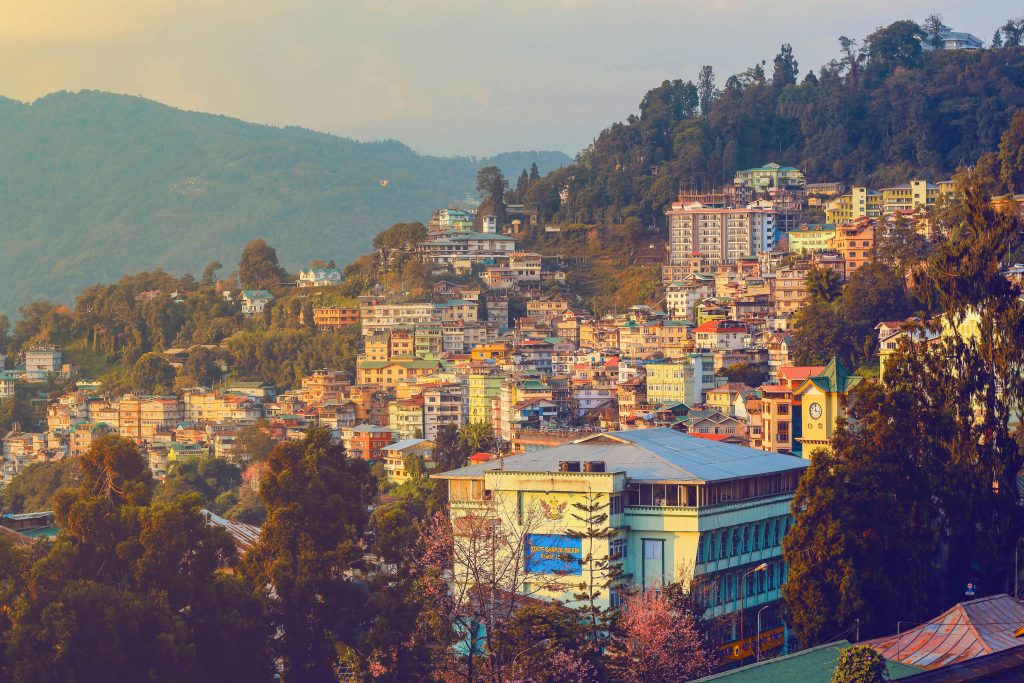
Day 2: Gangtok to Lachen – Journey into the Highlands
Today, the real adventure begins as you leave the city behind and journey deep into the highlands of North Sikkim. The drive from Gangtok to Lachen is a long but spectacular one, typically taking 6-8 hours to cover approximately 120 kilometres. The road snakes alongside the mighty Teesta River, and with every turn, the landscape transforms from lush subtropical forests to temperate alpine vegetation.
A sturdy SUV is the recommended vehicle for this route, as road conditions can be challenging, especially after the monsoon season. Along the way, you’ll pass several breathtaking viewpoints and attractions. Be sure to stop at:
- Seven Sisters Waterfalls: A stunning cascade of water tumbling down a rugged cliff face, offering a perfect photo opportunity.
- Singhik View Point: On a clear day, this spot provides a magnificent panoramic view of Mount Khangchendzonga and its surrounding peaks.
As you ascend, you will feel the air getting thinner and cooler. This is a crucial time for acclimatisation. It’s essential to stay hydrated by drinking plenty of water and to avoid overexertion. Listen to your body and take it easy.
You will arrive in Lachen by late afternoon. At an altitude of 2,750 metres (9,022 ft), Lachen is a quaint, remote village inhabited by the Lachenpa community. It serves as the base for the expedition to Gurudongmar Lake. Accommodation here is basic but clean and cosy, usually in the form of family-run guesthouses. The warm hospitality of the locals more than makes up for the lack of luxury. Embrace the journey and the tranquillity of Lachen!
Day 3: Lachen to Gurudongmar Lake – A Spiritual and Scenic Ascent
Prepare for an early start, as the journey to Gurudongmar Lake begins well before dawn. The goal is to reach the lake in the morning when the weather is most stable and the views are clearest. The drive from Lachen is an otherworldly experience, taking you through a high-altitude cold desert landscape that feels like another planet. The road is rough and the ascent is steep, but the dramatic scenery of barren mountains and vast, empty plains is utterly mesmerising.
Gurudongmar Lake is one of the highest lakes in the world, situated at a staggering altitude of 5,430 metres (17,800 ft). At this height, the oxygen levels are significantly lower, and the risk of altitude sickness is very real. It is vital to be aware of the symptoms, which can include headache, nausea, dizziness, and shortness of breath. For detailed medical advice, it’s always best to consult resources like the NHS page on altitude sickness. Taking prescribed medication like Acetazolamide (Diamox) after consulting a doctor, staying hydrated, and moving slowly can help mitigate the effects.
The first glimpse of Gurudongmar Lake is a moment that will stay with you forever. Its crystal-clear, emerald-blue waters are set against a backdrop of snow-dusted peaks. The lake is considered sacred by both Buddhists, who believe it was blessed by Guru Padmasambhava, and Sikhs, who associate it with Guru Nanak. A portion of the lake is said to never freeze, even in the harshest winters, a phenomenon attributed to its divine blessings.
Due to the extreme altitude, it is strongly advised to spend no more than 30-45 minutes at the lake. After soaking in the serene atmosphere and capturing some photographs, you will begin your descent back to Lachen. The afternoon is for resting and allowing your body to recover from the high-altitude excursion. Experience the magic of Gurudongmar, but prioritise your health and safety.
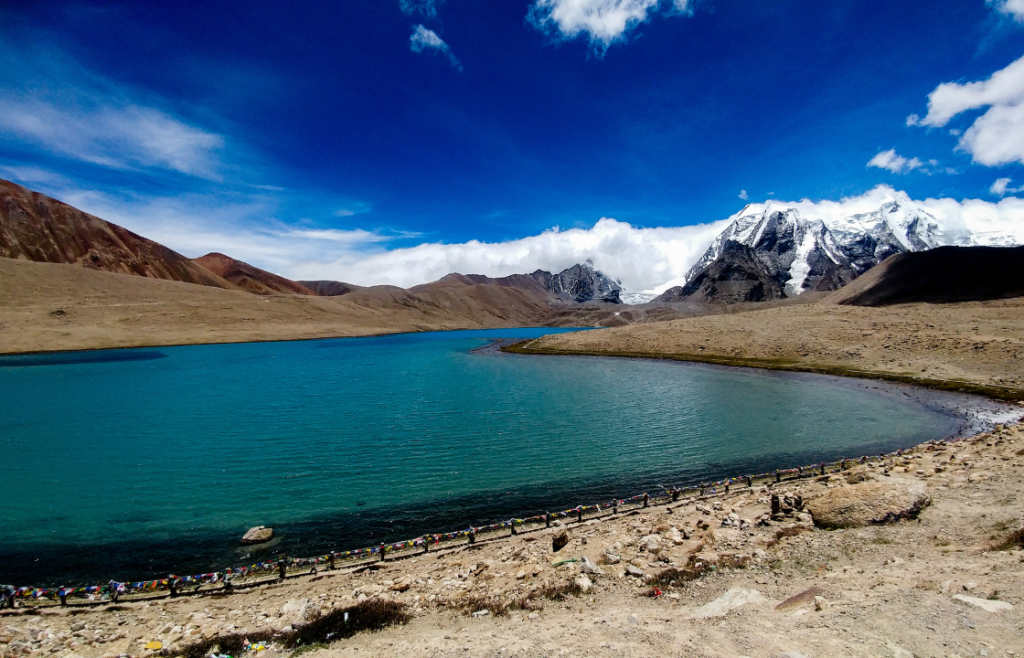
Day 4: Lachen to Lachung – Exploring Yumthang Valley
After the stark, high-altitude landscapes of the previous day, today’s journey from Lachen to Lachung offers a dramatic and welcome change of scenery. The drive takes you down into a different valley, where the barren terrain gives way to lush meadows and dense forests. Lachung, at an altitude of 2,700 metres (8,858 ft), is a larger and more picturesque village than Lachen, nestled in a stunning valley carved by the Lachung River.
The main attraction here is the world-renowned Yumthang Valley, often called the “Valley of Flowers.” A short drive from Lachung, this vast meadow is a paradise for nature lovers. The best time to visit is during spring (late April to June), when the valley floor is a riot of colour, carpeted with countless species of wild primulas, poppies, and other alpine flowers.
Within the valley lies the Shingba Rhododendron Sanctuary, which is home to over 24 species of rhododendron. During the blooming season, the hillsides are ablaze with vibrant shades of red, pink, and purple. Even outside the flowering season, Yumthang’s serene beauty, with the river meandering through the grassy plains and yaks grazing peacefully, is a sight to behold.
Near the valley, you can also visit the Yumthang Hot Springs. A short walk across a pedestrian bridge takes you to a small hut containing a pool of sulphurous water, believed to have therapeutic properties. It’s a great way to soothe tired muscles after days of travel. After exploring, you will settle into your hotel in Lachung, many of which offer spectacular views of the surrounding valley. Prepare to be mesmerised by the vibrant colours of Yumthang!
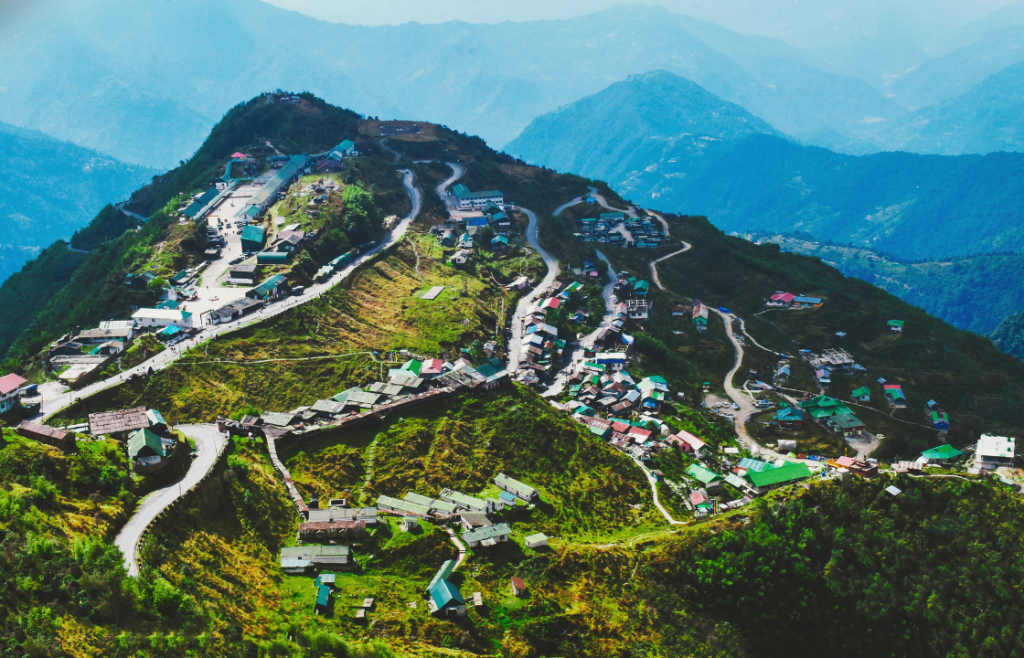
Day 5: Lachung – Zero Point Excursion
For those seeking the ultimate high-altitude thrill, an excursion to Zero Point (Yumesamdong) is a must. Located about 25 kilometres beyond Yumthang Valley, this is the final frontier for civilian visitors, marking the end of the motorable road before the Tibetan border. This excursion requires an additional permit and payment, which can be arranged by your driver in Lachung.
The journey to Zero Point takes you even higher, to an altitude of around 4,724 metres (15,500 ft). The landscape becomes rugged and barren once more, and the area is often covered in snow for most of the year. The weather here is extremely unpredictable and harsh, with biting winds and freezing temperatures. It is essential to be dressed in multiple warm layers.
Reaching Zero Point feels like arriving at the edge of the world. You are surrounded by a panorama of majestic, snow-covered mountains under a vast sky. The sense of isolation and raw, untamed nature is profound. I remember standing there, the wind howling around me, feeling incredibly small and humbled by the sheer scale and power of the Himalayas. It’s an experience that truly puts things into perspective.
As with Gurudongmar Lake, your time at Zero Point should be limited to about 30 minutes due to the high altitude. If the road to Zero Point is closed due to heavy snow, you can spend the day exploring more of Lachung, visiting the local monastery, or browsing the handicraft centre for unique souvenirs. Venture to Zero Point for an unforgettable experience, but be prepared for the elements!

Day 6: Lachung to Gangtok – Return Journey and Reflection
Today, you begin your journey back to civilisation, retracing your steps from Lachung to Gangtok. The long drive, which again takes about 6-8 hours, offers a chance to see the landscapes you passed on the way up from a new perspective. It’s an opportunity to stop at any viewpoints or waterfalls you might have missed on the initial ascent.
The return journey is also a time for reflection. As the towering peaks and remote valleys recede in your rearview mirror, you can look back on the incredible experiences of the past few days. From the spiritual calm of Gurudongmar Lake to the floral splendour of Yumthang and the raw wilderness of Zero Point, North Sikkim leaves an indelible mark on every traveller. I often use this drive to jot down notes in my travel journal, ensuring the vivid memories don’t fade.
You will arrive back in Gangtok in the late afternoon or early evening. Check into your hotel and enjoy the creature comforts you missed in the remote north: a hot shower, a varied menu, and a stable internet connection. Celebrate the successful completion of your adventure with a farewell dinner at one of Gangtok’s excellent local restaurants, perhaps trying some authentic Sikkimese cuisine. Relive the magic of North Sikkim as you journey back to Gangtok.
Day 7: Departure from Gangtok
On the final day of your North Sikkim adventure, you will depart from Gangtok. After breakfast, your pre-booked taxi will transfer you back down to Bagdogra Airport or NJP railway station for your onward journey. Be sure to allow ample travel time, at least 5-6 hours, as traffic and road conditions can be unpredictable.
As you descend from the hills, you carry with you not just photographs, but a profound appreciation for one of the most beautiful and unspoiled regions on Earth. The trip is a testament to the raw power of nature and the resilience of the people who call these mountains home. It’s a journey that challenges you physically but rewards you spiritually.
The key highlights, the sacred waters of Gurudongmar, the vibrant blooms of Yumthang, and the stark beauty of the high-altitude passes, combine to create an experience that is both humbling and exhilarating. Share your North Sikkim story and inspire others to embark on this incredible journey!
Conclusion
Embarking on a 7-day adventure through North Sikkim is more than just a journey through breathtaking landscapes; it’s an exploration of a region rich in culture, spirituality, and natural wonder. From the tranquil village life in Lachen and Lachung to the awe-inspiring vistas of Gurudongmar Lake and Yumthang Valley, each day offers a new perspective and a deeper connection to the majestic Himalayas.
This itinerary is designed to guide you through the highlights of North Sikkim, ensuring you experience the best this remote region has to offer while respecting its delicate environment and cultural heritage. The challenges of high-altitude travel are balanced by the rewards of witnessing some of the most pristine and untouched landscapes on Earth.
As you reflect on your journey, remember the warmth of the local communities, the serenity of the sacred sites, and the vibrant beauty of the natural world. These memories will stay with you long after you leave the mountains behind. We encourage you to share your experiences, inspire others to explore this incredible region, and continue to seek out new adventures that broaden your horizons and enrich your understanding of the world.
Thank you for joining us on this journey through North Sikkim. We hope this guide has been both informative and inspiring, and we look forward to hearing about your own adventures in this magical part of the world. Safe travels!