Cultural Circuit: 6-Day Itinerary Through Tamil Nadu Temples
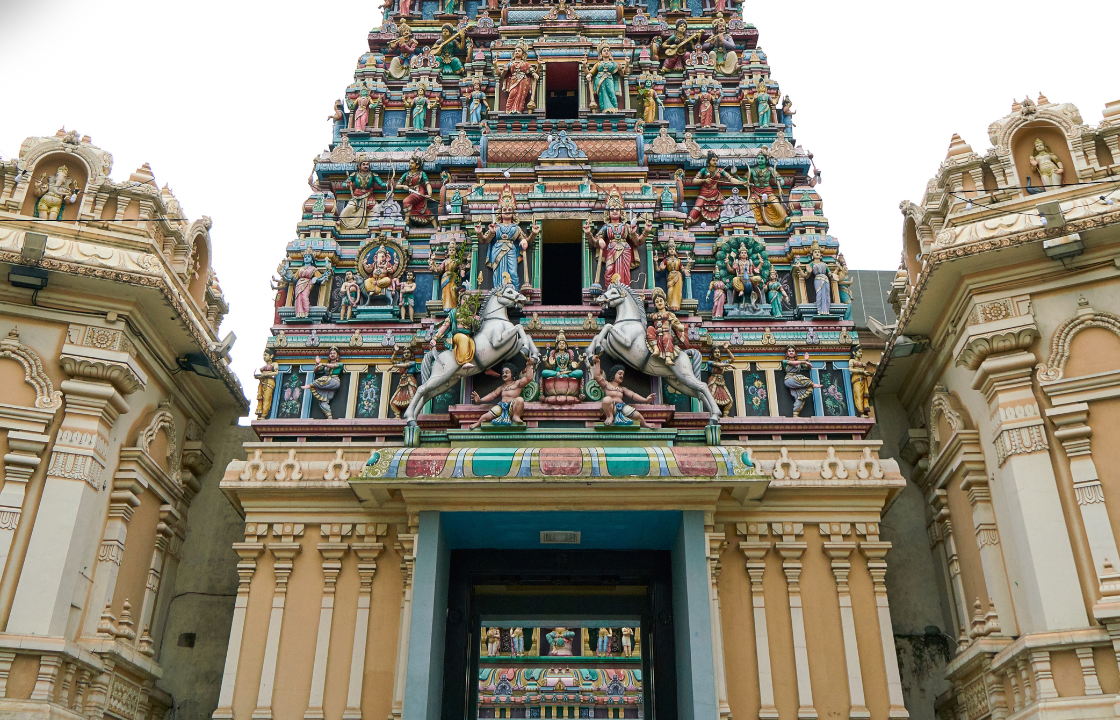
Welcome to Tamil Nadu, the cradle of Dravidian culture and a land affectionately known as the “Land of Temples.” This southern Indian state is home to an astonishing concentration of ancient temples, each a testament to centuries of devotion, artistry, and architectural genius. These are not mere historical monuments; they are vibrant, living centres of faith where traditions dating back millennia are practised daily. The skyline of almost every town is dominated by towering temple gateways, or gopurams, intricately adorned with a kaleidoscope of divine figures. This itinerary is designed to guide you on a profound 6-day journey through the spiritual heart of Tamil Nadu, exploring its most significant temples and immersing yourself in its rich cultural tapestry.
The best time to embark on this journey is between October and March, when the weather is pleasantly cool and dry, making temple exploration a comfortable and enjoyable experience. Join us on this unforgettable journey into the architectural marvels and spiritual depths of Tamil Nadu.

Day 1: Chennai – Gateway to Tamil Nadu
Your cultural immersion begins in Chennai, the bustling capital of Tamil Nadu. After arriving and checking into your hotel (we recommend booking accommodation near the city centre for convenience), your first stop is the magnificent Kapaleeshwarar Temple in the historic neighbourhood of Mylapore.

Dedicated to Lord Shiva, this 7th-century temple is a spectacular example of Dravidian architecture. Its most striking feature is the 37-metre-high gopuram, which is covered in a riot of colourful stucco figures depicting stories from Hindu mythology. As you wander through the temple complex, you’ll be captivated by the intricate carvings, the vibrant atmosphere of devotion, and the sacred temple tank, which plays a central role in its many festivals. Having visited many temples, I find the energy at Kapaleeshwarar particularly powerful, especially during the evening rituals when the air is thick with the scent of incense and the sound of chanting.
From there, a short journey takes you to the serene San Thome Basilica, a striking white neo-Gothic structure built over the tomb of St. Thomas the Apostle. It stands as a symbol of Chennai’s diverse religious heritage. To deepen your understanding of the region’s history, a visit to the Government Museum is essential. Here, you can explore galleries filled with Chola bronzes, ancient sculptures, and archaeological finds that provide context to the temples you will see on your journey.
As evening approaches, consider an optional stroll along the famous Marina Beach, one of the longest urban beaches in the world. It’s a perfect spot to watch the sunset and sample local street food. Conclude your day with a traditional South Indian dinner at a local restaurant, savouring authentic dishes like dosa, idli, and flavourful sambar. Experience the heart of Tamil Nadu as you prepare for the days ahead.
Day 2: Kanchipuram – The City of a Thousand Temples
Today, you journey inland to Kanchipuram, one of India’s seven sacred cities. The drive from Chennai takes approximately 2-3 hours. Known as the “City of a Thousand Temples,” Kanchipuram was the historic capital of the Pallava dynasty and is a treasure trove of architectural wonders.
Your first stop is the Ekambareswarar Temple, a colossal complex dedicated to Lord Shiva. This temple is one of the Pancha Bhoota Sthalams, representing the element of earth. Its southern gopuram stands at a staggering 59 metres, making it one of the tallest in India. Inside, you’ll find a hall with a thousand pillars and a sacred, ancient mango tree said to be over 3,500 years old, which legend says bears four different types of mangoes.

Next, you will explore the Kailasanathar Temple, a much older and more intimate sanctuary. Built in the 8th century under the Pallava dynasty, it is renowned for its exquisite sandstone carvings and serene atmosphere. Unlike the towering temples built later, Kailasanathar has a more horizontal layout, with low-slung walls containing a series of small shrines. The detailed sculptures depicting various forms of Shiva are considered masterpieces of Pallava art.
Your final major stop in Kanchipuram is the Varadaraja Perumal Temple, dedicated to Lord Vishnu. This vast temple complex covers 23 acres and is famous for its magnificent hundred-pillared hall, which features intricate sculptures of warriors on horseback and mythological creatures. Don’t miss the chance to see the two sacred lizards, one gold-plated, one silver-plated, on the ceiling of a side chamber. It is believed that touching them absolves one of past sins.
For an optional cultural experience, visit Kanchi Kudil, a 90-year-old ancestral home that has been preserved as a museum to showcase the traditional lifestyle of the region. Discover the ancient city of temples and let its architectural grandeur leave you in awe.
Day 3: Tiruvannamalai – Abode of Lord Shiva
Leaving Kanchipuram, you will travel for about 3-4 hours to Tiruvannamalai, a town that radiates a profound spiritual energy. It is dominated by the sacred Arunachala Hill and the magnificent Arunachaleswarar Temple at its base.
The Arunachaleswarar Temple is another of the Pancha Bhoota Sthalams, representing the element of fire (Agni). It is one of the largest temple complexes in India, sprawling over 25 acres. With its four towering gopurams and thousand-pillared halls, the temple is a masterpiece of Dravidian architecture. The main deity is a lingam believed to be a manifestation of Lord Shiva himself as the holy hill. The temple comes alive during festivals, especially Karthigai Deepam, when a giant cauldron of ghee is lit atop Arunachala Hill, visible for miles around.
A key spiritual practice in Tiruvannamalai is Girivalam, the circumambulation of Arunachala Hill. This 14-kilometre walk, usually undertaken barefoot at dawn or after sunset, is believed to bestow immense spiritual benefits. The path is dotted with small shrines and ashrams, and the experience of walking in the shadow of the sacred hill is deeply meditative. On my own journey here, the pre-dawn silence during Girivalam, broken only by the soft chanting of fellow pilgrims, was an incredibly moving and peaceful experience.
You can also visit the Sri Ramana Ashram, a tranquil centre dedicated to the teachings of the 20th-century sage Ramana Maharshi, who spent most of his life on Arunachala Hill. The ashram attracts spiritual seekers from all over the world. For a truly immersive experience, attend the evening prayers at the Arunachaleswarar Temple and feel the powerful vibrations of the ancient rituals. Find inner peace in the shadow of Arunachala and let its spiritual energy rejuvenate you.
Day 4: Chidambaram & Kumbakonam – Nataraja and Temple Town
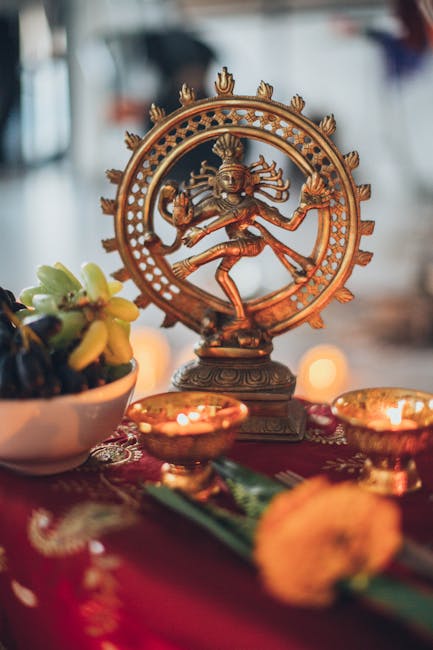
Today’s journey takes you first to Chidambaram (a 3-4 hour drive), home to one of the most unique and significant temples in all of India: the Nataraja Temple. This temple is dedicated to Lord Shiva in his form as Nataraja, the cosmic dancer.
The temple’s architecture is unique, with a golden-roofed sanctum sanctorum, the Kanaka Sabha, where the deity resides. It is one of the Pancha Bhoota Sthalams representing the element of space or ether (Akasha). The central icon is not just a stone sculpture but a profound symbol of the universe’s creation, preservation, and destruction. The temple is also famous for the “Chidambara Rahasyam” (the secret of Chidambaram), an empty space behind a curtain that represents the formless aspect of the divine.
After absorbing the cosmic energy of Chidambaram, you will travel for another 2-3 hours to Kumbakonam, a bustling temple town that will serve as your base for the next two nights. After checking into your hotel, you can take an optional stroll through the local markets, which are famous for brassware, silk, and traditional coffee. Experience the cosmic rhythm of Chidambaram before settling into the temple-rich environment of Kumbakonam.
Day 5: Kumbakonam – Temple Hopping
Kumbakonam and its surroundings are dotted with hundreds of temples, including two UNESCO World Heritage Sites that represent the pinnacle of Chola architecture.
Your first visit is to the Airavateswarar Temple in Darasuram, a short drive from Kumbakonam. Built by the Chola king Rajaraja II in the 12th century, this temple is a jewel box of intricate stone carvings. The entire temple is conceived as a chariot, with stone wheels and horses pulling the main hall. Every surface is covered with exquisite sculptures depicting mythological stories with incredible detail and artistry.
Next, you will travel to the Brihadeeswarar Temple in Gangaikonda Cholapuram. This temple was built by Rajendra Chola I to rival his father’s great temple in Tanjore. While slightly smaller, its architectural grace and the sheer scale of its vimana (tower over the sanctum) are breathtaking. The temple complex is more serene and less crowded than its Tanjore counterpart, allowing for a peaceful exploration of its magnificent sculptures, including a colossal Nandi (sacred bull).
Your final stop for the day is the Swaminatha Swamy Temple in Swamimalai, one of the six sacred abodes of Lord Muruga. The temple is uniquely situated on an artificial hill, and devotees must climb 60 steps, representing the 60 years of the Tamil calendar, to reach the main shrine. It is a vibrant centre of worship, especially during festivals dedicated to Lord Muruga.
If time permits, visit the Mahamaham Tank in the heart of Kumbakonam. This sacred tank is the site of a major festival held once every 12 years, drawing millions of pilgrims. Uncover the secrets of Chola architecture as you explore these timeless masterpieces.
Day 6: Tanjore & Departure
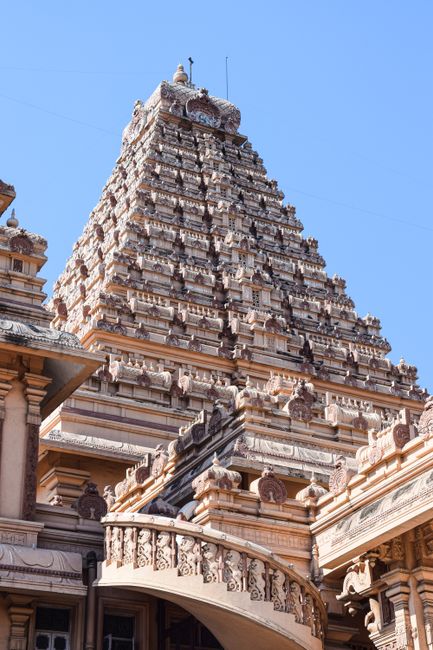
On your final day, you travel from Kumbakonam to Tanjore (Thanjavur), a journey of about 1-2 hours. Tanjore is home to the “Great Living Chola Temple,” the Brihadeeswarar Temple, a UNESCO World Heritage Site and the crowning achievement of Chola architecture.
Built by the great emperor Rajaraja Chola I over a thousand years ago, the temple is a testament to engineering and artistic genius. The main vimana soars to a height of 66 metres (216 feet) and is capped by a single block of granite weighing an estimated 80 tonnes. The sheer scale of the temple, the monolithic Nandi statue, and the intricate carvings will leave you speechless. It is a living temple, and witnessing the daily rituals is a powerful experience.
After exploring the temple, visit the Thanjavur Royal Palace Museum. The palace complex, built by the Nayak and Maratha rulers, houses an impressive collection of art, manuscripts, and royal artifacts. Don’t miss the Saraswati Mahal Library, one of the oldest libraries in Asia, which holds a priceless collection of over 30,000 palm-leaf and paper manuscripts.
From Tanjore, you will transfer to Trichy Airport (TRZ) for your departure, carrying with you the memories of a journey through time, art, and spirituality. Reflect on your incredible cultural journey and carry the spirit of Tamil Nadu with you.
Conclusion
Your 6-day cultural circuit through Tamil Nadu’s temples has been a journey not just through space, but through time and spirit. From the bustling streets of Chennai to the serene sanctity of Tiruvannamalai, each stop has offered a unique glimpse into the rich tapestry of Tamil Nadu’s history, art, and spirituality. The towering gopurams, intricate carvings, and vibrant rituals have not only showcased the architectural brilliance of the Dravidian style but have also provided a deeper understanding of the cultural and religious ethos that has shaped this region for millennia.
As you reflect on this journey, consider the profound impact of these sacred spaces, not just as historical monuments, but as living centres of faith and community. The temples of Tamil Nadu are a testament to the enduring legacy of devotion and artistry, inviting visitors to explore, learn, and find inspiration.
We hope this itinerary has enriched your understanding and appreciation of Tamil Nadu’s cultural heritage. As you return home, may the memories of this journey inspire you to explore further and delve deeper into the world’s diverse cultural landscapes. Share your experiences, and let others know about the wonders of Tamil Nadu. We invite you to leave your thoughts and suggestions in the comments below, and to continue exploring the rich cultural heritage of India and beyond.