Best Places to See Cherry Blossoms in Northeast India
While Japan’s sakura season famously draws crowds from across the globe, a lesser-known yet equally magical spectacle unfolds each autumn in the rolling hills and verdant valleys of Northeast India. Here, the Himalayan Cherry Blossom, or Prunus cerasoides, bursts into a breathtaking display of soft pink and white, transforming landscapes into ethereal dreamscapes. This natural event is not just a visual feast; it is deeply woven into the cultural fabric of the region, heralding a time of celebration and renewal. In recent years, the world has begun to take notice, and cherry blossom tourism is blossoming into a significant draw for this enchanting corner of the country.
This guide is your comprehensive companion to experiencing this phenomenon. We will journey through the most celebrated destinations and uncover hidden gems, from the bustling festival streets of Shillong to the serene, mystical forests of Mawphlang and the adventurous trekking trails of Dzükou Valley. Prepare to be captivated by the delicate beauty of these blooms and the rich cultural tapestry that surrounds them. Read on to discover the best places to witness the cherry blossoms of Northeast India and plan an unforgettable journey into the heart of this floral paradise.
Shillong, Meghalaya: The Abode of Clouds Adorned in Pink
Shillong, the capital of Meghalaya, stands as the undisputed epicentre of cherry blossom tourism in Northeast India. Known as the “Scotland of the East,” this charming hill station offers a well-established infrastructure that makes it an accessible and comfortable base for your floral pilgrimage. During late October and November, the city sheds its monsoon green for a delicate blush of pink, as thousands of cherry trees lining its streets, parks, and lakesides come into full bloom.
The experience in Shillong is one of complete immersion. The most iconic viewing spots include:
- Ward’s Lake: A colonial-era lake surrounded by lush gardens, where the reflection of pink-laden branches shimmers on the water’s surface. A stroll along its cobblestone paths or a gentle boat ride offers picture-perfect moments.
- Lady Hydari Park: This Japanese-style garden becomes a canvas of pink during the season. Its manicured lawns and willow trees are complemented by dense clusters of cherry blossoms, creating a serene and picturesque environment.
- Polo Ground: The roads surrounding this area are often flanked by blooming trees, creating stunning natural archways of pink.
The highlight of the season is the Shillong Cherry Blossom Festival, an annual event that has grown into an international attraction. Sanctioned by the Government of Meghalaya, this festival is a vibrant celebration of music, art, and culture set against the backdrop of the blossoms. Visitors can expect live music performances by international and local artists, traditional dance displays, food stalls offering local Khasi delicacies, and even literary events. For the most current dates and event schedules, it is always best to consult the official Meghalaya Tourism website.
The best time to visit Shillong for this spectacle is typically from the last week of October to the middle of November, though the exact timing can vary slightly each year depending on weather patterns. To make the most of your trip, consider staying in one of the city’s charming guesthouses or boutique hotels, many of which offer splendid views of the blooming city. From my own experience visiting Shillong, waking up to a view of the hillsides dotted with pink from the window of a cosy guesthouse in the Lachumiere area is a memory that stays with you long after you’ve left. The crisp autumn air and the festive atmosphere make it a truly magical time to be in the city. Start planning your trip now to ensure you don’t miss this incredible display.
Mawphlang Sacred Forest, Meghalaya: A Mystical Blossom Experience
Just an hour’s drive from the festive energy of Shillong lies a place where cherry blossoms take on a completely different character: the Mawphlang Sacred Forest. This is not a manicured park but an ancient, primeval woodland, protected for centuries by the local Khasi community as a sacred space. Visiting Mawphlang offers a unique opportunity to witness the delicate beauty of the blossoms amidst a backdrop of profound cultural and spiritual significance.
The forest is a dense grove of ancient trees, draped in moss and orchids, with stone monoliths standing as silent sentinels to forgotten rituals. When the cherry trees bloom on the fringes of this forest, the effect is breathtaking. The soft, ephemeral pink of the blossoms creates a stunning contrast with the dark, gnarled trunks and deep green canopy of the sacred grove. It’s a sight that feels both wild and deeply spiritual.
A visit to the Mawphlang Sacred Forest requires respect and mindfulness. It is a sacred site, and visitors are expected to adhere to certain rules, which a local guide will explain. The most important rule is that nothing—not even a leaf or a stone—can be taken out of the forest. Hiring a registered local Khasi guide at the entrance is mandatory and highly recommended. They not only ensure you navigate the forest respectfully but also enrich the experience by sharing the fascinating legends and folklore associated with the grove. They will tell you tales of the forest deity, U Ryngkew U Basa, and the belief that the forest protects the community as long as it is revered.
Combining a trip to Mawphlang with other nearby attractions is an excellent way to spend a day. The Khasi Heritage Village, located adjacent to the forest entrance, offers insights into the traditional architecture and lifestyle of the Khasi people. For those seeking more natural beauty, the drive to Mawphlang itself is scenic, and nearby viewpoints offer panoramic vistas of the surrounding hills. To truly connect with the spirit of this place, book a guided tour of Mawphlang Sacred Forest and allow yourself to be transported to a world where nature and spirituality are inextricably linked.
Imphal, Manipur: A Valley of Blossoms
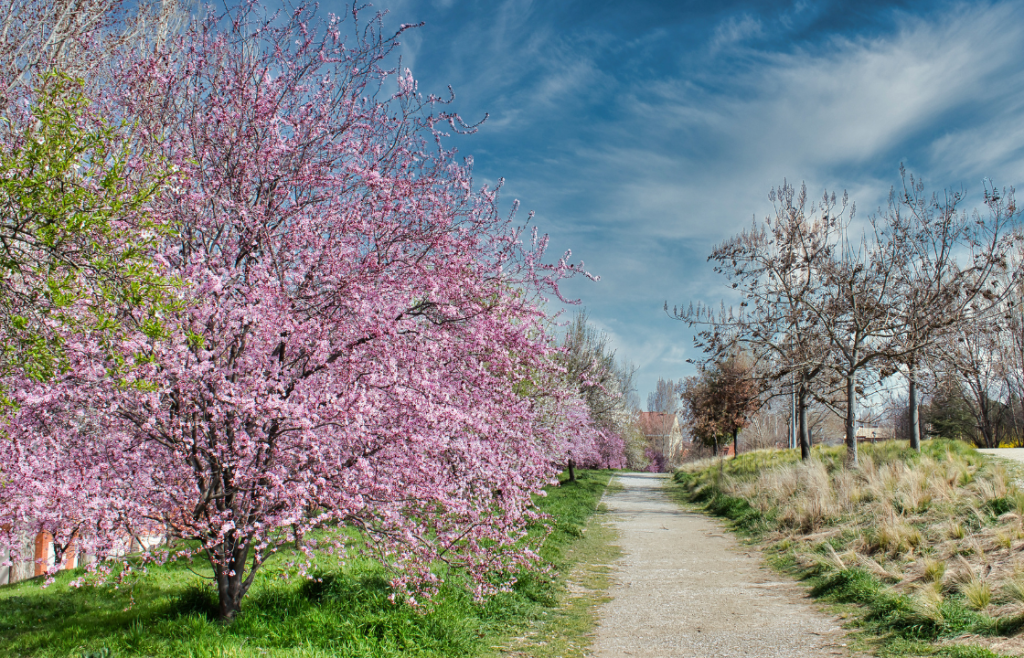
For travellers looking to venture beyond the more established trail in Meghalaya, Imphal, the capital of Manipur, offers a wonderfully rewarding and less-crowded cherry blossom experience. Nestled in a lush valley, this city is a treasure trove of history and culture, and during the autumn months, it too is graced with the delicate pink hues of Prunus cerasoides.
Unlike Shillong’s more concentrated displays, Imphal’s cherry blossoms are often found scattered across the landscape, adding a touch of unexpected beauty to various sites. Key locations to seek them out include the areas around Sendra Park on the shores of the magnificent Loktak Lake and within the serene grounds of the Imphal War Cemetery, where the blossoms offer a poignant tribute to fallen soldiers. The journey to these spots is part of the charm, taking you through the vibrant Manipuri countryside.
While Manipur doesn’t have a dedicated cherry blossom festival like Shillong’s, a visit during this season can sometimes coincide with other significant cultural events, such as the famous Shirui Lily Festival (though this is typically held earlier in the year, dates can vary) or the Sangai Festival, which usually takes place in late November. The Sangai Festival is a grand celebration of Manipuri culture, showcasing everything from its classical dance and martial arts to its indigenous sports and culinary arts. Checking the official Manipur Tourism website for festival dates can help you plan a trip that combines floral beauty with deep cultural immersion.
The best time to visit Imphal for cherry blossoms aligns with Shillong’s season, from late October to November. I recall a trip where I was exploring the floating phumdis (heterogeneous masses of vegetation, soil, and organic matter) of Loktak Lake. Looking back towards the shore, the sight of distant hillsides tinged with pink was an unexpected delight. It’s this element of surprise that makes the Manipuri experience so special. While you are there, don’t miss the opportunity to explore the Ima Keithel (Mother’s Market), one of the world’s largest all-women markets, or the ancient Kangla Fort. Immerse yourself in the culture of Manipur and let the cherry blossoms be the beautiful, serene backdrop to your adventure.
Dzükou Valley, Nagaland/Manipur: A Trek Through Blossom Paradise
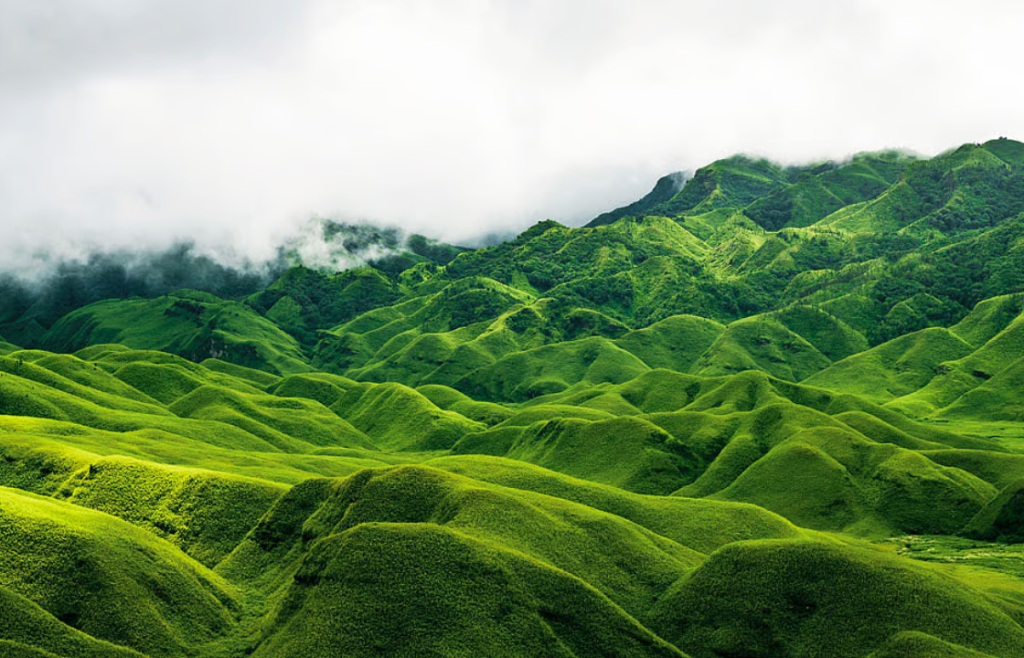
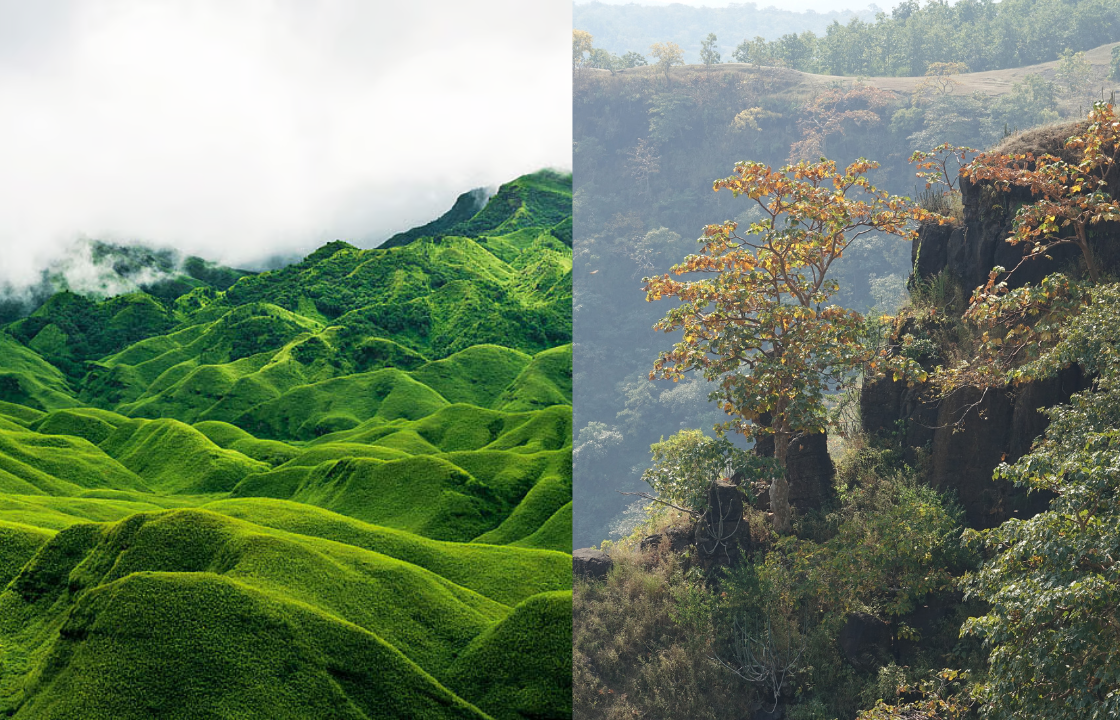
For the adventurous soul who prefers to earn their views, the Dzükou Valley is an unparalleled destination. Straddling the border of Nagaland and Manipur, this breathtaking valley is famed for its rolling, treeless hills and its vibrant carpet of seasonal flowers. While it’s most famous for the rare Dzükou Lily that blooms in the monsoon, the post-monsoon season from October to November offers a different kind of magic: the sight of wild cherry blossoms painting the valley’s slopes in shades of pink.
This is not a destination for casual sightseeing; it is a trekker’s paradise. The journey into the valley is an adventure in itself, involving a steep climb that rewards you with some of the most spectacular panoramic views in Northeast India. The cherry blossoms here are not cultivated in parks but grow wild, dotting the landscape and lining the trekking paths. Seeing them against the backdrop of the valley’s unique, undulating terrain is an experience that feels raw, remote, and utterly unforgettable.
Planning a trek to Dzükou Valley requires careful preparation. You will need to obtain permits, which can be arranged in Kohima (Nagaland) or through a registered tour operator. Hiring a local guide is essential for safety and navigation. Accommodation within the valley is basic, consisting of a simple trekker’s hut with dormitory-style lodging and a communal kitchen. Information on permits and registered guides can often be found on the official Nagaland Tourism website.
The best time to undertake this trek for cherry blossoms is from late October through November, when the weather is generally clear and the paths are more accessible than during the monsoon. Essential packing for this trip includes:
- Sturdy, waterproof trekking boots with good grip.
- Layered clothing, including warm jackets, as temperatures can drop significantly at night.
- A reliable raincoat, as mountain weather is unpredictable.
- A personal sleeping bag for comfort and warmth.
- A torch, first-aid kit, and sufficient water and snacks.
The trek is challenging but immensely rewarding. Standing on a ridge, looking out over the vast expanse of the valley with clusters of pink cherry blossoms below, is a moment of pure, unadulterated natural beauty. Embark on an unforgettable adventure and discover the wild heart of the cherry blossom country in Dzükou Valley.
Aizawl, Mizoram: Blossoms with a View
As cherry blossom tourism gains popularity, new destinations are emerging from the shadows, and Aizawl, the vibrant capital of Mizoram, is one of the most promising. Perched on a series of steep ridges, Aizawl offers a unique urban landscape where panoramic views are a part of daily life. In the autumn, these dramatic cityscapes are softened by the appearance of cherry blossoms, making it a fantastic off-the-beaten-path choice for blossom enthusiasts.
The cherry trees in Aizawl can be found dotted throughout the city and in its surrounding hills. A visit to Reiek Tlang, a nearby mountain peak and heritage village, is a must. The drive and hike up to the peak can be lined with blooming trees, and the summit offers a stunning 360-degree view of the surrounding hills and valleys, with the blossoms adding a splash of colour to the foreground. The Durtlang Hills, which offer another spectacular viewpoint over the city, are also a great place to spot the blooms.
A trip to Aizawl is also an opportunity to immerse yourself in the rich Mizo culture. The city is known for its strong community spirit, its thriving music scene, and its delicious cuisine. Be sure to try local dishes like bai (a stew of pork and vegetables) and vawksa rep (smoked pork). Exploring the city’s main market, Bara Bazar, is a vibrant experience, offering a glimpse into the local way of life.
The best time to visit Aizawl for cherry blossoms is, similar to other parts of the region, from late October to November. For those looking to extend their trip, Mizoram offers a wealth of natural beauty to explore, from the deep blue waters of Palak Dil lake to the biodiversity of Phawngpui National Park, also known as the ‘Blue Mountain’. As a relatively new destination on the cherry blossom map, Aizawl provides a sense of discovery and authenticity. Uncover the hidden gems of this beautiful city and the warm hospitality of the Mizo people.
Tips for Planning Your Cherry Blossom Trip in Northeast India
A trip to Northeast India is an adventure, and a little planning goes a long way in ensuring a smooth and enjoyable experience. The region’s topography and unique administrative requirements mean you need to be prepared. Here are some essential tips for planning your cherry blossom tour.
- Book in Advance: The cherry blossom season, particularly in popular destinations like Shillong, is a peak tourist period. Accommodations and flights can get booked up quickly. It is highly advisable to book your travel and lodging at least 2-3 months in advance to secure the best options and prices.
- Obtain Necessary Permits: Several states in Northeast India are designated as protected areas, requiring domestic and international tourists to obtain special permits.
- Inner Line Permit (ILP): Required for Indian citizens to enter Nagaland, Mizoram, and Manipur. These can be applied for online through the respective state government portals or at designated offices in major cities like Delhi, Kolkata, and Guwahati.
- Protected Area Permit (PAP): Required for foreign nationals for some areas. Always check the latest regulations before you travel.
- Pack for Variable Weather: The weather in the hills during autumn can be unpredictable. Days can be pleasantly sunny and warm, while evenings and nights can get quite cold. Pack layered clothing, including light sweaters, a warm jacket, and a scarf. A waterproof jacket or umbrella is also a wise addition, as brief showers are always a possibility. Comfortable walking shoes are non-negotiable.
- Respect Local Cultures: Northeast India is home to a diverse array of indigenous communities, each with its own unique customs and traditions. Be a mindful traveller. Dress modestly, especially when visiting religious sites or rural villages. Always ask for permission before taking photographs of people. Learn a few basic greetings in the local language; a simple “hello” or “thank you” can go a long way in building a friendly rapport.
- Hire Local Guides: For destinations like Mawphlang Sacred Forest or treks like Dzükou Valley, hiring a local guide is often mandatory and always beneficial. They provide invaluable knowledge about the local flora, fauna, history, and culture, ensuring a much richer and safer experience.
By keeping these tips in mind, you can ensure your journey is not only breathtakingly beautiful but also respectful and responsible. Travel responsibly and respectfully, and you will be rewarded with the warm hospitality and incredible beauty of Northeast India.
Conclusion
From the festive, accessible beauty of Shillong to the wild, adventurous spirit of Dzükou Valley, Northeast India offers a cherry blossom experience for every kind of traveller. These are not just pretty flowers; they are a symbol of the region’s incredible natural wealth and rich cultural heritage. Witnessing the hills and valleys draped in delicate pink is a truly enchanting experience, creating memories that will last a lifetime.
Each destination offers a unique lens through which to view this natural spectacle: Shillong’s vibrant festival atmosphere, Mawphlang’s mystical spirituality, Imphal’s cultural depth, Dzükou’s raw adventure, and Aizawl’s panoramic charm. The magic of the Himalayan Cherry Blossom lies not only in its visual appeal but in the incredible journeys it inspires.
So, as autumn approaches, consider looking east. Plan your trip, pack your bags, and prepare to be captivated by the ephemeral, breathtaking beauty of Northeast India in full bloom. The hills are calling, and they are adorned in pink.
Share your cherry blossom adventures and photos with us in the comments below! We would love to hear about your experiences.
References
- Meghalaya Tourism. (n.d.). Shillong Cherry Blossom Festival. Retrieved from https://www.meghalayatourism.in/
- Manipur Tourism. (n.d.). Festivals of Manipur. Retrieved from http://manipurtourism.gov.in/
- Nagaland Tourism. (n.d.). Trekking in Nagaland. Retrieved from https://tourism.nagaland.gov.in/