7 Charming Small Towns in South India for Slow Travel

In a world that often feels like it’s moving at breakneck speed, the concept of slow travel has emerged as a welcome antidote. It’s a philosophy that encourages travellers to connect more deeply with a place, its people, and its culture, rather than rushing through a checklist of sights. Slow travel is about immersion, not just observation. It’s about savouring moments, embracing spontaneity, and allowing a destination to reveal its secrets at its own unhurried pace.
South India, with its tapestry of lush landscapes, ancient traditions, and serene backwaters, is a region that seems tailor-made for this mindful approach to exploration. Beyond the bustling metropolises lie hidden gems, small towns brimming with character, history, and a tranquil charm that invites you to linger. This article is your guide to seven enchanting cities, from the tea-scented hills of Tamil Nadu to the historic coastal enclaves of Kerala. We will journey through Coonoor, Fort Kochi, Hampi, Pondicherry, Madurai, Alleppey, and Mysore, uncovering the unique experiences that make each a perfect destination for the discerning slow traveller. Prepare to be inspired to trade the frantic for the peaceful and embark on a journey that nourishes the soul.
Coonoor, Tamil Nadu: A Tea Lover’s Paradise
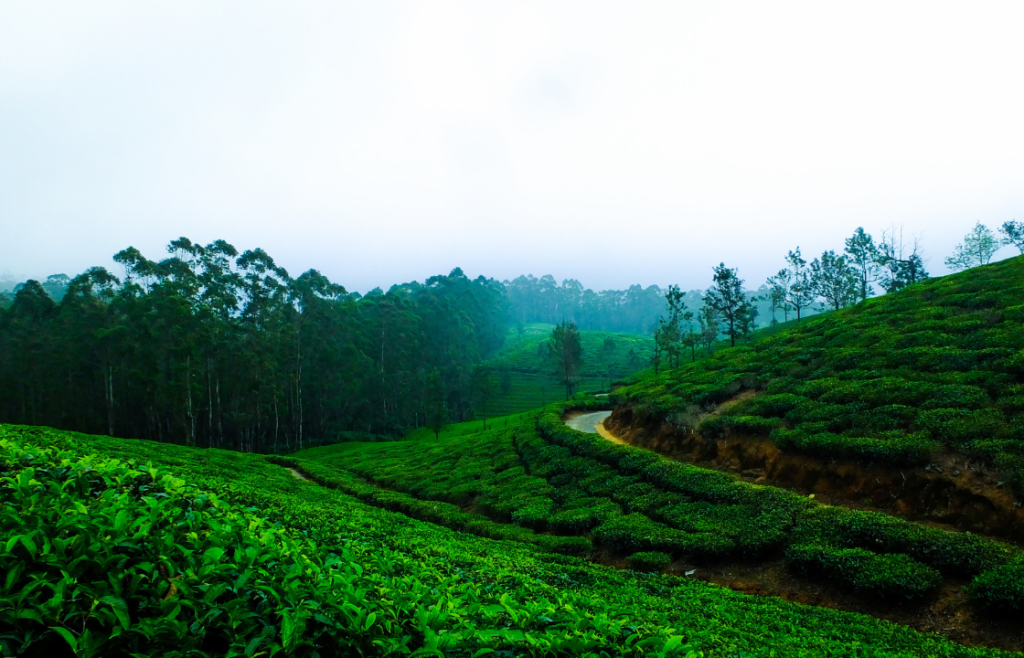
Nestled in the Nilgiri Hills, Coonoor is often seen as the quieter, more reserved sibling of the bustling hill station of Ooty. This is precisely where its charm lies. For the slow traveller, Coonoor offers a refreshing escape into a world painted in fifty shades of green, where the air is fragrant with the scent of eucalyptus and freshly plucked tea leaves. It’s a place to unwind, breathe deeply, and immerse yourself in the gentle rhythms of plantation life.
The heart and soul of Coonoor are its sprawling tea estates. These meticulously manicured gardens cascade down the hillsides, creating a breathtakingly beautiful landscape. A slow journey here is incomplete without delving into the world of tea. Many estates welcome visitors, offering guided tours that walk you through the entire process, from the delicate art of plucking the leaves to the final stages of processing. One of the most renowned is the Highfield Tea Factory, where you can not only witness the manufacturing process but also sample a variety of aromatic brews. From my own experience, standing amidst the vibrant green bushes, watching the skilled workers, and then sipping a cup of freshly brewed Nilgiri tea is a profoundly sensory experience that connects you directly to the land.
Beyond the tea gardens, Coonoor’s natural beauty continues to unfold. Sim’s Park, a beautifully maintained botanical garden established in the 19th century, is a testament to the region’s rich biodiversity. It’s more than just a park; it’s a living library of plants, with over a thousand species of trees, shrubs, and flowers. Winding pathways lead you through manicured lawns, rare trees, and vibrant flowerbeds, making it a perfect spot for a leisurely afternoon stroll. The park is typically open from 9:00 AM to 6:00 PM, and the modest entry fee is well worth the hours of tranquillity it offers.
For those seeking panoramic vistas, a drive to Lamb’s Rock and Dolphin’s Nose is essential. These viewpoints offer stunning, uninterrupted views of the surrounding valleys and the distant plains of Coimbatore. The best time to visit is early in the morning when the mist clears, revealing a dramatic and expansive landscape. The view from Dolphin’s Nose, which overlooks the magnificent Catherine Falls, is particularly spectacular and serves as a powerful reminder of nature’s grandeur.
To truly embrace the slow travel ethos in Coonoor, consider staying in one of the many heritage bungalows or colonial-era guesthouses. These properties, often set within tea estates, offer an authentic and immersive experience, allowing you to wake up to the sounds of nature and enjoy the old-world charm that defines this hill station. Why not book a tea tasting tour during your stay? Many local operators and estates offer curated experiences that provide a deep dive into the region’s most famous export.
Fort Kochi, Kerala: A Blend of Cultures and History
Fort Kochi is not just a destination; it’s a living museum, a coastal town where centuries of history whisper from every corner. Situated on the Malabar Coast, this enchanting enclave has been a magnet for traders and explorers for over 600 years, resulting in a rich cultural mosaic woven with threads of Dutch, Portuguese, British, and Jewish influences. To travel slowly here is to peel back these layers of history, one cobblestoned street at a time.
The most enduring image of Fort Kochi is undoubtedly the Chinese fishing nets, or Cheenavala. These massive, cantilevered structures, believed to have been introduced by Chinese traders in the 14th century, line the shore and create a mesmerising silhouette against the setting sun. Watching the local fishermen work these intricate contraptions, a coordinated effort of balance and strength, is a captivating sight. For a small fee, they will often let you try your hand at lowering the giant net into the water, offering a tangible connection to a tradition that has endured for centuries.
A short walk from the shore takes you into the heart of historic Fort Kochi. Here, you’ll find the Mattancherry Palace, also known as the Dutch Palace. Gifted to the Raja of Kochi by the Portuguese in 1555 and later renovated by the Dutch, the palace is a treasure trove of art and history. Its unassuming exterior belies the stunning murals that adorn its walls, depicting scenes from the Hindu epic, the Ramayana, in vivid detail. You can find more information on visiting hours on the official Kerala Tourism website.
For an unforgettable cultural immersion, an evening spent watching a Kathakali performance is a must. This classical Indian dance-drama is known for its elaborate costumes, intricate makeup, and expressive storytelling. Many local cultural centres, such as the Kerala Kathakali Centre, allow you to arrive early to witness the fascinating and painstaking process of the actors applying their makeup, which is a performance in itself.
The town’s multicultural heritage is further exemplified by Jew Town and the historic Paradesi Synagogue. Built in 1568, it is the oldest active synagogue in the Commonwealth. Its interior is a beautiful blend of hand-painted Chinese tiles, Belgian chandeliers, and historical artefacts that tell the story of Kochi’s once-thriving Jewish community. Exploring the surrounding streets, with their antique shops and spice warehouses, feels like stepping back in time. To truly appreciate the depth of this town’s history, consider attending a Kathakali performance. Be sure to book your tickets in advance, especially during peak season, to secure a seat for this mesmerising art form.
Hampi, Karnataka: A UNESCO World Heritage Site

To visit Hampi is to step into a vast, open-air museum set amidst a landscape of surreal beauty. Strewn across a dramatic terrain of granite boulders and lush palm groves, the ruins of the great Vijayanagara Empire stand as a silent testament to a bygone era of immense power and artistic achievement. Designated a UNESCO World Heritage Site, Hampi is a destination that demands to be explored slowly, allowing its stories and secrets to emerge from the ancient stones.
The spiritual heart of Hampi is the magnificent Virupaksha Temple, one of the oldest and most important temples in the complex. Its towering gopuram (gateway) dominates the landscape and has been a continuous centre of worship since the 7th century. As you wander through its courtyards, you can feel the weight of centuries of devotion. Don’t miss the chance to receive a blessing from Lakshmi, the temple elephant. From my own experience exploring Hampi, the sheer scale and intricate detail of the ruins are overwhelming in the best possible way. Taking the time to sit quietly within a temple complex or atop a boulder at sunset allows you to connect with the profound history of the place on a much deeper level.
Adjacent to the temple lies the once-thriving Hampi Bazaar, a long street that was once a bustling marketplace where merchants from around the world traded in gems, silks, and spices. Today, it’s a more modest affair, but its vibrant atmosphere persists, with small shops selling souvenirs, clothing, and jewellery. It’s a great place to soak in the local culture and imagine the grandeur of its past.
Perhaps the most iconic symbol of Hampi’s artistic prowess is the Vittala Temple. This sprawling complex is renowned for its extraordinary stone chariot, a beautifully carved shrine dedicated to Garuda, and its “musical pillars,” which are said to produce musical notes when tapped. The level of craftsmanship on display here is simply breathtaking and showcases the zenith of Vijayanagara architecture.
Another fascinating area to explore is the Zenana Enclosure, a fortified section that was once the private quarters of the royal women. Within this enclosure lies the stunning Lotus Mahal, a delicate and symmetrical structure that blends Hindu and Islamic architectural styles. Its elegant arches and domed ceilings make it one of the most photographed and beloved structures in Hampi. To make the most of your exploration of this vast site, I highly recommend you hire a local guide. Their knowledge and stories will bring the ruins to life in a way that a guidebook simply cannot.
Pondicherry, Puducherry: A French Colonial Gem

A world away from the ancient temple towns of Tamil Nadu, Pondicherry (or Puducherry) offers a unique slice of French culture on the shores of the Bay of Bengal. This former French colony retains a distinct Gallic charm, evident in its colonial architecture, tree-lined boulevards, and chic boutiques. It’s a town that encourages leisurely strolls, café hopping, and a gentle pace of life, making it an ideal destination for the slow traveller.
The heart of Pondicherry’s French legacy is the French Quarter, also known as White Town. As you wander through its quiet streets, you’ll be transported to a different time and place. The area is characterised by its beautiful colonial villas, painted in pastel shades of yellow, pink, and blue, with bougainvillaea-draped walls and arched gateways. Many of these historic buildings have been converted into charming guesthouses, art galleries, and restaurants, offering plenty of opportunities to soak in the atmosphere.
Pondicherry is also a major centre for spirituality, largely due to the presence of the Sri Aurobindo Ashram. Founded in 1926 by the philosopher Sri Aurobindo and his spiritual collaborator, “The Mother,” the ashram is a place of peace and meditation that attracts followers from all over the world. Visitors are welcome to visit the main ashram building to pay their respects at the Samadhi (shrine) and experience the profound sense of calm that pervades the space.
For a relaxing evening, a stroll along Promenade Beach is a must. This 1.5-kilometre stretch of coastline is a popular gathering spot for locals and tourists alike. The road along the beach is closed to traffic in the evenings, transforming it into a pedestrian-only haven where you can enjoy the sea breeze and watch the waves crash against the shore.
Just a few kilometres outside the town lies Auroville, an experimental township dedicated to the ideal of human unity. Founded in 1968, it is a fascinating community where people from diverse cultures and backgrounds live and work together. At its centre is the Matrimandir, a magnificent golden sphere that serves as a place for silent concentration. While access to the inner chamber is restricted, visitors can obtain a pass to visit the Matrimandir Viewing Point and learn more about Auroville’s unique philosophy at the Visitors’ Centre. I encourage you to take the time to visit Auroville and learn about its inspiring vision for a more harmonious world; consider joining a guided tour to gain a deeper understanding of this remarkable project.
Madurai, Tamil Nadu: The Temple City

Madurai is one of the oldest continuously inhabited cities in the world, a bustling metropolis that has been a centre of Tamil culture and learning for over two millennia. While it may seem overwhelming at first, at its heart lies a profound spiritual energy and a rich cultural heritage that rewards the slow traveller. The city’s lifeblood flows from its magnificent temple, a place of vibrant devotion and architectural splendour.
The epicentre of Madurai is the breathtaking Meenakshi Amman Temple. This colossal temple complex, dedicated to the goddess Meenakshi and her consort Sundareswarar, is a masterpiece of Dravidian architecture. Its fourteen towering gopurams are covered in a riot of colourful, intricately carved figures of gods, goddesses, and mythical creatures. Spending a few hours, or even a full day, exploring its vast halls, shrines, and courtyards is an immersive experience. The Hall of a Thousand Pillars is a particular highlight, with each pillar exquisitely carved and seemingly unique. My personal experience of visiting the temple during the evening ceremony, a procession filled with music, incense, and chanting, was incredibly powerful and offered a deep insight into the living faith that animates this sacred space.
Beyond the temple, Madurai’s royal past is evident at the Thirumalai Nayakkar Mahal. Built in the 17th century, this grand palace is a stunning example of Indo-Saracenic architecture. Although only a portion of the original structure remains, its massive pillars and beautifully decorated arches and domes give you a sense of its former glory. The palace hosts a spectacular sound and light show in the evenings, which narrates the story of the Nayak dynasty.
To truly experience the pulse of Madurai, you must dive into its bustling local markets. The streets surrounding the Meenakshi Temple are a sensory overload in the best possible way, filled with shops selling everything from colourful textiles and temple offerings to spices and handicrafts. It’s a fantastic place to wander, observe daily life, and perhaps practice your bargaining skills.
No visit to Madurai is complete without indulging in its legendary cuisine. The city is a paradise for food lovers, famous for its street food and traditional dishes. You must try Jigarthanda, a rich and refreshing local drink made with milk, almond gum, and ice cream. It’s the perfect way to cool down after a day of exploring. I urge you to be adventurous and try the local cuisine; from fluffy idlis to spicy Chettinad curries, Madurai offers a culinary journey that is as rich and vibrant as its history.
Alleppey (Alappuzha), Kerala: Backwater Bliss

Alleppey, officially known as Alappuzha, is the gateway to the famous backwaters of Kerala—a serene network of lakes, canals, and lagoons that stretches along the Malabar Coast. This is the epitome of slow travel, a place where the journey itself is the destination. Life here moves at the pace of a gently gliding houseboat, offering a unique opportunity to disconnect from the modern world and immerse yourself in the tranquil beauty of nature.
The quintessential Alleppey experience is, of course, a stay on a houseboat, or kettuvallam. These traditional rice barges have been converted into floating hotels, complete with comfortable bedrooms, modern bathrooms, and a dedicated crew, including a chef who prepares delicious Keralan meals on board. Drifting along the palm-fringed waterways, you’ll witness the rhythms of village life: children playing by the water’s edge, fishermen casting their nets, and locals going about their day in canoes. It’s a deeply relaxing and meditative experience, allowing you to simply watch the world go by from the comfort of your private deck.
While the backwaters are the main attraction, Alleppey also has a rich cultural heritage. The town is famous for the Nehru Trophy Boat Race, a spectacular event held on the Punnamada Lake on the second Saturday of August every year. This thrilling race features massive snake boats, or chundan vallams, powered by over a hundred oarsmen, competing for the coveted trophy. The energy and excitement of the event are infectious and offer a vibrant contrast to the usual tranquillity of the backwaters. You can find more details on the local tourism websites.
For a change of scenery, head to Alleppey Beach. With its long pier extending into the sea and an old lighthouse standing as a silent sentinel, the beach has a rustic charm. It’s a lovely spot for a leisurely evening walk, offering beautiful sunset views over the Arabian Sea.
To gain a deeper understanding of the local way of life, consider taking a smaller canoe or shikara tour through the narrower canals that are inaccessible to the larger houseboats. This allows you to explore the smaller villages and interact more closely with the local communities. When visiting, it’s important to practice responsible tourism by respecting the local environment and culture. To fully embrace the magic of this region, I highly recommend you book a houseboat stay. To ensure availability, especially during the peak season from November to February, it’s wise to book well in advance.
Mysore, Karnataka: The City of Palaces

Mysore, or Mysuru, is a city steeped in royal heritage and grandeur. As the former capital of the Kingdom of Mysore, it exudes an old-world charm, with its magnificent palaces, sprawling gardens, and vibrant markets. It’s a city that manages to be both stately and relaxed, making it a wonderful destination for a slow-paced exploration of South India’s royal history.
The undisputed crown jewel of the city is the magnificent Mysore Palace (Amba Vilas Palace). This opulent structure, a stunning example of Indo-Saracenic architecture, was the official residence of the Wodeyar dynasty. Its interior is a lavish spectacle of stained-glass windows, carved wooden doors, and mosaic floors. A walk through its grand halls, including the Durbar Hall and the Kalyana Mantapa (Marriage Pavilion), offers a glimpse into the extravagant lifestyle of the erstwhile royals. My personal experience of visiting the palace was truly awe-inspiring, but the most magical moment is seeing it illuminated on Sunday evenings and public holidays, when nearly 100,000 light bulbs transform the palace into a glittering golden spectacle.
Perched atop a hill overlooking the city is the Chamundeshwari Temple on Chamundi Hills. A climb of 1,000 steps (or a short drive) takes you to this important pilgrimage site, dedicated to the patron goddess of the Mysore royal family. The temple itself is a beautiful example of Dravidian architecture, and the summit offers breathtaking panoramic views of Mysore and its surroundings.
For a peaceful retreat, head to the Brindavan Gardens. Located just outside the city, these sprawling terraced gardens are famous for their symmetrical design and vibrant flowerbeds. The main attraction is the musical fountain show, which takes place every evening. As water dances in time to music and colourful lights, it creates a delightful and enchanting spectacle. You can check the local tourism website for the latest show timings.
No visit to Mysore would be complete without a sensory journey through the Devaraja Market. This traditional market is a riot of colour, sound, and scent. You can wander through its narrow lanes, browsing stalls piled high with fresh flowers, fragrant spices, conical mounds of kumkum (coloured powder), and local handicrafts. It’s a fantastic place to experience the vibrant daily life of the city and pick up some unique souvenirs. To witness the city’s royal splendour at its peak, I strongly encourage you to plan your visit to the Mysore Palace to coincide with the evening lighting ceremony it’s a truly unforgettable sight.
Conclusion
From the fragrant tea gardens of Coonoor to the royal grandeur of Mysore, South India offers a rich and diverse tapestry of experiences for the slow traveller. Each of these seven towns, Coonoor, Fort Kochi, Hampi, Pondicherry, Madurai, Alleppey, and Mysore, possesses a unique character and a timeless charm that invites you to slow down, connect, and immerse yourself in their world. They are places where history is not confined to museums but is alive in the streets, where culture is a vibrant, living tradition, and where nature’s beauty provides a serene backdrop for exploration.
Embracing slow travel in South India means allowing yourself the time to savour a cup of freshly brewed tea, to get lost in the stories etched into ancient stones, and to drift along tranquil backwaters with no particular destination in mind. It’s about choosing depth over distance, connection over checklists. By visiting these hidden gems, you not only discover the heart of a region but also rediscover a more mindful and rewarding way to travel.
We invite you to share your own experiences of slow travel in South India. Which small towns have captured your heart? What hidden gems have you discovered? Please leave your recommendations and stories in the comments below.