Digital Nomad Visa in India: What You Should Know

The concept of the digital nomad, a professional who leverages technology to work remotely from anywhere in the world, has transformed from a niche lifestyle into a global movement. This shift has been accelerated by advancements in connectivity and a growing desire for work-life integration. For many, India, with its kaleidoscope of cultures, breathtaking landscapes, and remarkably low cost of living, presents an almost irresistible allure. It offers a unique blend of ancient tradition and modern dynamism, making it a compelling destination for those looking to combine productive work with profound travel experiences.
However, navigating the practicalities of setting up a remote work base in India can be complex, particularly concerning visas. This article serves as a comprehensive guide to the current situation. We will demystify the visa landscape, explore the legal and practical considerations for remote workers, and look ahead to potential future developments. While India does not yet offer a specific “digital nomad visa,” this guide will provide the essential information you need to explore your options. Read on to discover how you can make your digital nomad dreams in India a reality.
Understanding the Current Visa Landscape in India
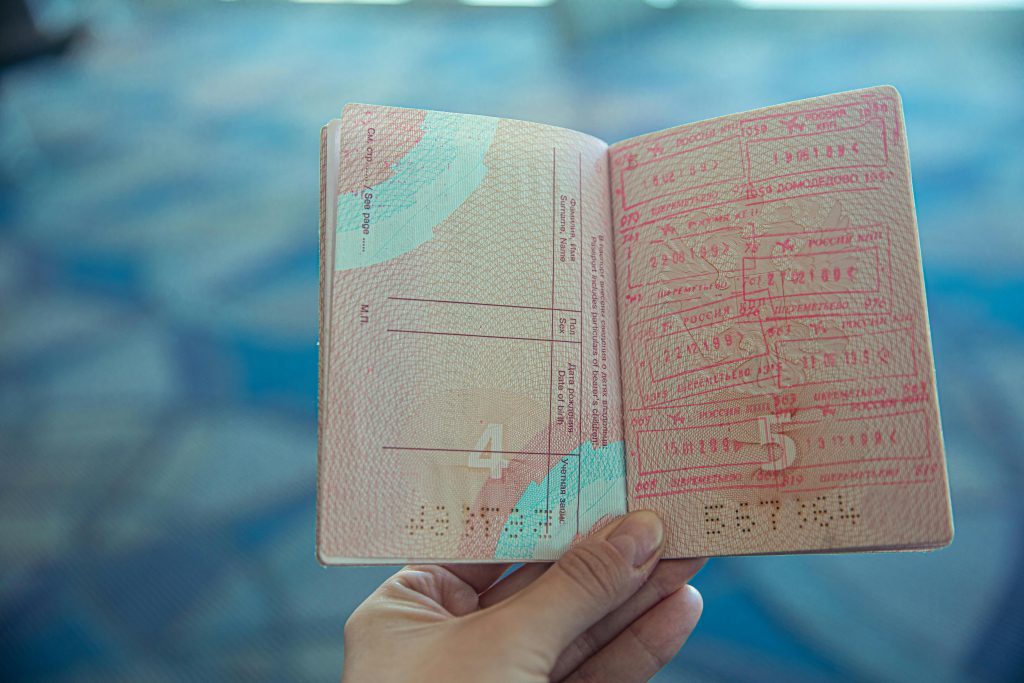
The most critical point to understand from the outset is that India does not currently have a dedicated visa category for digital nomads. This is a common point of confusion and misinformation. Aspiring remote workers must therefore navigate the existing visa framework, which was not designed with this modern work style in mind. The primary options available are the Tourist Visa and the Business Visa, each with significant limitations that must be carefully considered.
The Indian Tourist Visa is often the first port of call for short-term visitors. It is relatively easy to obtain, particularly with the advent of the e-Tourist Visa scheme, and allows for stays of varying durations. However, its purpose is strictly for tourism and recreation. The official guidelines from the Indian Bureau of Immigration are unequivocal: engaging in any form of employment or business activity while on a tourist visa is a direct violation of its terms. While checking a few work emails might go unnoticed, systematically working remotely for a foreign employer constitutes a breach of these regulations. The consequences can be severe, ranging from fines and deportation to being blacklisted from entering India in the future. Many nomads have anecdotally shared stories of being questioned by immigration officials about the nature of their visit and their source of funds, highlighting the risks involved in misrepresenting one’s intentions.
The Indian Business Visa, on the other hand, is designed for individuals visiting India for commercial purposes. This includes activities such as attending meetings, exploring business opportunities, or participating in conferences. The key distinction is that the work is typically related to establishing business ties with Indian entities, not performing day-to-day tasks for a foreign company. Whether remote work for an overseas employer falls under the permissible activities of a business visa is a legal grey area. It is not explicitly sanctioned, and interpretation can vary. Applying for a business visa requires more extensive documentation, often including a letter of invitation from an Indian company, which a typical digital nomad would not possess.
Other visa categories, such as the Employment Visa, are not applicable as they require the holder to be employed by a registered company in India. Therefore, the current framework leaves digital nomads in a precarious position, with no single visa perfectly aligning with their circumstances. Assess your situation carefully and choose the visa that aligns with your activities in India.
Navigating Visa Regulations and Compliance

Given the complexities of the Indian visa system, prioritising compliance is paramount for a stress-free and legally sound stay. The ambiguity surrounding remote work means that taking proactive steps to understand and adhere to the rules is not just advisable, but essential. The most prudent first step is to seek professional legal advice. Consulting with a qualified immigration lawyer based in India can provide invaluable clarity. They can offer guidance tailored to your specific situation, assess your eligibility for different visa types, and help you navigate the application process correctly, ensuring you do not inadvertently violate any regulations.
Beyond legal counsel, maintaining meticulous records of your activities in India is a wise practice. This includes keeping a detailed travel itinerary, proof of accommodation bookings, and any documentation related to permissible business activities, such as meeting schedules or conference registrations. Should you ever face scrutiny from immigration authorities, this documentation can serve as evidence that your primary purpose in the country aligns with the terms of your visa.
It is also crucial to be crystal clear about which activities are prohibited. On a tourist visa, this means refraining from any activity that could be construed as employment. This includes not only working for a foreign company but also engaging in any local freelance work for payment. On a business visa, the activities must align with the stated purpose of the visit. Violating these rules carries significant risks. The Indian government takes visa violations seriously, and penalties can include substantial fines, immediate deportation at your own expense, and a ban on re-entry for several years.
Finally, visa policies are not static; they can and do change. Staying informed is a continuous responsibility. Regularly check official government sources like the Ministry of Home Affairs website and the portal for Indian e-Visas for the latest updates. Subscribing to newsletters from reputable immigration law firms can also provide timely information on policy shifts. Prioritise compliance and seek expert advice to ensure a smooth stay in India.
The Digital Nomad Experience in India: Practical Considerations
Successfully navigating life as a digital nomad in India extends far beyond securing the right visa. It involves adapting to a new environment and planning for a range of practical considerations. The cost of living is a major draw, but it varies significantly across the country. Major metropolitan areas like Mumbai and Delhi are considerably more expensive than smaller cities like Jaipur or coastal towns in Goa and Kerala. A comfortable lifestyle, including accommodation, food, transport, and leisure, can be maintained on a fraction of what it would cost in the West, but budgeting according to your chosen location is key.
Internet connectivity, the lifeline of any digital nomad, has improved dramatically in India. Major cities boast reliable high-speed broadband and a plethora of cafes with Wi-Fi. Mobile data is incredibly affordable and extensive, with providers like Jio and Airtel offering widespread 4G and expanding 5G coverage. However, in more remote or mountainous regions, connectivity can be less reliable, a crucial factor to consider when planning your itinerary.
Accommodation options are diverse and cater to all budgets. You can find everything from luxury hotels and serviced apartments to budget-friendly guesthouses and homestays. Platforms like Airbnb and Booking.com are widely used, and for longer stays, local rental websites or co-living spaces can offer more community-oriented and cost-effective solutions.
Understanding and respecting local culture is fundamental to a positive experience. India is a mosaic of different religions, languages, and social customs. Dressing modestly, especially when visiting religious sites, being mindful of local etiquette, and showing respect for elders are important. Learning a few basic phrases in the local language, such as Hindi or the regional dialect, can go a long way in fostering goodwill.
Finally, while India is generally a safe country for travellers, it is wise to take standard precautions. Be aware of your surroundings, protect your personal belongings from petty theft, and be cautious of common scams. Access to healthcare is widely available, with high-quality private hospitals in major cities, but it is essential to have comprehensive travel and health insurance. Plan your stay meticulously to make the most of your digital nomad experience in India.
Potential Future Developments in Visa Policy
The global conversation around digital nomadism is evolving, and many countries are recognising the economic benefits of attracting this demographic. Nations from Estonia to Portugal have successfully launched dedicated digital nomad visas, attracting high-earning, location-independent professionals who contribute to the local economy without taking local jobs. This raises the question of whether India might follow suit.
The potential benefits for the Indian economy are substantial. A formal digital nomad visa could attract a steady stream of foreign currency, boost the tourism and hospitality sectors, and stimulate local economies in both urban and rural areas. It would also formalise the status of remote workers, bringing them into a legal framework that could include taxation, thereby generating revenue for the state.
However, creating such a visa presents challenges. The government would need to establish clear eligibility criteria, such as a minimum income threshold, proof of foreign employment, and health insurance coverage. Addressing the tax implications would be complex, requiring clear rules on whether nomads are liable for Indian income tax and for how long. Furthermore, ensuring compliance with local labour laws and preventing the visa from being misused would be critical considerations.
By looking at the models implemented by other countries, India could learn valuable lessons. Best practices include streamlined online application processes, clear guidelines on taxation, and defined rights and responsibilities for visa holders. While there has been no official announcement from the Indian government about a digital nomad visa, the growing global trend and the potential economic upside make it a plausible future development. As more professionals embrace this lifestyle, the demand for a clear legal pathway to work remotely from India will only increase. Join the movement and help shape the future of digital nomadism in India.
Resources for Digital Nomads in India
Embarking on a digital nomad journey in India can be made significantly smoother by tapping into the wealth of available resources and connecting with the established community. A number of online platforms and communities serve as invaluable hubs for information and support. Websites like Nomad List provide data on cost of living and internet speeds, while Facebook groups and Reddit forums such as r/digitalnomad are excellent for asking specific questions and connecting with fellow travellers on the ground.
For finding a place to live, international platforms like Airbnb and Booking.com are reliable for short-term stays. For longer-term arrangements, exploring local rental websites or joining city-specific expatriate and nomad groups on social media can yield better deals and more options. The co-working scene in India is also booming, especially in cities like Bangalore, Delhi, and Mumbai. Chains like WeWork and 91springboard, along with numerous independent spaces, offer excellent facilities and networking opportunities.
When it comes to the critical issue of visas, it is always best to consult official sources directly. The Indian Bureau of Immigration and the official e-Visa website are the definitive sources for regulations and application procedures. For personalised legal guidance, seeking out reputable immigration law firms in India is highly recommended. A simple online search for immigration lawyers in your city of arrival can provide a list of potential consultants.
Connecting with the community is perhaps the most valuable resource of all. Attending meetups, joining co-working spaces, and participating in online forums can provide you with practical tips, local insights, and a support network that can make all the difference in your journey. Tap into these resources and connect with fellow digital nomads in India.
Conclusion
Working as a digital nomad from India is an ambition filled with immense potential for personal and professional growth. The country offers an unparalleled depth of experience, from its vibrant cities to its serene landscapes. However, the path to achieving this dream is paved with complexities, primarily revolving around the current visa framework. As we have explored, India does not yet offer a dedicated digital nomad visa, forcing remote workers to navigate the fine lines of tourist and business visas, each with its own set of strict limitations.
The key takeaway is the paramount importance of compliance and due diligence. Misunderstanding or ignoring visa regulations can lead to serious legal consequences. Therefore, seeking professional legal advice from an Indian immigration expert is not just a recommendation but a necessity for anyone planning an extended remote work stay.