Wild Camping Spots in India for Nature Lovers
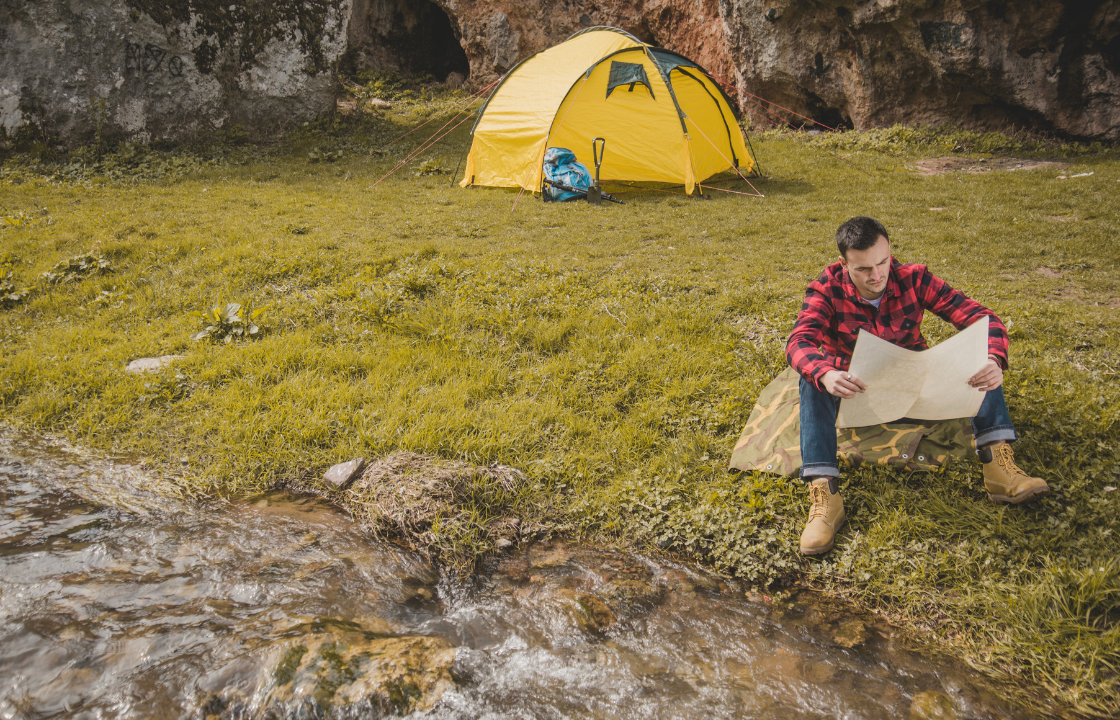
For the true nature lover, there is no greater joy than sleeping under a blanket of stars, far from the clamour of city life. Wild camping, setting up a tent in a non-designated, remote area, offers an unparalleled sense of freedom and a profound connection with the natural world. As more travellers in India seek sustainable and responsible ways to explore their backyard, the allure of wild camping has grown exponentially. India, with its staggering diversity of landscapes, from the snow-capped Himalayas to the sun-drenched beaches of the south, is a veritable playground for the adventurous soul.
This guide is your curated list of some of the most breathtaking wild camping spots across India. We will journey through majestic mountains, lush forests, arid deserts, and serene coastlines, providing you with the essential knowledge to embark on a safe, memorable, and, most importantly, responsible wild camping experience. Read on to discover how you can explore the untamed beauty of India while leaving nothing but footprints behind.
Understanding Wild Camping in India
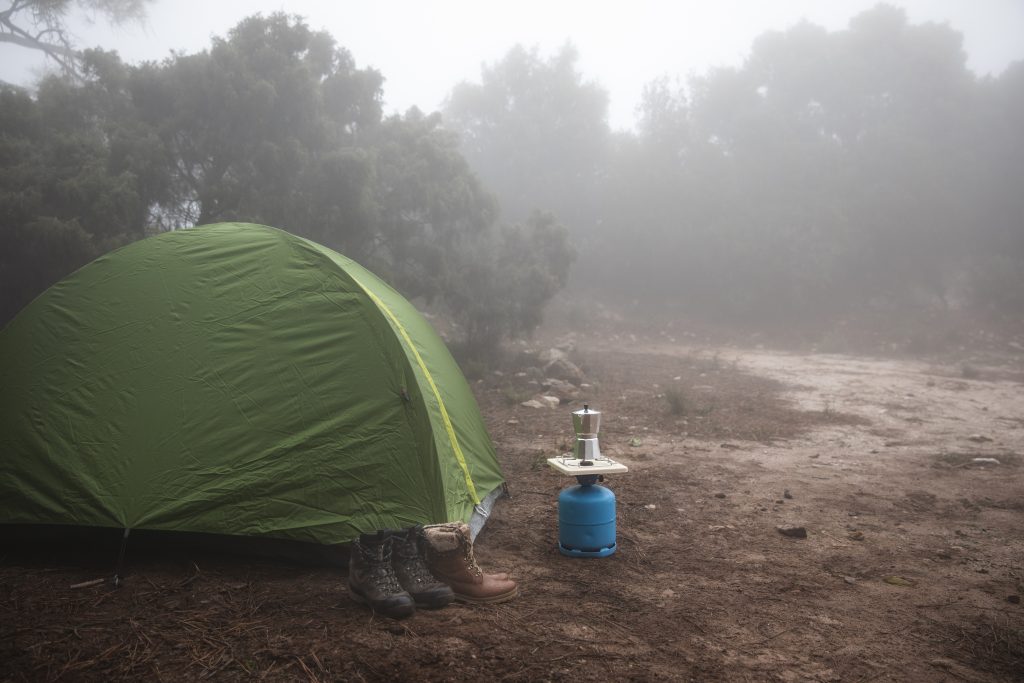
Wild camping in the Indian context is a far cry from staying at a commercial campsite with manicured lawns and modern facilities. It means venturing into the wilderness, being entirely self-sufficient, and choosing a spot based on its natural beauty and seclusion. However, this freedom comes with significant responsibility.
Legally, wild camping exists in a grey area in India. While not explicitly illegal in most non-protected areas, it is crucial to be aware of local regulations. Camping is strictly forbidden in national parks, wildlife sanctuaries, and reserve forests without explicit permission from the Forest Department. Always seek permission before camping on what might be private land, and respect the local customs and traditions of the communities you encounter.
The golden rule of wild camping is to adhere to the Leave No Trace (LNT) principles. These seven principles are the ethical backbone of responsible outdoor recreation:
- Plan Ahead and Prepare: Research your destination, check weather forecasts, and carry appropriate gear.
- Travel and Camp on Durable Surfaces: Stick to existing trails and campsites to avoid damaging vegetation.
- Dispose of Waste Properly: Pack it in, pack it out. This includes all food scraps, wrappers, and toilet paper.
- Leave What You Find: Let others enjoy the beauty of nature. Don’t take rocks, plants, or other natural objects.
- Minimise Campfire Impacts: Use a camping stove for cooking. If you must have a fire, use an existing fire ring and ensure it is completely extinguished.
- Respect Wildlife: Observe animals from a distance. Never feed them, as it can alter their natural behaviours and expose them to predators.
- Be Considerate of Other Visitors: Keep noise levels down and respect the solitude that others seek.
Safety is paramount. Always inform a reliable contact of your itinerary and expected return time. Carry a comprehensive first-aid kit, be prepared for sudden weather changes, and be aware of potential wildlife encounters.

Top Wild Camping Spots in the Himalayas
The Indian Himalayas offer some of the most dramatic and rewarding wild camping experiences on the planet. With towering peaks, pristine alpine lakes, and lush valleys, this region is a magnet for adventurers.
Himachal Pradesh
- Prashar Lake: Nestled at an altitude of 2,730 metres, this mystical lake with its floating island and ancient pagoda-style temple is a sight to behold. The trek to the lake is moderately easy, and the reward is a 360-degree panoramic view of the Dhauladhar, Pir Panjal, and Kinnaur mountain ranges. Camping by the lake under a star-studded sky is an unforgettable experience.
- Chandratal Lake: Known as the “Moon Lake,” Chandratal is a high-altitude crescent-shaped lake in the Spiti Valley. Camping here requires proper acclimatisation due to the altitude (around 4,300 metres). The journey is challenging, but the sight of the turquoise lake reflecting the snow-capped peaks and the opportunity for unparalleled stargazing make it worth every effort.
- Tirthan Valley: A gateway to the Great Himalayan National Park, Tirthan Valley is a paradise of lush forests, gushing rivers, and quaint villages. There are numerous spots along the Tirthan River to pitch a tent. The valley also offers excellent opportunities for trout fishing (with a permit) and numerous hiking trails.
Uttarakhand
- Chopta-Tungnath: Often called the “Mini Switzerland of India,” Chopta is a vast meadow surrounded by dense forests. It serves as the base for the trek to Tungnath, the world’s highest Shiva temple, and further to Chandrashila Peak for breathtaking sunrise views. The region is rich in flora and fauna, especially the vibrant rhododendron forests that bloom in spring.
- Valley of Flowers: A UNESCO World Heritage Site, this alpine valley comes alive with hundreds of species of colourful flowers during the monsoon season. While camping inside the valley is not permitted, you can find spots in the nearby village of Ghangaria. The trek is a beautiful journey through a landscape that seems painted by the gods.
Before you go, make sure to research the specific permit requirements and current conditions for camping in these sensitive Himalayan regions.

Wild Camping in the Western Ghats
A UNESCO World Heritage Site and one of the world’s most important biodiversity hotspots, the Western Ghats offer a different kind of wild camping experience, characterised by rolling hills, dense rainforests, and cascading waterfalls.
Maharashtra
- Bhandardara: Centred around the serene Arthur Lake and Wilson Dam, Bhandardara is a fantastic weekend getaway from Mumbai and Pune. You can camp by the lakeside and wake up to misty mornings. It’s also the base for the trek to Kalsubai, the highest peak in Maharashtra. During the pre-monsoon season, the area is famous for its magical fireflies festival.
- Lonavala-Khandala: While known for being popular hill stations, the surrounding Sahyadri hills offer numerous trekking routes and secluded spots for camping, especially around forts like Rajmachi and Visapur. Exploring the ancient Buddhist rock-cut Karla and Bhaja Caves adds a historical dimension to your trip.
Karnataka
- Coorg: Known as the “Scotland of India,” Coorg’s landscape is dominated by coffee plantations and mist-covered hills. Trekking to Tadiandamol, the highest peak in the district, offers incredible views and excellent camping opportunities near the summit. You can also explore the nearby Dubare Elephant Camp and Nagarhole National Park.
- Kudremukh: Meaning “horse-face” in Kannada, this mountain range is known for its rolling green hills and rich biodiversity. The Kudremukh National Park offers challenging treks and the chance to spot wildlife like sambar deer, langurs, and a variety of birds. Camping is usually done on the fringes of the park with necessary permissions.
Be sure to check the forecast before you head to the Western Ghats, as the region receives heavy rainfall during the monsoon.

Desert Camping in Rajasthan
Camping in the Thar Desert offers a unique cultural and natural experience. The vast expanse of sand dunes, the mesmerising sunsets, and the crystal-clear night skies create a truly magical atmosphere.
- Jaisalmer: The Sam Sand Dunes, located about 40 kilometres from the “Golden City” of Jaisalmer, are the quintessential desert camping destination. You can take a camel safari into the dunes, watch traditional Kalbelia dance and music performances, and sleep under a canopy of stars. The silence of the desert at night is profound.
- Pushkar: While famous for its holy lake and the annual camel fair, the desert landscape surrounding Pushkar also offers fantastic camping opportunities. For a unique perspective, consider a hot air balloon ride at sunrise to see the vast desert landscape from above.
Desert camping comes with its own set of challenges, including extreme temperatures (hot days and cold nights) and the need to carry ample water. For a safer and more authentic experience, consider booking a tour with a reputable local operator who understands the desert environment.

Beach Camping in Goa and Coastal Karnataka
The sound of waves lulling you to sleep is a special kind of bliss. The coastlines of Goa and Karnataka, with their palm-fringed beaches and laid-back vibe, are perfect for beach camping.
Goa
- Palolem Beach: This beautiful crescent-shaped beach in South Goa has calm waters, making it ideal for swimming and kayaking. While the main beach can be busy, you can find quieter spots towards the ends to pitch a tent. Dolphin-spotting trips are a popular activity here.
- Agonda Beach: Just north of Palolem, Agonda is a more serene and secluded beach. It is also a protected nesting site for Olive Ridley turtles. Camping here requires extra sensitivity to the local wildlife.
Coastal Karnataka
- Gokarna: Known for its pristine beaches and as a Hindu pilgrimage centre, Gokarna offers a more rustic experience than Goa. You can trek between the famous beaches—Kudle, Om, Half Moon, and Paradise—and find a quiet cove to set up camp for the night.
- Maravanthe: This is a unique location where a national highway runs with the Arabian Sea on one side and the Souparnika River on the other. The beach is stunning, especially at sunset, and offers a picturesque spot for camping.
Before you pitch your tent on any beach, be sure to check local regulations, as some areas may have restrictions. Always camp well above the high-tide line and avoid making campfires on the sand, as it can harm the delicate coastal ecosystem.

Essential Gear and Preparation for Wild Camping in India
Being self-sufficient is the key to successful wild camping. Your gear can make or break your experience. Here is a basic checklist:
- Shelter: A durable, waterproof tent appropriate for the season.
- Sleeping System: A sleeping bag rated for the expected temperatures and a sleeping mat for insulation and comfort.
- Cooking: A portable stove, fuel, lighter, pot, and utensils.
- Navigation: A map and compass, and/or a GPS device or smartphone with offline maps.
- Safety: A comprehensive first-aid kit, headlamp or torch, and a power bank.
- Hydration: A water bottle and a reliable water filter or purification tablets.
- Clothing: Layered clothing, waterproof jacket, and sturdy hiking shoes.
Plan your meals in advance, opting for lightweight, high-energy, non-perishable foods. Always store your food securely to avoid attracting wildlife. Make sure you have everything you need by creating a detailed packing list and checking it twice before you leave.

Responsible and Sustainable Wild Camping Practices
Wild camping is a privilege, not a right. The future of these beautiful natural spaces depends on our actions. Always remember to:
- Pack Out Everything: Leave your campsite cleaner than you found it.
- Respect Wildlife: Keep a safe distance and never disturb animals or their habitats.
- Minimise Fire Impact: Use a stove. If a fire is necessary and permitted, keep it small and ensure it’s completely out before you leave.
- Support Locals: Buy supplies from local shops and consider hiring a local guide to enrich your experience and contribute to the local economy.
Let’s all do our part to ensure that these wild places remain pristine for generations of nature lovers to come.
Conclusion
India’s diverse and stunning landscapes offer a lifetime of wild camping adventures. From the towering peaks of the Himalayas to the tranquil beaches of the coast, there is a perfect spot for every nature enthusiast. The key to enjoying these places lies not just in having the right gear but in having the right mindset, one of respect, responsibility, and a deep appreciation for the natural world.
By following the principles of Leave No Trace and treading lightly on the earth, we can ensure that these wild havens remain for others to discover. So pack your bags, plan your trip, and get ready to embark on an unforgettable journey into the heart of India’s wilderness.
What are your favourite wild camping spots in India? Share your thoughts and tips in the comments below!