Scuba Diving in India: Lakshadweep vs Andaman – A Detailed Comparison

India, with its vast and stunning coastline, is rapidly emerging as a world-class destination for scuba diving. The allure of its turquoise waters, vibrant marine ecosystems, and sun-drenched islands beckons adventurers from across the globe. Among the jewels in India’s aquatic crown are two archipelagos: the serene Lakshadweep Islands and the majestic Andaman and Nicobar Islands. Both offer breathtaking underwater experiences, yet they are worlds apart in character, accessibility, and the type of adventure they provide.
Choosing between these two paradises can be a daunting task for any diver. Are you seeking tranquil, pristine coral atolls with gentle currents, perfect for a peaceful immersion into marine life? Or do you crave a more dynamic diving landscape with dramatic drop-offs, lush rainforest backdrops, and a wider array of dive sites catering to all skill levels? This comprehensive guide will dissect every facet of the diving experience in both Lakshadweep and the Andamans. We will explore their unique geography, compare their marine biodiversity, analyse the costs and logistics, and assess their suitability for different types of divers. By the end, you will have all the information you need to choose the perfect Indian island destination for your next underwater adventure.

An Overview of Lakshadweep
Nestled in the Laccadive Sea, off the coast of Kerala, Lakshadweep is an archipelago of 36 islands, of which only a handful are inhabited and open to tourists. The name itself means “one hundred thousand islands” in Malayalam and Sanskrit, a testament to its sprawling, dream-like quality. These are true coral atolls, formed from volcanic activity millions of years ago, resulting in a unique ecosystem of stunning lagoons, pristine coral sand beaches, and vibrant reefs. The climate is tropical, with temperatures remaining warm and pleasant throughout the year, making it an ideal escape.
However, visiting this secluded paradise requires planning. Access to Lakshadweep is restricted to protect its fragile environment and unique tribal culture. Indian citizens require an entry permit issued by the Lakshadweep administration, while foreign nationals are generally only permitted to visit the islands of Agatti, Bangaram, and Kadmat. Flights operate from Kochi to the Agatti Aerodrome, which serves as the main gateway to the islands.
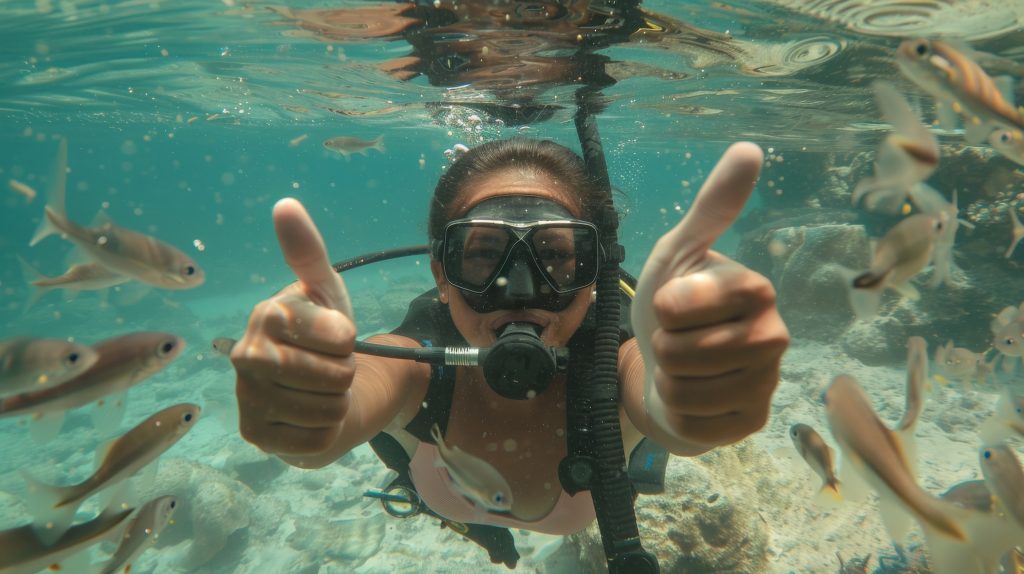
Key Diving Sites in Lakshadweep
The diving here is characterised by its clarity, calm conditions, and intimate encounters with reef life.
- Bangaram Atoll: Often called the “Jewel of the Lakshadweep,” Bangaram is an uninhabited atoll renowned for its spectacular lagoon and shallow, vibrant reefs. It’s a haven for a kaleidoscope of marine life, including parrotfish, butterflyfish, and moray eels. The gentle currents make it an excellent spot for beginners and underwater photographers.
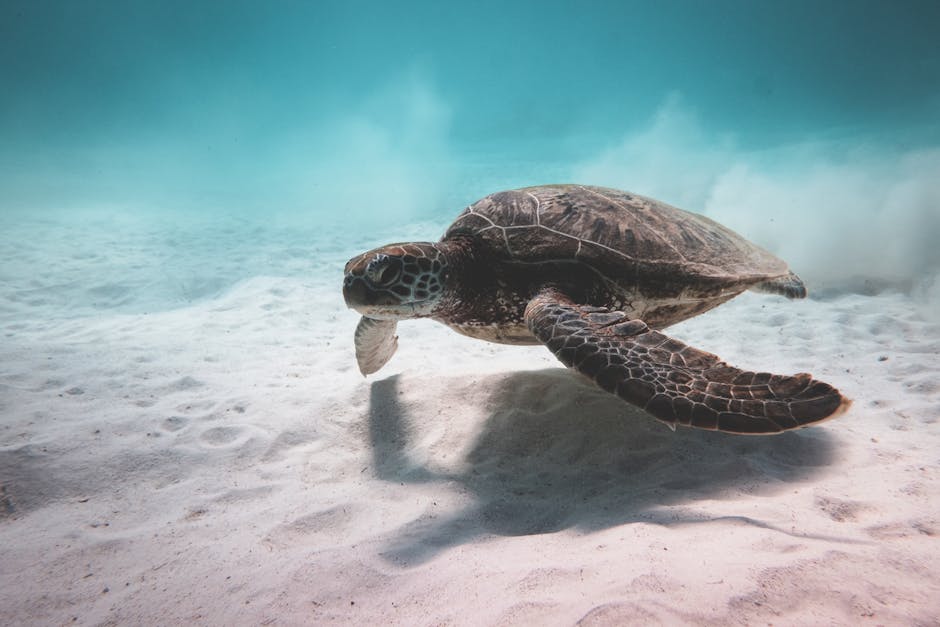
- Kadmat Island: This long, narrow island is famous for its extensive seagrass beds, which are crucial feeding grounds for Green sea turtles. Divers at Kadmat are almost guaranteed encounters with these graceful creatures. The island’s western side features a beautiful coral garden, while the eastern side offers wall dives for the more experienced.
- Agatti Island: As the entry point to the archipelago, Agatti offers some of the most accessible and stunning dive sites. The clear visibility and rich coral gardens are teeming with life. It’s a fantastic place to spot stingrays, turtles, and a variety of colourful reef fish.
Diving Conditions in Lakshadweep
The conditions in Lakshadweep are often described as idyllic, making it a perfect destination for those new to diving or those who prefer a relaxed underwater experience.
- Visibility: The visibility is consistently excellent, often ranging from 20 to 40 metres. The lack of river run-off and pollution contributes to some of the clearest waters in the Indian Ocean.
- Water Temperature: The water is comfortably warm year-round, with temperatures averaging between 27°C and 30°C. A thin 3mm wetsuit is usually more than sufficient.
- Currents: Currents are generally mild to moderate, especially within the lagoons. This creates a safe and enjoyable environment for divers of all levels, allowing for longer, more leisurely dives.
An Overview of the Andaman Islands
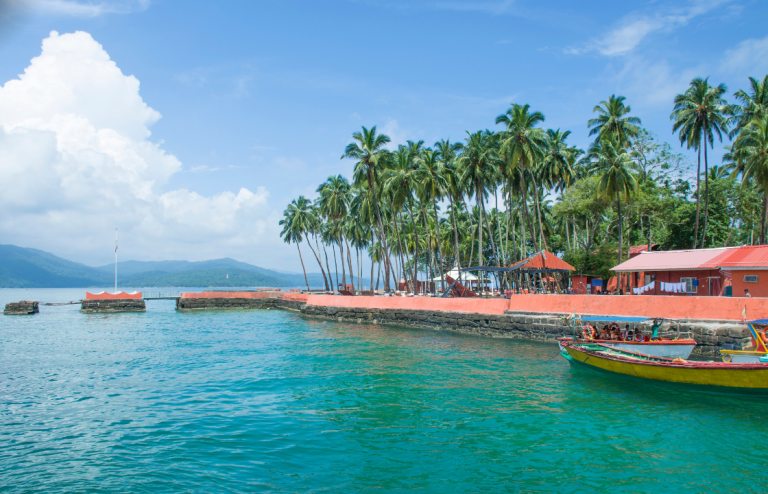
The Andaman and Nicobar Islands are a chain of over 572 islands in the Bay of Bengal, forming a union territory of India. Unlike the coral atolls of Lakshadweep, the Andamans are the peaks of a submerged mountain range, characterised by their volcanic origins, dense tropical rainforests, and dramatic coastlines. This unique geography creates a more varied and rugged diving landscape.
Accessibility to the Andamans is significantly easier than to Lakshadweep. The main airport in Port Blair, Veer Savarkar International Airport, has direct flights from several major Indian cities, including Chennai, Kolkata, and Delhi. While some areas, particularly those inhabited by indigenous tribes, are restricted, the main tourist islands like Havelock (Swaraj Dweep) and Neil (Shaheed Dweep) are easily accessible via government and private ferries from Port Blair.
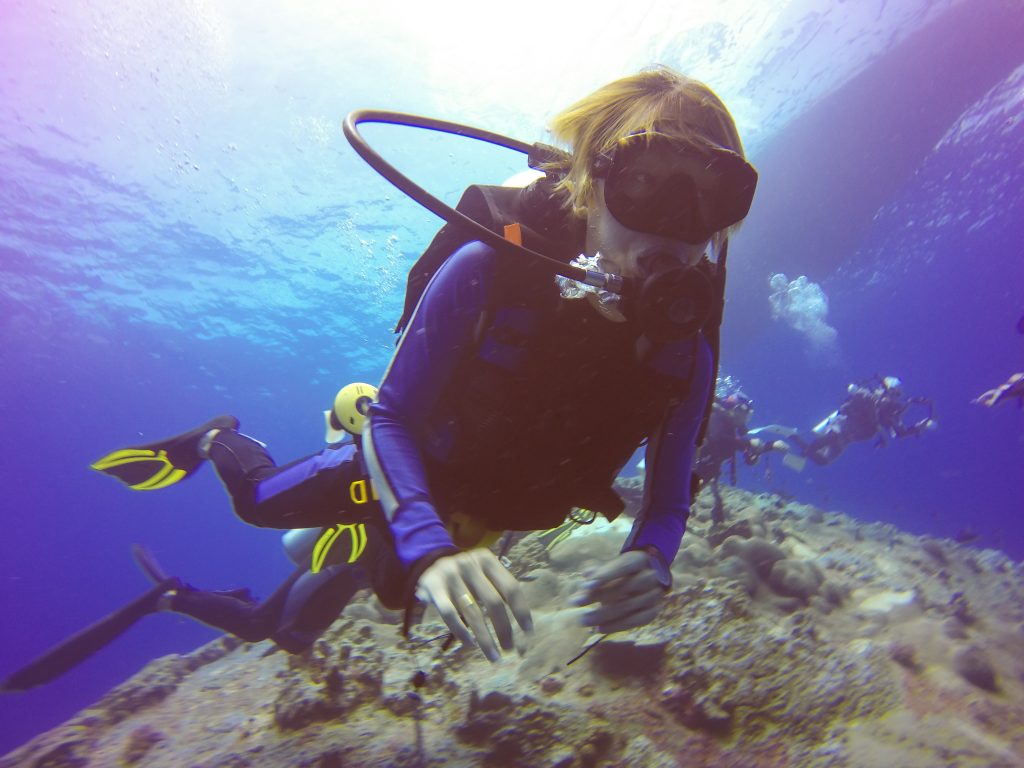
Key Diving Sites in the Andaman Islands
The Andamans boast a greater number and variety of dive sites, catering to every interest and skill level.
- Havelock Island (Swaraj Dweep): This is the epicentre of diving in the Andamans. It’s home to numerous dive shops and offers a plethora of sites. Johnny’s Gorge is famous for encounters with larger pelagics like sharks and rays, while Dixon’s Pinnacle is a collection of vibrant coral-covered pinnacles. The Wall is a fantastic drift dive along a submerged rock face.
- Neil Island (Shaheed Dweep): Known for its more laid-back vibe, Neil Island offers some of the most beautiful coral reefs in the Andamans. Sites like Margherita’s Mischief are known for their crystal-clear waters and dugong sightings, while K-Rock is a colourful playground for macro life enthusiasts.
- North Bay Island: Located near Port Blair, this site is popular for beginners and snorkelers. Its shallow coral gardens are easily accessible and provide a wonderful introduction to the region’s marine life.
Diving Conditions in the Andaman Islands
The diving conditions in the Andamans are more varied, offering both calm bays and challenging open-ocean sites.
- Visibility: Visibility is generally good, typically ranging from 15 to 30 metres. It can be affected by monsoon run-off, especially near the larger, inhabited islands.
- Water Temperature: Similar to Lakshadweep, the water is warm, averaging between 26°C and 30°C.
- Currents: The currents can be significantly stronger in the Andamans, particularly at offshore sites like Dixon’s Pinnacle or around Barren Island. This provides opportunities for exciting drift dives but requires a higher level of experience and skill.
Marine Life and Biodiversity
While both destinations are rich in marine life, they offer distinctly different underwater encounters. The choice between them may come down to what you hope to see.

Marine Encounters in Lakshadweep
Lakshadweep’s ecosystem is a classic coral atoll environment, excelling in reef-associated species.
- Reef Fish: The reefs are a riot of colour, home to vast schools of butterflyfish, angelfish, parrotfish, and surgeonfish.
- Turtles: The islands are a critical habitat for turtles. You are almost certain to encounter Green Sea Turtles (Chelonia mydas) and Hawksbill Turtles (Eretmochelys imbricata) grazing on seagrass or resting on the reef.
- Rays: The sandy bottoms and channels are frequented by various rays, including majestic Manta Rays (Manta birostris) and eagle rays, especially around Bangaram.
- Sharks: While not as common as in the Andamans, occasional sightings of whitetip and blacktip reef sharks are possible in the outer reefs.
Marine Encounters in the Andaman Islands
The Andamans’ location and geology attract a greater diversity of marine life, including larger pelagic species.
- Sharks: The Andamans offer more consistent shark sightings, including Whitetip Reef Sharks (Triaenodon obesus), Blacktip Reef Sharks (Carcharhinus melanopterus), and sometimes even Grey Reef Sharks at deeper sites.
- Coral Diversity: The coral ecosystems are incredibly diverse, featuring everything from delicate staghorn and table corals to massive brain corals and vibrant soft corals.
- Pelagic Species: The stronger currents and proximity to the deep sea attract larger fish. Schools of barracuda, giant trevally, tuna, and Napoleon wrasse are common sights at offshore pinnacles.
- Unique Sightings: The Andamans are also home to more unusual creatures like the elusive Dugong (sea cow) and offer the unique opportunity for liveaboard trips to volcanic Barren Island, known for its black sand and large pelagics.
Coral Reef Health and Conservation
Both archipelagos face threats from climate change, particularly coral bleaching. Studies, such as those published on NCBI regarding coral recovery in Lakshadweep, show that while these reefs are resilient, they are vulnerable. The Andamans have also faced challenges from bleaching and cyclone damage.
Conservation efforts are robust in both regions. Lakshadweep’s strict permit system is a form of conservation in itself, limiting human impact. The Andamans have strict regulations on fishing and diving, with many areas designated as marine national parks. As a diver, you can contribute by choosing eco-conscious operators and practicing responsible diving.
Diving Experience and Skill Level
Your level of diving experience is a crucial factor in deciding between these two destinations.
Suitability for Different Skill Levels
- Lakshadweep: This is arguably the best destination in India for beginners and intermediate divers. The calm, clear, and shallow lagoons provide a safe and non-intimidating environment to learn and build confidence. The lack of strong currents makes for stress-free and enjoyable dives.
- Andaman Islands: The Andamans cater to everyone. There are plenty of sheltered bays and easy reef dives for beginners, particularly around Havelock and Neil Islands. However, the real draw for experienced divers is the access to more challenging sites with strong currents, deeper profiles, and the chance to see larger marine animals.
Dive Centres and Courses
- Lakshadweep: The diving infrastructure is less developed. There are a limited number of government-approved dive centres, primarily operated by the Lakshadweep Islands Diving Academy (LIDA) and some private operators on Bangaram and Agatti. They offer introductory dives and basic certification courses (like PADI Open Water), but options for advanced or technical training are scarce.
- Andaman Islands: Havelock Island is a hub for dive education in India. You will find a multitude of reputable dive centres offering a full spectrum of PADI and SSI courses, from Discover Scuba Diving right up to Divemaster and Instructor training. The competition keeps standards high and prices competitive.
Types of Dives
- Lakshadweep: The diving is almost exclusively reef diving. You’ll spend your time exploring beautiful coral gardens in lagoons and along the gentle slopes of the outer reefs.
- Andaman Islands: The variety is far greater. In addition to stunning reef dives, you can experience thrilling drift dives, explore submerged pinnacles, and even dive a shipwreck. The “Inge” wreck, a 90-metre cargo vessel that sank in the 1960s, is a popular site near Havelock Island for advanced divers.
Cost and Logistics
Practical considerations like budget and travel time can often be the deciding factor.
Cost Comparison
- Lakshadweep: This is the more expensive option. The cost of permits, limited flight options to Agatti, and the monopoly of government-run or approved accommodations mean that a trip here comes at a premium. Dives are also generally more expensive due to higher operational costs.
- Andaman Islands: The Andamans are significantly more budget-friendly. Competitive flight prices to Port Blair, a wide range of accommodation from cheap guesthouses to luxury resorts, and numerous dive operators vying for business mean you can tailor a trip to almost any budget.
Travel and Accessibility
- Lakshadweep: Getting here is a multi-step process. You must first obtain a permit, then book a flight from Kochi to Agatti. Inter-island transport is limited and primarily consists of government-run ferries, which can be infrequent.
- Andaman Islands: Travel is much more straightforward. Direct flights from major Indian cities land in Port Blair. From there, a network of reliable private and government ferries connects you to popular islands like Havelock and Neil, making island-hopping relatively easy.
Other Activities
- Lakshadweep: The focus is almost entirely on water-based activities. Besides diving, you can enjoy snorkelling, kayaking, glass-bottom boat rides, and simply relaxing on the idyllic beaches. The experience is about seclusion and natural beauty.
- Andaman Islands: The Andamans offer a much broader range of activities. You can go trekking in the lush rainforests, visit historical sites like the Cellular Jail in Port Blair, explore limestone caves, or experience the vibrant local culture. This makes it a better choice for travellers who want more than just a beach and dive holiday.
Environmental Impact and Sustainability
As a diver, you have a responsibility to protect the environments you visit. Both destinations face significant environmental pressures.

Lakshadweep’s low-lying atolls are extremely vulnerable to climate change and rising sea levels, a threat highlighted in reports by bodies like the IPCC. The Andamans face more direct human pressures from tourism growth, plastic pollution, and deforestation, as documented by India’s Ministry of Environment, Forest and Climate Change.
You can make a difference by:
- Choosing dive operators with strong environmental credentials.
- Using reef-safe sunscreen to prevent chemical damage to corals.
- Minimising your use of single-use plastics.
- Participating in local conservation initiatives like beach clean-ups or supporting community-based tourism projects.
Accommodation and Facilities
The availability and quality of infrastructure differ greatly between the two island groups.
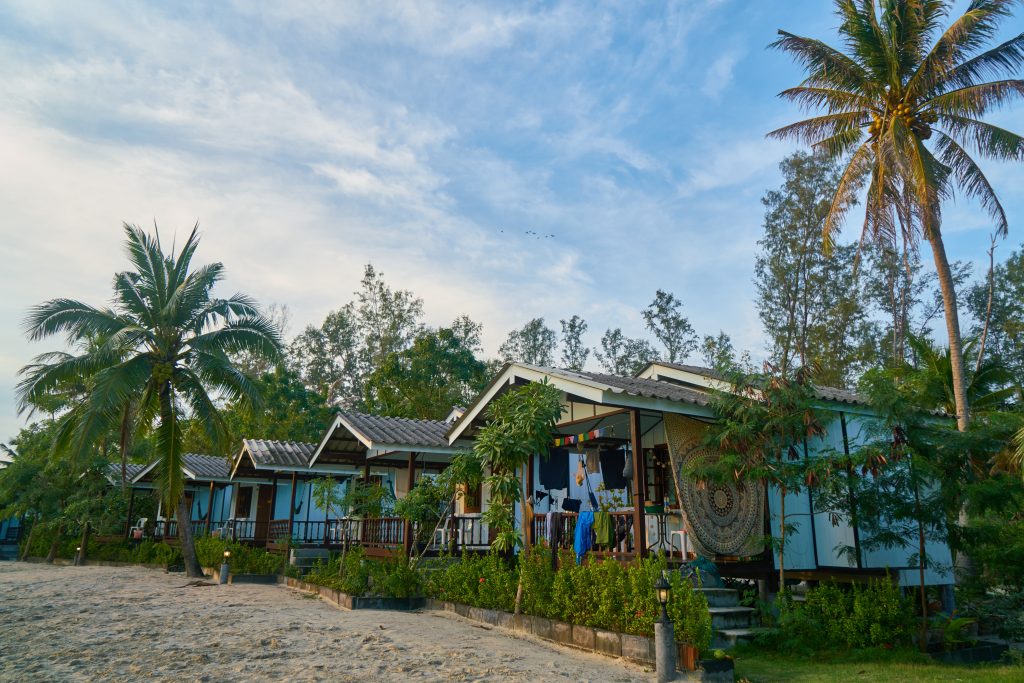
- Accommodation: In Lakshadweep, your options are limited, primarily consisting of government-run resorts like the Bangaram Island Resort or simple guesthouses. In the Andamans, the choice is vast, ranging from backpacker hostels and beach huts to boutique hotels and lavish five-star resorts.
- Medical Facilities: This is a critical consideration for divers. Lakshadweep has only basic medical facilities. Any serious medical emergency, especially a diving-related one like decompression sickness, would require an expensive and time-consuming medical evacuation to the mainland. The Andamans, particularly Port Blair, are better equipped with hospitals and have a decompression chamber for treating diving accidents.
- General Amenities: The Andamans are far more developed. You’ll find a better network of roads, more reliable internet connectivity (though still patchy in places), and a wider variety of restaurants and shops. Lakshadweep offers a more rustic, off-the-grid experience with very limited amenities.
Regulations and Safety
Safety should always be your top priority when diving.

Both locations have regulations, but enforcement and standards can vary. In Lakshadweep, diving is very closely monitored due to the fragile ecosystem. In the Andamans, the sheer number of operators means it’s crucial for you to do your research and choose a reputable dive centre with a strong safety record.
Always ensure you have comprehensive dive insurance that covers medical evacuation. Before every dive, follow these essential safety practices:
- Thoroughly check your own and your buddy’s equipment.
- Never dive beyond your training and comfort level.
- Listen carefully to dive briefings and follow your guide’s instructions.
- Be aware of your surroundings, especially currents and weather conditions.
- Maintain excellent buoyancy control to avoid damaging the reef or stirring up sediment.
Personal Experiences and Testimonials
Hearing from those who have dived both can provide invaluable insight.

Many divers echo similar sentiments. One experienced diver shared, “Lakshadweep’s pristine waters and calm environment made it a perfect place for my first diving experience. The sheer number of turtles I saw on a single dive was unforgettable.” Another who preferred more of a challenge said, “Andaman Islands offered a more diverse range of dive sites, including thrilling wreck dives and pinnacles where I saw my first shark. The vibe on Havelock was fantastic.”
From my own experience, Lakshadweep feels like a true escape from the world. The silence, the clarity of the water, and the untouched nature of the reefs are profound. The Andamans, on the other hand, feel like a vibrant hub of adventure, with a palpable energy and endless opportunities for exploration both above and below the water.
We would love to hear about your own adventures. If you have dived in either of these incredible locations, please share your experiences in the comments section below!
Conclusion
So, Lakshadweep or the Andaman Islands? The final choice rests entirely on your personal preferences, diving experience, and budget.
Choose Lakshadweep if:
- You are a beginner or intermediate diver seeking calm, clear, and easy conditions.
- Your priority is seeing pristine coral gardens and abundant turtle populations.
- You are looking for a secluded, exclusive, and peaceful getaway and are not on a tight budget.
- You value tranquillity and an off-the-grid experience over amenities and activities.
Choose the Andaman Islands if:
- You are an experienced diver looking for variety, including deep dives, drift dives, and wrecks.
- You want a better chance of seeing larger marine life like sharks and pelagics.
- You are travelling on a budget or want a wide range of accommodation and dining options.
- You want a more rounded holiday experience with opportunities for trekking, sightseeing, and cultural immersion.
Both archipelagos offer a world-class window into the wonders of the Indian Ocean. Whichever you choose, you are guaranteed to return with a logbook full of incredible memories and a deep appreciation for India’s underwater paradise. Plan your trip, respect the environment, and dive safely.
Have you made your choice, or do you have more questions? Let us know in the comments below! We’re here to help you plan your ultimate Indian diving adventure.