White Water Rafting in Rishikesh: All You Need to Know
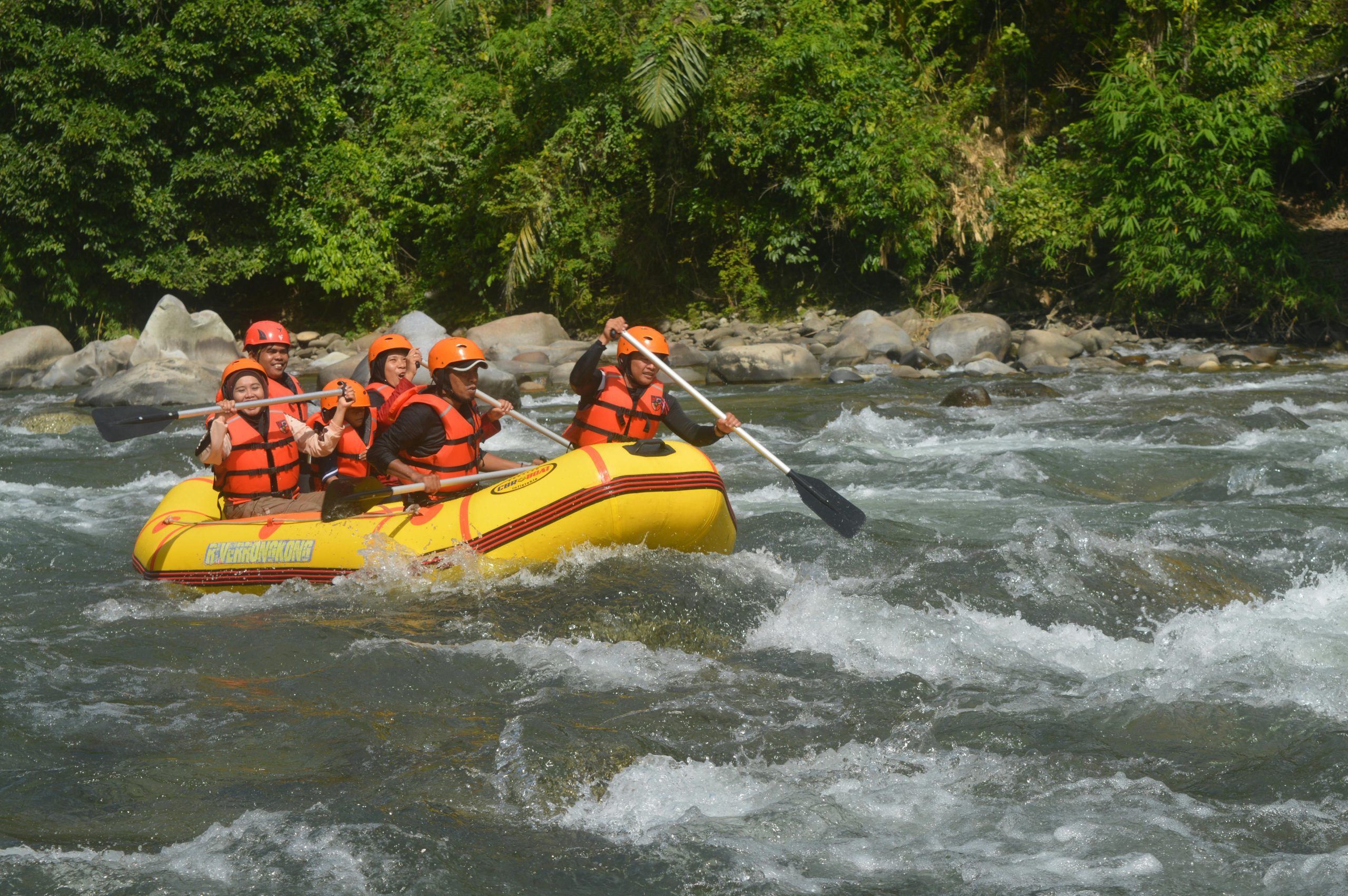
Nestled in the foothills of the Himalayas, Rishikesh is globally renowned as the “Yoga Capital of the World,” a serene sanctuary for spiritual seekers. Yet, this tranquil town possesses a wild, adventurous heart, pulsating with the thunderous rhythm of the sacred River Ganges. Of all the adventure sports on offer, white water rafting stands supreme, drawing thrill-seekers from every corner of the globe to its exhilarating rapids.
This article is your definitive guide to white water rafting in Rishikesh. We will navigate every aspect of this incredible adventure, from understanding the river’s challenges and planning your trip to ensuring your safety and making the most of your experience. Read on to discover how you can experience the thrill of white water rafting in Rishikesh!

Understanding the Rapids: Grades and Sections
Before you dip your paddle into the Ganges, it’s crucial to understand what you’re up against. River rapids are classified using the International Scale of River Difficulty, a grading system that ranges from I (easy) to VI (extreme and unrunnable). This scale helps rafters choose a stretch of the river that matches their skill level and appetite for adventure.
- Grade I: Easy. Fast-moving water with small waves and few obstructions. Ideal for a gentle float.
- Grade II: Novice. Straightforward rapids with wide, clear channels. Some manoeuvring might be required.
- Grade III: Intermediate. Rapids with moderate, irregular waves which may be difficult to avoid. Complex manoeuvres and good paddle control are needed.
- Grade IV: Advanced. Powerful, intense, but predictable rapids requiring precise boat handling in turbulent water.
- Grade V: Expert. Long, violent, and obstructed rapids that expose rafters to a higher degree of risk. Requires advanced skills and a high level of fitness.
- Grade VI: Extreme and Exploratory. These rapids are rarely attempted and are considered commercially unrunnable.
Rishikesh offers several distinct rafting sections, each with its unique character and set of rapids:
- Brahmpuri to Rishikesh (9 km): This is the gentlest stretch, featuring primarily Grade I and II rapids. It’s the perfect introduction for beginners, families with children, and those looking for a scenic, relaxed experience. The trip usually takes around 1.5 to 2 hours.
- Shivpuri to Rishikesh (16 km): The most popular rafting section, this route offers a brilliant mix of Grade II and III rapids. It provides a perfect balance of thrill and safety, with famous rapids like “Return to Sender,” “Roller Coaster,” and “Golf Course.” This half-day trip takes approximately 3 to 3.5 hours.
- Marine Drive to Rishikesh (26 km): Upping the ante, this section includes more challenging Grade III and IV rapids. It’s an excellent choice for second-timers or adventure enthusiasts seeking a more adrenaline-fuelled ride. Expect to encounter rapids like “Black Money” and “Three Blind Mice” on this 4 to 5-hour journey.
- Kaudiyala to Rishikesh (36 km): This is the ultimate challenge, a full-day expedition for seasoned rafters only. It features some of the most formidable Grade IV and V rapids on the Ganges, including the infamous “The Wall,” where the river narrows and drops dramatically. This stretch demands significant experience and physical fitness.
Select the section that best matches your adventure appetite!
Planning Your Rafting Trip: Best Time, Duration, and Cost
Proper planning is the key to a successful and enjoyable rafting adventure. The best time to visit Rishikesh for white water rafting is from late September to June. During these months, the weather is pleasant, and the river flow is ideal for rafting. The activity is officially closed during the monsoon season, typically from July to early September, as the river becomes dangerously swollen and unpredictable.

Rafting trips can range from a half-day adventure to multi-day camping and rafting expeditions. The cost varies depending on the chosen section, the duration, and the operator. As a general guide, you can expect prices to range from ₹600 per person for the Brahmpuri stretch to ₹2500 or more for the longer, more challenging routes. A standard package typically includes:
- Transportation to the starting point and from the finishing point.
- All necessary rafting equipment (raft, life jacket, helmet, paddles).
- A certified and experienced river guide.
From my personal experience, booking your trip at least a few weeks in advance, especially during peak seasons like May-June or long weekends, is highly advisable. It ensures you get a spot with a reputable operator and avoids last-minute price hikes. Secure your spot for an unforgettable rafting experience!
Choosing a Reputable Rafting Operator: Certification and Safety
Your safety on the river is paramount, and it depends almost entirely on the professionalism of your rafting operator. Do not compromise on this. Only choose operators who are registered with and certified by the Uttarakhand Tourism Development Board. This certification ensures they adhere to strict safety standards.
A reliable operator will always provide:
- Qualified and Experienced Guides: Your guide should be a certified professional with extensive knowledge of the river and first-aid training.
- High-Quality Equipment: Inspect the gear. Life jackets should be in good condition with working buckles, helmets should fit snugly, and the raft should be well-maintained.
- A Comprehensive Safety Briefing: Before you even touch the water, your guide should provide a detailed safety talk, explaining paddling commands, what to do if you fall in, and other emergency procedures.
- First-Aid and Rescue Equipment: The team should have a well-stocked first-aid kit and rescue equipment like throw bags readily accessible.
Before booking, take the time to read online reviews and testimonials on various platforms. Don’t hesitate to ask the operator direct questions about their certification, their guides’ experience, their safety record, and their insurance coverage. Your safety is paramount; choose wisely!
Essential Gear and What to Wear
Dressing appropriately can make a huge difference to your comfort and safety on the river. The key is to wear clothing that is lightweight and dries quickly.
- Clothing: Wear swimwear or a pair of shorts and a synthetic t-shirt or rash guard. Avoid cotton at all costs; it absorbs water, becomes heavy, and will make you feel cold and uncomfortable.
- Footwear: Secure footwear is essential. Opt for river sandals with straps, water shoes, or old trainers. Flip-flops are a definite no, as they will come off your feet the moment you hit the first rapid.
- Essentials: Bring high-SPF waterproof sunscreen, sunglasses with a retainer strap so you don’t lose them, and a cap if it fits under your helmet.
- Valuables: Leave expensive jewellery, watches, and non-essential electronics at your hotel. If you must bring a phone or camera, ensure it is in a high-quality waterproof case or dry bag that can be securely attached to the raft.
I learned the hard way on my first trip that a cotton t-shirt is a rafter’s worst enemy. It felt like wearing a cold, heavy blanket for half the journey. Learn from my mistake! Gear up for adventure with the right essentials!

Safety Guidelines and Precautions During Rafting
Once you are on the water, your safety depends on teamwork and following your guide’s instructions without question. Pay close attention during the safety briefing and remember these crucial points:
- Listen to Your Guide: This is the golden rule. Your guide is an expert on the river. Follow their paddling commands (“Forward,” “Back,” “Stop,” “Get Down”) instantly.
- Master the Self-Rescue Position: If you fall out of the raft, do not panic. Float on your back with your feet pointing downstream and your head up. This “white water float position” allows you to see where you are going and use your feet to fend off rocks. Never try to stand up in fast-moving water, as your foot could get trapped.
- Hold Your Paddle Correctly: Always hold the paddle with one hand on the shaft and the other over the “T-grip” at the top. This prevents the paddle from flying back and hitting you or a teammate in the face.
- Stay in the Raft: Keep your weight balanced and avoid leaning too far out. Never stand up in the raft while navigating rapids.
- Wear Your Safety Gear: Your life jacket and helmet must be worn and properly fastened at all times while you are on the river.
- No Alcohol: Never consume alcohol or drugs before or during a rafting trip. You need your wits and reflexes to be sharp.
Stay safe, stay informed, and enjoy the ride!
The Rafting Experience: What to Expect
Your rafting adventure will be a whirlwind of emotions and experiences. The day typically begins at the operator’s office in Rishikesh, where you’ll complete formalities before being driven upriver to your designated starting point.

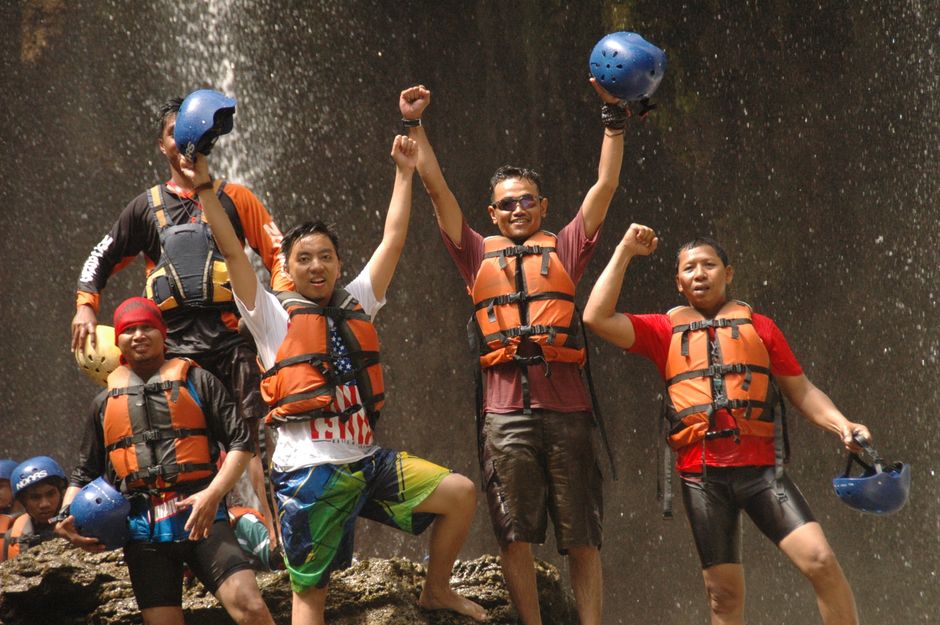
At the riverbank, you’ll receive your gear and the all-important safety briefing. Then, it’s time to launch. The experience is a stunning contrast of serene moments and heart-pounding action. You’ll paddle through calm stretches, mesmerised by the lush green hills and ancient temples lining the banks of the Ganges. Then, you’ll hear the roar of an approaching rapid. Your guide will shout commands, and your team will paddle in unison, navigating the churning, frothing water in a surge of pure adrenaline.
Many trips include stops at sandy beaches where you can relax, swim in calmer pools, and even try “cliff jumping” from designated safe spots under your guide’s supervision. My most memorable moment was floating gently in the river during a calm stretch, looking up at the vast sky, feeling both humbled and exhilarated by the power of nature. The trip concludes at a designated endpoint, from where you’ll be transported back to Rishikesh, tired but buzzing with an incredible sense of accomplishment. Get ready for an unforgettable journey down the Ganges!
Environmental Responsibility: Rafting Sustainably
The pristine beauty of the Ganges and its surroundings is what makes rafting in Rishikesh so special. As visitors, we have a profound responsibility to protect it. Please practice responsible tourism by following the “Leave No Trace” principles.
- Do Not Litter: Carry all your waste back with you. Do not throw anything, not even organic waste, into the river or leave it on the banks.
- Respect the Environment: Avoid using soap or shampoo in the river. Do not disturb the local wildlife.
- Support Local Communities: Choose local operators and purchase snacks and souvenirs from local vendors to ensure the community benefits from tourism.
- Be Culturally Sensitive: The Ganges is a sacred river. Be respectful of local customs and traditions.
Raft responsibly and preserve the beauty of Rishikesh for generations to come!
Frequently Asked Questions (FAQs) about White Water Rafting in Rishikesh
1. Is white water rafting in Rishikesh safe? Yes, it is very safe, provided you choose a certified operator, use proper equipment, and follow all safety instructions given by your guide.
2. What is the minimum age for rafting in Rishikesh? The minimum age is typically 14 years for the more challenging sections like Shivpuri and above. For the gentler Brahmpuri stretch, the minimum age may be lower, around 12 years, but this can vary between operators.
3. Do I need to know how to swim to go rafting? No, swimming is not mandatory. You will be wearing a high-buoyancy life jacket at all times, which will keep you afloat if you fall in. However, knowing how to swim can help you feel more confident in the water.
4. What if I am afraid of water? If you have a fear of water, it’s best to start with the mildest rafting section (Brahmpuri to Rishikesh). Inform your guide about your apprehension; they are trained to provide extra support and reassurance.
5. Are there any medical restrictions for rafting? People with heart conditions, epilepsy, severe back problems, or who are pregnant should not participate in rafting. If you have any medical concerns, it is essential to consult your doctor before the trip.
6. Can I bring my camera on the raft? Yes, but only if it is waterproof and securely attached to you or the raft with a strap. The operator is not responsible for any loss or damage to personal belongings.
Still have questions? Contact a certified rafting operator for more information!
Conclusion
White water rafting in Rishikesh is more than just an adventure sport; it’s an experience that combines the thrill of navigating powerful rapids with the serene beauty of the Himalayan landscape and the spiritual energy of the Ganges. It’s a journey that challenges you, exhilarates you, and leaves you with a profound sense of respect for nature.
By planning carefully, prioritising safety, and acting as a responsible tourist, you can ensure your rafting trip is not only thrilling but also safe and sustainable. So, pack your bags, gather your courage, and prepare to create memories that will last a lifetime on the sacred waters of Rishikesh.
Share your thoughts and experiences below!