The Ziro Music Festival and Hiking in Arunachal Pradesh: A Comprehensive Guide
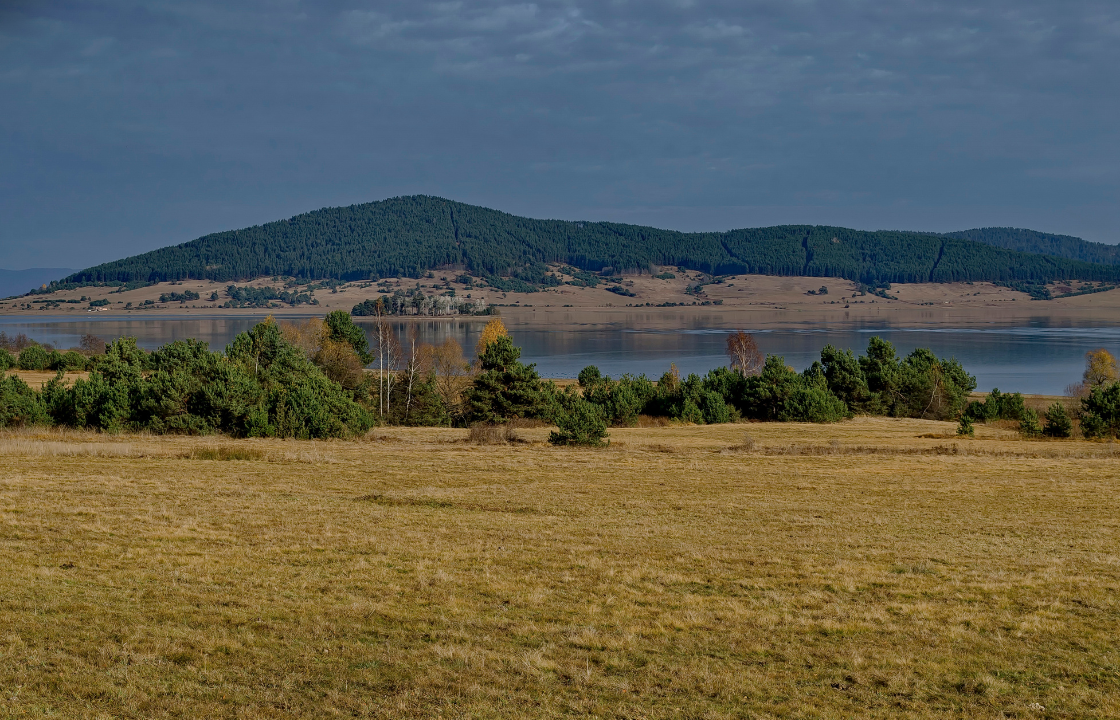
Arunachal Pradesh, India’s easternmost state, is a land of diverse tribes, stunning mountain scenery, and vibrant cultural traditions. Often called the “Land of the Dawn-Lit Mountains,” this remote corner of the Himalayas offers a unique blend of raw natural beauty and profound cultural heritage. Nestled within this landscape is the Ziro Music Festival, a celebrated annual event that has become a beacon for independent music and cultural exchange. This unique combination of immersive culture and adventurous exploration appeals to both music lovers seeking authenticity and adventure enthusiasts eager to explore the Himalayan foothills.
This article provides a comprehensive guide to crafting the perfect journey, combining the soul-stirring melodies of the Ziro Music Festival with the exhilarating challenge of hiking through Arunachal Pradesh’s pristine trails. We will delve into the practicalities of travel, the cultural nuances of the region, and a suggested itinerary to help you experience the very best of what this incredible state has to offer.

Understanding Arunachal Pradesh: A Land of Culture and Adventure
Before embarking on your journey, it’s essential to understand the unique character of Arunachal Pradesh. The state is characterised by its mountainous terrain, subtropical climate, and staggering biodiversity, ranging from snow-capped peaks in the north to lush, dense rainforests in the south. It is a land of dramatic landscapes, traversed by the Eastern Himalayas and drained by major rivers like the Siang (the main artery of the Brahmaputra) and its powerful tributaries, the Dibang and Lohit. Its diverse ecosystems support a breathtaking array of flora and fauna, including thousands of species of orchids, vibrant rhododendron forests, and endangered animals like the elusive red panda and the majestic snow leopard.
Beyond its natural splendour, Arunachal Pradesh is a living anthropological museum, home to numerous indigenous tribes, each with its distinct language, customs, and traditions. Notable tribes include the Apatani of the Ziro Valley, renowned for their sophisticated sustainable agriculture and wet rice cultivation systems; the Nyishi, the largest ethnic group in the state; the Adi, with their rich oral literature; and the Monpa of the Tawang region, who practice Tibetan Buddhism. Their cultural heritage is vividly reflected in their traditional attire, vibrant festivals celebrating harvests and seasons, intricate handicrafts like bamboo weaving and Thangka painting, and unique art forms that have been passed down through generations.
A crucial aspect of planning a trip is understanding the entry regulations. To regulate entry and protect the region’s delicate cultural and environmental integrity, all visitors (both domestic and international) are required to obtain a permit. For Indian citizens, this is the Inner Line Permit (ILP), while foreign nationals need a Protected Area Permit (PAP). The ILP can be obtained online through the official Arunachal Pradesh government portal or through designated government offices in cities like Guwahati, Shillong, and Delhi. The process typically requires proof of identity, passport-sized photographs, and a valid reason for the visit. It is imperative to secure this permit well in advance of your travel dates.

The Ziro Music Festival: An Immersive Cultural Experience
The Ziro Music Festival, founded in 2012 by musician Bobby Hano and Menwhopause guitarist Anup Kutty, was born from a vision to promote independent music and showcase the cultural richness of Arunachal Pradesh. What began as a small, intimate gathering has blossomed into one of India’s most beloved outdoor music festivals, attracting discerning music lovers from across the globe.
The festival is held in the picturesque Ziro Valley, a UNESCO World Heritage Site contender, surrounded by lush, terraced paddy fields and rolling pine-clad hills. This setting creates a unique and enchanting atmosphere, far removed from the commercialism of mainstream festivals. A core tenet of the event is sustainability; the festival infrastructure, including its two stages (the Donyi ‘Sun’ Stage and the Polo ‘Moon’ Stage), is constructed primarily from locally sourced bamboo. This commitment to eco-friendly practices helps to minimise the festival’s environmental impact and preserve the pristine beauty of the valley.
The Ziro Music Festival features a diverse and carefully curated lineup of independent artists from various genres, including folk, indie rock, electronic, and world music. It serves as a platform for both emerging talent from Northeast India and established international acts. Past performers have included renowned artists such as Lee Ranaldo of Sonic Youth, Steve Shelley, MONO, and a host of Indian indie stalwarts like Shaa’ir + Func, Prateek Kuhad, and The F16s.
However, Ziro is more than just a music festival. It is a holistic cultural experience. Alongside the musical performances, the festival showcases traditional Apatani dances, intricate art installations by local and visiting artists, and a vibrant marketplace. Visitors can explore stalls selling local handicrafts, from woven textiles to bamboo mugs, and savour authentic Arunachal Pradesh cuisine. The food stalls offer a chance to try local delicacies, providing a true taste of the region’s culinary heritage.
For those planning to attend, tickets can be purchased online, usually several months in advance. Accommodation options are varied, ranging from bringing your own tent to stay at the official campsite to booking a spot in one of the many pre-pitched tents or finding a room in a local homestay or guesthouse in the nearby towns of Hapoli and Old Ziro. Transportation to Ziro Valley is primarily by road from major hubs like Guwahati in Assam or the state capital, Itanagar.
Hiking in Arunachal Pradesh: Exploring the Himalayan Foothills
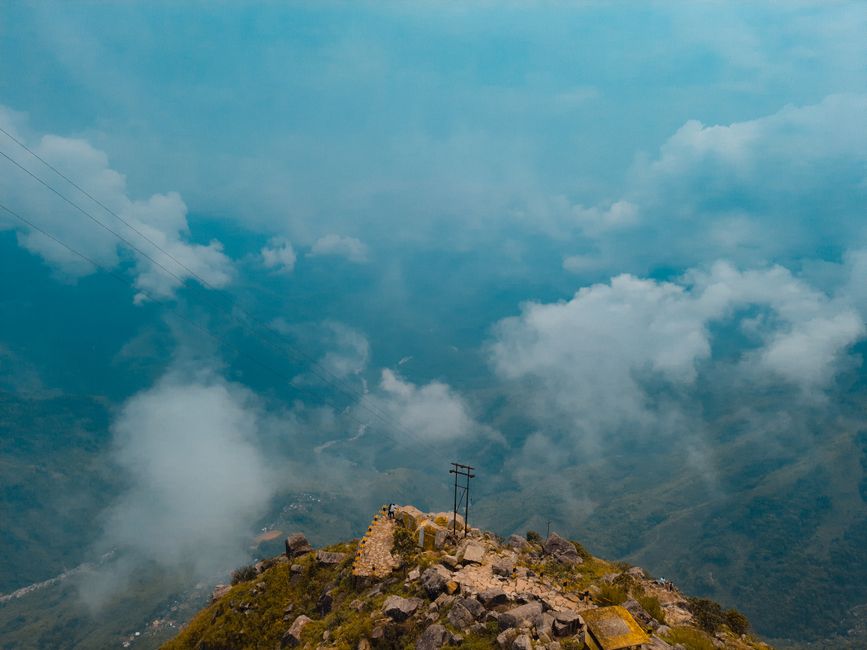
Beyond the festival grounds, Arunachal Pradesh offers a vast and largely unexplored playground for hikers and trekkers. The state’s diverse landscapes provide a wide range of opportunities, from gentle day walks through tribal villages and fertile valleys to challenging, multi-day expeditions into the high mountains.
Some of the most popular trekking routes include:
- The Mechuka Trek: Located in the West Siang district, Mechuka is often referred to as the “Forbidden Valley.” This moderate trek, typically lasting 5-7 days, takes you through the stunning landscapes of the Siyom River valley, past remote villages, suspension bridges, and dense forests, offering a deep insight into the lives of the Memba tribe.
- The Tawang-Bomdila Trek: This is a more challenging, high-altitude trek that can last from 10 to 15 days. It offers panoramic views of the Eastern Himalayas, including the majestic Gorichen Peak. The route takes you through the breathtaking Sela Pass (at over 13,000 feet) and allows for visits to ancient monasteries, most notably the Tawang Monastery, the largest in India.
- The Bailey Trail: This historic trail follows the route taken by British officers Captain Morshead and Lt. Col. Bailey in 1913. It is a demanding trek that crosses high passes and offers spectacular views of Gorichen and Kangto peaks, passing through pristine forests and remote Monpa villages between the regions of Dirang and Tawang.
Trekking in Arunachal Pradesh requires permits from the local authorities, in addition to your ILP/PAP. For safety and cultural insights, hiring a local guide is highly recommended. Essential gear includes sturdy, waterproof hiking boots, warm layered clothing, quality rain gear, and a comprehensive first-aid kit. It is crucial to practice responsible trekking by following Leave No Trace principles, minimising your environmental impact, and always showing respect for local customs and traditions.
The best time to hike in Arunachal Pradesh is during the post-monsoon autumn season (late September to November) and the spring season (March to May). During these months, the weather is generally pleasant, the skies are clear, and the trails are most accessible.
Combining the Ziro Music Festival and Hiking: A Suggested Itinerary
Here is a suggested 12-day itinerary that beautifully blends the vibrant energy of the Ziro Music Festival with the serene adventure of hiking in Arunachal Pradesh:
- Day 1-3: Arrival and Ziro Music Festival: Arrive in Guwahati, Assam, the main gateway to the region. Finalise your ILP if you haven’t already, and begin the scenic road journey to Ziro Valley (approximately 10-12 hours). Settle into your accommodation and spend the next two days immersing yourself in the Ziro Music Festival. Enjoy the diverse musical acts, explore the cultural stalls, sample local cuisine, and soak in the unique atmosphere.
- Day 4-7: Trekking in the Ziro Valley: After the festival, embark on a short trek in the Ziro Valley region. A popular option is the Talley Valley Wildlife Sanctuary trek, a moderate 3-4 day hike. This trek takes you through subtropical and alpine forests, home to diverse flora and fauna. You will explore the local landscape, interact with the Apatani and Nyishi communities, and experience the tranquillity of the region away from the festival crowds. Return to Ziro Valley on Day 7 to rest and prepare for the next leg of your journey.
- Day 8-10: Journey to Tawang and Local Exploration: Begin the long but spectacular road journey from Ziro to Tawang (this may take two days with an overnight stop in Bomdila or Dirang). The drive itself is an adventure, crossing the high-altitude Sela Pass. Once in Tawang, spend a day exploring the magnificent Tawang Monastery, the Jaswant Garh war memorial, and the serene P.T. Tso Lake.
- Day 11-12: Return and Departure: Begin the journey back from Tawang to Guwahati. This will likely require an overnight stop en route. On Day 12, you will arrive back in Guwahati for your departure, filled with memories of music, mountains, and incredible culture.
This itinerary can be customised based on your interests and time constraints. You could opt for shorter day hikes around Ziro or extend your stay in Tawang for a longer trek.

Practical Tips and Considerations for Your Trip
To ensure a smooth and enjoyable trip, here are some practical tips and considerations:
- Packing: Pack lightweight, breathable clothing for the festival, but also bring warm layers (fleeces, thermals) as evenings in the valley can be chilly. For hiking, sturdy, broken-in hiking boots, waterproof jackets and trousers, a warm hat, and gloves are essential.
- Health Precautions: Consult your doctor or a travel clinic well in advance regarding necessary vaccinations and health precautions. The NHS and WHO websites provide reliable travel health information. Carry a personal first-aid kit with essentials for cuts, blisters, pain relief, and any personal medications. If undertaking high-altitude treks, be aware of the symptoms of Acute Mountain Sickness (AMS) and plan for gradual acclimatisation.
- Cultural Sensitivity: Arunachal Pradesh is a region of deep-rooted traditions. Always show respect for local customs. Dress modestly, especially when visiting villages or monasteries. Always ask for permission before taking photographs of people or their homes. A friendly greeting of “Jai Hind” is widely understood and appreciated.
- Local Cuisine: Be adventurous and try the local food. Arunachal Pradesh cuisine is diverse and delicious, featuring rice as a staple, along with various meat and vegetable dishes often cooked with bamboo shoots and local herbs. Don’t miss trying thukpa (noodle soup), momos (dumplings), and apong (a traditional rice beer).
- Connectivity: Mobile network coverage can be patchy and unreliable, especially in remote areas and on treks. While major towns have some connectivity, do not expect constant access. Inform your family of your itinerary beforehand and consider carrying a power bank, as electricity can be intermittent.
- Responsible Tourism: Practice sustainable tourism by minimising your plastic waste (carry a reusable water bottle), supporting local businesses and homestays, and respecting the pristine environment. Your visit should leave a positive impact on the community and the land.
Conclusion
Combining the Ziro Music Festival with hiking in Arunachal Pradesh offers a unique and unforgettable travel experience, perfectly blending vibrant cultural immersion with serene, adventurous exploration. This journey allows you to connect with the pulse of modern independent music while simultaneously stepping back in time to explore ancient traditions and trek through some of the most spectacular and untouched landscapes in the Himalayas.
By experiencing both the cultural richness of the festival and the raw natural beauty of the trails, you gain a profound appreciation for this remarkable corner of the world. So, plan your own adventure, pack your bags, and prepare to discover the magic of Arunachal Pradesh, a land of music, mountains, and memories waiting to be made.
Have you travelled to Arunachal Pradesh or attended the Ziro Music Festival? Share your experiences or ask any questions you may have in the comments section below!