Best Himalayan Treks for First-Timers in India

The Himalayas are not just mountains; they are an invitation to adventure, a call to the soul, and a journey into some of the most breathtaking landscapes on Earth. For those yet to experience their grandeur, the thought of a Himalayan trek can be both exhilarating and daunting. The good news is that India, home to a vast and varied stretch of this magnificent range, offers a wealth of trekking opportunities perfectly suited for first-timers. These trails promise not just stunning vistas but also profound cultural encounters and a deep sense of personal achievement.
This guide is designed to be your comprehensive companion, helping you navigate the choices and preparations for your inaugural Himalayan adventure. We will explore why the Indian Himalayas are an ideal starting point, delve into the essential considerations every novice trekker must understand, from fitness to gear, and present a curated list of the best treks for beginners. By the end, you will be equipped with the knowledge and confidence to choose the right trail and embark on a journey that will stay with you for a lifetime.

Why Choose the Indian Himalayas for Your First Trek?
While the Himalayas stretch across several countries, the Indian portion offers a unique combination of accessibility, cultural depth, and well-established support systems that make it particularly welcoming for beginners.
- Accessibility and Affordability: Compared to trekking in neighbouring countries, India often presents a more budget-friendly option. Domestic travel to trailheads in states like Uttarakhand and Himachal Pradesh is relatively straightforward, and the costs for guides, porters, and accommodation are generally lower. This accessibility allows first-timers to experience a world-class trek without an exorbitant financial commitment.
- Cultural Richness: A trek in the Indian Himalayas is as much a cultural journey as it is a physical one. The trails wind through ancient villages, past serene monasteries, and offer countless opportunities to interact with the warm and resilient local communities. From savouring a hot cup of chai in a mountain dhaba to learning about the unique customs of the Garhwali or Himachali people, the experience is deeply enriching and goes far beyond the scenery.
- Established Trekking Infrastructure: Popular trekking regions in India have a well-developed infrastructure that caters to all levels of trekkers. You will find a wide range of reputable trekking agencies, experienced local guides, and porters who can make your journey safer and more comfortable. The trails are often well-marked, and designated campsites with basic facilities are common, removing much of the logistical guesswork for a first-timer.
- Biodiversity: The Indian Himalayas are a treasure trove of unique flora and fauna. Depending on the season and region, your trek could take you through dense forests of oak and rhododendron, across meadows carpeted with vibrant wildflowers, and offer chances to spot wildlife like the Himalayan monal, blue sheep (bharal), or even the elusive snow leopard from a distance.
From my own first trek in the Indian Himalayas, it was this blend of majestic nature and human warmth that left the most lasting impression. The challenge of the climb was matched only by the reward of the summit views and the kindness of the people I met along the way. It’s an experience that truly connects you to the land and its culture.
Key Considerations for First-Time Himalayan Trekkers
Preparation is the cornerstone of a safe and enjoyable trek. Before you even think about booking your trip, it’s crucial to understand the key factors that will influence your experience.
Fitness Level
Do not underestimate the physical demands of a Himalayan trek, even one labelled “easy.” You will be walking for several hours a day, often on uneven terrain and at increasing altitudes.
- Cardiovascular Endurance: Focus on activities like jogging, cycling, or brisk walking for at least 30-45 minutes, 3-4 times a week. This builds the stamina needed for long trekking days.
- Strength Training: Strengthen your legs and core. Squats, lunges, and calf raises are excellent for building leg muscles, which will protect your knees on steep descents. Core exercises like planks will improve your balance and stability.
- Flexibility: Incorporate stretching into your routine to prevent muscle soreness and injury. Pay special attention to your hamstrings, quadriceps, and calves.
- Medical Consultation: It is always wise to consult your doctor before undertaking any strenuous activity, especially if you have pre-existing health conditions.
Acclimatization
Acclimatization is the process by which your body gradually adjusts to the lower oxygen levels at high altitudes. It is the single most important factor in preventing Acute Mountain Sickness (AMS).
- Go Slow: The golden rule is “climb high, sleep low.” Plan an itinerary that allows for a gradual ascent, avoiding large jumps in sleeping altitude (ideally no more than 300-500 metres per day above 3,000 metres).
- Rest Days: Incorporate rest days into your itinerary, especially after a significant altitude gain. This gives your body crucial time to adapt.
- Stay Hydrated: Drink plenty of water (3-4 litres per day). Dehydration can mimic and worsen the symptoms of AMS.
- Avoid Alcohol and Smoking: Both can inhibit the acclimatization process and increase the risk of altitude-related problems.
Permits and Regulations
Many trekking areas in the Indian Himalayas are located within national parks or protected areas and require permits.
- Research Requirements: Before finalising your trek, check the specific permit requirements for that region. These can often be arranged by your trekking agency, but it’s essential to know what’s needed.
- Respect Local Customs: You will be a guest in someone else’s home. Dress modestly, especially when visiting monasteries or villages, ask for permission before taking photographs of people, and be mindful of local traditions.
Essential Gear and Clothing
Having the right gear is not about luxury; it’s about safety and comfort. The key is layering, which allows you to adapt to the unpredictable mountain weather.
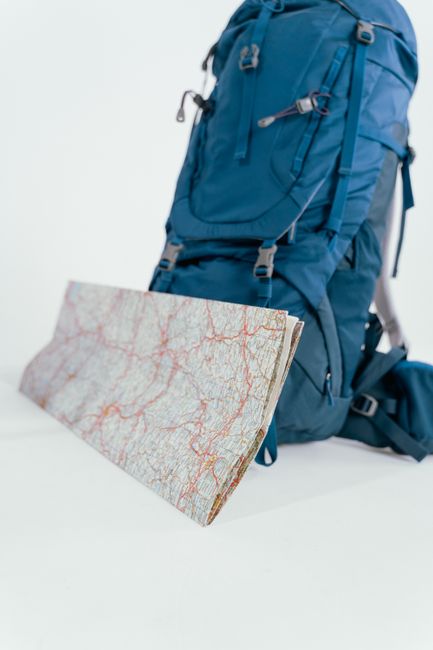
Here is a basic checklist:
- Footwear: Well-broken-in, waterproof trekking boots with good ankle support.
- Backpack: A 40-50 litre backpack is usually sufficient.
- Clothing:
- Trekking trousers (quick-dry)
- Thermal base layers (top and bottom)
- Fleece or down jacket (mid-layer)
- Waterproof and windproof jacket and trousers (outer layer)
- Several pairs of trekking socks (wool or synthetic)
- Headwear: Sun hat, woolly hat (beanie), and a buff or balaclava.
- Other Essentials: Sunglasses, sunscreen, headlamp with extra batteries, first-aid kit, water bottle or hydration pack, and trekking poles.
Travel Insurance
This is non-negotiable. Ensure you have comprehensive travel insurance that specifically covers trekking at high altitudes and includes emergency helicopter evacuation.
Top Himalayan Treks for First-Timers in India
Now for the exciting part, choosing your trail! Here are some of the best treks in the Indian Himalayas that are ideal for beginners, offering a perfect balance of challenge and reward.
Kedarkantha Trek, Uttarakhand
Often hailed as the quintessential winter trek, Kedarkantha is a fantastic year-round option for beginners. Its well-defined trail, manageable duration, and stunning summit views make it a crowd favourite.
- Description: The trek takes you through enchanting pine forests, past frozen lakes, and opens up to breathtaking panoramic views of snow-capped peaks like Swargarohini, Bandarpoonch, and Kalanag.
- Details: The trek usually takes 6 days, starting from the village of Sankri. It reaches a maximum altitude of 3,810 metres (12,500 feet).
- Highlights: Camping beside the serene Juda Ka Talab and the 360-degree view from the summit are unforgettable experiences.
- Why for Beginners: The gradual ascent and well-established campsites make acclimatization easier, and the trail is one of the safest and most accessible in the region.
Valley of Flowers Trek, Uttarakhand
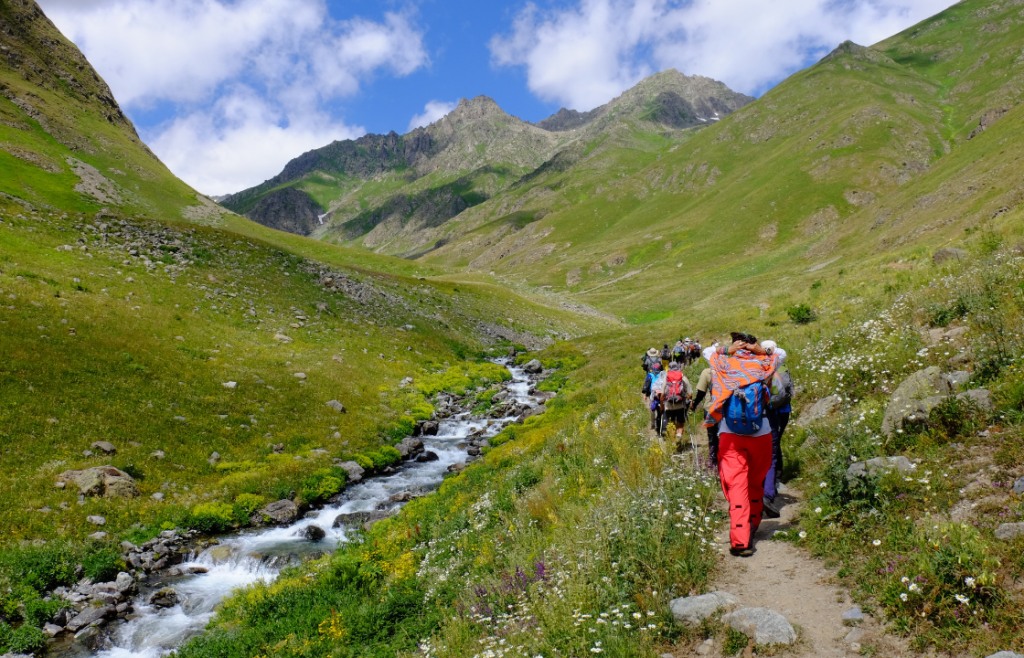
A UNESCO World Heritage Site, this trek is a floral paradise. It’s a gentle trek that is more of a long walk through a stunningly beautiful valley.
- Description: During the monsoon season, the valley comes alive with hundreds of species of alpine flowers, creating a vibrant carpet of colour against a backdrop of snow-dusted peaks.
- Details: The trek typically takes 6-7 days, with the trek itself starting from Govindghat. The maximum altitude is around 3,658 metres (12,000 feet). The best time to visit is from July to September.
- Highlights: The sheer spectacle of the flower-filled valley is the main draw, but many trekkers also make the steep climb to the sacred Hemkund Sahib lake.
- Why for Beginners: The trail is relatively flat within the valley, the altitude is moderate, and the infrastructure is excellent, making it a very safe and enjoyable first trek.
Beas Kund Trek, Himachal Pradesh
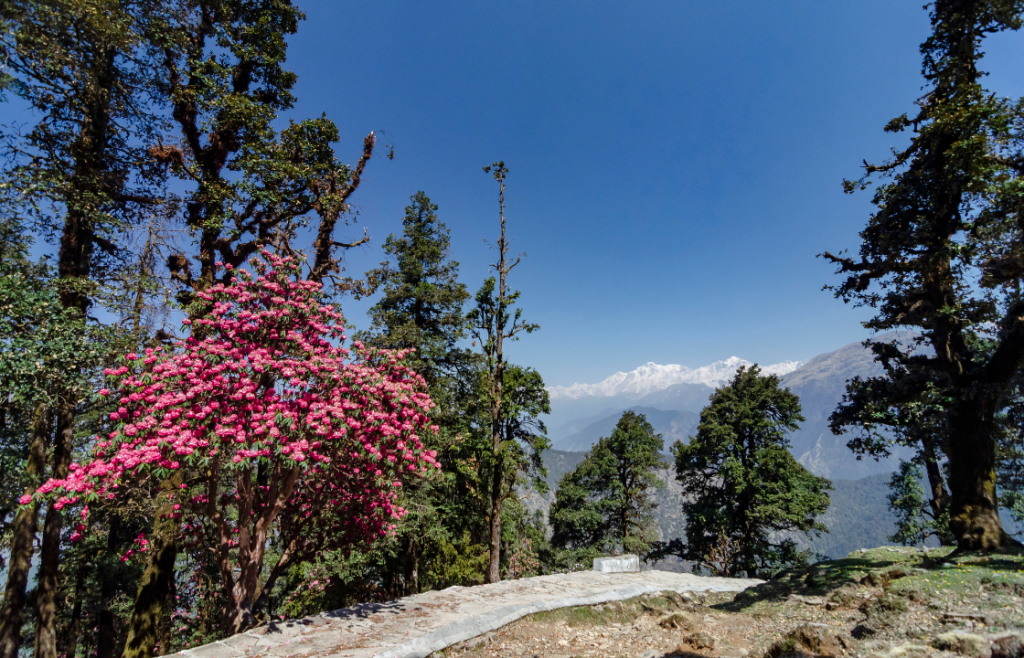
This short trek offers a big mountain experience, taking you to the source of the Beas River. It’s perfect for those with limited time who still want to witness the grandeur of the high Himalayas.
- Description: The trail winds through lush green meadows and moraines, with towering peaks like Hanuman Tibba and the Seven Sisters dominating the skyline.
- Details: This is a short trek of 3-4 days, starting near Manali. It reaches a maximum altitude of about 3,700 metres (12,140 feet).
- Highlights: Reaching the emerald Beas Kund lake, nestled at the base of the mighty peaks, is a truly awe-inspiring moment.
- Why for Beginners: Its short duration, moderate altitude, and easy access from the popular town of Manali make it an ideal introductory trek.

Prashar Lake Trek, Himachal Pradesh
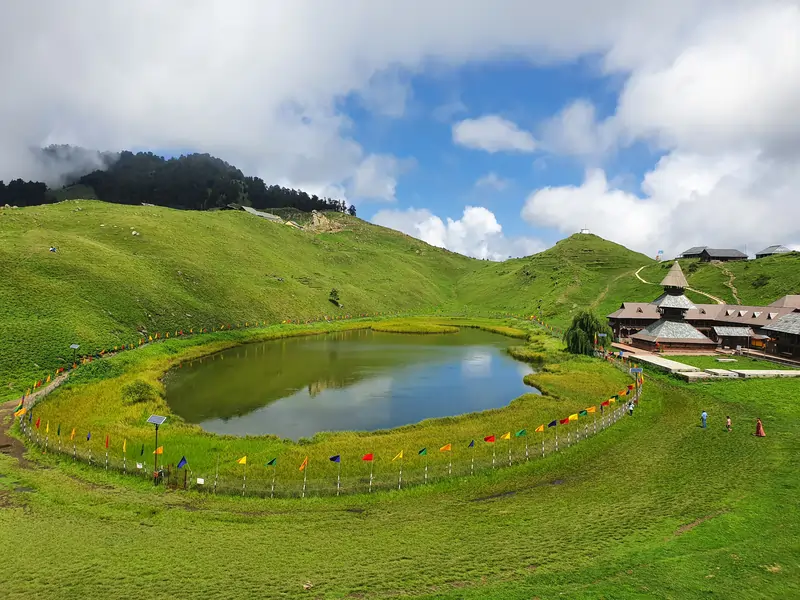
A perfect weekend trek, Prashar Lake combines stunning natural beauty with a touch of mystique and culture.
- Description: The trek leads to a serene, deep blue lake with a unique floating island. An ancient pagoda-style temple dedicated to the sage Prashar stands by its banks.
- Details: This is a 2-day trek, easily accessible from Mandi. The maximum altitude is a very manageable 2,730 metres (8,960 feet).
- Highlights: The panoramic 180-degree view of the Dhauladhar, Pir Panjal, and Kinnaur mountain ranges from the lake is simply spectacular.
- Why for Beginners: The low altitude and short duration mean there is almost no risk of AMS, and the well-defined trail makes it easy to navigate.
Preparing for Your First Himalayan Trek: A Step-by-Step Guide
Once you’ve chosen your trek, the detailed preparation begins. A methodical approach will ensure you don’t miss any crucial steps.
Planning and Booking
- Agency or Solo? For a first-timer, going with a reputable trekking agency is highly recommended. They handle logistics like permits, food, and accommodation, and provide experienced guides, which is invaluable for safety.
- Book in Advance: Book your trek, flights, and any necessary accommodation well in advance, especially if you plan to travel during the peak season.
- Share Your Itinerary: Always leave a detailed copy of your itinerary with family or friends back home.
Physical and Mental Preparation
- Start Training Early: Begin your physical preparation at least 2-3 months before your trek. Consistency is more important than intensity.
- Practice Hikes: If possible, go on a few long day hikes in your local area. Wear the boots and backpack you intend to use on the trek to get used to them.
- Mental Resilience: Understand that there will be challenging moments. The weather might turn, you might feel tired, or the climb might be steeper than you expected. A positive and flexible mindset is your most powerful tool.
On-Trek Etiquette
- Leave No Trace: This is a fundamental principle of responsible trekking. Pack out everything you pack in, including all your rubbish. Stay on the designated trails to avoid eroding the landscape.
- Support Local: Whenever possible, buy local handicrafts or snacks from village shops. This contributes directly to the local economy.
Safety Tips for Himalayan Treks
Safety should always be your top priority. While trekking agencies and guides play a huge role, personal responsibility is key.
Staying Hydrated and Preventing Altitude Sickness
- Drink, Drink, Drink: Carry a reusable water bottle or hydration pack and sip water continuously throughout the day.
- Purify Water: Never assume that stream water is safe to drink. Use a water filter, purification tablets, or a UV steriliser.
- Know the Symptoms of AMS: These include headache, nausea, dizziness, and fatigue. If you experience these symptoms, do not ascend further. Inform your guide immediately. If they worsen, the only cure is to descend to a lower altitude.
Dealing with Weather and Navigation
- Be Prepared for Anything: Mountain weather is notoriously fickle. Even on a sunny day, you should carry warm layers and waterproofs in your backpack.
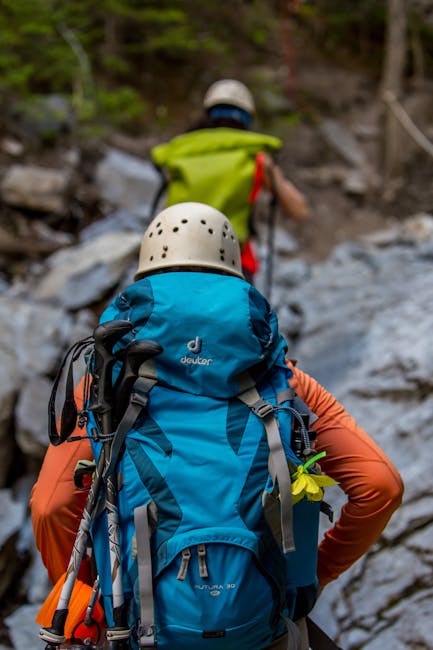
- Trust Your Guide: If you are with a guide, trust their expertise in navigation and decision-making. If trekking independently, always carry a map and compass (and know how to use them) or a reliable GPS device.
Emergency Procedures
- First-Aid Kit: Carry a personal first-aid kit with essentials like blister plasters, antiseptic wipes, painkillers, and any personal medications.
- Emergency Communication: While mobile networks are unreliable, your guide will likely have a satellite phone or walkie-talkie for emergencies. Knowing the emergency procedures and contact numbers is crucial.
Conclusion
Embarking on your first Himalayan trek is a significant step, a commitment to pushing your boundaries and experiencing the world in a new way. The trails of the Indian Himalayas, with their stunning beauty, cultural depth, and welcoming nature, offer the perfect setting for this inaugural adventure. From the snowy heights of Kedarkantha to the floral meadows of the Valley of Flowers, there is a path waiting for every aspiring trekker.
The key to a successful journey lies in thorough preparation. By respecting the mountains, training your body, and equipping yourself with the right knowledge and gear, you transform a daunting challenge into an achievable and deeply rewarding experience. You will return not just with photographs and memories, but with a newfound sense of confidence and a profound connection to the greatest mountain range on Earth.
So, take that first step. Research, prepare, and then go. The mountains are calling.
We would love to hear about your trekking plans or answer any questions you might have. Share your thoughts in the comments below!