Cycling Routes in India That Will Take Your Breath Away

India, a land of staggering diversity, offers a kaleidoscope of experiences for the intrepid traveller. From the snow-dusted peaks of the Himalayas to the sun-drenched coastlines of the south, its landscapes are as varied as its cultures. In recent years, a growing number of adventurers are discovering that one of the most intimate and rewarding ways to explore this incredible country is on two wheels. Cycling tourism is no longer a niche pursuit but a burgeoning movement, as people seek to connect with the land, its people, and its rhythms in a more profound way.
This article is your guide to some of the most breathtaking and unforgettable cycling routes India has to offer. We will journey through misty tea plantations, ancient royal highways, and some of the highest mountain passes in the world. We will also cover the essential preparations you’ll need to consider, from climate and terrain to permits and gear. Get ready to embark on a virtual cycling journey that will inspire your next great adventure.
The Western Ghats: A Ride Through Lush Greenery
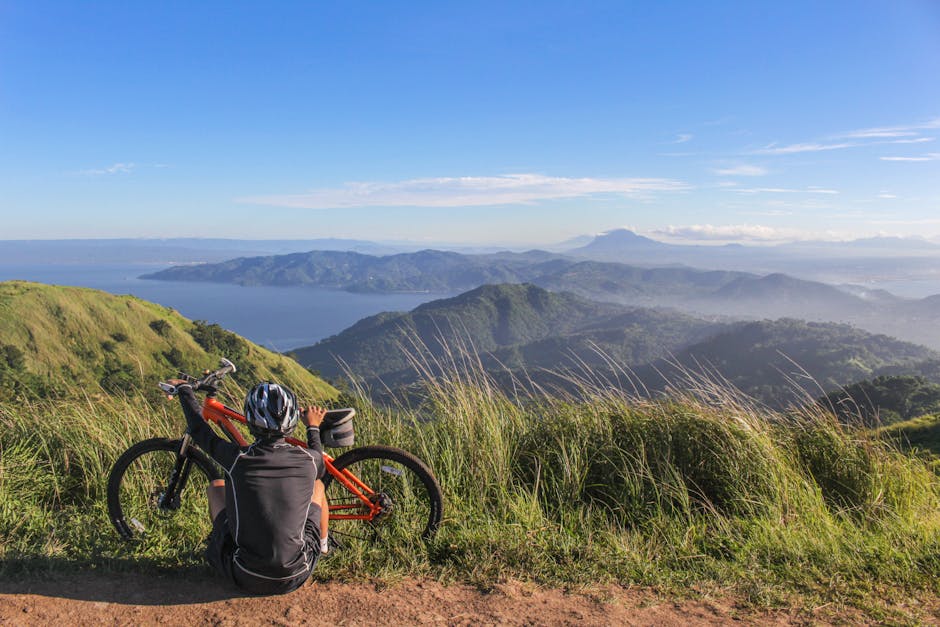
Stretching parallel to the western coast of the Indian peninsula, the Western Ghats are a UNESCO World Heritage Site and one of the world’s most important biodiversity hotspots. For cyclists, this mountain range is a paradise of winding roads, mist-covered hills, cascading waterfalls, and an endless expanse of green. The air here is thick with the scent of spices, coffee, and damp earth, making every pedal stroke a sensory delight.
A particularly spectacular route takes you from the coffee country of Coorg in Karnataka to the rolling tea estates of Munnar in Kerala. This journey is a true immersion into the heart of South India’s natural bounty. You’ll cycle through dense forests, past fragrant spice gardens where cardamom and pepper grow wild, and alongside meticulously manicured coffee and tea plantations that carpet the hillsides in a vibrant emerald green. The terrain is demanding, with plenty of challenging climbs and exhilarating descents, making it best suited for intermediate to experienced cyclists who are comfortable with hilly landscapes.
The ideal time to undertake this journey is during the post-monsoon season, from September to February. During these months, the landscape is at its most verdant, the waterfalls are in full flow, and the weather is pleasantly cool and clear. Accommodation is plentiful, ranging from charming homestays where you can experience local hospitality to luxurious resorts nestled amidst the plantations.
As someone who has cycled this route, I can attest to its magic. I’ll never forget the feeling of cresting a particularly gruelling climb near Munnar, legs burning, only to be greeted by a panoramic view of tea gardens stretching to the horizon, with the morning mist slowly lifting to reveal the valley below. It’s moments like those that make the effort entirely worthwhile. When cycling here, always be mindful of the winding roads and occasional traffic from local jeeps. Carry ample water and a good repair kit, as services can be sparse between towns. Plan your adventure in the Western Ghats, and you’ll be rewarded with one of the most scenic rides of your life.

Rajasthan: Cycling Through Royal Heritage
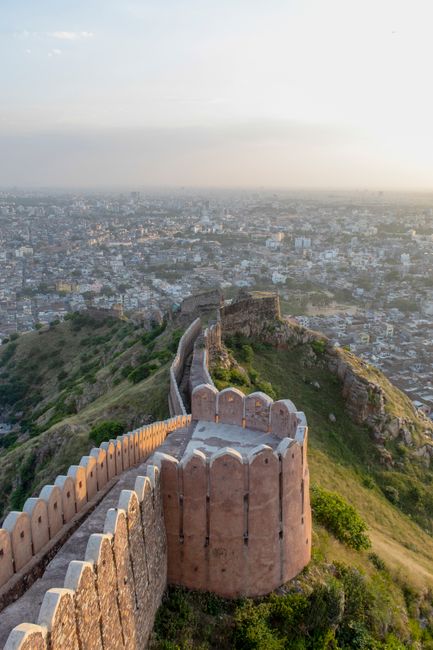
From the verdant hills of the south, our journey now takes us to the sun-drenched, arid landscapes of Rajasthan in the north. This is the land of maharajas, magnificent forts, opulent palaces, and a culture so vibrant it seems to colour the very desert air. Cycling here is like riding through the pages of a history book, where every turn in the road reveals another story of valour, romance, and royalty.
A classic route that captures the essence of the region is the journey from the “Pink City” of Jaipur to the “City of Lakes,” Udaipur. This path takes you through the heart of Rajasthan’s heritage. You’ll have the chance to marvel at the imposing Amber Fort in Jaipur, visit the holy town of Pushkar with its sacred lake, and explore the legendary Chittorgarh Fort, a symbol of Rajput pride and resilience. The terrain is generally flat with some gentle rolling hills, making it accessible to most cyclists with a reasonable level of fitness. The roads are mostly paved, though you’ll encounter rural stretches that add to the adventure.
The best time to cycle in Rajasthan is during the cooler winter months, from October to March, when the daytime temperatures are comfortable for riding. Accommodation along this route is an experience in itself. You can choose to stay in restored heritage hotels (havelis), offering a taste of royal living, or opt for more modest guesthouses and even desert campsites under the stars.
When cycling in Rajasthan, it’s important to be respectful of the local culture. Dress modestly, especially when visiting temples or rural villages. The local people are known for their warmth and hospitality, and a friendly “namaste” will go a long way. Don’t miss the opportunity to sample the local cuisine; a hearty meal of dal baati churma is the perfect way to refuel after a long day in the saddle. Immerse yourself in the history and culture of this incredible state before you go, and your journey will be all the richer for it.
Ladakh: Conquering the Himalayas on Two Wheels
For the ultimate cycling challenge, look no further than Ladakh. Known as the “Land of High Passes,” this high-altitude desert region in the Himalayas is a place of raw, stark beauty. The landscape is a dramatic canvas of barren mountains in shades of ochre and purple, deep blue skies, and ancient Buddhist monasteries clinging precariously to cliffsides. Cycling here is not just a physical test; it’s a spiritual journey that will push your limits and reward you with a profound sense of accomplishment.
The quintessential Ladakhi cycling expedition is the route from Leh to the Nubra Valley via Khardung La. At a claimed altitude of 18,380 feet, Khardung La is one of the highest motorable passes in the world, and conquering it on a bicycle is a bucket-list achievement for any serious cyclist. The journey offers breathtaking views, takes you past serene monasteries like Diskit, and can be extended to the otherworldly Pangong Tso lake, whose waters change colour throughout the day. This route is extremely challenging due to the high altitude, thin air, and steep, relentless climbs. It is suitable only for experienced, fit, and well-acclimatized cyclists.
The cycling season in Ladakh is short, restricted to the summer months from June to September when the passes are clear of snow. Accommodation options include guesthouses and hotels in Leh and smaller towns, as well as homestays and campsites in more remote areas.
Health and safety are paramount in Ladakh. Acclimatization is not optional; you must spend several days in Leh (which is at 11,500 feet) before attempting any strenuous activity. Altitude sickness is a serious risk, and it’s crucial to recognise its symptoms. According to the NHS, symptoms can include headache, nausea, and dizziness. Ascend slowly, stay hydrated, and consider carrying medication for altitude sickness after consulting your doctor. You will also need an Inner Line Permit to visit areas like Nubra Valley and Pangong Tso, which can be easily arranged in Leh. Prioritise your health and prepare thoroughly; this Himalayan adventure will be an experience you’ll carry with you forever.

Kerala: Coastal Cycling Through Tropical Paradise
If the high-altitude challenge of Ladakh sounds too daunting, the gentle, tropical landscapes of Kerala offer a completely different but equally enchanting experience. Known as “God’s Own Country,” Kerala is a serene paradise of tranquil backwaters, palm-fringed beaches, and lush greenery. Cycling here is a relaxed and rejuvenating affair, perfect for riders of all levels.
A delightful coastal route runs from the historic port city of Kochi to the backwater hub of Alleppey (Alappuzha). This journey is a feast for the senses. You’ll ride along quiet coastal roads, with the Arabian Sea on one side and groves of coconut trees on the other. The route takes you through charming fishing villages where you can watch fishermen bring in their daily catch using traditional Chinese fishing nets. The terrain is almost entirely flat, making for easy and enjoyable cycling.
The best time to visit is during the winter months, from September to March, when the weather is dry and the humidity is low. Kerala offers a unique accommodation experience: the houseboat. In Alleppey, you can hire a traditional Kettuvallam (houseboat) and spend a night floating on the serene backwaters, a network of lakes, canals, and lagoons. Beach resorts and homestays are also widely available.
While in Kerala, immerse yourself in the local culture. Witness a mesmerising Kathakali dance performance and indulge in the delicious local cuisine, which features an abundance of fresh seafood cooked with coconut and spices. Don’t miss the chance to book a houseboat stay in advance, as it’s a popular experience that provides a unique perspective on life in the backwaters.

Sikkim: Exploring the Eastern Himalayas
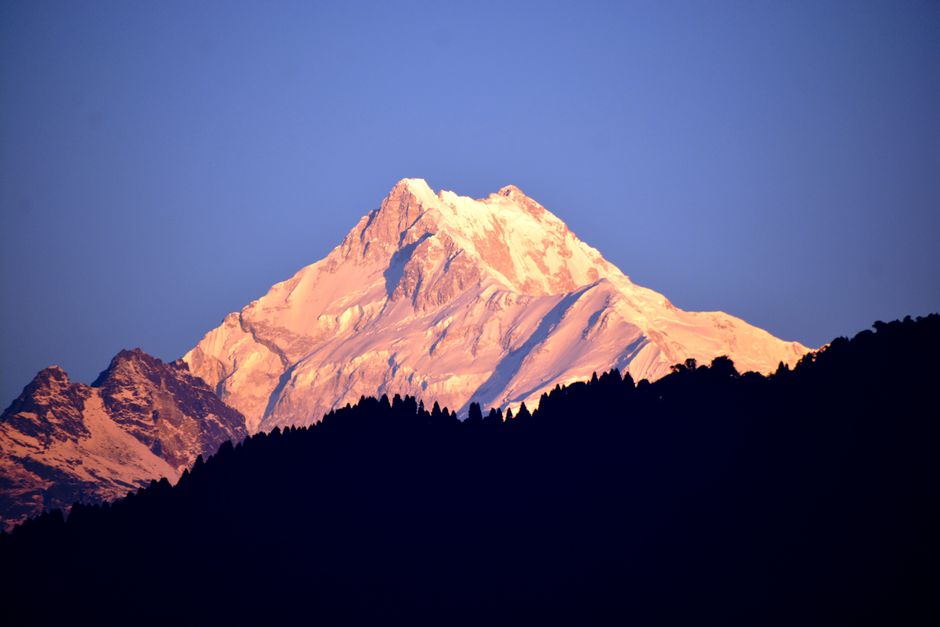
Nestled in the Eastern Himalayas, the small state of Sikkim is a land of dramatic mountain vistas, vibrant Buddhist culture, and pristine natural beauty. It offers some of the most awe-inspiring cycling in India, with challenging climbs that reward you with breathtaking views of Kanchenjunga, the third-highest mountain in the world.
A popular and challenging route for experienced cyclists is the ride from the capital, Gangtok, to the historic town of Pelling. This journey is a pilgrimage through Sikkim’s rich spiritual heritage. You’ll visit some of the state’s most important monasteries, including the grand Rumtek Monastery, the serene Tashiding Monastery, and the ancient Pemayangtse Monastery, from where the views of Kanchenjunga are simply sublime. The terrain is consistently hilly and demanding, with long, steep ascents and descents that require a high level of fitness and good bike handling skills.
The best times to cycle in Sikkim are during the spring (March to May) and autumn (September to November) when the skies are clear, offering the best mountain views, and the weather is pleasant. Accommodation is available in the form of hotels, guesthouses, and welcoming homestays that offer a glimpse into the local way of life.
Sikkim is a region with strong local customs and traditions, and it’s important to be a respectful visitor. Certain areas, particularly those near the border, require a Restricted Area Permit (RAP) or Protected Area Permit (PAP), which can be obtained in Gangtok. Immerse yourself in the spiritual side of Sikkim by taking the time to visit the local monasteries and learn about their history and significance.
Essential Gear and Preparation for Cycling in India
Regardless of which route you choose, proper preparation and the right gear are crucial for a safe and enjoyable trip. India’s diverse conditions demand careful planning.
First and foremost is your bicycle. For the mountainous terrains of Ladakh and Sikkim, a sturdy mountain bike with good suspension and a wide range of gears is essential. For the smoother roads of Rajasthan and Kerala, a hybrid or touring bike would be more suitable. Ensure your bike is fully serviced and in excellent condition before you leave.
Your essential gear list should include:
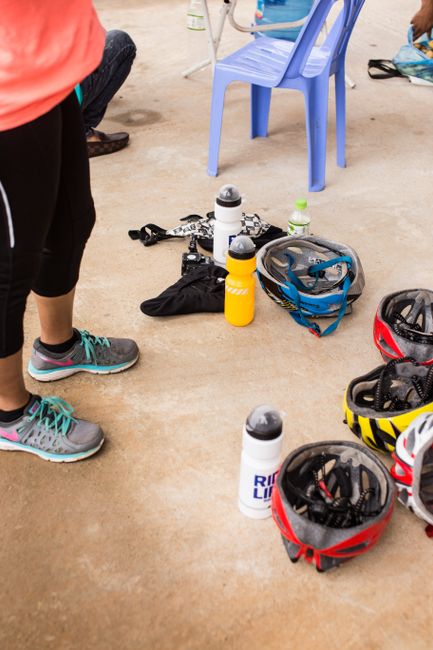
- A high-quality helmet: This is non-negotiable.
- Padded cycling shorts and gloves: For comfort on long rides.
- Sunglasses and sun cream: To protect against the strong Indian sun.
- Water bottles or a hydration pack: Staying hydrated is critical.
- A comprehensive repair kit: Including spare tubes, a pump, tyre levers, and a multi-tool.
- A basic first-aid kit: With antiseptic wipes, bandages, and any personal medications.
Clothing should be chosen based on the climate. Layering is key for mountain regions where temperatures can fluctuate dramatically. Always pack a waterproof and windproof jacket. For warmer regions, lightweight, breathable fabrics are best.
Always carry more water than you think you’ll need, as well as energy-rich snacks like nuts and energy bars. For navigation, a reliable GPS device or a smartphone with offline maps is invaluable, though it’s always wise to have a physical map as a backup. Finally, learning some basic bicycle repair skills, like fixing a puncture, can save you from being stranded in a remote area. Ensure you’re fully prepared by creating a detailed checklist before your trip.
Conclusion
India offers a cycling adventure for every type of rider. From the serene backwaters of Kerala to the formidable peaks of the Himalayas, the country’s diverse landscapes provide a stunning backdrop for exploration on two wheels. Each route offers not just a physical challenge but a deep cultural immersion, connecting you with the land and its people in a way that no other form of travel can.
A successful cycling trip in India hinges on thorough planning and preparation. By choosing the right route for your fitness level, travelling at the best time of year, and equipping yourself with the proper gear, you can ensure a safe, memorable, and deeply rewarding experience. So, pack your panniers, tune up your bike, and embark on an adventure of a lifetime. The open roads of India are waiting.
Have you cycled in India? We’d love to hear about your experiences. Please share your favourite routes and recommendations in the comments below!