Chadar Trek: How to Prepare for Frozen River Adventure

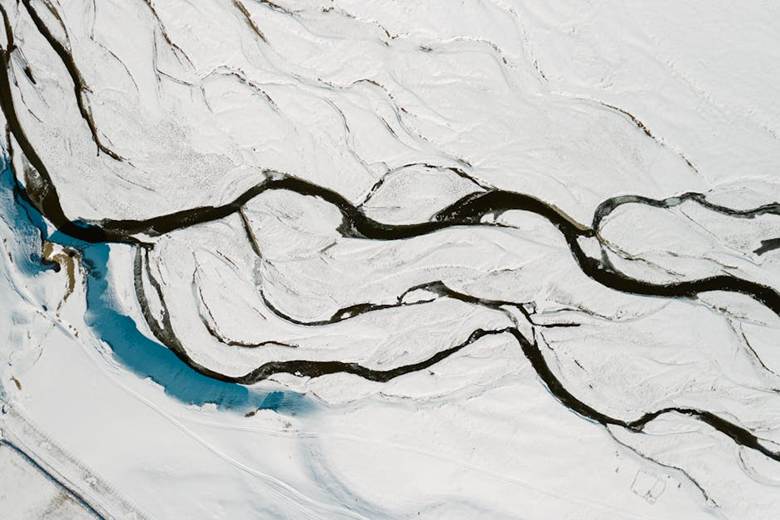
The Chadar Trek, a journey across the frozen Zanskar River in the heart of Ladakh, India, is more than just a trek; it is a pilgrimage into a world of ice and silence. Its name, ‘Chadar’, translates to ‘blanket’, aptly describing the sheet of ice that covers the river, creating a surreal pathway through some of the most remote and breathtaking landscapes on Earth. However, this unique appeal comes with extreme conditions. With temperatures plummeting to -35°C and the trail itself being a dynamic, frozen river at high altitude, this adventure is not for the faint-hearted or the unprepared.
Thorough preparation is not just recommended; it is absolutely critical for your safety and enjoyment. This trek demands specific physical fitness, meticulous acclimatisation, and a deep respect for the harsh yet beautiful environment. This article serves as your comprehensive guide, covering every essential aspect of preparing for the Chadar Trek. We will delve into physical and mental training, essential gear, safety protocols, and the principles of responsible trekking. Read on to discover how to prepare for a safe, successful, and truly unforgettable frozen river adventure.
Understanding the Chadar Trek
Before embarking on this epic journey, it’s crucial to understand what it entails. The Chadar Trek is a point-to-point trek that typically spans 6 to 9 days, covering a distance of approximately 65 kilometres. The route follows the frozen Zanskar River from the village of Chilling to the remote village of Nerak, passing through stunning gorges and past landmarks like Tilat Sumdo and Shingra Koma. The entire region is situated at a high altitude, with the trek itself hovering around 11,000 feet (3,350 metres).
The Zanskar region in winter is a land of extremes. Daytime temperatures might hover around -10°C, but they can plummet to a bone-chilling -35°C after sunset. The landscape is stark, raw, and incredibly beautiful, with the frozen river carving a path through towering, snow-dusted canyons. For the local Zanskari people, this frozen river is not just a trekking route; for centuries, it has been their only land link to the outside world during the harsh winter months when high mountain passes are blocked by snow. Walking the Chadar is to walk a path of ancient tradition and cultural significance.
However, the beauty of the Chadar is matched by its inherent risks. The ice is in a constant state of flux; it can be thick and stable in one section and dangerously thin in another. The weather can change in an instant, and the risks of frostbite and Acute Mountain Sickness (AMS) are ever-present. This is why trekking with experienced local guides and obtaining the proper permits are non-negotiable aspects of planning this adventure.

Physical Fitness and Training
The Chadar Trek is physically demanding. While it doesn’t involve steep ascents like other Himalayan treks, the combination of high altitude, extreme cold, and walking on a slippery, uneven surface for hours on end requires a high level of fitness. Your preparation should begin at least two months before your departure.
Cardiovascular Fitness: At high altitudes, the air contains less oxygen, forcing your heart and lungs to work harder. Excellent cardiovascular fitness is paramount.
- Recommended Exercises: Incorporate running, swimming, or cycling into your routine 3-4 times a week.
- Training Goal: A good benchmark to aim for is the ability to run 5 kilometres in under 30 minutes. This indicates a strong aerobic base that will serve you well on the trek.
Strength Training: Strong legs and a stable core are essential for maintaining balance on the ice and carrying your daypack without strain.
- Recommended Exercises: Focus on exercises like squats, lunges, calf raises, and planks. These build the necessary muscle groups for stability and endurance.
- Frequency: Aim to include strength training sessions 3-4 times a week, alternating with your cardio workouts.
Stamina and Endurance: You will be walking for 5-6 hours each day. Building stamina is crucial to avoid exhaustion.
- Practice Hikes: The best way to prepare is to simulate the activity. Go for long walks on uneven terrain, ideally wearing the trekking boots you plan to use.
- Weighted Backpack: Start walking with a backpack weighing around 10 kg. This will prepare your shoulders and back for carrying your daypack and help build overall endurance.
From my own experience preparing for high-altitude treks, I cannot overstate the value of a structured training plan. I found that incorporating weighted pack walks into my routine for two months prior made a significant difference in my endurance and confidence on the trail. Don’t wait until the last minute; start your training today to give your body the best chance to adapt and perform.

Acclimatisation: Adapting to High Altitude
Acclimatisation is the process by which your body gradually adjusts to the lower oxygen levels at high altitude. Rushing this process is the primary cause of Acute Mountain Sickness (AMS), a potentially life-threatening condition. According to the NHS, symptoms of AMS can include headache, nausea, dizziness, and fatigue.
Acclimatisation Schedule:
- Arrive in Leh Early: Leh, the starting point for the trek, is at an altitude of 11,500 feet. It is mandatory to spend at least 3-4 days here before starting the trek. This period is not for sightseeing; it is for resting and allowing your body to adapt.
- Rest and Hydrate: During your first couple of days in Leh, avoid any strenuous activity. Take short, gentle walks around the town, drink plenty of water, and allow your body to adjust.
- Gradual Ascent: The principle of “climb high, sleep low” is key. While the Chadar Trek doesn’t have major altitude gains, it’s still important to take it slow and listen to your body.
Hydration and Diet:
- Water is Key: Dehydration can mimic and worsen the symptoms of AMS. Aim to drink at least 4-5 litres of water per day.
- High-Carbohydrate Diet: A diet rich in carbohydrates can help your body use oxygen more efficiently at altitude. Focus on meals with rice, pasta, potatoes, and bread.
Medication: Some trekkers consider using Diamox (acetazolamide) to help prevent AMS. However, it is crucial to consult your doctor before taking any medication. Diamox is not a magic bullet and is no substitute for proper, gradual acclimatisation. The most important rule is to listen to your body. If you experience severe symptoms of AMS, the only cure is to descend to a lower altitude immediately.
Essential Gear and Clothing
Packing the right gear is critical for a safe and comfortable Chadar Trek. The extreme cold means that quality is more important than quantity. The key is layering, which allows you to regulate your body temperature by adding or removing clothes as needed.
Comprehensive Gear Checklist:
- Clothing (Layering System):
- Base Layer: 2-3 pairs of thermal underwear (merino wool is excellent for its warmth and moisture-wicking properties).
- Mid Layer: 2-3 fleece jackets or sweaters to trap heat.
- Outer Layer: A high-quality, waterproof, and windproof jacket and trousers are essential to protect you from the elements.
- Insulation Layer: A heavy down jacket (with a fill power of 700 or higher) is non-negotiable for the freezing evenings and mornings at the campsite.
- Footwear:
- Trekking Boots: Insulated, waterproof trekking boots with good ankle support are a must. Ensure they are well broken-in before the trek.
- Gumboots: Many operators provide gumboots, which are essential for sections where the ice has melted and you need to wade through ankle-deep, freezing water.
- Socks: 4-5 pairs of warm wool or synthetic trekking socks. Avoid cotton.
- Headwear and Handwear:
- Gloves: A layered system works best: a thin pair of fleece gloves underneath a thick, waterproof, and insulated pair of mittens.
- Headwear: A warm woollen cap or beanie that covers your ears, a balaclava for face protection, and a sun hat or cap for sunny days.
- Essential Accessories:
- Backpack: A 50-60 litre backpack for your main luggage (carried by porters) and a 20-30 litre daypack for your essentials.
- Sleeping Bag: This is one of your most important pieces of gear. It must be a 4-season bag rated for at least -20°C to -30°C.
- Trekking Poles: Essential for balance and stability on the ice.
- Headlamp: A good quality headlamp with extra batteries is crucial for navigating the campsite in the dark.
- Sunglasses: High-quality, UV-protection sunglasses are vital to prevent snow blindness.
- First-Aid Kit: A personal kit with blister tape, painkillers, antiseptic wipes, and any personal medications.
- Sunscreen & Lip Balm: The sun’s reflection off the snow is intense. Use a high SPF sunscreen and lip balm.
- Water Bottles: Two 1-litre insulated water bottles or a hydration reservoir with an insulated tube to prevent freezing.
Diet and Hydration
Maintaining energy levels and staying hydrated are fundamental to your well-being on the Chadar Trek. The cold and altitude place significant demands on your body, and proper nutrition is your fuel.
Hydration is Paramount: In the cold, dry air of the Himalayas, you lose a significant amount of water through respiration, and you may not feel thirsty. Dehydration can lead to fatigue, headaches, and an increased risk of AMS.
- Daily Intake: Aim to drink at least 4-5 litres of fluids per day. This can include water, herbal tea, or soup.
- Prevent Freezing: Use insulated water bottles or keep your regular bottles wrapped in a sock inside your daypack to prevent the water from freezing solid.
High-Energy Diet: Your body burns a huge number of calories just to stay warm, in addition to the energy expended while trekking. A high-carbohydrate diet is essential.
- Main Meals: Your trekking company will typically provide nutritious, hot meals. Expect dishes like porridge for breakfast, and rice, pasta, or lentils for lunch and dinner.
- Snacks: Carry your own supply of high-energy snacks for quick boosts on the trail. Good options include:
- Dried fruits and nuts
- Chocolate and energy bars
- Biscuits
What to Avoid:
- Alcohol and Caffeine: Both are diuretics and can contribute to dehydration. It’s best to avoid them completely during the trek.
- Unsafe Food: To prevent stomach issues, maintain good hygiene. Use hand sanitiser before meals and be cautious about what you eat in towns. Stick to freshly cooked food provided by your trekking team.

Permits and Regulations
The Chadar Trek takes place in a sensitive ecological and border region, and all trekkers must obtain the necessary permits. Your trekking agency will usually handle the logistics of this, but it’s important to be aware of what’s required.
- Required Permits: You will typically need an Inner Line Permit (ILP) for visiting restricted areas in Ladakh, as well as a wildlife permit. Ensure your passport and visa (for international travellers) are valid and have photocopies ready.
- Environmental Regulations: The local administration has strict rules to protect the fragile Zanskar ecosystem. This includes a ban on soap and detergents in the river and a mandate to carry all non-biodegradable waste back to Leh.
- Guides and Porters: It is mandatory to trek with a registered local guide. This is not only for your safety but also to support the local economy and ensure compliance with regulations.
- Travel Insurance: Comprehensive travel insurance is absolutely essential. Ensure your policy specifically covers high-altitude trekking (up to 4,000 metres) and includes emergency helicopter evacuation. This is a non-negotiable safety net you cannot afford to be without.
Always check the latest regulations with your tour operator or on the official Leh-Ladakh tourism websites before your trip, as rules can change.
Safety Precautions and Emergency Procedures
Safety is the number one priority on the Chadar Trek. The environment is unforgiving, and being prepared for emergencies is part of responsible trekking.
- Trek in a Group: Never attempt the Chadar Trek alone. Always go with a reputable agency that provides experienced guides, porters, and a cook. Your guide’s knowledge of the ice conditions is invaluable.
- Ice Safety: The Chadar is a living river. Your guide will lead the way, testing the ice’s thickness. Follow in their footsteps precisely. Use your trekking poles to help with balance and to probe the ice in front of you.
- First Aid: While your guide will have a comprehensive first-aid kit, you should carry your own personal kit with essentials for blisters, cuts, and pain relief. It’s also wise to take a basic first-aid course before you go.
- Emergency Procedures: Understand the emergency plan. Know who to contact and how an evacuation would be managed. Your guide will have a satellite phone for emergencies, as regular mobile networks do not work on the trail.
- Respect Local Culture: The Zanskar region has a rich Buddhist culture. Dress modestly, ask for permission before taking photographs of people, and be respectful of monasteries and local customs. This fosters a positive relationship between trekkers and the local communities.

Mental Preparation and Mindfulness
The Chadar Trek is as much a mental challenge as it is a physical one. The extreme cold, basic living conditions, and long hours of walking can be taxing. A strong, positive mindset is one of your most powerful tools.
- Mental Resilience: Be prepared for discomfort. You will be cold, you will be tired, and things may not always go to plan. The ability to stay positive and adapt to changing circumstances is key.
- Mindfulness and Presence: Instead of focusing on the discomfort, practice being present. Pay attention to the sound of the ice cracking, the sight of the towering canyons, and the feeling of the crisp air. This is a once-in-a-lifetime experience; immerse yourself in it.
- Set Realistic Expectations: The Chadar is not a luxury holiday. The itinerary can change due to weather or ice conditions. Be flexible and trust your guide’s decisions. Their priority is your safety.
I recall a moment on a particularly challenging trek where the weather turned unexpectedly. It was the mental practice of focusing on my breathing and breaking the remaining distance into small, manageable steps that saw me through, rather than any physical feat. Start practicing mindfulness techniques like deep breathing in the weeks leading up to your trek; it will help you stay calm and focused when you need it most.
Responsible Tourism and Environmental Awareness
The increasing popularity of the Chadar Trek has put immense pressure on its fragile ecosystem. As a visitor, you have a profound responsibility to protect this unique environment for future generations.
- Leave No Trace (LNT): This is the golden rule of trekking. The seven principles of LNT are simple yet powerful. The most important on the Chadar are:
- Pack It In, Pack It Out: Absolutely everything you take with you must be brought back. This includes all wrappers, tissues, and any other rubbish.
- Dispose of Waste Properly: Use the designated toilet tents provided by your trekking agency. Do not contaminate the river or the campsites.
- Leave What You Find: Do not take rocks, plants, or any other natural objects as souvenirs.
- Respect Wildlife: Observe wildlife from a distance and never feed them.
- Support Local Communities: Choose local trekking agencies, stay in local guesthouses in Leh, and buy authentic handicrafts. This ensures that the economic benefits of tourism directly support the people whose home you are visiting.
- Climate Change Awareness: The Chadar itself is a victim of climate change. Warmer winters are making the ice sheet less stable and the trekking season shorter. Be mindful of your carbon footprint and advocate for sustainable tourism practices that can help preserve this natural wonder.
Conclusion
Preparing for the Chadar Trek is an adventure in itself. It requires a dedicated commitment to physical fitness, a patient approach to acclimatisation, careful selection of gear, and a deep respect for both safety and the environment. This journey is not to be underestimated, but for those who prepare thoroughly, the rewards are immeasurable. Walking the frozen Zanskar is an opportunity to witness nature at its most raw and powerful, to challenge your own limits, and to experience a silence and solitude that is increasingly rare in our modern world.
Thorough preparation is the foundation of a safe, fulfilling, and responsible Chadar Trek experience. Use this guide as your starting point, do your own research, and invest in your training and gear. The blanket of ice awaits, and with the right preparation, you will be ready to walk it.
Have you completed the Chadar Trek? We invite you to share your own experiences and tips for preparing for this incredible journey in the comments section below.