Top 10 Festivals in India You Should Experience Once

India is not just a country; it is a vibrant tapestry woven with countless threads of diverse cultures, ancient traditions, and profound spirituality. At the heart of this cultural mosaic are its festivals, a dazzling spectacle of colour, devotion, and communal joy. To truly understand the soul of India, one must experience these celebrations firsthand. They are more than just holidays; they are a living, breathing expression of the nation’s rich heritage, offering a unique window into the stories, beliefs, and ways of life that have been passed down through millennia.
This article will guide you through the top 10 festivals in India that promise an unforgettable experience. Our selection is based on a blend of cultural significance, sheer spectacle, uniqueness, and the accessibility of the celebrations to visitors. From the luminous glow of Diwali to the riotous colours of Holi, each festival offers a distinct and deeply immersive journey. Read on to discover the top 10 festivals that should be on every traveller’s bucket list.
Diwali – The Festival of Lights
Diwali, or Deepavali, is arguably the most significant and widely celebrated festival in India. Known as the “Festival of Lights,” its glow illuminates every corner of the country, transcending regional and religious boundaries. The festival symbolises the profound spiritual victory of light over darkness, good over evil, and knowledge over ignorance. The most popular legend associated with Diwali is the return of Lord Rama to his kingdom of Ayodhya after defeating the demon king Ravana, an event celebrated by lighting rows of clay lamps (diyas) to guide him home.
The traditions of Diwali are rich and varied:
- Lighting Diyas and Candles: Homes, shops, and public spaces are decorated with thousands of small oil lamps and candles, creating a breathtaking spectacle.
- Fireworks: The night sky erupts in a dazzling display of fireworks, symbolising the joy and celebration of the occasion.
- Lakshmi Puja: Families perform a special prayer to Lakshmi, the goddess of wealth and prosperity, inviting her blessings into their homes.
- Exchanging Gifts and Sweets: It is a time for sharing, with friends and families exchanging gifts and traditional Indian sweets (mithai).
While celebrated nationwide, some places offer a truly magical Diwali experience. Varanasi, with its thousands of diyas floating on the Ganges, and Jaipur, the “Pink City,” which is bathed in golden light, are spectacular destinations. To truly immerse yourself in the festivities, plan your trip well in advance, as flights and hotels get booked up quickly. Book your Diwali experience now to witness this incredible festival of light and hope.

Holi – The Festival of Colours
Holi is an exuberant festival that marks the arrival of spring and celebrates the triumph of good over evil. It is a day of pure, unadulterated fun, where social norms are relaxed, and people from all walks of life come together to play with colours. The festival’s origin is tied to two legends: the story of Holika Dahan, where the demoness Holika was vanquished in a fire, and the playful tales of Lord Krishna applying colours to his beloved Radha.
The celebrations begin on the eve of Holi with Holika Dahan, where large bonfires are lit to symbolise the burning away of evil spirits. The following day is a free-for-all of colour. People chase each other with dry powder (gulal) and coloured water, drenching friends and strangers alike in a rainbow of hues. Special delicacies like gujiya (a sweet pastry) and thandai (a cold, spiced milk drink) are shared among all.
For an unparalleled Holi experience, head to the Braj region of Uttar Pradesh, particularly Barsana and Vrindavan, the land of Krishna. Here, you can witness the unique Lathmar Holi, where women playfully beat men with sticks. For your safety, it’s advisable to use organic, skin-friendly colours and wear sunglasses to protect your eyes. Join the colourful celebrations and let go of your inhibitions in this joyous festival.

Durga Puja – Celebrating the Divine Feminine
Durga Puja is the most important festival in West Bengal and for Bengali communities worldwide. This five-day extravaganza celebrates the victory of the warrior goddess Durga over the shape-shifting buffalo demon, Mahishasura. It is a celebration of female power (Shakti) and the triumph of good. The entire state, especially the city of Kolkata, transforms into a grand spectacle of art, culture, and devotion.
The centrepiece of the festival is the worship of exquisitely crafted clay idols of Goddess Durga. These idols are housed in elaborate temporary structures called pandals, each with a unique theme, ranging from ancient temples to contemporary social issues. Pandal hopping is the main activity, with people thronging the streets day and night to admire the artistry. The air is filled with the sound of drum beats (dhaak), devotional songs, and the aroma of delicious food.
To experience Durga Puja in all its glory, a visit to Kolkata is a must. The city comes alive with an infectious energy that is hard to describe. Be sure to sample the traditional Bengali feast, or bhog, which is served at many pandals. Experience the cultural extravaganza of Durga Puja and witness a city transformed by creativity and devotion.

Navratri – Nine Nights of Devotion
Navratri, meaning “nine nights,” is a festival dedicated to the worship of the nine forms of the goddess Durga. Celebrated across India, it takes on different forms depending on the region, but the core theme of devotion and dance remains constant. The festival is a time for spiritual reflection, fasting, and vibrant celebrations.
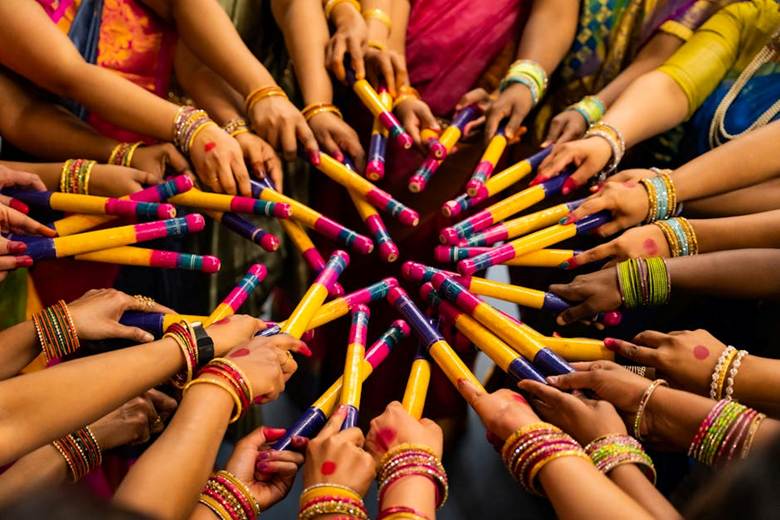
In Gujarat, Navratri is synonymous with Garba and Dandiya Raas, two energetic and graceful folk dances. Every evening, communities gather in open grounds, dressed in colourful traditional attire, and dance in concentric circles around a central shrine. In North India, Navratri is celebrated with Ramlila, theatrical enactments of the story of Lord Rama, culminating in the burning of effigies of Ravana on the tenth day, known as Dussehra.
The best place to experience the dancing fervour of Navratri is undoubtedly Gujarat, particularly in cities like Ahmedabad and Vadodara. Even if you don’t know the steps, the infectious rhythm and joyous atmosphere will soon have you joining in. Dance to the rhythm of Navratri and immerse yourself in nine nights of pure celebration.
Ganesh Chaturthi – Celebrating the Elephant-Headed God
Ganesh Chaturthi is a spectacular festival, especially in the state of Maharashtra, that honours the birth of Lord Ganesha, the beloved elephant-headed god of wisdom and good fortune. The festival spans ten days and is marked by immense devotion, grand processions, and a vibrant community spirit.
The festival begins with the installation of beautifully crafted Ganesha idols in homes and public pandals. These idols are worshipped daily with prayers, hymns, and offerings of modak, a sweet dumpling believed to be Ganesha’s favourite food. The festival culminates on the tenth day with Visarjan, where the idols are carried in grand processions accompanied by music and dancing, and immersed in the sea or other bodies of water, symbolising Ganesha’s return to his celestial abode.
Mumbai is the epicentre of Ganesh Chaturthi celebrations. The city is home to thousands of pandals, some with idols that are over 20 feet tall. The final day’s immersion procession at Chowpatty Beach is a sight to behold, drawing millions of devotees. Join the festivities of Ganesh Chaturthi and witness the incredible devotion and grandeur dedicated to the remover of obstacles.

Onam – The Harvest Festival of Kerala
Onam is the official state festival of Kerala, a vibrant harvest festival that celebrates the mythical homecoming of the benevolent King Mahabali. It is a festival of prosperity, joy, and cultural richness, showcasing the best of Keralan traditions. The celebrations last for ten days and are marked by a variety of colourful rituals.
Key traditions of Onam include:
- Pookalam: Intricate and colourful floral carpets created on the floor to welcome King Mahabali.
- Onasadya: A lavish multi-course vegetarian feast served on a banana leaf, featuring over two dozen dishes.
- Vallamkali: The famous snake boat races, where long, slender boats rowed by dozens of men compete in thrilling races.
- Cultural Performances: Traditional dance forms like Kathakali and Thiruvathira Kali are performed.
The entire state of Kerala comes alive during Onam, but the celebrations in cities like Thrissur and Trivandrum are particularly noteworthy. The Aranmula Boat Race is one of the most famous and traditional races to witness. Savour the flavours of Onam by partaking in an Onasadya and experience the unique cultural heritage of “God’s Own Country.”

Pushkar Camel Fair – A Unique Desert Spectacle
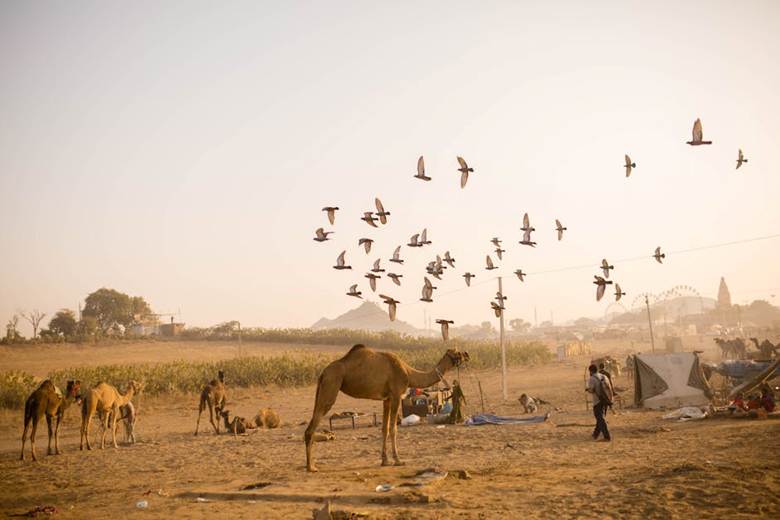
The Pushkar Camel Fair, or Pushkar Mela, is an annual five-day fair held in the small desert town of Pushkar in Rajasthan. It is one of the world’s largest camel fairs and a truly unique spectacle that blends livestock trading with vibrant cultural festivities. Thousands of camels, horses, and cattle are brought to be traded, creating a chaotic and colourful scene against the backdrop of the Thar Desert.
Beyond the trading, the fair is a cultural extravaganza. Visitors can enjoy camel races, folk music and dance performances, moustache competitions, and even a “bridal competition” for camels. The atmosphere is electric, with Rajasthani men in colourful turbans and women in traditional attire adding to the visual feast. A hot air balloon ride over the fairgrounds at sunrise offers a breathtaking perspective of the event.
The fair coincides with the holy Kartik Purnima festival, and many pilgrims come to bathe in the sacred Pushkar Lake. Be sure to try the local Rajasthani cuisine, especially Dal Baati Churma. Experience the desert magic of the Pushkar Camel Fair for a glimpse into a timeless and traditional way of life.
Hemis Festival – A Buddhist Celebration in Ladakh
Set amidst the stunning, stark landscapes of Ladakh, the Hemis Festival is a two-day Buddhist celebration held at the Hemis Monastery, the largest monastery in the region. The festival commemorates the birth anniversary of Guru Padmasambhava, who is credited with introducing Tantric Buddhism to the Himalayas. It is a deeply spiritual and visually captivating event.
The highlight of the festival is the Cham dance, a mesmerising masked dance performed by the lamas of the monastery. Dressed in elaborate silk costumes and wearing vibrant, often fearsome, masks, the dancers re-enact the triumph of good over evil in a slow, hypnotic performance accompanied by traditional Tibetan music. The festival also features the unfurling of a giant thangka (a sacred silk painting) of Guru Padmasambhava once every 12 years.
Visiting the Hemis Festival offers a profound insight into the rich Buddhist culture of Ladakh. Remember to dress modestly and be respectful of the monastic traditions. Discover the Buddhist traditions of the Himalayas and witness a spiritual performance unlike any other.

Hornbill Festival – Showcasing the Culture of Nagaland
Dubbed the “Festival of Festivals,” the Hornbill Festival is a vibrant celebration of the rich cultural heritage of the 16 major tribes of Nagaland. Held annually in the first week of December at the Kisama Heritage Village near Kohima, the festival aims to preserve and promote the unique traditions of the Naga people.
The festival is a riot of colour, music, and dance. Each tribe showcases its distinct customs, from traditional war dances and folk songs to indigenous games and rituals. Visitors can explore traditional Naga huts (morungs), admire intricate handicrafts, and sample the unique and flavourful Naga cuisine, which often features smoked meats and bamboo shoots. The festival also includes the famous Hornbill Rock Contest, which attracts bands from all over the country.
The Hornbill Festival is a fantastic opportunity to experience the diverse and fascinating cultures of Northeast India in one place. Explore the Naga heritage and witness a celebration of identity, community, and tradition.

Eid-ul-Fitr – Celebrating the End of Ramadan
Eid-ul-Fitr, the “Festival of Breaking the Fast,” is one of the most important festivals for Muslims in India and around the world. It marks the end of Ramadan, the holy month of fasting and prayer. It is a joyous occasion for feasting, family gatherings, and expressing gratitude to Allah.
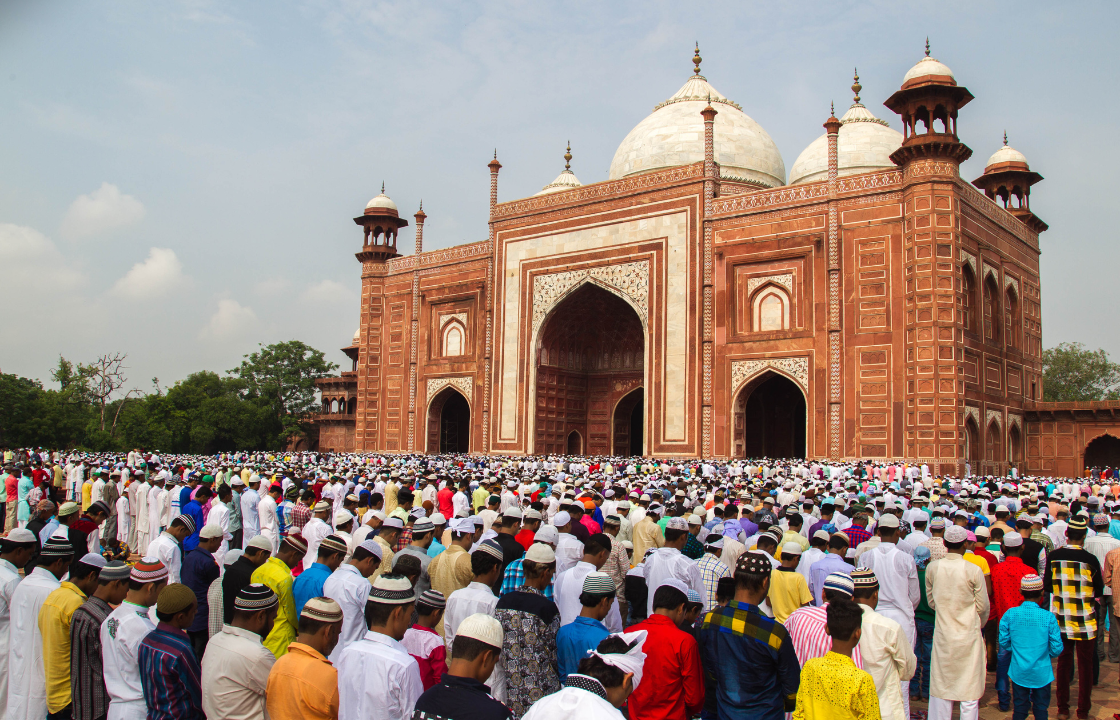
The day begins with special Eid prayers at mosques and open grounds. Afterwards, people visit friends and family, exchange gifts, and share festive meals. A key tradition is giving charity (Zakat al-Fitr) to the needy to ensure everyone can celebrate. The culinary highlight of Eid is the delicious food, especially sweets like Sheer Khurma (a vermicelli pudding) and savoury dishes like Biryani.
Cities with a rich Islamic heritage, such as Delhi, Hyderabad, and Lucknow, are fantastic places to experience Eid. The areas around major mosques like Delhi’s Jama Masjid come alive with bustling markets and a palpable sense of community and celebration. Share the joy of Eid and experience the warmth and generosity of this beautiful festival.
Conclusion
From the snow-capped mountains of Ladakh to the sun-drenched coast of Kerala, India’s festivals are a testament to its incredible diversity and enduring cultural richness. Each celebration on this list offers more than just a visual spectacle; it provides a profound opportunity for cultural immersion, connecting you to the heart and soul of the nation. Experiencing these festivals firsthand is to witness ancient traditions come to life, to share in the collective joy of a community, and to create memories that will last a lifetime.
We encourage you to plan your travels around one of these incredible events. Immerse yourself in the vibrant celebrations, and you will leave with a deeper understanding and appreciation of India’s magnificent heritage. What are your favourite Indian festival experiences? Share them in the comments below!