What It’s Like to Ride a Camel in the Thar Desert
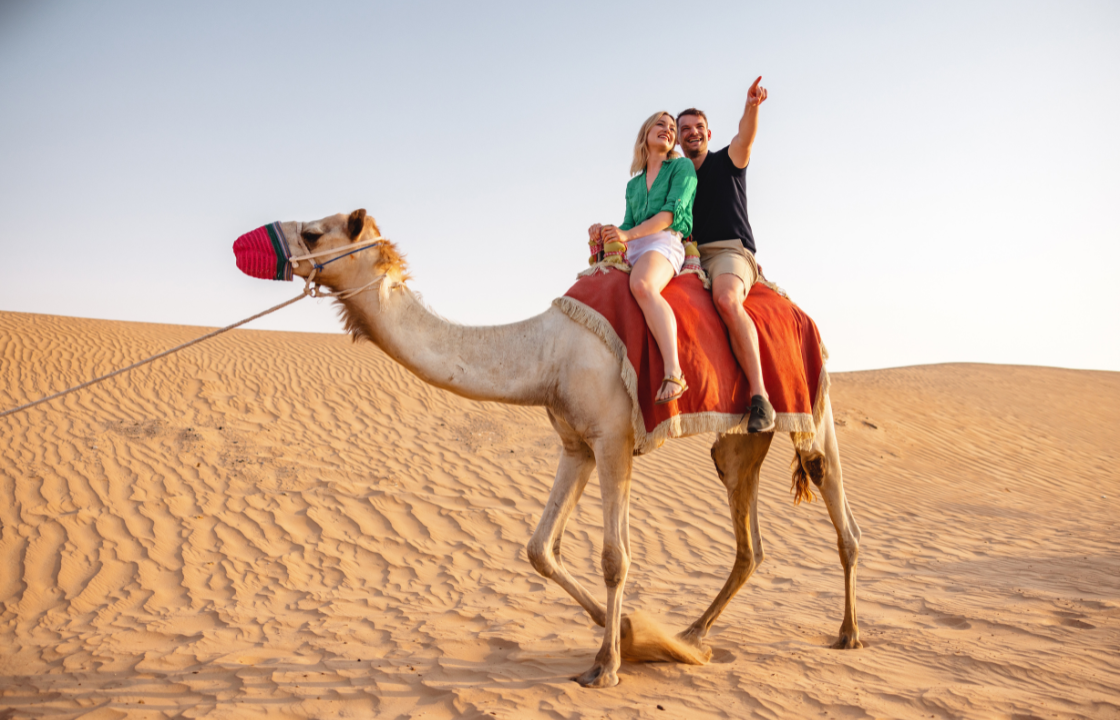
The vast, sun-drenched expanse of the Thar Desert, also known as the Great Indian Desert, is a landscape of mesmerising beauty and profound cultural heritage. Stretching across north-western India and into Pakistan, it’s a realm of shifting golden dunes, resilient wildlife, and ancient traditions. For centuries, the lifeblood of this arid land has been the camel, the stoic “ship of the desert.” To ride one is not merely a tourist activity; it is to step into a timeless narrative, to feel the pulse of the desert, and to experience a mode of existence shaped by the sun and sand.
This article offers a comprehensive guide to the experience of riding a camel in the Thar Desert. We will journey from the practical preparations and the exhilarating moment of ascent to the rhythmic sway of the ride itself. We will explore the breathtaking scenery, navigate potential challenges, and delve into the deep cultural significance of these incredible animals. Prepare to discover what it’s truly like to traverse the dunes atop a camel, an adventure that connects you to the very soul of the desert.
Preparing for the Ride
A memorable and ethical camel safari begins long before you meet your camel. Proper preparation ensures your comfort, safety, and contributes to the well-being of the animals and the local community.
Choosing a Reputable Operator
The most crucial step is selecting a tour operator or camel owner who prioritises responsible tourism. The welfare of the camels should be paramount.
- Do Your Research: Look for operators with strong, positive reviews on multiple platforms. Seek out testimonials that specifically mention the health and treatment of the camels.
- Ask Questions: Don’t be shy about asking direct questions. Inquire about how often their camels work, how much rest they get, and if they have access to veterinary care. A reputable operator will be happy to discuss their animal welfare practices.
- Check for Credentials: While formal certifications can be rare in remote areas, ask if the operator is registered with local tourism boards. This can be an indicator of professionalism and accountability. Ethical travel organisations like The Travel Foundation provide excellent resources on how to be a responsible tourist.
What to Wear for Comfort and Protection
The desert sun is relentless, and your choice of clothing is your first line of defence.
- Lightweight, Loose-Fitting Clothing: Opt for long-sleeved shirts and full-length trousers made from breathable fabrics like cotton or linen. These protect your skin from sunburn and insect bites while allowing air to circulate, keeping you cooler. Light colours are preferable as they reflect sunlight.
- Head and Eye Protection: A wide-brimmed hat is non-negotiable. It will shield your face, neck, and ears from direct sun. Combine this with high-quality, UV-protective sunglasses to guard your eyes against the intense glare and fine, blowing sand.
- Sturdy Footwear: Closed-toe shoes like trainers or walking boots are best. They protect your feet from the hot sand and any sharp objects or critters you might encounter when you dismount.
Essential Items to Bring
Packing smart means you can focus on the experience without worrying about discomfort.
- Water, Water, and More Water: Dehydration is a serious risk. Carry at least two litres of water per person, even for a short ride. Your operator should provide water, but carrying your own is a wise backup.
- Sun Protection: A high-SPF, broad-spectrum sunscreen is essential. Apply it generously to all exposed skin before you set off and reapply every couple of hours. Don’t forget a lip balm with SPF protection.
- A Small Backpack: Use a small, comfortable backpack to carry your essentials: water, sunscreen, camera, a small first-aid kit, and perhaps some snacks.
- Camera Protection: The desert sand is fine and can easily damage camera equipment. Keep your camera in a protective bag when not in use.
Understanding Basic Commands
While your guide will be in control, knowing a few basic commands can enhance your experience and connection with the camel. The commands can vary slightly by region, but your guide will appreciate the effort. Often, a gentle “Hush, hush” is used to calm the animal, while a specific guttural sound might be used to ask it to kneel. Listen to your guide and learn the basics before you mount.

The Initial Ascent
The moment you mount your camel is a unique and slightly nerve-wracking experience that you won’t soon forget.
Kneeling for the Rider
Your guide will command the camel to kneel. With a series of grunts and groans, the animal will fold its long legs beneath it, lowering its body to a more accessible height. Approach the camel calmly from the side, as instructed by your guide.
The Mounting Process
Swing your leg over the saddle, settling yourself firmly into the seat. Find the stirrups or footrests and get your balance. The saddles are often traditional wooden or leather structures, padded with colourful blankets for comfort.
The Rise
This is the most dramatic part of the process. Hold on tight to the saddle horn or provided handle. The camel rises in a two-part motion that can catch you by surprise. First, its hind legs straighten, pitching you forward. Then, with a lurch, its front legs unfold, and you are suddenly lifted high above the ground, swaying gently. The initial feeling of instability quickly gives way to a sense of awe as your perspective of the desert landscape dramatically changes.
The Riding Experience: Sensations and Scenery
Once you are settled and moving, the true magic of the camel safari begins. It’s an immersive experience that engages all your senses.
The Rhythmic Sway
A camel’s gait is unlike any other animal’s. It moves both legs on one side of its body at the same time, creating a distinctive side-to-side swaying motion. At first, you might feel the need to tense up to stay balanced, but the key is to relax and move with the animal. Let your hips sway with the rhythm, much like being on a boat gently rocking on the waves. This hypnotic motion, combined with the vast, quiet landscape, can be incredibly meditative.
Panoramic Desert Views
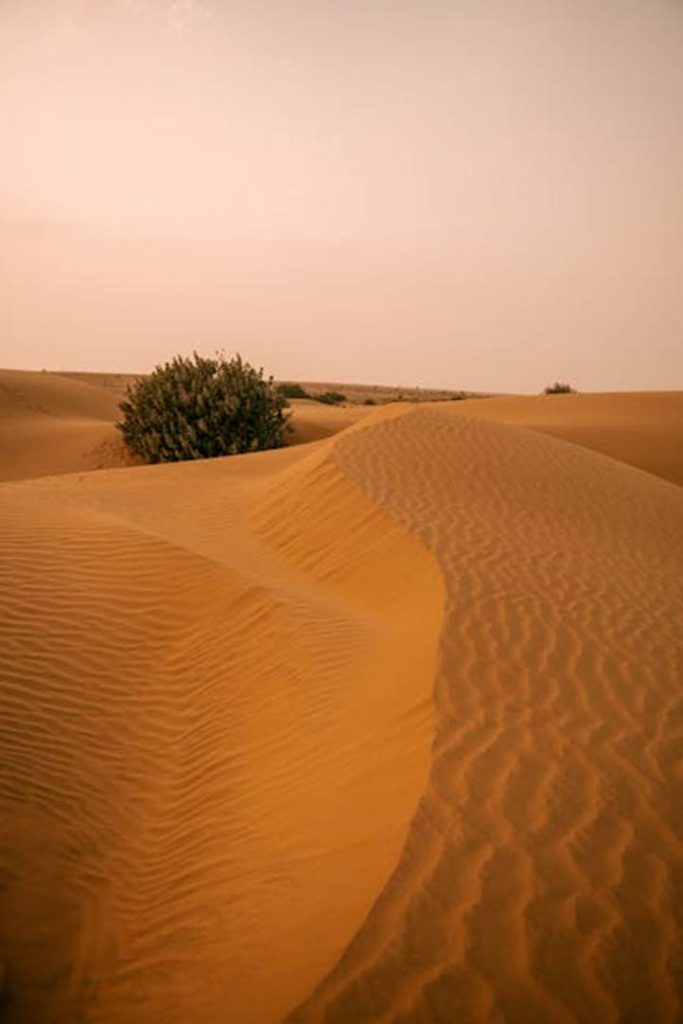
From your elevated vantage point, the Thar Desert unfolds before you in all its glory. You can see for miles across an ocean of sand, with dunes rising and falling like golden waves frozen in time. The landscape is a masterpiece of light and shadow, constantly changing as the sun moves across the sky.
- The Dunes: Observe the delicate ripples carved into the sand by the wind and the sharp, cresting lines of the larger dunes.
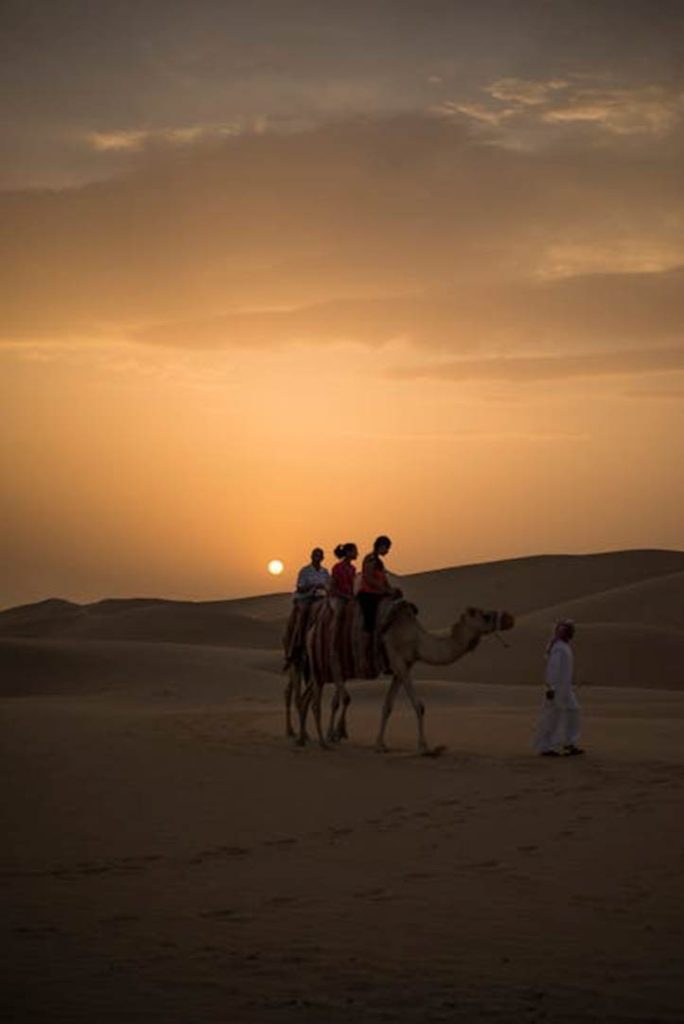
- Changing Colours: The sand transforms throughout the day, from a pale yellow in the morning light to a deep, fiery orange and red during sunset.
- Mirages: On hot days, you might witness a mirage, an optical illusion that makes the distant desert floor look like a shimmering lake.
The Sounds of the Desert
The desert is far from silent. As you ride, tune into its subtle soundtrack.
- The Camel’s Footsteps: The soft, rhythmic plodding of the camel’s large, padded feet on the sand is a constant, soothing companion.
- The Wind: Listen to the whisper of the wind as it sweeps across the dunes, sometimes carrying the distant sound of temple bells or a shepherd’s call.
- Wildlife: You might hear the chirping of desert birds or the scuttling of unseen insects. The silence between these sounds is profound, creating a deep sense of peace and isolation.
The Feel of the Elements
You are fully exposed to the elements, feeling the raw power of the desert. The sun warms your skin, while a sudden breeze provides a moment of cool relief. You can feel the fine grains of sand carried on the wind, a constant reminder of the ever-present, ever-shifting nature of your surroundings.
Potential Challenges and How to Overcome Them
While a camel safari is a fantastic adventure, it’s not without its discomforts. Being prepared for them can make all the difference.
Saddle Discomfort
Even with padding, the saddle can cause chafing and soreness, especially on longer rides. The unusual motion uses muscles you may not be accustomed to using.
- Solution: Wear comfortable, seamless trousers. Some riders find padded cycling shorts worn underneath their trousers provide excellent relief. Don’t hesitate to ask your guide to adjust the blankets or padding. Most importantly, take breaks. Dismount every hour or so to stretch your legs and restore circulation.
Dealing with the Heat
The desert heat is intense and can lead to dehydration or heat exhaustion if not managed properly.
- Solution: Hydrate relentlessly. Sip water continuously throughout the ride, even if you don’t feel thirsty. Wear your hat and sunglasses at all times, and reapply sunscreen frequently. If you start to feel dizzy, nauseous, or develop a headache, inform your guide immediately. These are early signs of heatstroke.
Managing Dust and Sand
When the wind picks up, it can whip sand into your face and eyes.
- Solution: Your sunglasses will provide good protection for your eyes. Some people prefer to wear a light scarf or bandana over their nose and mouth to filter the dust. Keep your camera and phone in a sealed bag to protect them from the fine, abrasive sand.
Communication and Culture
You are a guest in a land with its own customs and language.
- Solution: Learn a few basic words in the local language, such as “hello” (Namaste) and “thank you” (Dhanyavaad). A smile is a universal language. Be patient and respectful of your guide and the local culture. Your curiosity and respect will be met with warmth and hospitality.
Observing the Desert Wildlife
The Thar Desert is teeming with life, adapted in remarkable ways to survive the harsh conditions. A camel ride offers a unique, quiet way to observe this wildlife without disturbing it.
Spotting Desert Animals
Keep your eyes peeled for the inhabitants of the desert. The best times for spotting wildlife are in the cooler hours of the early morning and late afternoon.
- Mammals: You may be lucky enough to see the graceful Indian gazelle (Chinkara) or the elusive desert fox.
- Birds: The desert is home to numerous bird species, including eagles, vultures, and the Great Indian Bustard, a critically endangered bird for which the region is a key habitat.
- Reptiles: Various lizards and snakes are masters of camouflage, but you might spot them basking on rocks.
Respecting the Habitat
As a visitor, it is your responsibility to protect this fragile ecosystem.
- Keep Your Distance: Observe animals from afar. Never try to touch or feed them, as this can disrupt their natural behaviours and make them dependent on humans.
- Leave No Trace: Carry out everything you carry in. Do not leave any litter behind. Stick to established trails to avoid damaging delicate vegetation. According to the World Wildlife Fund, the Thar Desert ecosystem is under pressure, and responsible tourism is vital for its preservation.

The Cultural Significance of Camels in the Thar Desert
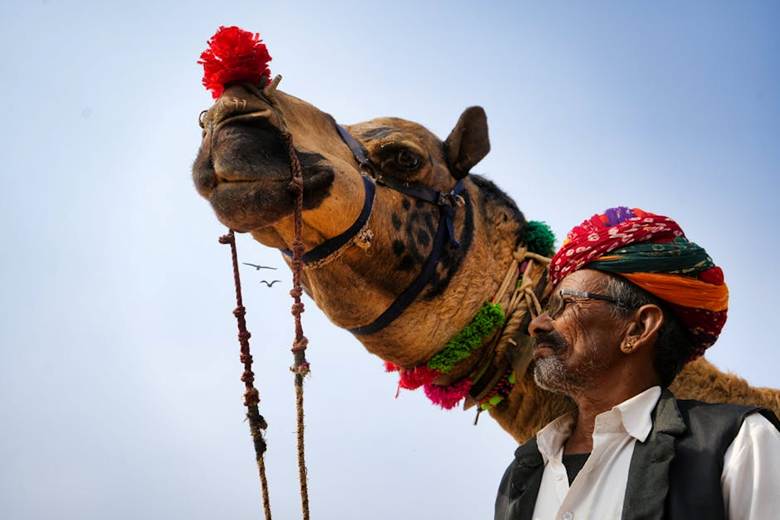
The camel is more than just a mode of transport in the Thar; it is woven into the very fabric of the region’s culture and economy.
A Lifeline for Nomadic Communities
For centuries, nomadic and semi-nomadic communities like the Raika have relied on camels. These animals are perfectly adapted to the desert, able to travel long distances with little water, carrying heavy loads of goods for trade. They are a source of milk, meat, and leather, making them indispensable for survival.
Camel Festivals and Events
The deep bond between the people of Rajasthan and their camels is celebrated in vibrant festivals. The most famous is the Bikaner Camel Festival, an annual event featuring camel races, camel milking competitions, and the famous camel dance, where owners showcase the incredible training and grace of their animals. These events are a riot of colour, music, and tradition, offering a spectacular insight into the local culture.
The Descent and Aftermath
All too soon, your ride comes to an end. The process of dismounting is the reverse of the ascent.
Kneeling for Dismount
Your guide will command the camel to kneel. Brace yourself as the camel first folds its front legs, pitching you backwards, and then its hind legs, bringing you safely closer to the ground. Swing your leg over and step onto the sand, perhaps with slightly wobbly “sea legs.”
Gratitude and Reflection
Take a moment to thank your guide and your camel. A tip for the guide is a customary and appreciated gesture. As you stand on solid ground, you’ll feel a mixture of relief and accomplishment. The desert will look different now, imbued with the memory of your journey through it.
Post-Ride Care
After the ride, take care of your body. Drink plenty of water to rehydrate, stretch your legs and back, and apply moisturiser to skin that may be dry from the sun and wind.
Conclusion
Riding a camel in the Thar Desert is an unforgettable adventure that transcends simple sightseeing. It is a sensory immersion into a unique and powerful landscape. It’s the feeling of the rhythmic sway, the sight of endless golden dunes under a vast blue sky, the sound of the wind, and the profound sense of peace that settles over you.
The experience is a bridge to another way of life, connecting you to the ancient traditions of the desert peoples and the remarkable animals that have sustained them for generations. By choosing ethical operators and travelling with respect, you not only create a lasting memory for yourself but also contribute positively to the preservation of this incredible culture and environment. If you seek an adventure that is at once thrilling, meditative, and deeply humbling, a camel safari in the Thar Desert awaits.