Exploring Old Delhi Through Its Food Lanes: A Culinary Journey Through History
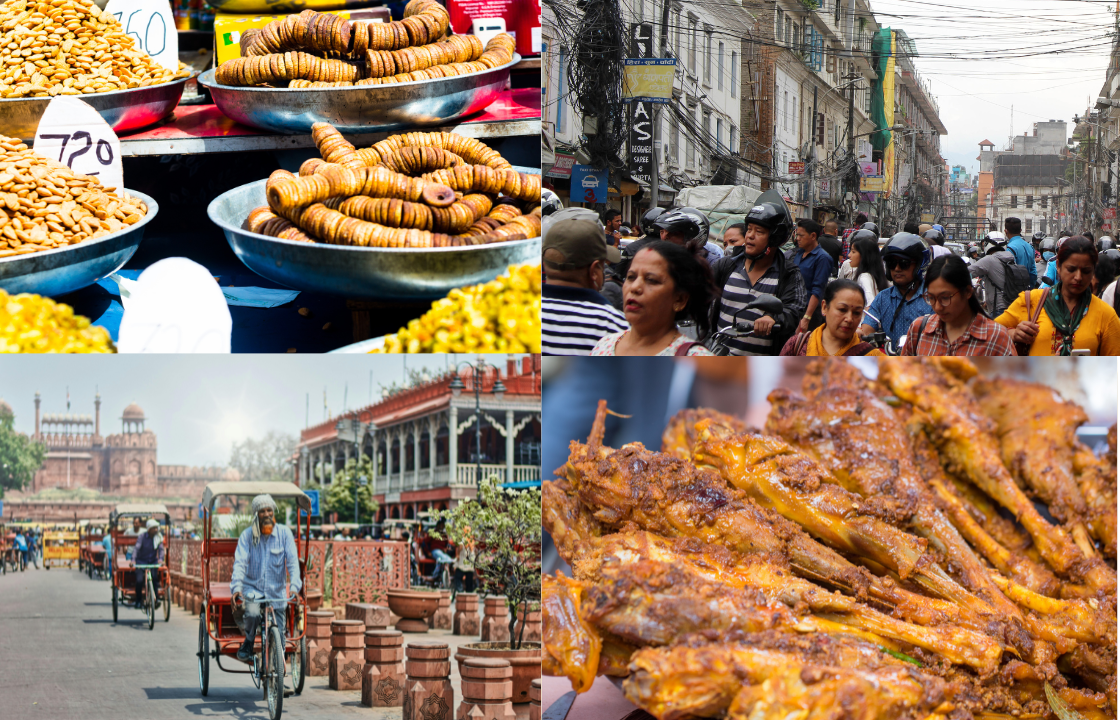
Old Delhi, or Shahjahanabad as it was originally known, is more than just a historic quarter of India’s sprawling capital. Founded in the 17th century by the Mughal Emperor Shah Jahan, it was the magnificent heart of the Mughal Empire, a centre of unparalleled culture, art, and commerce. Today, while the grandeur of its past echoes through the crumbling havelis and majestic monuments, the soul of Old Delhi lives on most vibrantly in its food. To walk through its narrow, winding lanes is to embark on a culinary pilgrimage, where every dish tells a story and every flavour is a link to a rich, layered history.
This article is your guide to that journey. We will navigate the most iconic food lanes of Old Delhi, from the chaotic thoroughfares of Chandni Chowk to the aromatic spice markets of Khari Baoli. Prepare for a sensory overload, the sizzle of oil, the call of vendors, the kaleidoscope of colours, and the intoxicating aroma of spices that hangs heavy in the air. This is not just about eating; it’s about experiencing a living museum of culinary traditions passed down through generations.

Chandni Chowk: The Epicenter of Old Delhi’s Culinary Scene
Chandni Chowk, the “Moonlit Square,” was designed by Shah Jahan’s daughter, Princess Jahanara Begum, and has been the commercial and social heart of Old Delhi for centuries. Today, it is a whirlwind of activity—a chaotic, yet mesmerising, labyrinth of rickshaws, shoppers, and food stalls. To the uninitiated, it can be overwhelming, but for the food lover, it is paradise. The air is thick with the scent of frying samosas, sweet jalebis, and fragrant curries, a symphony of aromas that beckons you deeper into its culinary embrace.
The food here is legendary, a tapestry woven from Mughal, Punjabi, and local Bania traditions. You can find everything from quick street-side snacks to elaborate meals that have been perfected over generations.
- Street Food Staples: No visit is complete without indulging in the quintessential street food. Seek out a vendor for Gol Gappe (also known as Pani Puri), crispy hollow spheres filled with spiced potatoes and chickpeas, then dunked in tangy tamarind water. Another must-try is Aloo Tikki, a spiced potato patty fried until golden and crisp, then topped with yoghurt, chutneys, and pomegranate seeds. For something cooling and savoury, head to Natraj Dahi Bhalle Wala, an institution famous for its soft lentil dumplings soaked in creamy, sweet yoghurt.
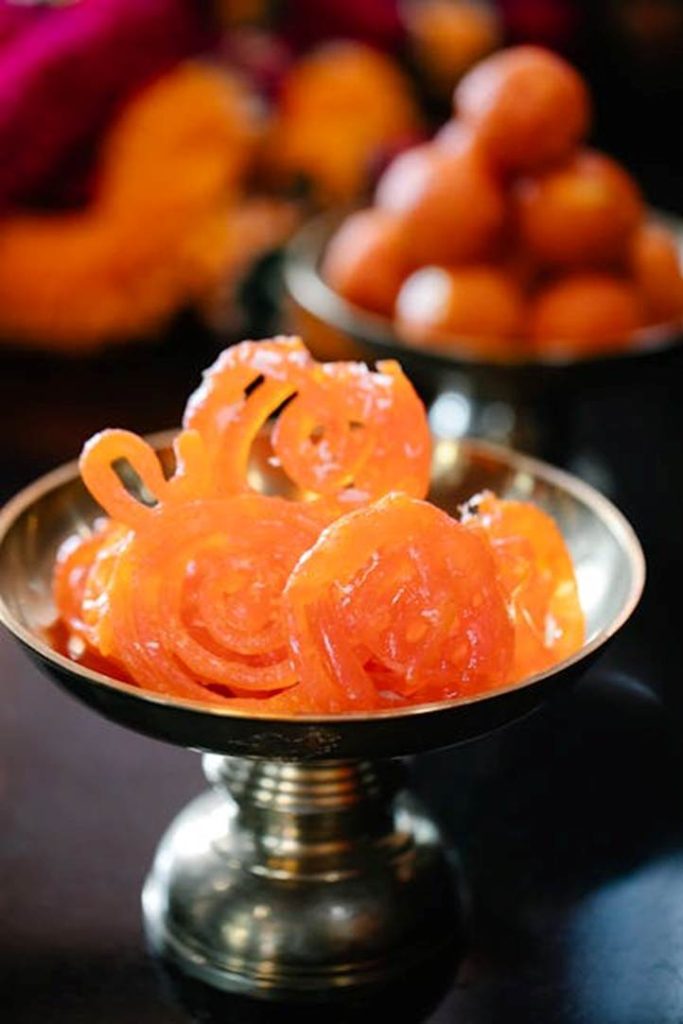
- Iconic Shops and Restaurants: For a taste of history, a visit to Karim’s is essential. Tucked away in a lane near Jama Masjid, this legendary restaurant claims a lineage dating back to the chefs of the Mughal court. Their Nihari (a slow-cooked meat stew) and succulent Kebabs are the stuff of legend. Not far from there, you’ll find the Jalebi Wala, where giant, pretzel-shaped Jalebis are fried in ghee right before your eyes and then plunged into sugar syrup, emerging impossibly crisp and sweet.
- Sweets and Desserts: Chandni Chowk is also a haven for those with a sweet tooth. Shops overflow with traditional Indian sweets like Barfi, Peda, and Halwa. The sheer variety is staggering, offering a glimpse into the rich dessert culture of North India.
The best time to explore Chandni Chowk’s food scene is late morning or early evening, when the stalls are in full swing but the crowds are slightly more manageable. I remember my first time trying to navigate these lanes, feeling a mix of excitement and apprehension. But a single bite of a perfectly crisp, chutney-laden aloo tikki made it all worthwhile, a moment of pure culinary bliss amidst the chaos.
Chawri Bazaar: A Journey Through Vegetarian Delights
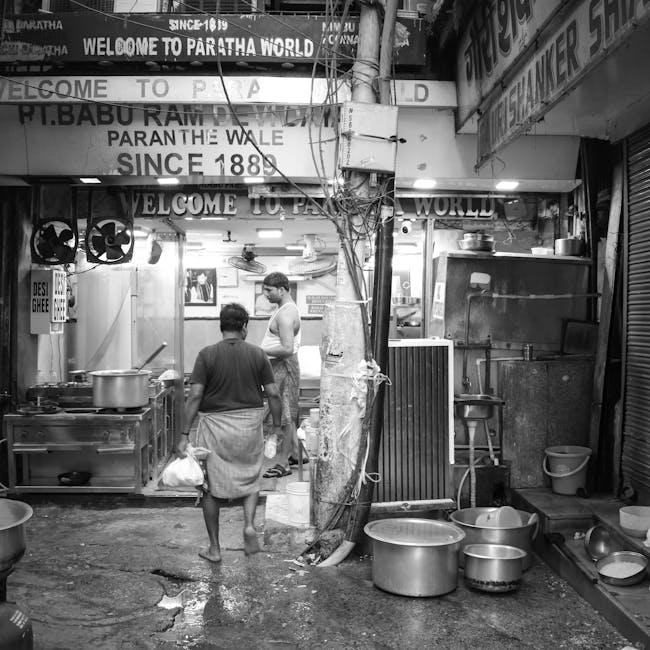
A short walk from Chandni Chowk lies Chawri Bazaar, historically known as a market for brass, copper, and paper. While those trades still exist, the area has also carved out a reputation as a sanctuary for vegetarian food lovers. The culinary landscape here is distinct, reflecting the traditions of the Marwari and Bania merchant communities who have long called this area home.
The focus is on pure, unadulterated flavours, with dishes that are both hearty and satisfying. This is where you come for a traditional North Indian breakfast or a wholesome vegetarian meal that feels like it came straight from a family kitchen.
- Bedmi Puri with Aloo Sabzi: This is the quintessential Chawri Bazaar breakfast. Bedmi Puri are deep-fried breads made from wheat flour and ground lentils, giving them a slightly coarse texture and savoury flavour. They are served with a spicy, tangy potato curry (Aloo Sabzi) that perfectly complements the richness of the puri.
- Nagori Halwa: A unique and delightful combination, Nagori Halwa consists of tiny, crispy puris served with a sweet, rich semolina halwa. You break the puri and stuff it with the halwa for a bite that is simultaneously crispy, soft, sweet, and savoury.
- Parathas: While the famous “Parathewali Gali” is technically in Chandni Chowk, the influence of stuffed flatbreads is felt throughout the area. Here you can find a wide variety of parathas, filled with everything from potatoes and cauliflower to lentils and paneer.
- Lassi: To wash it all down, a tall glass of Lassi is a must. This creamy, frothy yoghurt drink is served in traditional clay cups (kulhads) and can be enjoyed sweet or salted.
The vegetarianism of Chawri Bazaar is deeply rooted in the cultural and religious practices of its community. It’s a testament to the incredible diversity of Indian cuisine, where even without meat, the flavours are bold, complex, and deeply satisfying.
Jama Masjid Area: A Paradise for Meat Lovers
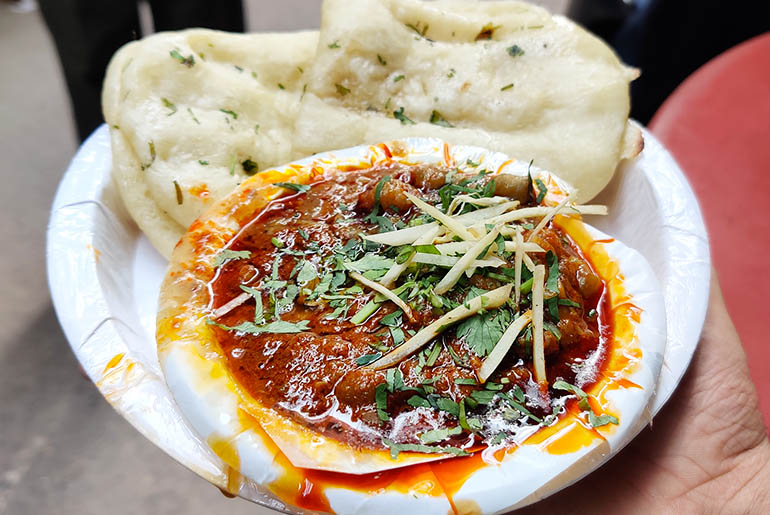
In stark contrast to Chawri Bazaar, the lanes surrounding the magnificent Jama Masjid are a carnivore’s dream. This area is the heart of Mughal culinary influence in Delhi, where recipes have been passed down through generations of chefs, many of whom trace their ancestry back to the imperial kitchens. The air here is perfumed with the smoke from charcoal grills and the rich aroma of slow-cooking curries.
This is where you come for robust, flavourful meat dishes that are rich in history and taste. The best time to visit is in the evening, especially during Ramadan, when the area comes alive with food stalls catering to those breaking their fast.
- Biryani: Fragrant, long-grained rice cooked with tender meat and a complex blend of spices, the Biryani here is a world away from blander imitations. Each vendor has their own secret recipe, resulting in subtle variations in flavour and aroma.
- Kebabs: The variety of kebabs is astounding. From succulent Seekh Kebabs (minced meat grilled on skewers) to melt-in-the-mouth Shami Kebabs (patties of minced meat and lentils), there is a kebab for every palate.
- Nihari: A legendary dish, Nihari is a rich, spicy stew of slow-cooked meat (usually lamb or beef) that is so tender it falls off the bone. It is traditionally eaten for breakfast but is now enjoyed at any time of day. Head to a specialist like Haji Shabrati Nihari Wale for an authentic experience.
- Changezi Chicken: Named after the Mongol ruler Genghis Khan, this dish features roasted chicken cooked in a rich, tangy tomato-based gravy. It is fiery, flavourful, and utterly addictive.
Exploring the food around Jama Masjid is an immersive experience. It’s about embracing the organised chaos, sharing a table with strangers, and savouring dishes that are a direct link to the opulent feasts of the Mughal emperors.

Khari Baoli: Spices and Dry Fruits
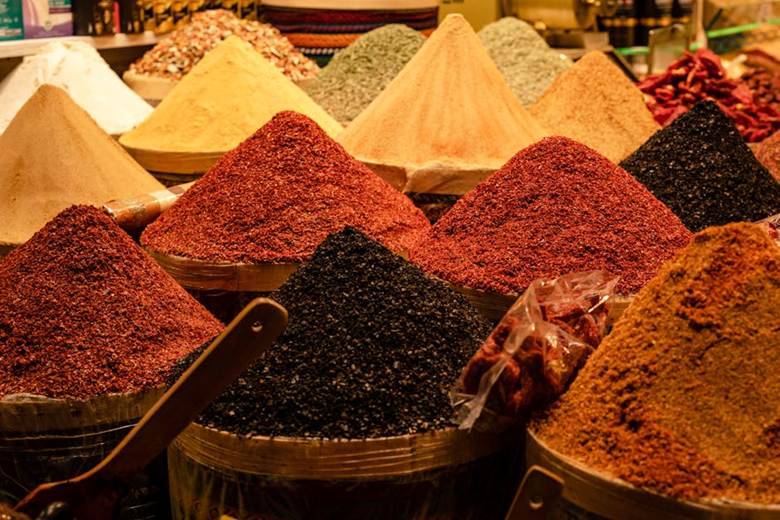
At the western end of Chandni Chowk lies Khari Baoli, Asia’s largest wholesale spice market. A visit here is a powerful sensory experience. The air is thick with the pungent aroma of chillies, the earthy scent of turmeric, and the sweet fragrance of cinnamon. Sacks overflowing with spices of every imaginable colour line the streets, creating a vibrant, chaotic spectacle.
This is the source of the flavours that define Old Delhi’s cuisine. You can find everything here, from everyday spices like cumin and coriander to more exotic ingredients like star anise and saffron.
- Spices: This is the place to buy high-quality, fresh spices. You can find whole spices, which you can grind yourself for maximum flavour, as well as a vast array of ground spice blends (masalas).
- Dry Fruits: Khari Baoli is also a major market for dry fruits and nuts. Almonds, cashews, pistachios, and raisins are sold in huge quantities and are of excellent quality. They are an essential ingredient in many Indian sweets and savoury dishes.
Navigating the market can be an adventure in itself. Be prepared for crowds and be ready to bargain. A walk through Khari Baoli is not just a shopping trip; it’s a fascinating insight into the spice trade that has shaped cuisines and economies for centuries.
Dariba Kalan: Sweet Treats and Traditional Snacks
Dariba Kalan, the “Lane of the Incomparable Pearl,” is historically famous for its silver jewellers. However, nestled amongst the glittering shops are some of Old Delhi’s most beloved sweet and snack shops. This lane offers a slightly calmer atmosphere than its neighbours, making it a pleasant place to indulge in some traditional treats.
- Rabri Faluda: A classic Indian dessert, Rabri Faluda is a delightful concoction of thickened sweet milk (rabri), vermicelli noodles (faluda), and rose syrup, often topped with nuts and ice cream. It is rich, refreshing, and incredibly satisfying.
- Samosas and Kachoris: You can find excellent versions of these classic savoury pastries here. The samosas are filled with spiced potatoes and peas, while the kachoris are flaky pastries filled with a spicy lentil mixture.
- Traditional Snacks: Look out for shops selling traditional dry snacks like Mathri (a crispy, savoury biscuit) and Namak Pare (salty, fried dough strips). These are perfect for taking home as a souvenir of your culinary journey.
Sweets hold a special place in Indian culture, associated with celebrations, festivals, and hospitality. A visit to Dariba Kalan is a sweet reminder of this tradition.
Exploring Beyond the Main Lanes: Hidden Culinary Gems
While the main food lanes offer a fantastic introduction to Old Delhi’s cuisine, the real magic often lies in the hidden corners and unnamed alleys. The best way to discover these culinary gems is to be adventurous.
- Talk to the Locals: Don’t be afraid to ask shopkeepers or residents for their recommendations. They can often point you towards a small, unassuming stall that serves the best version of a particular dish.
- Follow the Crowds: If you see a crowd of locals gathered around a food stall, it’s usually a good sign that the food is excellent.
- Be Adventurous: Step off the main path and wander down the side streets. You never know what you might find. I once stumbled upon a tiny shop selling the most incredible Kulfi (traditional Indian ice cream) simply by following a tantalising aroma down a narrow lane.
Exploring these hidden gems requires a sense of curiosity and a willingness to step outside your comfort zone, but the rewards are well worth it.

Tips for a Successful Food Walk in Old Delhi
A food walk in Old Delhi is an unforgettable experience, but a little preparation can make it much more enjoyable.
- Best Time to Visit: Weekday mornings are generally less crowded. Evenings have a vibrant atmosphere, especially around Jama Masjid.
- Transportation: The best way to reach Old Delhi is by metro. The Chandni Chowk and Chawri Bazaar stations are centrally located. Once there, the best way to get around is by foot or cycle rickshaw.
- What to Wear: Wear comfortable shoes, as you will be doing a lot of walking. Dress modestly, especially if you plan to visit religious sites like Jama Masjid.
- What to Bring: Carry a bottle of water, hand sanitiser, and plenty of cash, as most vendors do not accept cards.
- Hygiene and Safety: Eat at busy stalls where the food is cooked fresh in front of you. Be mindful of your belongings in crowded areas.
- Pace Yourself: The temptation is to try everything at once, but it’s better to eat small portions at different places. Share dishes with friends so you can sample a wider variety.
Conclusion
Exploring Old Delhi through its food lanes is more than just a culinary tour; it is a journey into the heart and soul of a city. The food here is a living history, a delicious narrative of conquests, migrations, and cultural fusion. From the royal kitchens of the Mughals to the humble street-side stalls, every bite tells a story.
The richness and diversity of the food scene are a testament to the enduring spirit of Old Delhi. It is a place where tradition is cherished, and flavour is king. So, when you visit, come with an empty stomach and an open mind. Allow yourself to get lost in the labyrinthine lanes, follow the aromas, and savour the incredible culinary heritage of this timeless city.
Have you explored the food lanes of Old Delhi? Share your favourite dishes and hidden gems in the comments below!