Experiencing Holi in Mathura: What to Expect
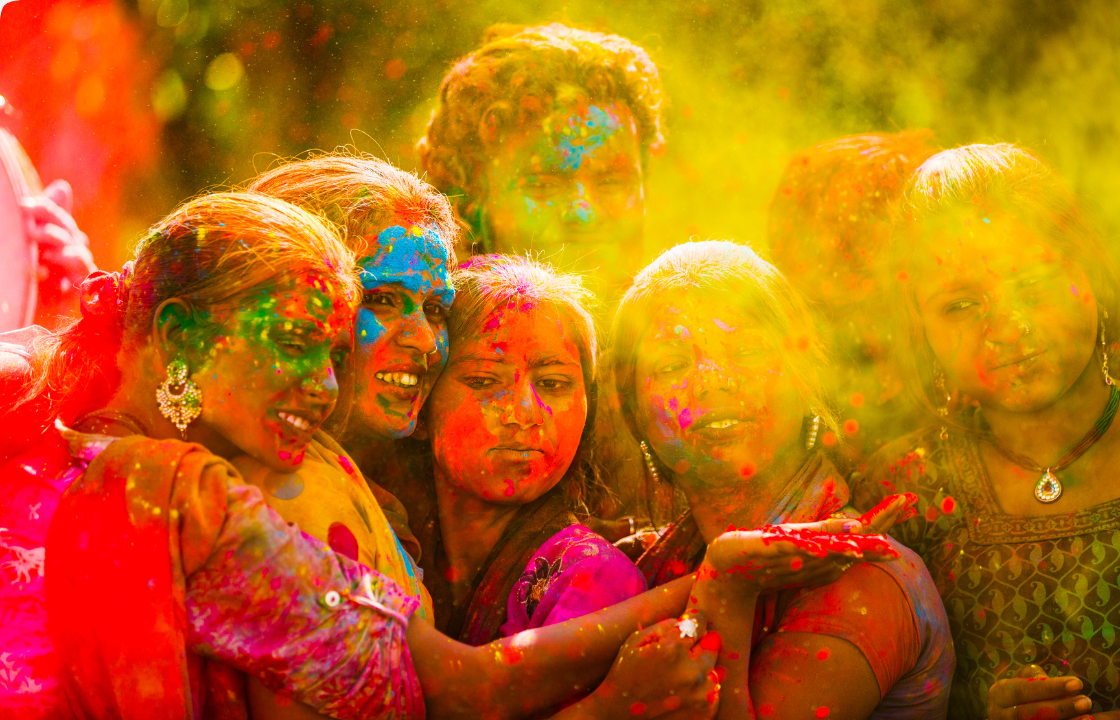
Holi, the spectacular festival of colours, is a vibrant and joyous celebration that marks the arrival of spring and the triumph of good over evil. While celebrated across India, nowhere is it more profound, more electric, and more deeply rooted in tradition than in Mathura, the sacred birthplace of Lord Krishna. Here, Holi is not just a festival; it is an immersive experience, a spiritual pilgrimage that transcends the mere act of throwing colours. It is a multi-day extravaganza steeped in mythology, devotion, and unadulterated joy.
This article serves as your comprehensive guide to experiencing the magic of Holi in Mathura. We will delve into the unique cultural traditions that set this region’s celebrations apart, explore the key locations where the festivities reach their zenith, and provide practical, actionable advice to ensure your experience is safe, memorable, and truly transformative. Read on to discover the magic of Holi in Mathura and prepare for an adventure that will colour your soul.
Understanding the Cultural Significance of Holi in Mathura
To truly appreciate Holi in Mathura, one must understand its deep cultural and mythological roots. The festival here is intrinsically linked to the divine love story of Lord Krishna and his beloved Radha. The legends, passed down through generations, form the very fabric of the celebrations, making them a living, breathing re-enactment of celestial play.
The most cherished story recounts the playful antics of a young, dark-skinned Krishna, who was envious of Radha’s fair complexion. In a moment of divine mischief, he complained to his mother, Yashoda, who playfully suggested he could colour Radha’s face in any shade he desired. Krishna took this advice to heart, visiting Radha’s village of Barsana and dousing her and her friends (the gopis) in a riot of colours. This playful act of colouring each other is seen as the origin of the modern-day Holi festivities, a beautiful expression of love and equality where colours wash away all differences.
Over the centuries, these traditions have evolved but have retained their core essence. The celebrations in the Braj region (comprising Mathura, Vrindavan, Barsana, and Nandgaon) are unique and cannot be found anywhere else. Two of the most famous traditions are:
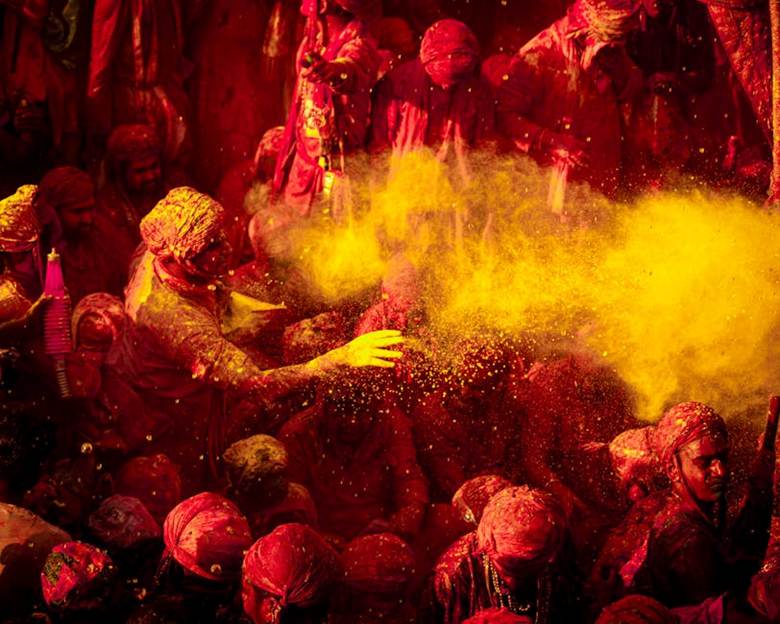
- Lathmar Holi: Taking place in Barsana and Nandgaon a few days before the main Holi, this is a spectacle to behold. The tradition stems from Krishna’s playful teasing of the gopis. In a re-enactment, men from Krishna’s village of Nandgaon travel to Barsana, only to be greeted by the women, who playfully beat them with lathis (bamboo sticks). The men protect themselves with shields, and the entire event is a boisterous, colourful, and good-humoured affair.
- Phoolon Wali Holi: Celebrated at the Banke Bihari Temple in Vrindavan, this is a gentler, more fragrant version of Holi. On the Ekadashi before the main festival, the temple priests throw heaps of fresh flower petals at the devotees instead of coloured powder or water. It is a short but incredibly beautiful and divine experience, symbolising the purity and tenderness of Radha and Krishna’s love.
Beyond the playful legends, Holi also carries a profound spiritual message: the victory of good over evil. This is symbolised by the ritual of Holika Dahan, which takes place on the eve of Holi. The story tells of the demon king Hiranyakashipu, who demanded everyone worship him. His devout son, Prahlada, refused, choosing to worship Lord Vishnu instead. Enraged, Hiranyakashipu enlisted his sister, Holika, who was immune to fire, to sit on a pyre with Prahlada in her lap. However, due to Prahlada’s unwavering devotion, he emerged unscathed while Holika was consumed by the flames. The bonfires lit during Holika Dahan represent the burning away of evil, negativity, and ego, paving the way for a fresh, positive start.
Take a moment to reflect on the rich history behind the celebrations. Understanding these stories transforms the experience from a simple festival of colours into a deeply meaningful cultural immersion.
Key Locations for Experiencing Holi in Mathura
The entire Braj region comes alive during Holi, but certain locations offer the most iconic and intense experiences. Planning your visit around these key spots will ensure you witness the diverse and vibrant tapestry of celebrations.
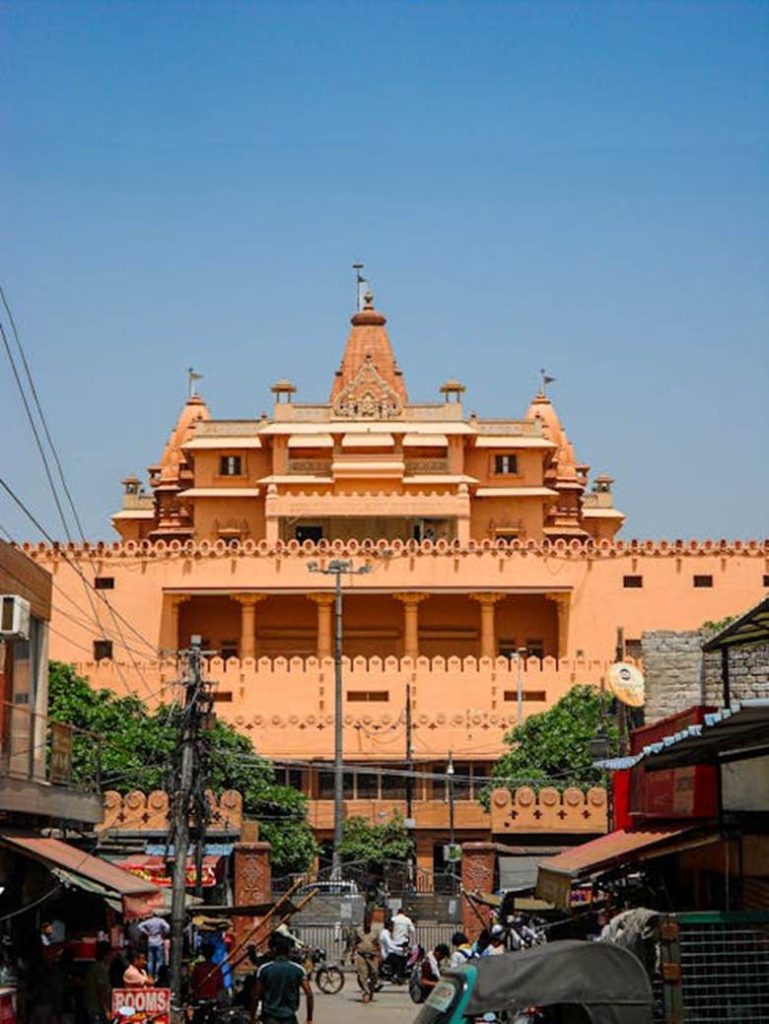
- Shri Krishna Janmabhoomi Temple, Mathura: As the revered birthplace of Lord Krishna, this temple complex is the epicentre of Holi celebrations in Mathura. The festivities here are grand and traditional, beginning weeks in advance. On the main day, the temple courtyard becomes a sea of colour, with devotees, locals, and tourists alike singing devotional songs (bhajans), dancing in ecstasy, and joyfully smearing each other with gulal (coloured powder). The energy is palpable and deeply spiritual.
- Dwarkadheesh Temple, Mathura: This is another major temple in Mathura known for its lively Holi celebrations. A highlight is the grand procession where the idol of Lord Dwarkadheesh (a form of Krishna) is brought out. The atmosphere is filled with the sounds of dhols (drums) and trumpets. Devotees gather in the temple courtyard in the morning, where priests spray coloured water and throw gulal from above, creating a truly immersive experience.
- Banke Bihari Temple, Vrindavan: Just a short drive from Mathura, Vrindavan is where Krishna spent his childhood, and the Banke Bihari Temple is its most famous landmark. Holi here is legendary for its sheer intensity and massive crowds. The temple opens its doors for a specific period during which thousands of devotees throng to catch a glimpse of the deity and be drenched in colours by the temple priests. This is also the venue for the famous Phoolon Wali Holi.
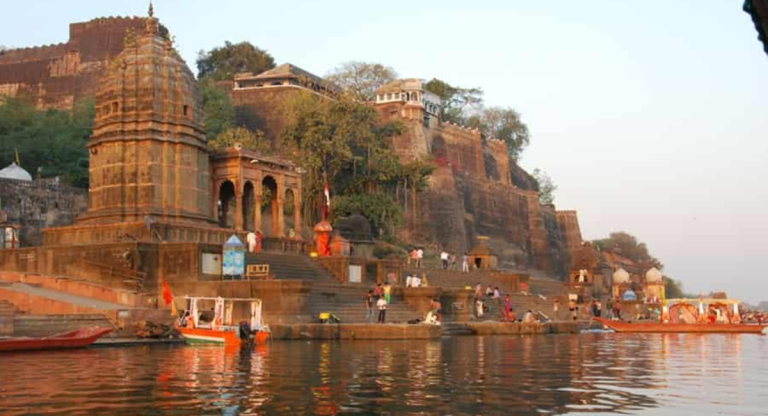
- Mathura Ghats (especially Vishram Ghat): The ghats along the Yamuna River offer a different, more serene perspective of Holi. Vishram Ghat, the main ghat in Mathura, is where Lord Krishna is said to have rested after defeating the tyrant Kansa. During Holi, the ghats are beautifully decorated, and the evening aarti (a ritual of worship with lamps) is a mesmerising sight. It provides a peaceful contrast to the boisterous celebrations in the temples.
- Barsana and Nandgaon: To witness the unique Lathmar Holi, you must visit these twin towns. The main event takes place at the Radha Rani Temple in Barsana. The atmosphere is one of controlled chaos and immense fun. It’s a photographer’s paradise and a cultural experience unlike any other.
Plan your visit to experience the diverse celebrations at these locations. A well-thought-out itinerary will allow you to witness everything from the spiritual fervour of the temples to the unique folk traditions of the villages.
What to Expect: A Day-by-Day Guide to Holi Celebrations
Holi in Mathura is not a single-day event; it’s a week-long festival. Here’s a general guide to what you can expect day by day.
Day 1: Holika Dahan (The Evening Before Holi) The festivities officially begin with the Holika Dahan ceremony. As dusk falls, large bonfires are lit in public squares and temple compounds across the city. People gather to perform religious rituals (pujas) and circumambulate the fire, offering grains and coconuts. The fire symbolises the destruction of evil and the cleansing of the spirit. The atmosphere is one of community and devotion, a relatively calm prelude to the riot of colour that follows.
Day 2: Dhulandi (The Main Day of Colours) This is the day everyone waits for. From early morning, the streets of Mathura and Vrindavan transform into a vibrant canvas. People of all ages come out to play with colours. Expect to be drenched in coloured water from water pistols (pichkaris) and smeared with dry gulal. The air is thick with colour, music, and chants of “Holi Hai!” (It’s Holi!). The main action is concentrated around the Dwarkadheesh and Banke Bihari temples. Be prepared for immense crowds and an explosion of energy. It’s a day of breaking down social barriers, where everyone is equal under a blanket of colour.
Day 3-7: Continued Celebrations The spirit of Holi lingers long after the main day. In the days following Dhulandi, many communities and temples continue their own celebrations. This is often a time for families to visit each other, exchange sweets, and share festive meals. It’s a more relaxed phase of the festival, allowing for deeper cultural immersion.
No Holi experience is complete without indulging in its traditional foods. Be sure to try:
- Gujiya: A sweet, deep-fried dumpling filled with a mixture of sweetened khoya (milk solids) and dried fruits.
- Thandai: A refreshing cold drink made with milk, nuts, and spices like fennel, cardamom, and saffron. Sometimes, it is infused with bhang (cannabis), so be mindful of what you are consuming.
- Dahi Bhalle: Soft lentil fritters soaked in creamy yoghurt and topped with sweet and tangy chutneys.
Experience the complete Holi experience by participating in the week-long celebrations. Each day offers a different flavour of this incredible festival.

Safety Tips for Experiencing Holi in Mathura
While Holi is a festival of immense joy, the sheer scale of the celebrations in Mathura requires a degree of caution. Prioritising your safety will ensure your experience remains positive and memorable.
- Protecting Yourself from Colours: Not all colours are benign. Some synthetic powders can contain harmful chemicals that cause skin irritation or allergies. Stick to playing with people using herbal or natural gulal. As a precaution, apply a generous layer of coconut or mustard oil to your skin and hair before you step out. This creates a protective barrier, making it easier to wash the colours off later. Wear sunglasses to protect your eyes.
- Staying Hydrated: The excitement, crowds, and sun can be dehydrating. Carry a water bottle and drink plenty of water throughout the day to stay hydrated and energetic.
- Protecting Valuables: Leave your expensive jewellery, watches, and non-essential electronics at your hotel. If you must carry your phone and some cash, keep them in a waterproof zip-lock bag or pouch. Be extremely wary of pickpockets, especially in crowded temple areas.
- Being Aware of Surroundings: The crowds can be overwhelming and at times, chaotic. Be mindful of your surroundings, especially in narrow lanes and temple entrances, to avoid stampede-like situations. It’s advisable for solo female travellers to go in a group or with a trusted local guide.
- Health Precautions: If you have any known allergies, especially skin-related ones, carry your necessary medications. Be cautious about consuming street food and drinks like bhang-laced Thandai unless you are sure of the source and its effects.
Navigating Mathura During Holi: Transportation and Accommodation
Planning your logistics is crucial for a stress-free Holi trip to Mathura, as the region sees a massive influx of pilgrims and tourists.
- Transportation: Mathura is well-connected by rail and road. However, during the festival, local transportation can be challenging. Auto-rickshaws and cycle-rickshaws are the primary modes of getting around, but fares can be inflated. It’s wise to negotiate the price before starting your journey. For travel between Mathura, Vrindavan, and Barsana, you can hire a private taxi, but be sure to book it well in advance.
- Accommodation: Hotels, guesthouses, and dharamshalas (pilgrim rest houses) get fully booked months ahead of Holi. It is imperative to book your accommodation as early as possible. Staying near the key temples can be convenient but also noisy and crowded. Consider staying slightly away from the main centres for a more peaceful retreat after a long day of festivities.
- Local Customs and Etiquette: Respect for local customs is key. Dress modestly, especially when visiting temples. Old clothes that you don’t mind getting stained or ruined are the best attire for playing with colours. While the atmosphere is generally friendly, it’s important to be respectful in your interactions. A simple “Holi Hai!” is the universal greeting.
- Important Contacts: Keep a list of emergency contact numbers handy, including the local police, your hotel, and the nearest hospital.
Ensure a smooth experience by planning your travel and stay ahead of time. This will free you up to immerse yourself fully in the celebrations.
Photography Tips for Capturing the Essence of Holi
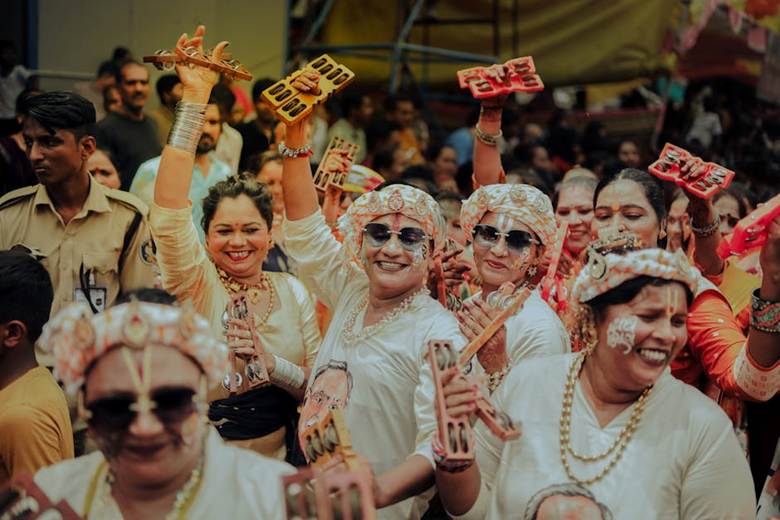
Holi in Mathura is a photographer’s dream, offering a kaleidoscope of colours, emotions, and moments. However, capturing its essence requires both preparation and respect.
- Protecting Your Camera: This is non-negotiable. Coloured powder and water can permanently damage your camera gear. Invest in a reliable waterproof camera housing or, at the very least, use a DIY solution like a clear plastic bag sealed tightly around your camera and lens. Only take your camera out when you are ready to shoot and keep it protected otherwise.
- Best Times for Photography: The early morning light, often called the “golden hour,” can create magical photos as the first colours are thrown. The Lathmar Holi in Barsana and the Phoolon Wali Holi in Vrindavan are incredibly photogenic events.
- Capturing Candid Moments: While posed portraits can be beautiful, the true spirit of Holi lies in the candid moments—the uninhibited laughter, the expressions of pure joy, the explosion of colour in the air. Focus on capturing these authentic emotions and interactions.
- Respecting Privacy: This is paramount. Always be mindful that you are in a sacred space participating in a religious festival. Many people may not want their photos taken. Always ask for permission before taking a close-up shot, especially of women or during religious rituals. A smile and a polite gesture can go a long way.
Preserve the memories of Holi while respecting the local culture. Your photographs should tell the story of the festival with sensitivity and artistry.
Conclusion
Experiencing Holi in Mathura is more than just a festival; it’s a journey into the heart of Indian culture, spirituality, and mythology. It’s an assault on the senses in the most beautiful way possible—a whirlwind of colour, sound, devotion, and unbridled happiness. From the playful stick-beating of Lathmar Holi to the spiritual fervour of the temple celebrations and the solemnity of Holika Dahan, every moment is steeped in meaning.
To make the most of this incredible experience, it is essential to approach it with an open heart, a sense of adventure, and a deep respect for the local traditions and people. By planning ahead, prioritising safety, and being culturally sensitive, you can ensure your trip is not just enjoyable but truly unforgettable.
Embark on an unforgettable journey to experience the magic of Holi in Mathura. It is an experience that will stay with you long after the colours have faded. We invite you to share your own experiences and tips for celebrating Holi in Mathura in the comments below.