Night Markets in India: A Guide to the Best Shopping, Food, and Cultural Experiences

India, a land of staggering diversity, truly comes alive after the sun sets. While the grand monuments and bustling cities are captivating by day, a different kind of magic unfolds in the labyrinthine lanes of its night markets. These are not merely places to shop; they are vibrant, pulsating hubs of culture, community, and culinary delight. Here, under the glow of countless bulbs and lanterns, you can feel the true heartbeat of a city, a sensory explosion of sights, sounds, and smells that is both intoxicating and unforgettable.
This article is your comprehensive guide to navigating the enchanting world of Indian night markets. We will embark on a sensory journey across the country, from the historic bazaars of Delhi to the bohemian flea markets of Goa. You will discover where to find the most exquisite handicrafts, what local delicacies you absolutely must try, and how to bargain like a local. Prepare to immerse yourself in an experience that is quintessentially Indian.

Understanding the Allure of Indian Night Markets
The tradition of bazaars in India is as old as its ancient cities, serving as vital arteries of trade and social life for centuries. Night markets are a natural evolution of this, offering respite from the scorching daytime heat and creating a space for communities to gather, socialise, and trade after a long day’s work. They are crucial to local economies, providing a platform for countless artisans, small-scale entrepreneurs, and street food vendors to earn a livelihood.
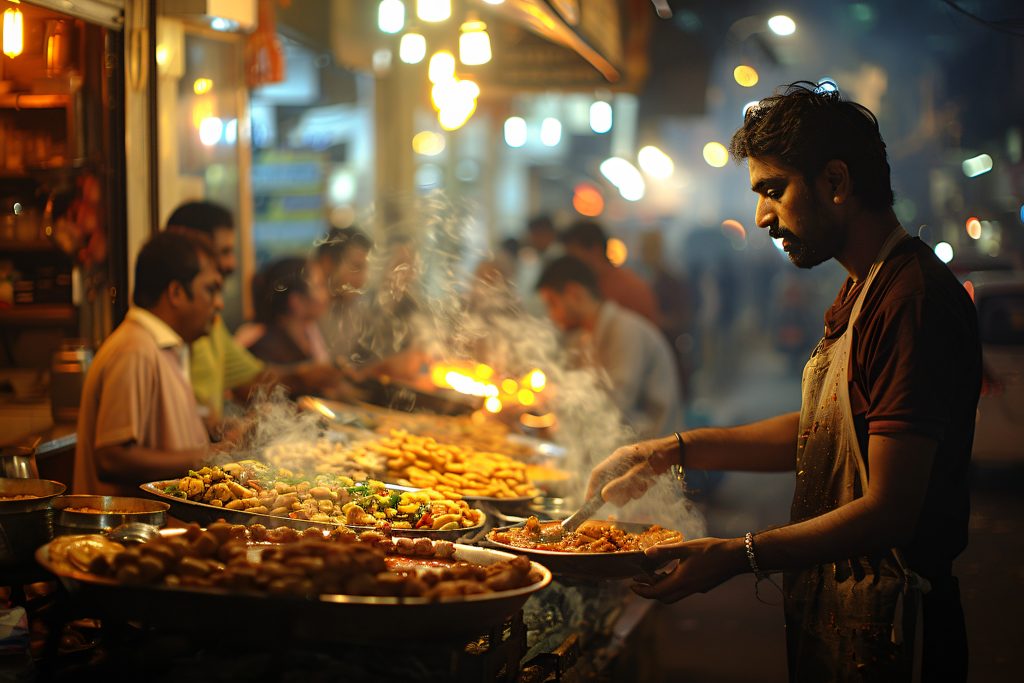
To step into an Indian night market is to be swept away by a symphony of sensations. Your eyes are drawn to the kaleidoscope of colours: shimmering textiles, glittering jewellery, and pyramids of fragrant spices. The air is thick with a cacophony of sounds, the cheerful chatter of crowds, the persistent calls of vendors advertising their wares, and the sizzle of food being cooked fresh on open grills. And the smells! The intoxicating aroma of spicy chaat, sweet jalebis, and fragrant flower garlands all mingle to create a perfume that is unique to these nocturnal wonderlands. I still recall my first visit to a market in Jaipur, where the scent of cardamom tea and roasting corn on the cob instantly transported me, creating a memory that is as vivid today as it was years ago. These markets offer an unfiltered, authentic glimpse into the daily life and traditions of the local people.
Top Night Markets in India: A Region-by-Region Guide
India’s vastness is reflected in the character of its markets. Each region, and indeed each city, offers a unique flavour. Here’s a guide to some of the best night markets across the country.
Night Markets in North India
The northern plains of India, with their rich Mughal history and robust culture, are home to some of the country’s most iconic markets.
Chandni Chowk, Delhi
A legendary market that has been the commercial heart of Old Delhi since the 17th century, Chandni Chowk is a chaotic, overwhelming, and utterly thrilling experience. Its narrow lanes are a treasure trove of goods.
- What to Buy: Head to Dariba Kalan for exquisite silver jewellery, Kinari Bazaar for all things wedding-related (think glittering trims and fabrics), and the spice market for a fragrant assault on the senses. You can also find textiles, electronics, and books.
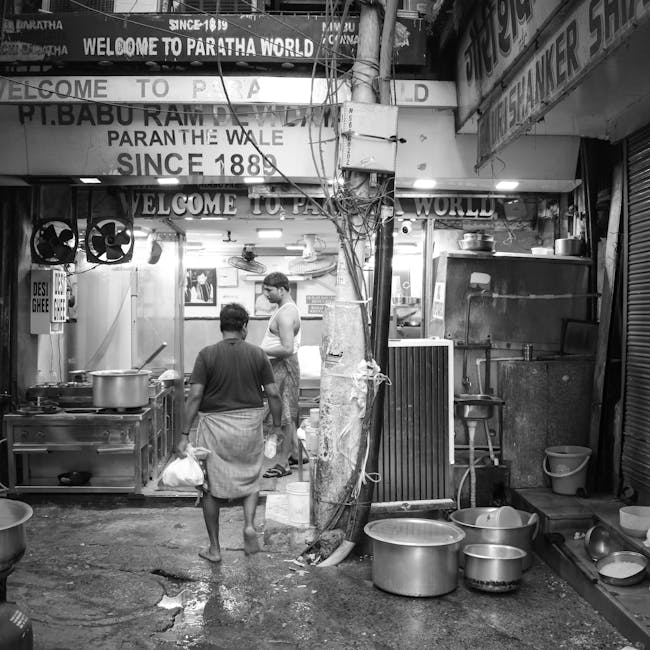
- Must-Try Food: Chandni Chowk is a paradise for food lovers. Don’t miss the legendary parathas (stuffed flatbreads) at Parathewali Gali, the tangy chaat (savoury snacks), and the syrupy, hot jalebis.
Sadar Bazaar, Agra
Located near the magnificent Taj Mahal, Sadar Bazaar is one of the most popular shopping destinations in Agra. It’s a bustling market that caters to both locals and tourists.
- What to Buy: Agra is famous for its leather goods, so look for quality shoes, bags, and belts. You’ll also find beautiful marble inlay work (a miniature Taj Mahal, perhaps?), handicrafts, and souvenirs.
- Local Specialities: You cannot leave Agra without trying petha, a translucent soft candy made from ash gourd. Also, look for the intricate marble products that showcase the same craftsmanship seen on the Taj.
Sector 17 Market, Chandigarh
In stark contrast to the ancient, chaotic bazaars, Sector 17 in the planned city of Chandigarh offers a modern, open-air shopping experience. The market is a collection of plazas and fountains, making for a pleasant evening stroll.
- What to Buy: This is the place for branded clothing, footwear, and electronics. You’ll find major international and Indian brands alongside local boutiques.
- Food Options: The market is dotted with food stalls and established restaurants offering everything from local Punjabi cuisine to international fast food.

Night Markets in South India
The south offers a different vibe, with markets that are as rich in tradition as they are in trendy finds.
Commercial Street, Bangalore
The IT hub of India lets its hair down at Commercial Street, a vibrant and crowded market that is a favourite among the city’s youth.
- What to Buy: This is a haven for street fashion. Find trendy clothing, quirky accessories, and imitation jewellery at bargain prices. It’s the perfect place to update your wardrobe without breaking the bank.
- Street Food: Refuel with delicious kebabs, savoury rolls, and freshly squeezed fruit juices from the numerous stalls lining the streets.
Laad Bazaar, Hyderabad
Nestled next to the iconic Charminar, Laad Bazaar is a historic market famous for its dazzling array of bangles. The name itself means “lacquer,” the material used to make these traditional ornaments.
- What to Buy: Bangles are the main event here – you’ll find them in every colour, style, and material imaginable. The market is also known for its pearls, traditional Hyderabadi jewellery, and embroidered fabrics.
- Local Specialities: After shopping, treat yourself to a plate of world-famous Hyderabadi biryani and a cup of rich Irani chai from a nearby cafe.
Pondy Bazaar, Chennai
Properly known as Soundarapandianar Angadi, Pondy Bazaar is a quintessential Chennai shopping experience. It’s a bustling, energetic market where you can find almost anything.
- What to Buy: From traditional silk sarees and clothing to electronics, household goods, and footwear, this market has it all. It’s a one-stop shop for locals and a fascinating experience for visitors.
- Street Food: Sample classic South Indian snacks like crispy dosas, fluffy idlis, and savoury vadais from the street-side eateries.
Night Markets in West India
From the cosmopolitan chaos of Mumbai to the laid-back beaches of Goa, the west coast offers a diverse market scene.
Crawford Market, Mumbai
Housed in a stunning colonial-era building, Crawford Market is one of South Mumbai’s most famous wholesale markets. It’s a feast for the eyes and a hub of frantic activity.
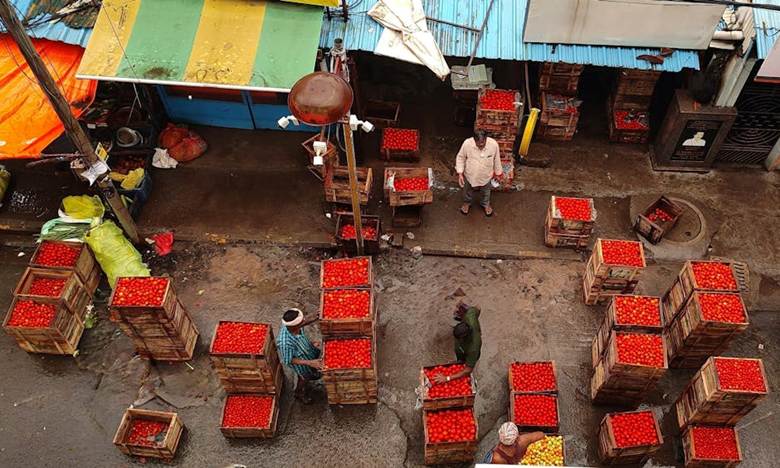
- What to Buy: This market is renowned for its fresh produce. You’ll find mountains of fruits, vegetables, and a dedicated section for spices. It’s also a great place to find imported foods, chocolates, and even pets.
- Local Specialities: If you’re visiting in season (April-June), this is the best place to buy the world-famous Alphonso mangoes. You can also find a variety of Maharashtrian snacks.

Law Garden, Ahmedabad
By day, it’s a simple public garden, but by night, the area outside Law Garden transforms into a vibrant market showcasing the best of Gujarati handicrafts.
- What to Buy: This is the place to buy traditional Gujarati attire, especially the colourful chaniya cholis (mirror-work skirts and blouses) worn during the Navratri festival. You’ll also find beautiful textiles, wall hangings, and handicrafts.
- Local Specialities: The surrounding area is famous for its street food stalls offering delicious Gujarati snacks like dhokla and khandvi.
Baga Night Market, Goa
Goa’s night markets are legendary, and the Saturday Night Market in Baga is one of the most famous. It has a festive, carnival-like atmosphere with live music, bars, and a huge variety of stalls.
- What to Buy: This is a tourist-centric market, so you’ll find bohemian clothing, handmade jewellery, leather goods, and quirky souvenirs. It’s a great place to pick up gifts.
- Food Options: The food court is a major attraction, offering everything from local Goan seafood curries to international dishes like pizza and sushi.
Night Markets in East India
The cultural capital of Kolkata is the star of the east, with markets that reflect its colonial past and artistic soul.
New Market, Kolkata
Despite its name, New Market (formerly Sir Stuart Hogg Market) is one of Kolkata’s oldest, dating back to the British Raj. Its sprawling Gothic architecture houses over 2,000 stalls.
- What to Buy: You can find everything from clothing and accessories to rare flowers and confectionery. It’s particularly famous for its cheese from a shop called Nahoum and Sons, a Jewish bakery that has been there for over a century.
- Local Specialities: The area around New Market is a hub for classic Bengali street food and sweets like sandesh and rasgulla.
Gariahat Market, Kolkata
If New Market is for tourists, Gariahat is for Kolkatans. This bustling market in the south of the city is where locals go for their everyday shopping, making it a great place for an authentic experience. I remember spending an entire evening here, haggling for a beautiful handloom saree. The vendor started at a high price, but with a smile and some friendly persistence, we settled on a price that left us both happy. It’s all part of the fun!
- What to Buy: Gariahat is famous for its incredible collection of sarees, from traditional Bengali cottons to elaborate silks. You can also find textiles, electronics, and household items.
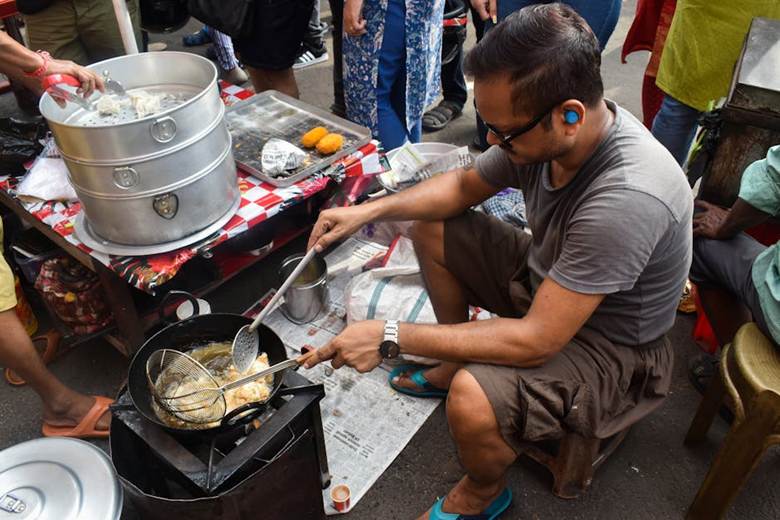
- Street Food: This is the place to try Kolkata’s iconic street food: puchkas (the local version of pani puri), jhalmuri (puffed rice snack), and kathi rolls.
Tips for Visiting Indian Night Markets
To make the most of your market adventure, keep these tips in mind. Start planning your adventure now and prepare for an unforgettable experience.
- Best Time to Visit: Markets usually get going after 7 PM and can stay open late, especially on weekends. Evenings and weekends are the most crowded but also the most atmospheric.
- What to Wear: Comfort is key. Wear comfortable shoes as you’ll be doing a lot of walking, and dress in light, breathable clothing.
- How to Bargain: Bargaining is expected and part of the culture in most markets (except for fixed-price shops).
- Have a rough idea of the price before you start.
- Always be polite and smile.
- Start by offering about half the quoted price and negotiate from there.
- Be prepared to walk away. Often, the vendor will call you back with a better offer.
- Safety Precautions: Markets can be very crowded.
- Be aware of your surroundings and keep your belongings secure. A cross-body bag is a good idea.
- Avoid displaying expensive jewellery or large amounts of cash.
- Trust your instincts. If a situation feels uncomfortable, leave.
- Payment Methods: Cash is king. While some larger shops may accept cards or digital payments, most smaller vendors will only accept cash.
- Etiquette: Be respectful of local customs. Dress modestly, especially when visiting markets near religious sites. Always ask for permission before taking photos of people.
Must-Try Street Food in Indian Night Markets
No visit to an Indian night market is complete without indulging in its street food. The variety is staggering and reflects the unique culinary landscape of each region. One of my most memorable food experiences was trying pani puri for the first time in Mumbai. The vendor, with lightning-fast hands, filled the crispy shells with a spicy, tangy water that exploded with flavour in my mouth. It was pure joy.
- Pani Puri/Golgappe/Puchka: Crispy, hollow balls filled with spiced water, tamarind chutney, potatoes, and chickpeas.
- Chaat: A broad term for savoury snacks, often involving fried dough, potatoes, chickpeas, yoghurt, and various chutneys.
- Vada Pav: The quintessential Mumbai snack – a spiced potato fritter sandwiched in a soft bread roll.
- Momos: Steamed or fried dumplings with various fillings, popular in North and East India.
- Dosa: A thin, crispy crepe made from fermented rice and lentil batter, a South Indian staple.
- Biryani: A fragrant rice dish cooked with meat or vegetables and a complex blend of spices.
Food Safety Tip: To enjoy street food safely, choose popular vendors with a high turnover of customers, as this means the food is fresh. Ensure the stall looks clean and that the food is served hot. Always drink bottled water.
Shopping for Unique Souvenirs and Handicrafts
Indian night markets are the perfect place to find unique souvenirs that tell a story. You are not just buying an object; you are buying a piece of culture crafted by skilled hands.
What to Look For:
- Textiles: From Rajasthani block prints and Gujarati mirror work to Kashmiri pashminas and Bengali kantha embroidery.
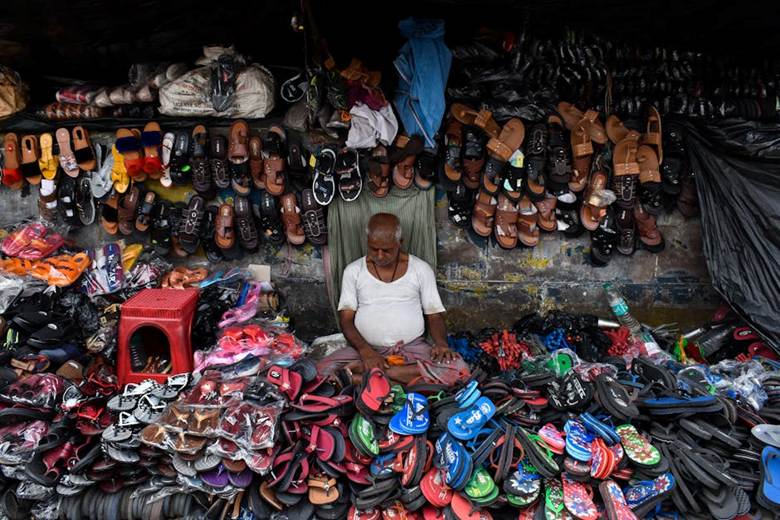
- Jewellery: Find stunning silverwork in Rajasthan, intricate filigree in Orissa, and colourful beaded jewellery everywhere.
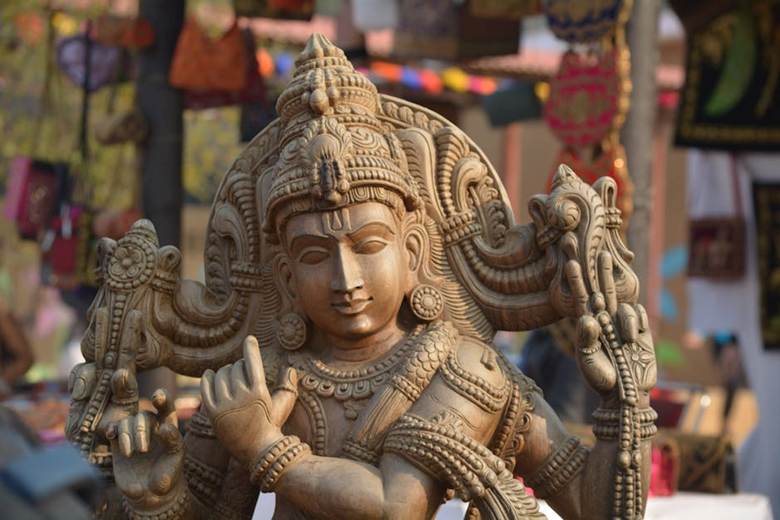
- Wood Carvings & Metalwork: Look for sandalwood carvings in Karnataka or brassware in Moradabad.
- Pottery: From the blue pottery of Jaipur to the black pottery of Manipur.
Tip for Authenticity: To ensure you’re buying authentic handicrafts, look for fine craftsmanship and attention to detail. Don’t be afraid to ask the vendor about the materials and the process. Buying directly from the artisan when possible ensures they receive a fair price for their work. Find a treasure to take home and support these incredible local artists.
Conclusion
Indian night markets are more than just shopping destinations; they are living, breathing cultural institutions. They offer a vibrant, chaotic, and deeply rewarding experience that connects you to the heart and soul of the country. From the delicious street food to the exquisite handicrafts and the simple joy of watching local life unfold, these markets are a feast for the senses. They play a vital role in supporting local communities and preserving traditional crafts.
So, on your next trip to India, make sure to step out after dark. Immerse yourself in the culture, savour the flavours, and let the magic of the night market envelop you. You will leave with not only beautiful souvenirs but also with unforgettable memories.
Share your night market stories! Have you visited any of these markets? Do you have a favourite we missed? Let us know in the comments below.