Top Tiger Safaris in India: Best Parks & Seasons
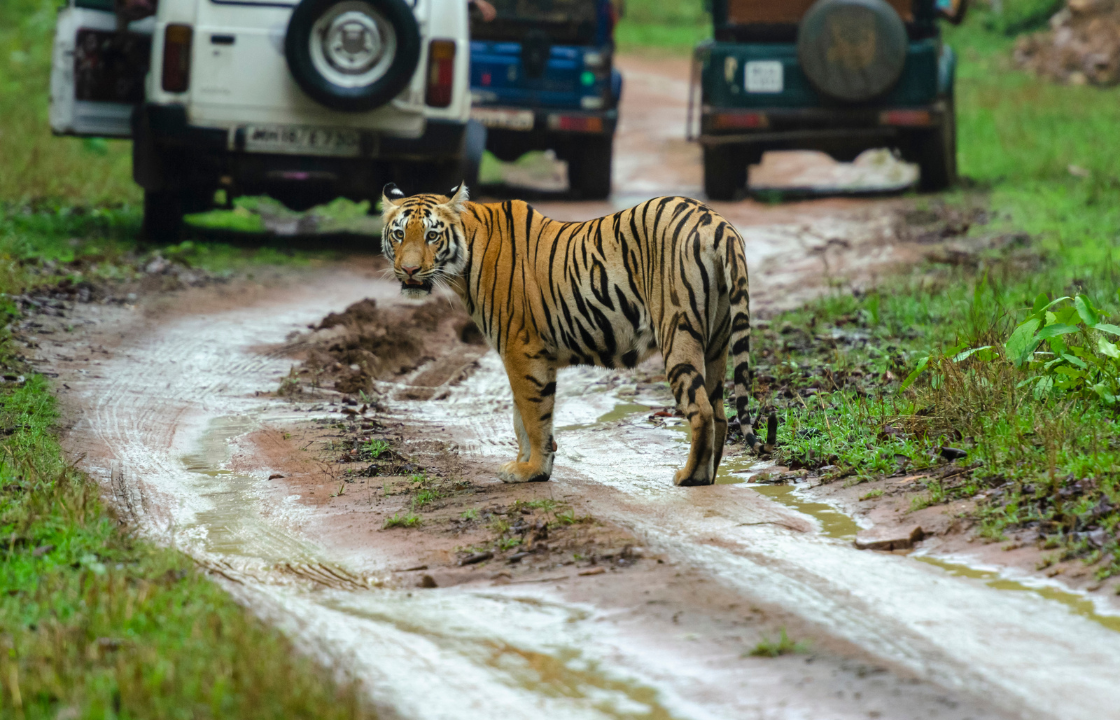
India, the land of vibrant cultures and ancient history, is also the undisputed kingdom of the majestic Bengal tiger. Home to approximately 75% of the world’s wild tiger population, the country offers an unparalleled opportunity to witness this magnificent predator in its natural habitat. The success of conservation initiatives like Project Tiger, launched in 1973, has been instrumental in pulling the species back from the brink, transforming India into a premier destination for wildlife enthusiasts.
This guide is designed to be your comprehensive resource for planning the ultimate tiger safari. We will journey through India’s most celebrated national parks, uncover the best seasons for sightings, and provide essential tips to ensure your experience is not only thrilling but also responsible and ethical. Venturing into the tiger’s realm is a profound experience, one that connects you to the raw beauty of the wild. Read on to discover how you can embark on this unforgettable adventure.
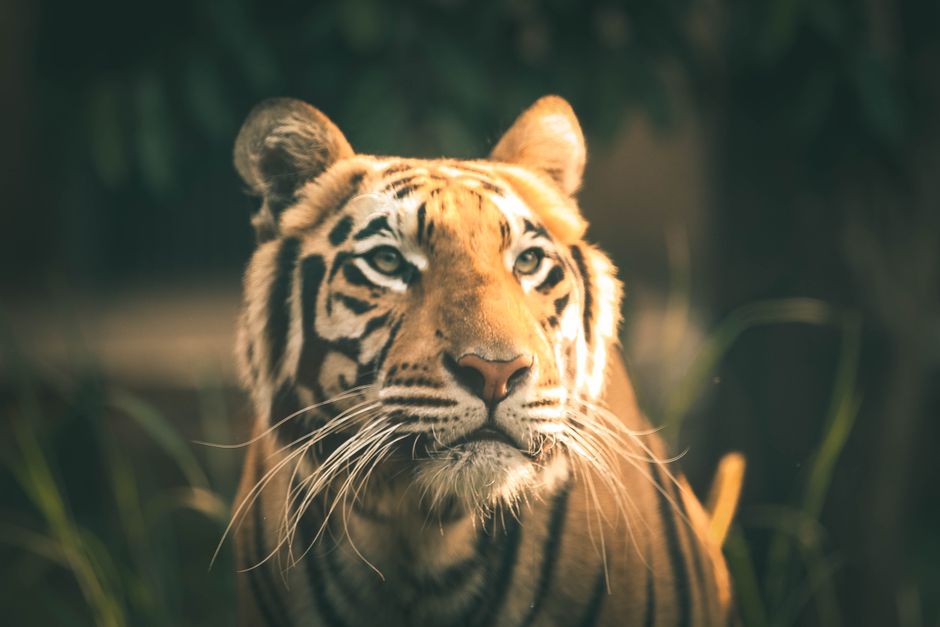
Understanding Tiger Habitats and Behaviour
To truly appreciate a tiger safari, it helps to understand the world in which these elusive cats live. Tigers are remarkably adaptable, thriving in a variety of Indian landscapes, from the dry, deciduous forests of the central highlands and the dense grasslands of the Terai Arc to the unique mangrove swamps of the Sundarbans. Each habitat presents a different backdrop for a safari and influences how tigers behave.
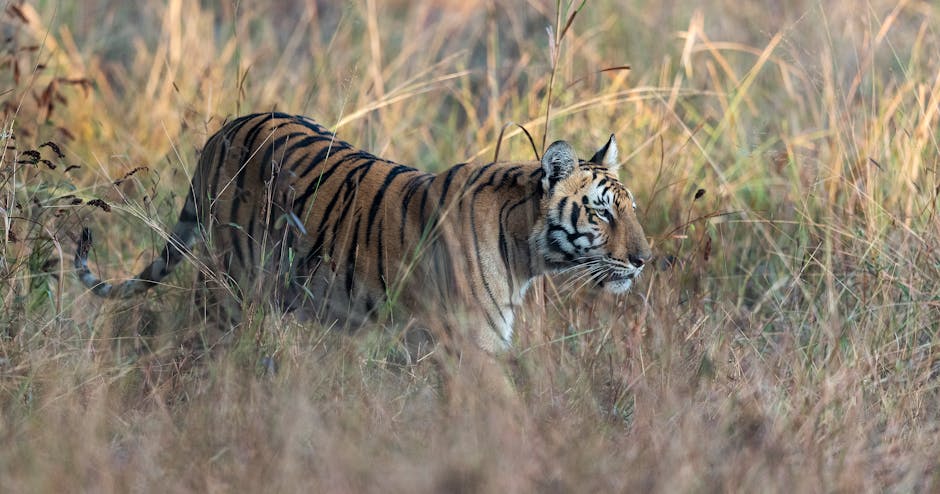
Tigers are primarily solitary and territorial animals. A male’s territory can span over 60-100 square kilometres, often overlapping with the smaller territories of several females. They are ambush predators, using their distinctive stripes as camouflage to stalk prey like deer, wild boar, and nilgai (blue bull). Understanding these behaviours, knowing they are most active during the cooler parts of the day, such as early morning and late afternoon, and that they seek water sources in the heat, can significantly increase your chances of a sighting.
However, it’s crucial to remember the immense pressures these animals face. The National Tiger Conservation Authority (NTCA), the governing body for tiger conservation in India, continually works to combat threats like habitat loss, human-wildlife conflict, and poaching. As a visitor, your presence, when managed responsibly, contributes to the local economies and conservation funds that are vital for protecting these incredible animals.
Top National Parks and Tiger Reserves for Safaris
India has over 50 tiger reserves, but a few stand out for their healthy tiger populations, excellent infrastructure, and high probability of sightings. Here are the undisputed champions of the Indian tiger safari circuit.
Ranthambore National Park, Rajasthan
Once the private hunting grounds of the Maharajas of Jaipur, Ranthambore is now one of the most famous tiger reserves in the world. Its landscape is a dramatic mix of arid deciduous forests, rocky outcrops, and serene lakes, all dominated by the formidable 10th-century Ranthambore Fort that looms over the park. This unique blend of nature and history makes for a truly picturesque safari.
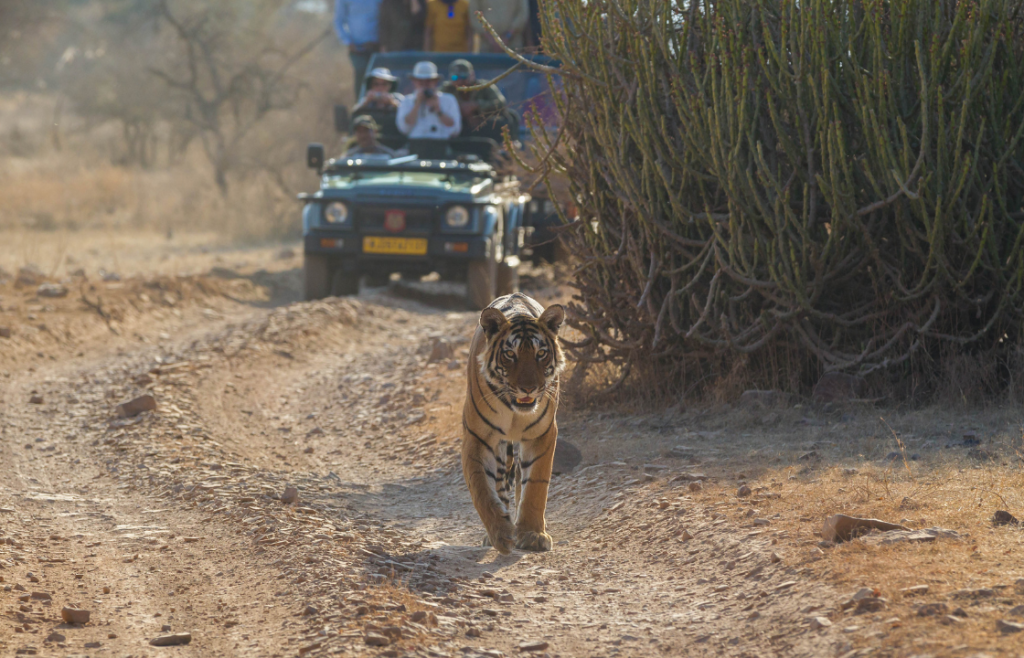
The park is divided into 10 zones, with zones 1-6 considered the premium areas for tiger sightings. Tigers in Ranthambore are largely habituated to the presence of safari vehicles, making them relatively easier to spot. The park has been home to legendary tigers like ‘Machli’, the most photographed tigress in the world, whose legacy continues to draw visitors.
Bandhavgarh National Park, Madhya Pradesh
If your primary goal is to see a tiger, Bandhavgarh is arguably your best bet. This park boasts one of the highest densities of Bengal tigers in India, leading to frequent and often close-up encounters. The park’s core area is relatively small, which concentrates the tiger population and increases sighting probability.
The park is divided into several zones, with Tala, Magadhi, and Khitauli being the most popular. The terrain is a mix of sal forests and expansive grasslands, with ancient man-made caves and a fort atop a central plateau adding to its mystique. Besides tigers, Bandhavgarh is also a good place to spot leopards, sloth bears, and a wide variety of deer species.
Kanha National Park, Madhya Pradesh
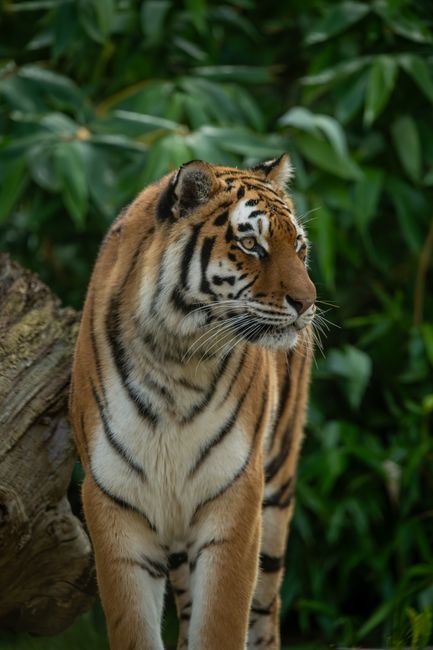
Kanha is a park that captures the heart with its sheer beauty. Its vast meadows, lush sal forests, and meandering streams are said to have inspired Rudyard Kipling’s classic, The Jungle Book. Kanha is not just about tigers; it’s about experiencing a thriving, balanced ecosystem.
The park is a shining example of conservation success. It played a critical role in saving the Hard-ground Barasingha (swamp deer) from extinction, a species now found only here. While tiger sightings are very good, the vastness of the park means they can require more patience. The Kanha, Mukki, and Sarhi zones are prime areas for exploration. A safari in Kanha feels like stepping into a living, breathing wilderness.
Pench National Park, Madhya Pradesh and Maharashtra
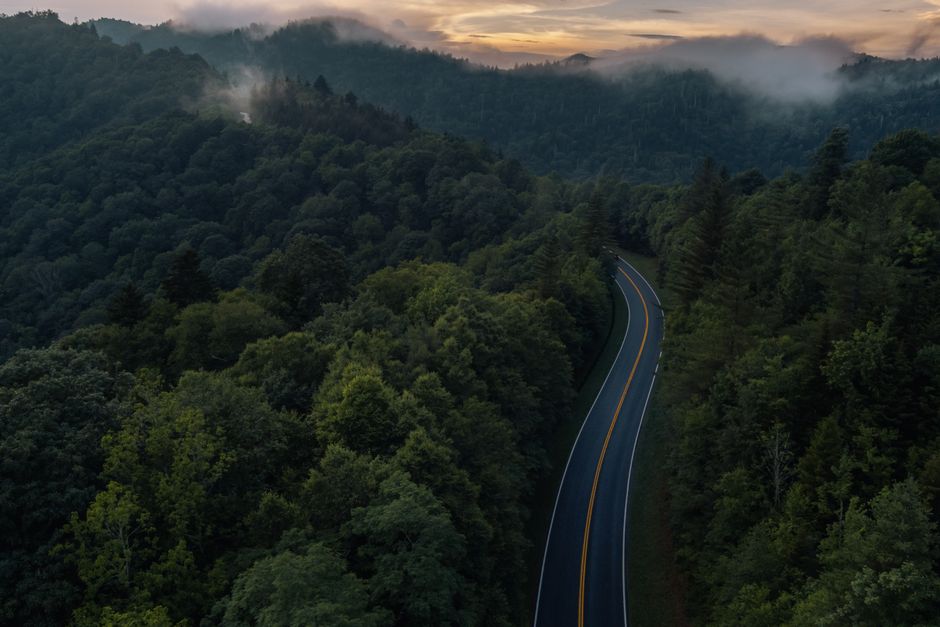
Straddling the border of two states, Pench National Park is another gem of Central India, also associated with The Jungle Book. The Pench River flows through the park, creating a lifeline for its diverse flora and fauna. The park’s landscape is characterised by teak forests and open, grassy patches.
Pench has a healthy and growing tiger population, and its open terrain often allows for excellent visibility. It is also renowned for its thriving population of dhole (Indian wild dog), making it one of the best places in India to see these fascinating pack hunters. The park is easily accessible from Nagpur and offers a fantastic, all-round wildlife experience, including rich birdlife with over 285 species recorded.

Corbett National Park, Uttarakhand
Nestled in the foothills of the Himalayas, Corbett holds the prestigious title of being India’s first national park, established in 1936. It was here that Project Tiger was first launched. The park’s geography is stunningly diverse, with dense sal forests, riverine belts, hills, and the beautiful Ramganga River flowing through its heart.
Tiger sightings in Corbett can be more challenging than in the parks of Madhya Pradesh due to the thick vegetation and hilly terrain. However, the challenge makes a sighting all the more rewarding. The Dhikala zone, with its vast grasslands, is considered the best area for tiger spotting and offers overnight stays in historic forest rest houses. Corbett is also a haven for wild elephants and boasts an incredible diversity of birdlife, making it a paradise for birdwatchers.
Best Seasons for Tiger Safaris in India
Timing is everything when it comes to a successful tiger safari. India’s climate is dominated by three main seasons, summer, monsoon, and winter, and each has a significant impact on wildlife viewing.
The best time to visit most tiger reserves in India is during the dry season, which runs from October to June. This period can be broken down further:
- Winter (October to February): The weather is pleasant and cool, making for comfortable safari drives. The landscape is lush and green after the monsoon. While sightings are good, the vegetation can be dense.
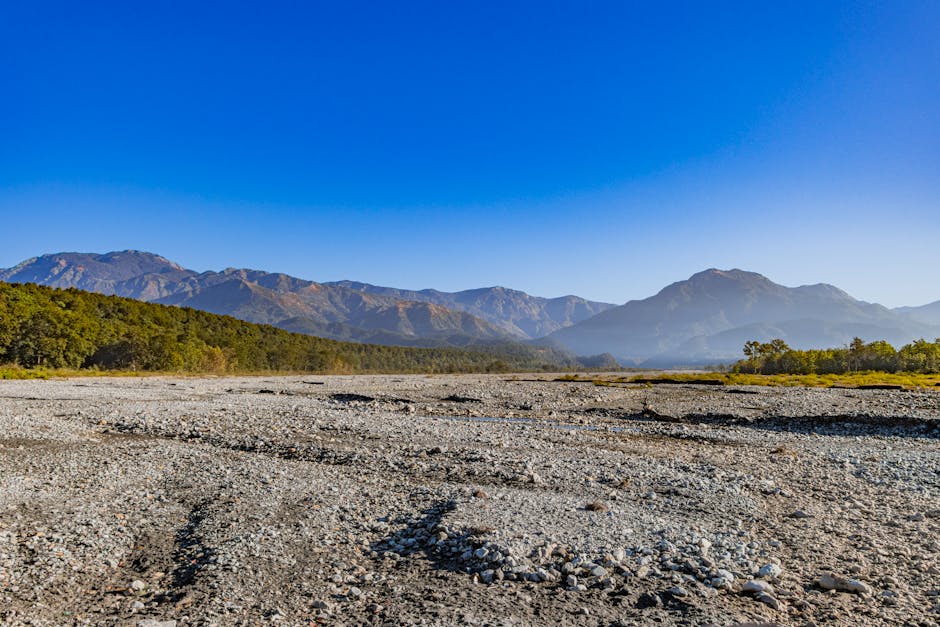
- Summer (March to June): This is the peak season for tiger sightings. As temperatures soar, water sources dry up, forcing tigers and their prey to congregate around the remaining waterholes. The forest undergrowth thins out, dramatically improving visibility. Be prepared for intense heat, but the payoff can be spectacular.
The monsoon season (July to September) is generally considered the off-season. Most national parks’ core zones are closed to visitors as the tracks become impassable. The forest is rejuvenated and beautiful, but wildlife viewing is extremely difficult. Some buffer zones may remain open, but it’s not the ideal time for a dedicated tiger safari. Always check the official park websites for specific opening and closing dates, as they can vary.

Types of Safari Experiences
Indian national parks offer several ways to explore their wilderness, each providing a different perspective.
Jeep Safaris
This is the most popular and versatile safari option. An open-top 4×4 jeep, typically a Maruti Suzuki Gypsy, allows you to navigate the park’s rugged terrain with a small group (usually up to 6 passengers plus a driver and guide). Jeeps offer excellent flexibility, allowing you to stop, wait, and manoeuvre for better viewing and photography opportunities. Due to high demand and a limited number of permits, it is absolutely essential to book jeep safaris several months in advance.

Canter Safaris
A canter is a large, open-top bus that can accommodate 16 to 20 people. This is a more budget-friendly option and can be a good choice if you are unable to secure a jeep permit. While you lose the intimacy and flexibility of a jeep, canters travel on the same routes and offer a higher vantage point. They are a viable alternative, particularly in popular parks like Ranthambore.
Elephant Safaris
In a few parks, like Corbett and Kaziranga (famous for rhinos), elephant-back safaris are offered. This provides a unique and quiet way to move through areas inaccessible to vehicles, such as dense grasslands. However, it’s important to consider the ethical implications. Choose operators that prioritise the welfare of the elephants and adhere to strict government guidelines.

Walking Safaris
For the truly adventurous, some parks, like Satpura in Madhya Pradesh, offer walking safaris accompanied by trained naturalists and forest guards. This is an incredibly immersive experience, allowing you to connect with the forest on a deeper level, focusing on tracks, signs, and the smaller wonders of the ecosystem. While tiger sightings on foot are rare and from a safe distance, the thrill is unparalleled.
Essential Tips for a Successful Tiger Safari
A little planning goes a long way in making your safari smooth and successful.
Booking and Permits
- Book Well in Advance: Safari permits, especially for premium zones in popular parks, sell out 90-120 days in advance. Plan your trip and book your permits online through the official state forest department websites.
- Provide Accurate ID: You will need to provide passport details (for foreign nationals) or other government-issued ID (for Indian citizens) at the time of booking and carry the original document with you on safari.
- Avoid Touts: Only use official websites or reputable tour operators for bookings to avoid scams.
What to Pack
- Clothing: Wear light layers in neutral, earthy colours like beige, brown, and olive green to blend in with the surroundings. Avoid bright colours and white. Pack warm layers for early morning winter safaris.
- Gear: Binoculars are essential for spotting distant wildlife. A good camera with a telephoto/zoom lens (at least 300mm) is recommended for photography.
- Essentials: Don’t forget a sun hat, sunglasses, sunscreen, insect repellent, and any personal medications.
Safari Etiquette
- Maintain Silence: Speak in hushed tones and avoid loud noises. The quieter you are, the more wildlife you will see.
- Respect the Animals: Do not try to feed, touch, or provoke any animal. Maintain a respectful distance. Your guide will ensure the vehicle is positioned safely.
- No Littering: Do not leave anything behind in the park. Carry all your rubbish back with you.
Photography Tips
- Be Ready: Keep your camera switched on and ready to shoot. Wildlife encounters can be fleeting.
- Use a Fast Shutter Speed: This helps to freeze the action and avoid blurry images, especially in the low light of dawn and dusk.
- Listen to Your Guide: They are experts at anticipating animal behaviour and can help you get into the best position for a great shot.

Accommodation Options Near Tiger Reserves
The areas surrounding India’s major tiger reserves offer a wide spectrum of accommodation to suit every budget and travel style.
- Luxury Resorts: High-end lodges like those from Taj Safaris or The Oberoi Vanyavilas offer unparalleled luxury, with private villas, gourmet dining, spas, and expert in-house naturalists.
- Mid-Range Hotels: There are numerous comfortable and well-appointed mid-range hotels and resorts that offer excellent value, with amenities like swimming pools, multi-cuisine restaurants, and organised safari services.
- Budget Guesthouses and Lodges: For the budget-conscious traveller, there are plenty of clean and simple guesthouses and lodges that provide basic amenities and a comfortable place to rest between safaris.
- Jungle Camps: For a more rustic and immersive experience, consider staying in a tented camp. These camps often offer a closer-to-nature feel without sacrificing comfort.
Responsible Tourism and Conservation Efforts
As a visitor to these precious ecosystems, you have a role to play in their preservation. Responsible tourism ensures that your visit has a positive impact.
- Choose Eco-conscious Operators: Support hotels, lodges, and tour operators that are committed to conservation, employ local staff, and minimise their environmental footprint.
- Support Local Communities: Purchase local handicrafts and support community-based tourism initiatives. A significant portion of tourism revenue goes back into funding conservation and community welfare.
- Be an Advocate: Share your experiences and the importance of tiger conservation with your friends and family. Your voice can help raise awareness and support for these vital efforts.
Organisations like the Wildlife Trust of India and the WWF-India are at the forefront of conservation, working on everything from anti-poaching initiatives to habitat restoration. Your visit helps fund the ecosystem that allows these organisations, and the forest departments, to do their crucial work.

Conclusion
A tiger safari in India is more than just a holiday; it is an exhilarating journey into the heart of the wild. It is the thrill of hearing an alarm call echo through the forest, the patient wait, and the breathtaking moment when the magnificent striped cat emerges from the foliage. By choosing the right park for your interests, visiting during the optimal season, and embracing the principles of responsible tourism, you can create a truly unforgettable experience.
Planning your safari with care not only maximises your chances of a magical sighting but also ensures you become a positive force in the ongoing story of tiger conservation. The future of these incredible animals depends on a collective effort, and every responsible visitor becomes a stakeholder in their survival.
Have you been on a tiger safari in India? Share your experiences or ask any questions you may have in the comments below!