Immersing Yourself in Sikkimese Culture: A Guide to Living Like a Local in a Village
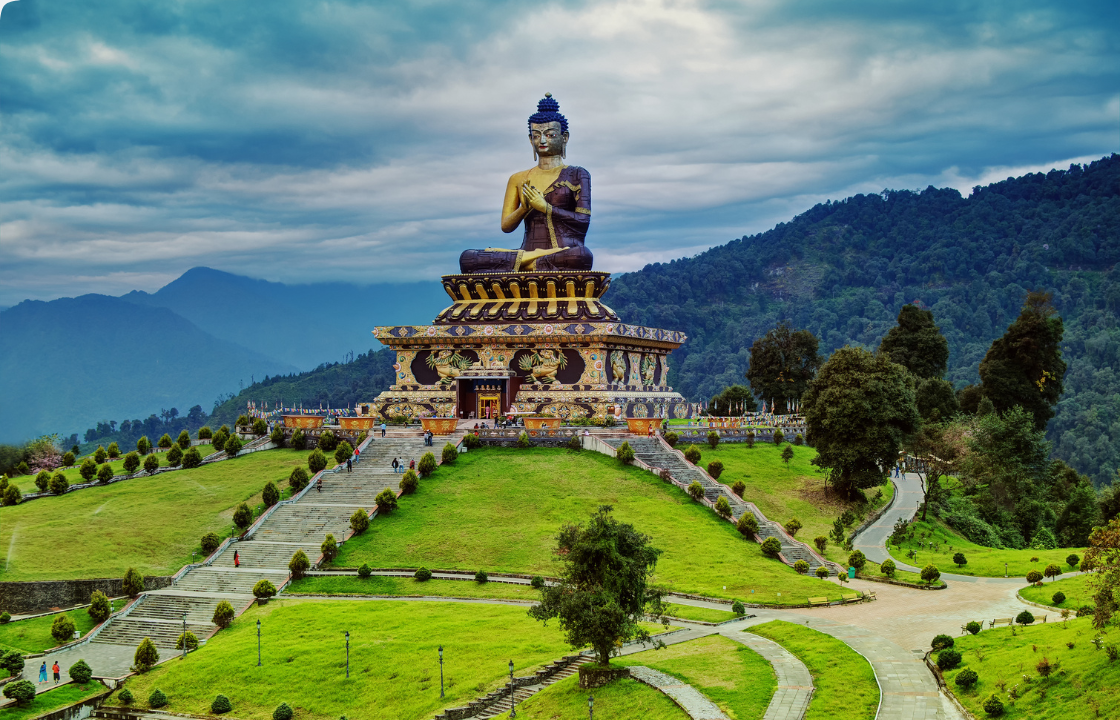
Sikkim, the tiny Himalayan state nestled between Nepal, Bhutan, and Tibet, is a land of breathtaking beauty and profound cultural depth. Far from the bustling tourist trails, its true essence lies in the quiet rhythm of its villages, where ancient traditions, Tibetan Buddhism, and indigenous customs weave a vibrant tapestry of daily life. While many visitors glimpse this world from a distance, a truly transformative experience awaits those willing to step off the beaten path.
This is not about a fleeting holiday; it’s about immersion. It’s about swapping hotel rooms for the warmth of a family homestay, tourist menus for home-cooked meals, and hurried sightseeing for the unhurried pace of village life. This guide is designed to provide you with the practical advice and cultural insights needed to live like a local in a Sikkimese village. We will explore how to choose the right community, prepare for your stay, embrace local etiquette, and contribute positively to the place you temporarily call home. Ready to embark on an authentic Sikkimese adventure? Read on to discover how to live like a local.

Choosing the Right Village for Your Immersive Experience
Sikkim is a mosaic of diverse landscapes and cultures, and no two villages are exactly alike. Your experience will be shaped significantly by the region you choose. West Sikkim, with historic towns like Pelling and Yuksom, is the cradle of Sikkimese history, offering stunning views of Mount Khangchendzonga and access to incredible monastic treks. North Sikkim, a more remote and rugged region, is home to the Lachenpa and Lachungpa communities in villages like Lachen and Lachung, offering a glimpse into a unique high-altitude way of life. Meanwhile, villages in East Sikkim, closer to the capital Gangtok, might offer a gentler introduction with more accessible amenities.
Your personal interests should be your primary guide. Are you an avid trekker hoping to explore pristine Himalayan trails? A village like Uttarey or Dzongu could be your ideal base. Are you drawn to spiritual pursuits and ancient monasteries? Consider a stay near Rumtek or Pemayangtse. For those interested in Sikkim’s pioneering organic farming movement, villages like Kewzing are renowned for their community-based tourism and agricultural focus.
Before you decide, practical considerations are key. Research the village’s accessibility, especially during the monsoon or winter months. While the charm of a remote village is undeniable, you must be prepared for simpler infrastructure. Check the availability of reliable electricity, mobile network coverage, and internet access if these are important to you. Most importantly, look for villages with established and reputable homestay programmes. These are often the communities that have embraced sustainable tourism, ensuring your visit benefits the local economy directly and respects the cultural and environmental fabric of the place. Take some time to explore the options and find the perfect village for your Sikkimese adventure; this initial research is the first step towards a truly transformative journey.
Preparing for Your Village Stay: Essential Information and Cultural Sensitivity
A well-prepared traveller is a respectful one. Before you embark, ensuring your logistics and cultural understanding are in order will pave the way for a smooth and meaningful experience. Firstly, all foreign nationals require a Restricted Area Permit (RAP) or Protected Area Permit (PAP) to enter Sikkim. These are usually obtainable in Gangtok, Siliguri, or at Indian embassies abroad. Indian nationals do not need a permit for most of Sikkim, but certain areas, particularly in the North and near the borders, require special permits. Always check the latest regulations on the official Sikkim Tourism website and the Indian Ministry of Home Affairs portal.
Packing should be both practical and culturally mindful. The weather can change rapidly, so dressing in layers is essential. Pack warm fleeces, a waterproof jacket, and sturdy, comfortable walking shoes. More importantly, pack modest clothing. While Sikkim is relatively liberal, in a village setting, respectful attire is appreciated. Avoid overly revealing clothes; long trousers or skirts and tops that cover the shoulders are appropriate, especially when visiting monasteries or family homes.
Language is the bridge to connection. While many younger Sikkimese speak English and Hindi, learning a few basic phrases in Nepali (the lingua franca) or the local dialect will be met with warm smiles.
- Namaste: A universal greeting.
- Tashi Delek: A Tibetan greeting common in Buddhist areas.
- Dhanyabad: Thank you.
- Mitho Chha: It’s delicious.
- Ramro Chha: It’s good/beautiful.
Finally, cultural reverence is paramount. When visiting a monastery or gompa, always remove your shoes before entering the prayer hall, walk clockwise around stupas and prayer wheels, and never point your feet towards the altar or a monk. Loud conversation is considered disrespectful. Always, without exception, ask for permission before taking photographs of people. A simple gesture and a smile can convey your request. Some older individuals may not wish to be photographed, and sacred ceremonies are often off-limits to cameras. Show your respect by learning a few key phrases and familiarising yourself with Sikkimese customs; it demonstrates a genuine interest that goes far beyond that of a typical tourist.
Living with a Local Family: Embracing Homestay Etiquette and Daily Life
The heart of living like a local is the homestay experience. This is where the barriers between visitor and host dissolve. Sikkimese homestays are more than just a bed for the night; they are a genuine invitation into a family’s home and daily life, forming the backbone of sustainable, community-led tourism in the state.
Respectful interaction is the cornerstone of a successful homestay. From my own experience, I’ll never forget my first morning in Yuksom, waking to the smell of freshly made phale (a type of Tibetan bread) and the gentle chanting from the family’s prayer room. It was a powerful reminder that I wasn’t just a tourist; I was a guest in their home. Always be mindful of family routines. Mealtimes are a wonderful opportunity for connection; eat what is offered with gratitude and compliment the cooking. Offer to help with simple chores like washing dishes or chopping vegetables. This small gesture shows you see yourself as part of the household, not just a paying customer.
One of the greatest joys of a homestay is the food. Ask your host mother if you can watch or participate in the kitchen. Learning to roll momos (dumplings), stir a pot of simmering thukpa (noodle soup), or understand the fermentation process of gundruk (fermented leafy greens) is a delicious and intimate cultural lesson.
Open communication is vital. If you have dietary restrictions or specific needs, discuss them politely with your host family beforehand. Be curious and ask questions about their life, their culture, and their traditions, but also be willing to share about your own. This exchange is what makes the experience so rich. Finally, while not expected, bringing a small, thoughtful gift for your host family is a warm gesture. Avoid giving cash. Instead, consider something useful from your home country, sweets for the children, or a quality household item. Open your heart and mind to the experience of living with a Sikkimese family; the connections you forge will be the most treasured souvenirs you take home.
Exploring the Village and Surrounding Areas: Responsible Trekking and Sightseeing
Once settled, the village and its surroundings become your world to explore. This exploration should be guided by a principle of responsibility, ensuring you leave nothing but footprints and take nothing but memories. When you venture out, whether for a short walk or a multi-day trek, always practice “Leave No Trace” ethics. Stay on marked trails to prevent erosion, carry out all your rubbish (including organic waste), and observe wildlife from a respectful distance.
Hiring a local guide is one of the best investments you can make. Not only does it directly support the local economy, but it also transforms a simple walk into a rich learning experience. A local guide can point out medicinal plants, share folklore associated with the landscape, and navigate the terrain with an expertise born from a lifetime of experience. They can lead you on treks to hidden waterfalls, sacred lakes, and viewpoints that you would never find on your own.
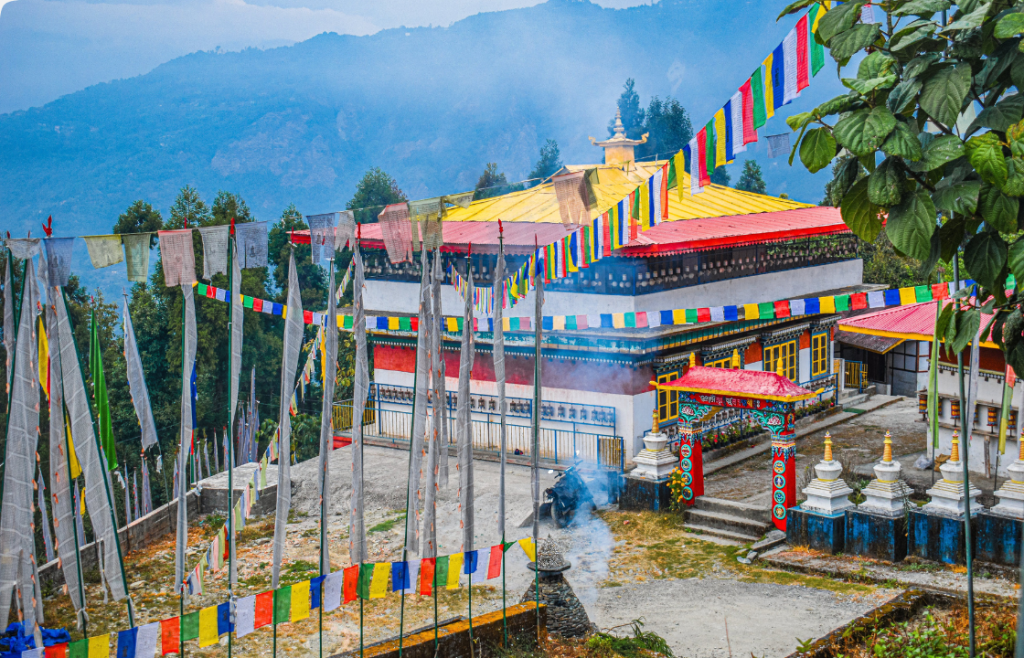
Your explorations will inevitably lead you to local monasteries, temples, and other sacred sites. As mentioned, approach these places with reverence. The quiet, contemplative atmosphere is integral to their purpose. Beyond monasteries, support the local economy by engaging with village artisans. Many Sikkimese villages have a rich heritage of handicrafts. Look for opportunities to buy directly from the weavers, woodcarvers, and thangka painters. This ensures the full value of your purchase goes to the person who created it. When shopping in local markets, bargaining is acceptable but should be done with a smile and a sense of fairness, not aggression. A small discount is reasonable, but haggling too hard over a few rupees is disrespectful to the vendor’s livelihood. Venture out and discover the beauty of Sikkim, but always remember to tread lightly and respect the local culture.
Participating in Local Festivals and Celebrations: Immersing Yourself in Sikkimese Culture
If you are fortunate enough to time your visit with a local festival, you are in for an unforgettable cultural immersion. Festivals are the lifeblood of Sikkimese communities, a vibrant expression of faith, history, and community spirit. Major festivals like Losar (Tibetan New Year), Saga Dawa (celebrating Buddha’s birth, enlightenment, and death), and Pang Lhabsol (worshipping Mount Khangchendzonga) are celebrated with immense fervour.
When attending a festival, remember you are a guest. Dress modestly and respectfully. Observe the proceedings from a slight distance unless you are explicitly invited to participate. The highlight of many festivals is the chaam dance, where monks don elaborate masks and costumes to depict deities and demons in stories of moral victory. The energy is palpable, but it is a religious ceremony, not just a performance.
Again, photography etiquette is crucial. The masked dances and colourful ceremonies are visually stunning, but always be discreet. Avoid using flash, and never intrude on the performance space or block the view of local devotees. Ask for permission before taking close-up photos of performers or participants.
Beyond the main festivals, these occasions are a wonderful time to interact with local people. Share in the festive food, try the local millet beer (chaang) if offered, and engage in conversation. You might also find opportunities to learn about traditional arts. Ask your host family if they know anyone who teaches thangka painting, traditional weaving, or even the basics of a local folk dance. Participating, even as a novice, shows a deep level of respect and interest. Time your visit to coincide with a local festival and immerse yourself in the colourful traditions of Sikkim for an experience that is truly once-in-a-lifetime.
Contributing to the Community: Volunteering and Supporting Local Initiatives
A truly immersive stay goes beyond observation; it involves participation and contribution. For travellers staying for a longer period, volunteering can be an incredibly rewarding way to give back to the community that has welcomed you. Opportunities can range from helping teach English at the local school to assisting with daily tasks on an organic farm or participating in a community-led environmental clean-up drive.
The key is to approach volunteering with humility. You are there to support, not to lead. Listen to the needs identified by the community itself and respect local knowledge and ways of doing things. From my own experience volunteering on a reforestation project, the most valuable lesson was that my enthusiasm was secondary to the wisdom of the local farmers who understood the soil and climate intimately. My role was to provide an extra pair of hands, not to impose my own ideas.
If you have specific skills, be it in healthcare, IT, or business, you might be able to offer them in a structured way. However, it’s crucial to go through reputable local NGOs or community organisations. They can ensure your skills are channelled effectively and appropriately. Research and vet any organisation thoroughly to confirm they are legitimate and have a positive impact.
Even if you don’t have time for formal volunteering, you can contribute in smaller ways. Support local cooperatives, buy produce from local farmers, and prioritise homestays and guides from the community. Your tourist spending is a powerful tool; directing it towards grassroots, locally-owned initiatives ensures that the economic benefits of tourism are distributed equitably. Leave a lasting legacy by contributing your time and skills to the people of Sikkim; it will enrich your journey in ways you can’t imagine.
Conclusion
Living like a local in a Sikkimese village is an invitation to slow down, to connect, and to see the world through a different lens. It is an experience that transcends tourism, offering a profound cultural exchange that enriches both the traveller and the host community. By choosing your village thoughtfully, preparing with cultural sensitivity, embracing the warmth of a homestay, exploring responsibly, and contributing positively, you move beyond being a mere visitor to become a welcome guest.
The rewards are immeasurable: the taste of a home-cooked meal shared with a new family, the wisdom in a local guide’s stories, the shared laughter during a village festival, and the quiet satisfaction of knowing your presence has been a positive one. This journey fosters a deep and lasting appreciation for Sikkim’s unique culture, its resilient people, and its fragile, precious environment. As you plan your own adventure, commit to these strategies for a more meaningful journey. The real Sikkim is waiting.
We invite you to share your own stories and tips for living like a local in a Sikkimese village in the comments below. Your experiences can help and inspire fellow travellers to embark on their own authentic journey.