A Day in the Life of a Tea Picker in Assam
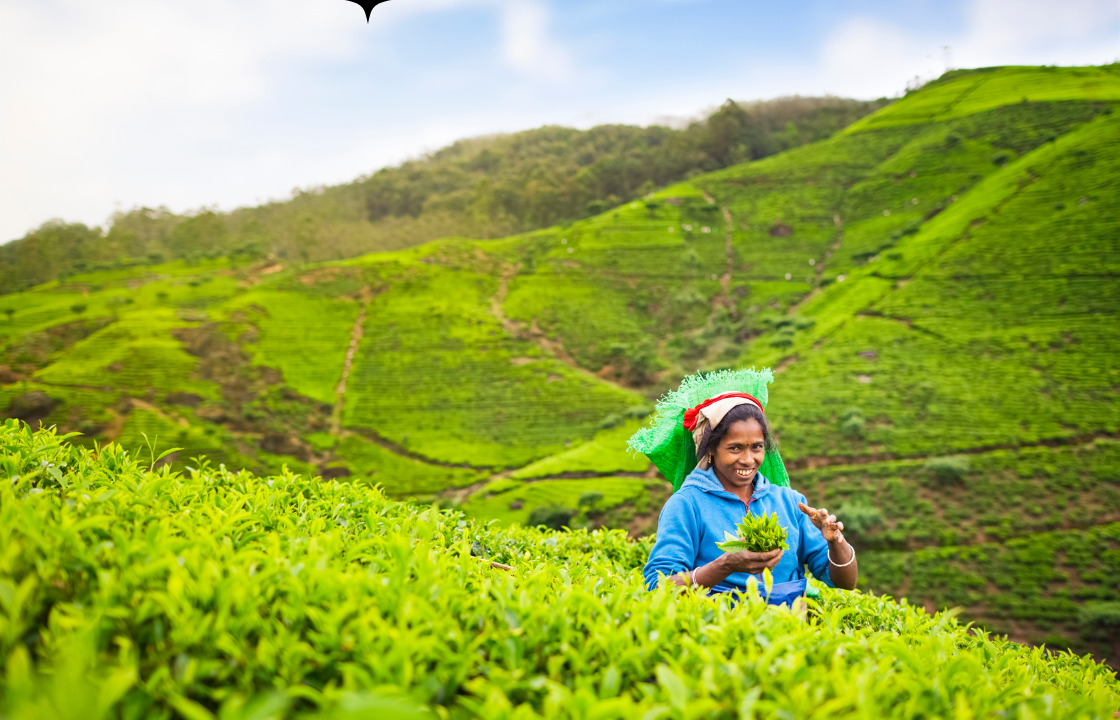
Nestled in the verdant, rolling hills of Northeast India, the state of Assam is a name synonymous with tea. Its robust, malty brew is celebrated worldwide, a staple in countless kitchens and a cornerstone of the global tea industry. Yet, behind every fragrant cup lies a story of immense human effort, a narrative woven by the skilled hands of thousands of tea pickers. These individuals are the unsung heroes of the tea gardens, their daily labour forming the very foundation of Assam’s celebrated tea production. This article aims to pull back the curtain on their world, offering a detailed, moment-by-moment account of a typical day in the life of a tea picker, from the misty dawn to the quiet dusk.
The Early Morning Routine
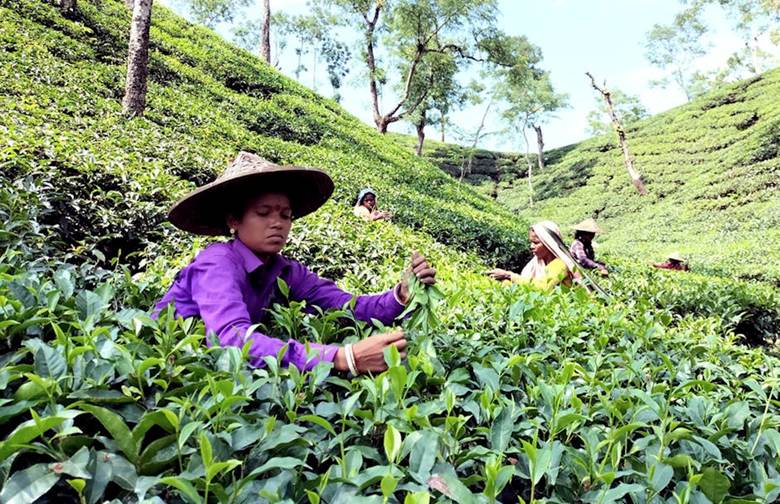
The day for a tea picker begins long before the sun crests the horizon, often as early as 4:30 or 5:00 AM. The pre-dawn coolness offers a brief respite from the heat that will soon dominate the day. Waking early is a necessity, not a choice. The most tender and valuable tea leaves, the “two leaves and a bud,” are best plucked in the cool morning air before the sun’s rays can alter their delicate chemistry.
The morning routine is a quiet flurry of activity. A simple, energy-rich breakfast is prepared, often consisting of rice, lentils (dal), and perhaps some vegetables from a small home garden. This meal is crucial, providing the fuel needed for hours of strenuous physical work. After eating, the pickers dress for the day. Their attire is practical, designed for protection rather than fashion. Women typically wear colourful sarees, often with a cloth wrapped around their heads to shield them from the sun, while men might wear a simple shirt and trousers. They gather their essential tools: a large, woven bamboo basket (known as a doko or thungi) to be strapped to their back, and sometimes a small pair of shears, though most rely on the dexterity of their fingers. The journey to the tea gardens then begins, often on foot, along winding paths that cut through the lush landscape, a quiet procession of workers moving towards the endless green fields.

Arriving at the Tea Garden
As the pickers arrive, the tea garden slowly awakens. The air is thick with the sweet, earthy scent of Camellia sinensis assamica, the native tea plant. The quiet of the morning is gently broken by the chirping of birds and the low murmur of conversation as workers greet one another. The visual landscape is breathtaking, a seemingly infinite sea of green, meticulously manicured tea bushes stretching across the rolling hills, often shrouded in a delicate morning mist.
Before the work begins, the sardar (supervisor) gathers the workers. Each picker or small group is assigned a specific section of the garden to work on for the day. The supervisor provides a brief set of instructions, reinforcing the quality standards for the pluck. Today, they might be focused on a “fine pluck,” requiring only the most tender shoots, which will fetch a higher price and contribute to a premium batch of tea. This initial briefing is vital for ensuring consistency and quality across the entire harvest.
The Tea Picking Process
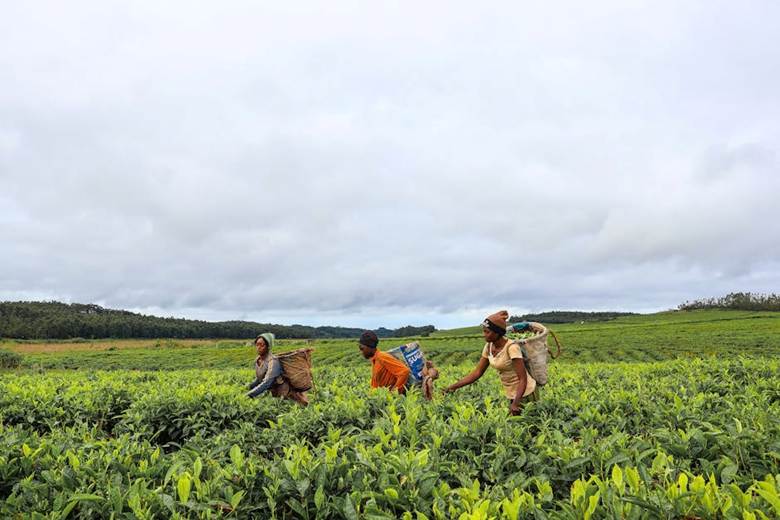
With their baskets secured, the pickers disperse into their assigned rows and the real work begins. The process is a rhythmic, almost meditative dance of hands and eyes. The goal is to pluck the perfect combination: “two leaves and a bud.” This refers to the two youngest, most tender leaves and the unopened leaf bud at the tip of the branch. This specific pluck contains the highest concentration of flavour and aromatic compounds, which define the quality of the final product.
The physical demands are immense. The work involves constant bending and stretching, with pickers often spending hours in a stooped position. Their fingers move with incredible speed and precision, a skill honed over years of practice. A proficient picker can pluck thousands of shoots in a single day. The basket on their back grows progressively heavier, often weighing over 20-25 kilograms by the time it’s full. Throughout the day, they contend with the elements, the intense sun, sudden downpours during the monsoon season, and encounters with insects or leeches. The leaves are tossed over their shoulder into the basket, a continuous, fluid motion that continues for hours.
Mid-Day Break and Lunch
Around noon, when the sun is at its peak, the workers take a well-deserved break. They find shade under the scattered trees that dot the plantation, unstrapping their heavy baskets and stretching their tired limbs. This break is a vital time for rest, rehydration, and socialising. Laughter and conversation fill the air as they share stories and catch up with friends and family working in nearby rows.
Lunch is simple and portable, usually the food they prepared and packed in the morning. It’s eaten together, often shared among the group, fostering a strong sense of community. They drink water carried in bottles or flasks, rehydrating their bodies to cope with the afternoon heat. This short period of rest is essential for replenishing their energy, allowing them to continue their demanding work for the remainder of the day.

Afternoon Tea Picking
After the lunch break, the work resumes. The afternoon session is often more challenging. The sun is relentless, and fatigue begins to set in. Maintaining focus and energy requires immense resilience. The pace might slow slightly, but the need for precision remains. The pickers must continue to carefully select the right leaves, ensuring the quality of the harvest does not diminish as the day wears on. They adapt their strategies based on the conditions, perhaps moving to a shadier part of their assigned plot if the heat becomes too intense. The rhythmic plucking continues until the late afternoon, when the day’s work finally draws to a close.

Weighing and Sorting the Harvest
As the workday ends, the pickers make their way to a central collection point, carrying their heavy baskets filled with the day’s harvest. This is where the crucial process of weighing takes place. Each picker’s basket is weighed, and the amount is meticulously recorded by the supervisor. This measurement is of utmost importance, as it directly determines their daily wage.
After weighing, a quick sorting process may occur. The leaves are inspected for quality, and any coarse leaves, twigs, or debris are removed. This ensures that only the best leaves are sent to the factory for processing. The accuracy of both weighing and sorting is vital for maintaining quality control and ensuring that the pickers are compensated fairly for their hard work.

Compensation and Earnings
The wage system for tea pickers in Assam is often based on a piece-rate model. While there is a basic daily wage, their total earnings are heavily dependent on the quantity of leaves they pick. According to reports from the Assam government’s labour department, the daily wage is set at a base rate, but pickers can earn more by exceeding a certain weight threshold. This system incentivises productivity but also puts immense pressure on the workers.
The quality of the pluck can also influence earnings, with bonuses sometimes offered for a higher percentage of “fine” leaves. The average daily earnings can be modest, making it a challenging livelihood. Some tea estates provide additional benefits, such as basic housing within the plantation grounds (known as labour lines), access to primary healthcare facilities, and rudimentary schooling for their children, though the quality and availability of these services can vary significantly.
Challenges and Hardships
Despite the romanticised image of tea gardens, the life of a tea picker is fraught with challenges. Low wages are a persistent issue, often trapping families in a cycle of poverty. The physical nature of the work leads to numerous health problems. Studies published in journals on NCBI have highlighted the high prevalence of musculoskeletal disorders among tea pickers due to the repetitive motions and awkward postures.
Furthermore, exposure to the elements and agricultural chemicals poses significant health risks. Prolonged sun exposure can lead to skin conditions, while the use of pesticides in some gardens can cause respiratory and other long-term health issues. Socio-economic challenges are also widespread. Reports from organisations like Oxfam have often detailed issues such as inadequate housing, limited access to clean water and sanitation, and barriers to quality education for the children of tea workers, limiting their future opportunities.

The Evening Routine and Rest
The journey back home is filled with a sense of weary accomplishment. The pickers return to their homes in the labour lines, their bodies aching from the day’s toil. The evening is a time for family and recovery. They bathe, wash away the grime of the fields, and prepare the evening meal. The family gathers to eat, sharing stories from their day. This time together is precious, a moment of connection and comfort after long hours of separation. Rest is not a luxury but a necessity. Their bodies need to recover to be able to face another demanding day that will begin in just a few short hours.
The Role of Tea Pickers in the Tea Industry
It is impossible to overstate the importance of tea pickers. They are the guardians of quality for Assam tea. Their skill, knowledge, and dedication directly determine the final character of the brew. The ability to identify and pluck the “two leaves and a bud” with speed and precision is a craft passed down through generations. They are not just labourers; they are artisans whose expertise is the critical first step in a long and complex production chain. Recognising their vital contribution means advocating for their fair treatment, improved working conditions, and a wage that reflects the value of their skilled labour.
Sustainability and Ethical Practices in Tea Production
In recent years, there has been a growing awareness of the need for sustainability and ethical practices in the tea industry. Sustainable farming methods, which minimise the use of chemical pesticides and focus on preserving the local ecosystem, are becoming more common. Certifications from organisations like the Rainforest Alliance and Fairtrade International play a crucial role in this movement. These labels certify that the tea has been produced in an environmentally sustainable manner and that the workers have received fair wages and work in safe conditions. As consumers, our choices matter. By opting for certified teas, we can use our purchasing power to support the companies that are committed to ethical production and help improve the lives of the tea pickers who make our daily cup possible.
Conclusion
The life of a tea picker in Assam is one of stark contrasts. It is a life lived amidst breathtaking natural beauty, yet defined by gruelling physical labour. It is a life essential to a multi-billion dollar global industry, yet often lived on the margins with modest rewards. Their day is a testament to human resilience, skill, and an unwavering dedication to their craft.
So, the next time you brew a cup of rich, malty Assam tea, take a moment to think of the journey it has taken. Picture the misty morning fields, the blur of skilled hands, and the heavy baskets. Appreciate the immense effort and the generations of expertise that are steeped into every single leaf. By understanding and honouring their story, we can add a deeper layer of appreciation to our daily ritual and advocate for a future where every cup of tea supports a life of dignity for those who harvest it.