Cash or Card? How to Handle Money While Traveling in India
Navigating the vibrant, chaotic, and utterly captivating landscapes of India is an experience unlike any other. From the snow-capped peaks of the Himalayas to the sun-drenched beaches of Goa, the country offers a sensory feast for every traveller. However, amidst the planning of itineraries and packing of essentials, one crucial question often arises: how should I manage my money? India’s financial ecosystem is a fascinating paradox, a place where ancient cash-based traditions coexist with a booming digital payment revolution. Understanding this dynamic is key to a smooth, safe, and stress-free journey.
This article serves as your comprehensive guide to handling money in India. We will delve deep into the nuances of using both cash and cards, exploring when and where each is most appropriate. We will cover everything from safely withdrawing cash from ATMs and exchanging currency at the best rates, to leveraging the power of India’s Unified Payments Interface (UPI) and protecting yourself from common financial pitfalls. By the end of this guide, you will be equipped with the knowledge and confidence to manage your finances like a seasoned traveller, allowing you to focus on what truly matters: immersing yourself in the incredible tapestry of Indian culture.
The Continued Reign of Cash in India
Despite a significant push towards a “Digital India,” the old adage “cash is king” still holds considerable weight across the subcontinent. While you’ll find card machines and QR codes in the bustling metros of Delhi and Mumbai, stepping off the beaten path reveals a world that runs almost exclusively on paper currency. Understanding the role of cash is not just a practical necessity; it’s an insight into the fabric of daily life for millions of Indians.
The primary reason cash remains indispensable is its universal acceptance. In smaller towns, remote villages, and at the countless street-side stalls that offer the most authentic food and crafts, plastic is simply not an option. Your credit card will be of little use when paying for a ride in an auto-rickshaw, buying fresh produce from a local market, or purchasing a handmade souvenir from an artisan in a rural village. According to data from the Reserve Bank of India (RBI), currency in circulation remains a significant part of the economy, underscoring its deep-rooted importance in everyday transactions.
Furthermore, cash is the language of negotiation. Bargaining is an integral part of the shopping experience in many Indian markets. Having physical currency gives you a tangible advantage and is often expected. Tipping, while not as structured as in Western countries, is also a cash-based custom. A small note of 10 or 20 rupees for a porter or a slightly larger amount for a helpful guide is a gesture of appreciation that can only be made with cash.
Practical Tips for Managing Cash Safely
Handling cash requires a degree of vigilance. While India is generally a safe country for travellers, petty theft can occur, particularly in crowded tourist areas. Here are some expert strategies to keep your money secure:
- Divide and Conquer: Never keep all your cash in one place. Distribute it between your wallet, a concealed money belt worn under your clothes, and perhaps a secure pocket in your daypack. This minimises potential losses if one of your bags is misplaced or stolen.
- Use ATMs Wisely: Opt for ATMs located inside bank branches or in well-lit, secure areas like shopping centres. These are less likely to be tampered with than standalone machines on quiet streets. Always shield the keypad with your hand when entering your PIN.
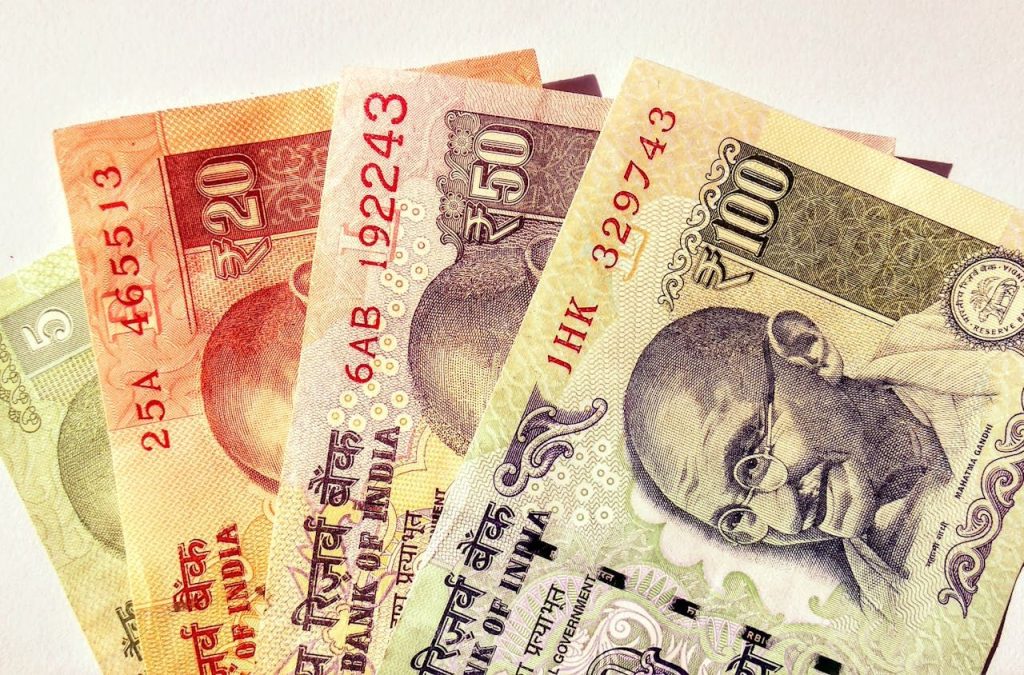
- Carry Small Denominations: Breaking large notes (like the ₹500 or the less common ₹2000) can be a challenge for small vendors. Always try to maintain a healthy supply of smaller notes (₹10, ₹20, ₹50, ₹100) for daily expenses like transport, snacks, and tips. You can ask for smaller notes when exchanging currency or break larger ones at hotels and larger stores.
- Be Discreet: Avoid flashing large wads of cash in public. When paying for goods, take out only the amount you need rather than revealing the entire contents of your wallet.
From my own experience travelling through Rajasthan, cash proved to be a lifeline. While my card was useful in the hotels of Jaipur, it was the crisp rupee notes that paid for the delicious street-side kachoris, the camel ride into the Thar desert, and the beautiful block-printed textiles I bought directly from an artisan in a small village. Without cash, I would have missed out on these authentic and memorable experiences.
Actionable Tip: Before you depart, take a moment to map out the more rural or less-developed areas on your itinerary. Estimate your daily cash needs for these locations and plan your ATM withdrawals accordingly to ensure you’re never caught short.
Navigating the Digital Payment Landscape: Cards and UPI
While cash holds its ground, India’s digital payment revolution is impossible to ignore. Spearheaded by the Unified Payments Interface (UPI), the country has witnessed an explosive adoption of digital transactions, transforming the way people pay in urban centres. For a traveller, embracing this technology can offer unparalleled convenience and security.
Credit and debit cards, particularly Visa and Mastercard, are widely accepted in mid-to-high-end establishments. You can comfortably use your card in most hotels, upscale restaurants, shopping malls, and branded stores in major cities. American Express is accepted, but less commonly, so it’s wise to have a Visa or Mastercard as a primary option. Be aware that some smaller establishments may levy a surcharge of 1-2.5% on card transactions to cover their processing fees.
The Game-Changer: Unified Payments Interface (UPI)
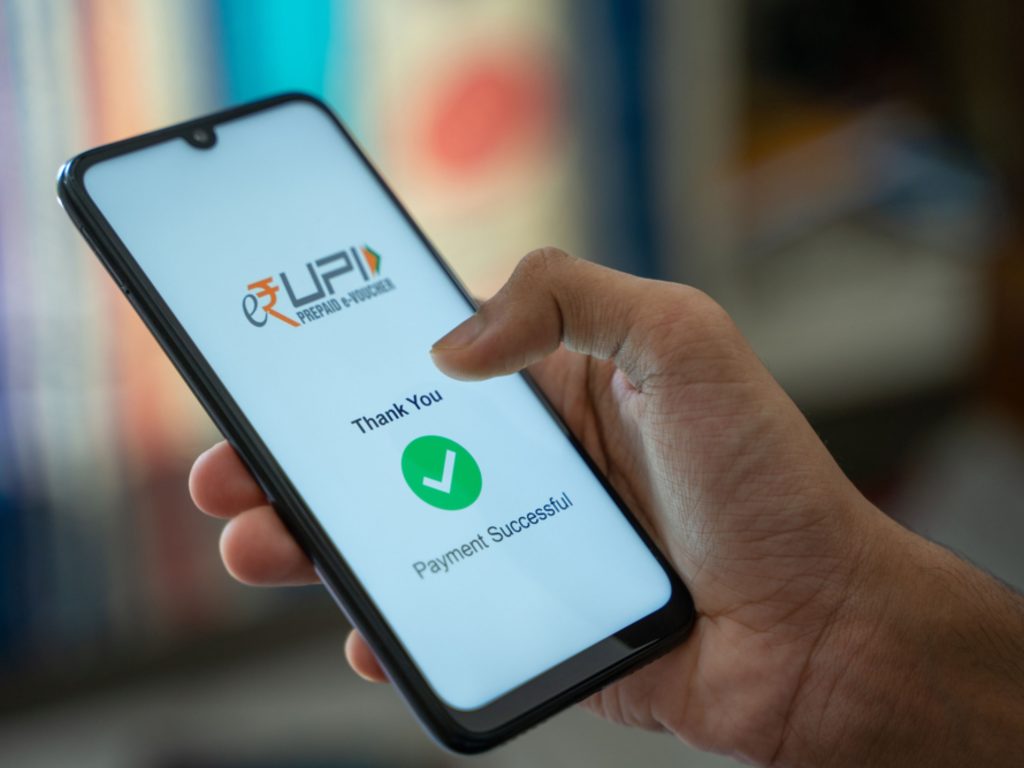
The true star of India’s digital payment story is UPI. Developed by the National Payments Corporation of India (NPCI), UPI is an instant real-time payment system that allows users to transfer money between bank accounts using a mobile app. It has become ubiquitous, with QR codes displayed everywhere from fancy cafes to humble tea stalls.
How does UPI work for a traveller? Recently, the RBI has extended UPI access to foreign nationals from G20 countries, allowing them to link the system to their non-Indian phone numbers. For others, setting up UPI typically requires an Indian bank account and an Indian mobile number. However, some travellers have found success using services like Wise (formerly TransferWise) to create a virtual Indian account that can then be linked to a UPI app like Google Pay, PhonePe, or Paytm.
The benefits of using UPI are numerous:
- Convenience: Paying is as simple as scanning a QR code with your smartphone.
- Speed: Transactions are instantaneous.
- Security: Payments are authenticated using a secure PIN, and you don’t need to expose your card details to merchants.
- Widespread Acceptance: In cities, you’ll be surprised by the sheer number of vendors, big and small, who accept UPI payments.
Before you travel, it is absolutely crucial to inform your home bank of your travel dates and destinations. Banks’ fraud detection systems are sophisticated and may block your card if they detect unusual activity from an unexpected location like India. A quick phone call or online notification can save you from the major headache of a blocked card.
Actionable Tip: Research the latest regulations regarding UPI for foreign travellers before your trip. Download a major UPI app like Google Pay or PhonePe to familiarise yourself with the interface. Even if you can’t link it to your account from home, you’ll be ready to try setting it up upon arrival if the opportunity arises.
ATMs in India: Accessing Cash When You Need It
ATMs are plentiful across India, especially in cities and towns. They are your primary gateway to accessing Indian Rupees directly from your home bank account. However, not all ATMs are created equal, and knowing how to use them safely and efficiently is key.
When looking for an ATM, it’s best to stick to those operated by major, reputable banks. These include:
- State Bank of India (SBI)
- HDFC Bank
- ICICI Bank
- Axis Bank
- Kotak Mahindra Bank
These banks have extensive networks, and their ATMs are generally well-maintained and secure. You can use Google Maps or specific bank apps to locate the nearest machine. As mentioned earlier, prioritise ATMs located within bank premises for an added layer of security.
Understanding Fees and Limits
When you withdraw cash from an Indian ATM using a foreign card, you’ll likely encounter two types of fees:
- Local ATM Fee: The Indian bank operating the ATM may charge a fee per transaction, typically ranging from ₹200 to ₹300.
- Foreign Transaction Fee: Your home bank will likely charge a fee for using your card abroad. This can be a flat fee and/or a percentage of the withdrawal amount.
It’s wise to check your bank’s international fee structure before you leave. Some modern challenger banks or travel-focused credit cards offer fee-free international withdrawals, which can lead to significant savings over a long trip.
Most Indian ATMs have a withdrawal limit per transaction, which is often ₹10,000. Your home bank will also have its own daily withdrawal limit. To minimise fees, it’s generally better to make fewer, larger withdrawals rather than multiple small ones.
ATM Security and Contingency Planning
Safety at the ATM is paramount. Always be aware of your surroundings. If anyone is standing too close or making you feel uncomfortable, leave and find another machine. Cover the keypad as you enter your PIN and check the card slot and keypad for any unusual attachments, which could be signs of a skimming device designed to steal your card information.
On a trip to Delhi, my card was unexpectedly retained by an ATM. It was a stressful moment, but because I had a plan, it was manageable. I immediately called my bank’s 24/7 international helpline to block the card. I had a backup card stored separately and enough emergency cash to last me until I could sort things out. This experience taught me the invaluable lesson of being prepared.
What to do if your card is lost, stolen, or retained:
- Contact Your Bank Immediately: Use their international freephone number (often found on the back of the card or on their website) to report the issue and block the card.
- Rely on Your Backup: Use your secondary card or emergency cash.
- Arrange a Replacement: Ask your bank about emergency card replacement services. Some can courier a new card to your hotel within a few days.
Actionable Tip: Before you arrive at your destination in India, use an online map service to identify the locations of two or three major bank ATMs near your accommodation. This saves you from wandering around searching for one when you’re tired after a long journey.
Security Tips for Handling Money in India
India is a whirlwind of activity, and while the vast majority of your interactions will be positive, it’s wise to adopt a mindset of cautious awareness to protect your finances. Being vigilant doesn’t mean being paranoid; it means being smart and prepared, allowing you to relax and enjoy your trip.
One of the most important principles is to be aware of your surroundings, especially in crowded places like train stations, markets, and tourist hotspots. These are prime locations for pickpockets. Keep your valuables secure and out of sight.
Avoiding Common Scams
While not rampant, some common scams target tourists. Being aware of them is the best defence.
- The Fake Currency Scam: A vendor or taxi driver might claim the note you gave them is fake and try to switch it with a counterfeit one while handing it back. Always be attentive during transactions. Familiarise yourself with the look and feel of genuine Indian currency. Real notes have a watermark of Mahatma Gandhi and a security thread.
- The Inflated Price/Incorrect Change Scam: Always confirm the price of a service (like a taxi ride) before you accept it. When receiving change, count it carefully before you leave the counter or vendor.
- The “Helpful” Stranger: Be wary of overly friendly strangers who approach you near ATMs or currency exchange offices offering help. Politely decline and handle your transactions independently.
Digital and Document Security
Your financial security extends beyond physical cash. Protecting your cards and digital information is equally important.
- Use Secure Payment Methods: When paying online for hotels or transport, ensure the website is secure (look for “https://”). Avoid clicking on unverified payment links sent via email or messaging apps.
- Travel Insurance is Non-Negotiable: A comprehensive travel insurance policy is essential. Ensure it covers the theft or loss of money and cards. The UK Government’s foreign travel advice for India strongly recommends having adequate travel insurance.
- Create Digital Backups: Before you leave, scan or take clear photos of your passport, visa, credit cards (both sides), and travel insurance documents. Store these securely in an encrypted cloud service like Dropbox or Google Drive, or email them to yourself. This can be a lifesaver if your physical documents are lost.
- Emergency Contacts: Compile a list of emergency contact numbers. This should include the international helplines for all your bank cards, your travel insurance provider’s emergency number, and the contact details for your country’s embassy or consulate in India.
Actionable Tip: Create a “financial first-aid kit.” This should be a secure digital document or a small note kept separate from your wallet containing your emergency contact numbers and basic details of your cards (e.g., “Blue HSBC Visa,” not the full number). This ensures you have the critical information at your fingertips in an emergency.
Currency Exchange: Getting the Best Rates
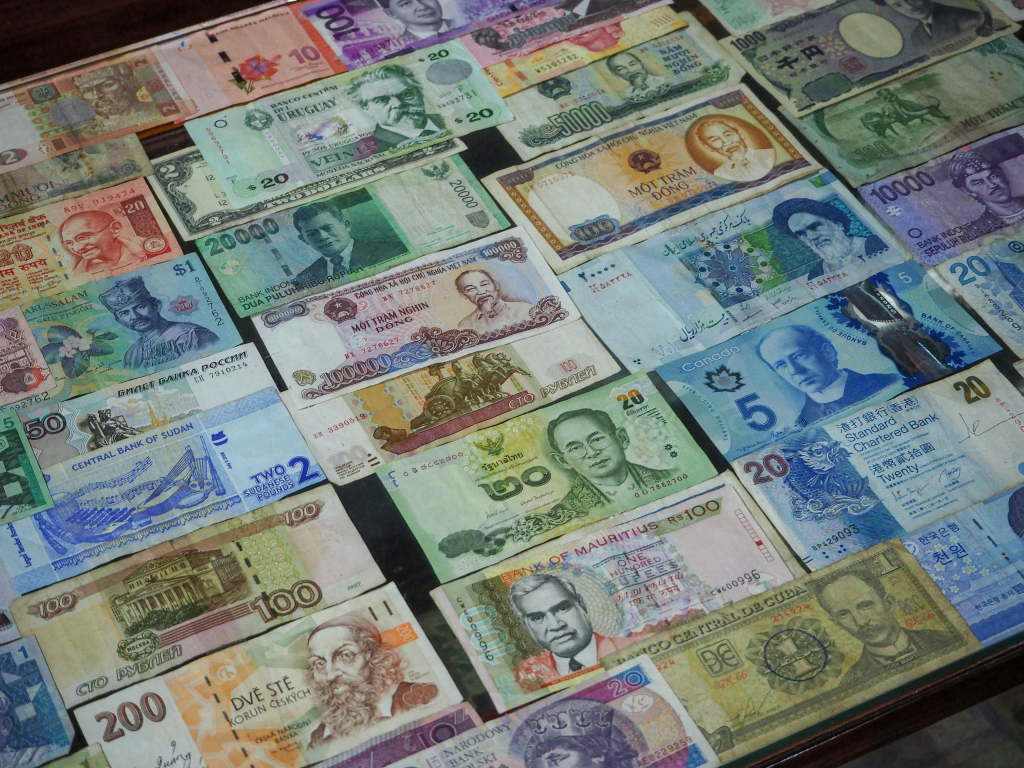
While ATMs are often the most convenient way to get cash, there will be times when you need to exchange foreign currency. Navigating the world of money changers requires a bit of savvy to ensure you get a fair deal.
The golden rule of currency exchange is to avoid changing money at airports or your hotel. While convenient, the exchange rates offered at these locations are typically the worst you’ll find, with high fees and poor rates designed to prey on convenience. It’s acceptable to exchange a very small amount upon arrival perhaps £50 or $50 to cover your initial taxi ride and a meal, but save the bulk of your exchange for a better venue.
Finding Authorised and Fair Exchangers
Your best options for currency exchange are:
- Authorised Money Changers: Look for private money changers that are “Authorised by the Reserve Bank of India.” They are required to display their license prominently. Reputable companies like Thomas Cook or UAE Exchange have branches in many cities.
- Banks: Major banks also offer currency exchange services, which are reliable and secure, though their rates may be slightly less competitive than the best private changers.
Before exchanging, always do your homework. Use an online currency converter like XE.com to check the current mid-market rate. This is the real exchange rate, and while you’ll never get this exact rate, it serves as a benchmark. Aim for a rate that is as close to the mid-market rate as possible.
How to spot a good deal and avoid scams:
- Ask for the “Final Rate”: Always ask, “If I give you X amount of my currency, how many Indian Rupees will I get in my hand?” This forces them to be transparent about all fees and commissions.
- Compare Multiple Options: Don’t settle for the first place you find. Check the rates at two or three different authorized changers before committing.
- Insist on a Receipt: Always get an official receipt for your transaction. This is not only good practice but may be required if you wish to exchange leftover rupees back to your home currency when you depart.
Prepaid Travel Cards
Another option to consider is a prepaid travel card. You load the card with funds in your home currency, which are then converted and stored in Indian Rupees. You can use it like a debit card for purchases and ATM withdrawals.
Pros:
- The exchange rate is locked in when you load the card.
- They are not linked to your main bank account, which adds a layer of security.
- They can be a useful budgeting tool.
Cons:
- They often come with various fees (loading fees, withdrawal fees, inactivity fees).
- Not all merchants may accept them.
Carefully read the terms and conditions before getting a prepaid travel card to ensure the fees don’t outweigh the benefits for your specific travel style.
Conclusion
Managing money in India is a tale of two worlds. It requires a flexible strategy that embraces both the enduring reliability of cash and the modern convenience of digital payments. The key to success lies in understanding the context: cash for the small vendors, the rural roads, and the thrill of the bargain; cards and UPI for the seamless transactions of urban life. By preparing properly informing your bank, setting a budget, and creating security backups you transform potential financial stress into a feeling of empowerment.
Vigilance is your constant companion. By being aware of your surroundings, understanding common scams, and protecting your financial information, you build a shield of security that allows you to engage with India’s incredible culture with an open heart and a peaceful mind. Careful planning is not about restricting your adventure; it’s about enabling it. It’s the foundation upon which spontaneous, joyful, and unforgettable travel memories are built.
So, plan your finances, pack your bags, and prepare for a journey that will challenge, inspire, and change you. India awaits, and now you are ready to navigate it with financial confidence.