Guide to Ayurvedic Healing in Kerala’s Backwaters
Imagine drifting along a tranquil network of emerald-green canals, fringed by swaying palm trees and lush paddy fields. The only sounds are the gentle lapping of water against your houseboat and the distant call of exotic birds. This is the serene world of Kerala’s backwaters, a place where time seems to slow down, and healing feels not just possible, but inevitable. It is here, in this idyllic setting, that one of India’s most ancient traditions of wellness, Ayurveda, finds its most profound expression.
Ayurveda, originating over 5,000 years ago, is more than just a system of medicine; it is a holistic science of life that seeks to create perfect harmony between mind, body, and spirit. While its wisdom is timeless, Kerala, often called ‘God’s Own Country’, has become its global heartland. The region’s unique climate, abundant medicinal herbs, and unbroken lineage of Ayurvedic practitioners (Vaidyas) make it the premier destination for authentic healing. This article is your comprehensive guide to embarking on a transformative Ayurvedic journey in the breathtaking backwaters of Kerala. We will explore the core principles of this ancient practice, detail the powerful treatments available, help you choose the perfect retreat, and provide practical tips to ensure your experience is one of deep rejuvenation and lasting well-being.
Understanding Ayurveda: Core Principles and Practices

Before immersing yourself in the healing waters of Kerala, it is essential to understand the foundational philosophy of Ayurveda. At its core, Ayurveda teaches that the universe is composed of five elements: ether (space), air, fire, water, and earth. In the human body, these elements combine to form three fundamental life forces or energies, known as doshas. Your unique combination of these doshas, determined at birth, is your Prakriti—your individual constitution. Health is achieved when these doshas are in balance, while imbalance leads to disease.
An authentic Ayurvedic experience begins with a detailed consultation with a Vaidya, who will determine your Prakriti and any current imbalances. This diagnosis is not just about symptoms; it is a holistic assessment involving methods like Nadi Pariksha (pulse diagnosis), tongue examination, and in-depth questions about your diet, lifestyle, sleep patterns, and mental state.
The three doshas are:
- Vata (Ether and Air): The energy of movement. Vata governs all bodily functions related to motion, including breathing, blood circulation, blinking, and the nervous system. In balance, Vata promotes creativity and vitality. When imbalanced, it can cause anxiety, insomnia, dry skin, and constipation.
- Pitta (Fire and Water): The energy of digestion and metabolism. Pitta controls digestion, absorption, body temperature, and intelligence. In balance, Pitta fosters a sharp intellect and contentment. An excess of Pitta can manifest as anger, inflammation, skin rashes, and acidity.
- Kapha (Earth and Water): The energy of structure and lubrication. Kapha provides the body with its physical form, lubricates joints, and maintains immunity. In balance, Kapha is expressed as love, calmness, and strength. When imbalanced, it can lead to weight gain, congestion, lethargy, and attachment.
Based on your unique constitution, the Vaidya will create a personalised treatment plan that includes specific herbal medicines, dietary adjustments, therapeutic massages, yoga, and meditation to restore your natural state of balance.
Ayurvedic Treatments Offered in Kerala’s Backwaters
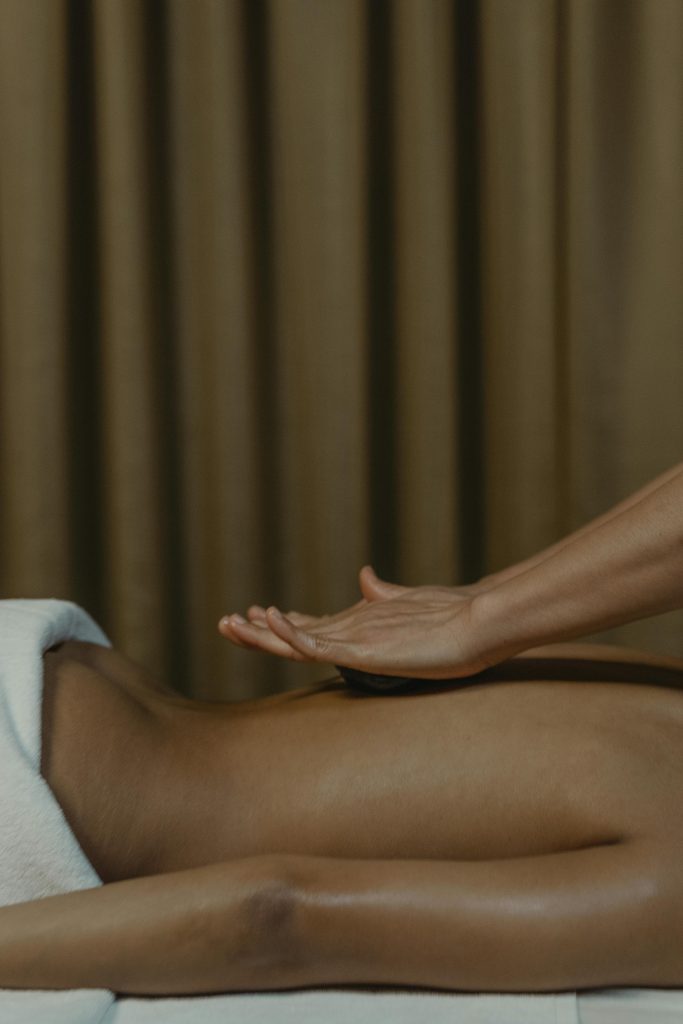
The treatments offered in Kerala are deeply rooted in ancient texts and are designed to purify the body, calm the mind, and rejuvenate the spirit. While there are hundreds of therapies, some are particularly renowned and form the cornerstone of most healing programmes.
Panchakarma: The Ultimate Detoxification
Panchakarma is Ayurveda’s signature purification therapy. It is an intensive, multi-step process designed to remove deep-seated toxins (ama) from the body and restore the balance of the doshas. It is not a single treatment but a sequence of five primary procedures:
- Vamana: Therapeutic vomiting, primarily used to eliminate excess Kapha, which can cause conditions like asthma and congestion.
- Virechana: Medicated purgation, which cleanses the gastrointestinal tract to remove excess Pitta, helping with issues like skin inflammation and digestive disorders.
- Basti: Medicated enema, considered the mother of all Panchakarma treatments. It is the primary therapy for Vata imbalances, addressing conditions like arthritis, constipation, and neurological ailments.
- Nasya: Nasal administration of medicated oils to cleanse the head and sinus passages, highly effective for headaches, allergies, and sinus problems.
- Raktamokshana: A traditional method of blood purification, used only in specific cases to treat skin disorders like eczema and psoriasis.
Rejuvenating Body Therapies
Beyond Panchakarma, Kerala is famous for its deeply relaxing and therapeutic massages:
- Abhyanga: A rhythmic, full-body massage performed by one or two therapists using warm, herb-infused oils specific to your dosha. It improves circulation, tones muscles, calms the nerves, and nourishes the skin, leaving you feeling profoundly relaxed.
- Shirodhara: A truly sublime treatment where a continuous stream of warm medicated oil is poured onto the forehead (the ‘third eye’). This therapy has a powerful effect on the central nervous system, inducing a state of deep meditation, relieving stress, and promoting mental clarity.
- Kizhi: This treatment involves massaging the body with small linen poultices (boluses) packed with herbs, powders, or medicated rice. The poultices are heated in oil and applied to the body to relieve joint pain, stiffness, and muscular tension.
- Pizhichil: Known as the “treatment for kings,” Pizhichil involves continuously pouring streams of warm herbal oil all over the body while therapists gently massage it in. It is intensely rejuvenating and highly effective for neurological disorders and musculoskeletal problems.
These treatments are always complemented by a prescribed Ayurvedic diet, daily yoga sessions to enhance flexibility and energy flow, and meditation to cultivate inner peace.
Choosing the Right Ayurvedic Resort in Kerala’s Backwaters

With a plethora of options available, selecting the right Ayurvedic resort is crucial for an authentic and effective healing experience. The serene environment of a backwater resort provides the ideal setting, but other factors must be carefully considered.
Here’s what to look for:
- Accreditation and Authenticity: Look for resorts with the ‘Green Leaf’ or ‘Olive Leaf’ certification from the Kerala Tourism Department. These classifications ensure that the centre follows traditional practices and maintains high standards of quality and hygiene. The National Accreditation Board for Hospitals & Healthcare Providers (NABH) also accredits high-quality Ayurvedic centres.
- Qualified Practitioners: The expertise of the Ayurvedic doctor (Vaidya) and therapists is paramount. Enquire about their qualifications and experience. A reputable resort will have a resident Vaidya who conducts the initial consultation and monitors your progress throughout your stay.
- Personalised Programmes: Avoid one-size-fits-all packages. True Ayurveda is highly individualised. A good resort will design a treatment plan specifically for you based on your Prakriti and health concerns.
- Guest Reviews: Read testimonials and reviews on independent platforms to get an unbiased perspective on the quality of treatments, staff, food, and overall experience.
- The Environment: The healing process is greatly enhanced by a peaceful, natural environment. A resort nestled in the backwaters, away from noise and distractions, allows you to connect with nature and focus entirely on your well-being.
Pause now and reflect on what you hope to achieve from your retreat. Are you seeking deep detoxification, stress relief, or rejuvenation? Answering this will help you find a resort that specialises in your area of need.
Planning Your Ayurvedic Journey: Travel Tips and Considerations

Proper planning can make your Ayurvedic journey smooth and stress-free, allowing you to fully embrace the healing process.
- Best Time to Visit: While Kerala is a year-round destination, the monsoon season (June to September) is traditionally considered the best time for Ayurvedic treatments. The cool, moist, and dust-free atmosphere helps the body become more receptive to herbal oils and therapies, enhancing the healing process.
- What to Pack:
- Loose, comfortable cotton clothing. You will be spending a lot of time relaxing and may have oil on your body after treatments.
- Any relevant medical records to share with your Vaidya.
- A journal to document your experiences and reflections.
- A good book, but be prepared to disconnect from excessive mental stimulation.
- Pre-Travel Preparation: Inform the resort of any pre-existing medical conditions or allergies well in advance. Mentally prepare yourself to slow down, disconnect from technology, and follow the prescribed diet and lifestyle, which may be very different from your usual routine.
- Visa and Insurance: Check the latest visa requirements for India from your home country. It is also wise to have comprehensive travel insurance that covers medical emergencies.
During your stay, trust the process. The diet may be simple, and the treatments may require you to rest more than you are used to. Embrace this opportunity to listen to your body and allow it the space it needs to heal.
Experiencing Kerala’s Culture and Backwaters
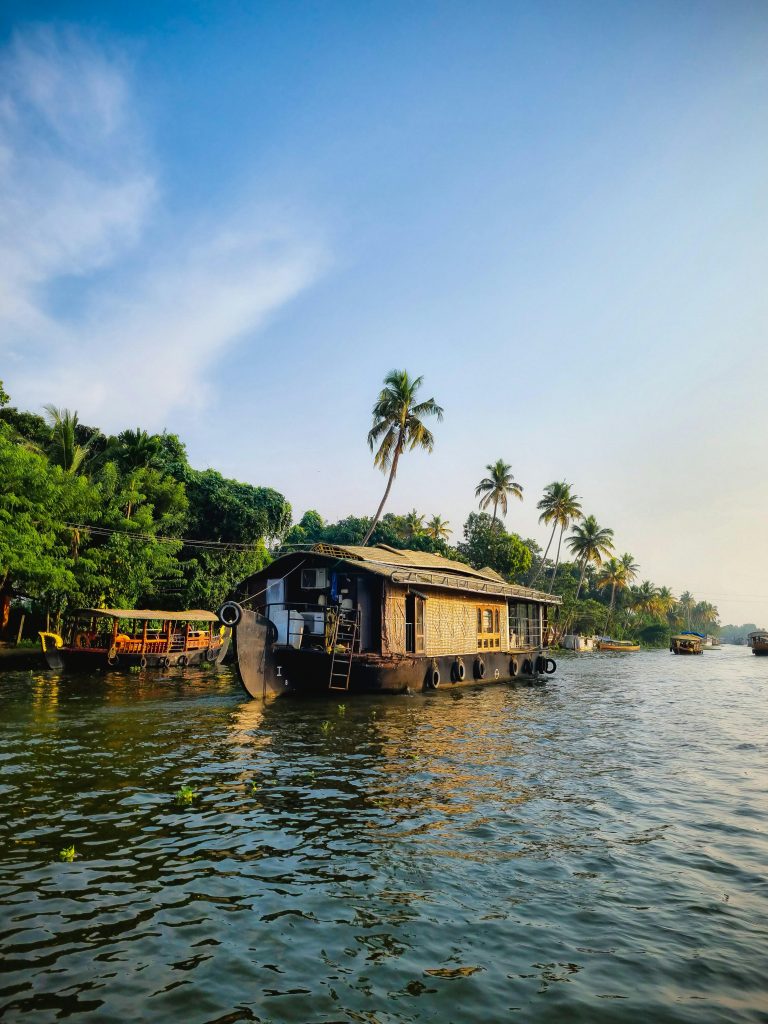
While your primary focus may be healing, your journey to Kerala is also an opportunity to immerse yourself in its vibrant culture and stunning natural beauty. Integrating gentle exploration can enrich your overall experience.
- Houseboat Cruise: Spend a day or a night on a traditional Kettuvallam (houseboat), gliding through the intricate network of canals. It is a meditative experience that offers a unique glimpse into the backwater way of life.
- Village Walks: Take a gentle stroll or a canoe ride through local villages like those near Alleppey or Kumarakom. You can observe coir making, toddy tapping, and the daily rhythms of the community.
- Kathakali Performance: Witness a performance of Kathakali, a classical Indian dance-drama known for its elaborate costumes, intricate makeup, and expressive storytelling.
- Savour the Cuisine: Beyond the prescribed Ayurvedic diet at your resort, take the opportunity to (cautiously) sample Kerala’s delicious cuisine. Dishes like appam (rice pancakes) and vegetable stew are light, flavourful, and align with Ayurvedic principles.
When exploring, always be a responsible tourist. Respect local customs, dress modestly, and be mindful of the delicate ecosystem of the backwaters.
Potential Benefits and Expected Outcomes of Ayurvedic Healing

An Ayurvedic retreat in Kerala is not a quick-fix holiday; it is an investment in your long-term health. The benefits extend far beyond the physical. While many people seek Ayurveda for specific ailments, its true power lies in its holistic approach.
Potential outcomes include:
- Stress and Anxiety Reduction: Therapies like Shirodhara and Abhyanga, combined with yoga and meditation, are incredibly effective at calming the nervous system.
- Improved Digestion and Metabolism: A clean diet and targeted treatments can reset your digestive fire (agni), leading to better nutrient absorption and energy levels.
- Enhanced Sleep Quality: By pacifying the Vata dosha, many people find relief from chronic insomnia and experience deeper, more restorative sleep.
- Pain and Inflammation Management: Ayurveda offers powerful natural solutions for managing chronic pain from conditions like arthritis and fibromyalgia.
- Lasting Lifestyle Changes: Perhaps the most significant benefit is the knowledge you gain about your own body. You will leave with a personalised roadmap for diet and lifestyle that can help you maintain well-being long after you return home.
It is important to have realistic expectations. Chronic conditions may require longer treatment periods, and the full benefits often unfold in the weeks following your retreat as your body continues to detoxify and rebalance.
Conclusion
An Ayurvedic journey in Kerala’s backwaters is a unique opportunity to heal in the lap of nature, guided by a system of medicine that has stood the test of millennia. It is a chance to disconnect from the frantic pace of modern life and reconnect with your body’s innate intelligence. The combination of authentic Ayurvedic treatments, the serene beauty of the backwaters, and the gentle rhythm of life in Kerala creates a powerful synergy for profound transformation.
By choosing a reputable resort, embracing the process with an open mind, and committing to the personalised plan created for you, you are not just treating symptoms—you are restoring your entire being to its natural state of harmony. You are embarking on a path to not just feel better, but to be better.