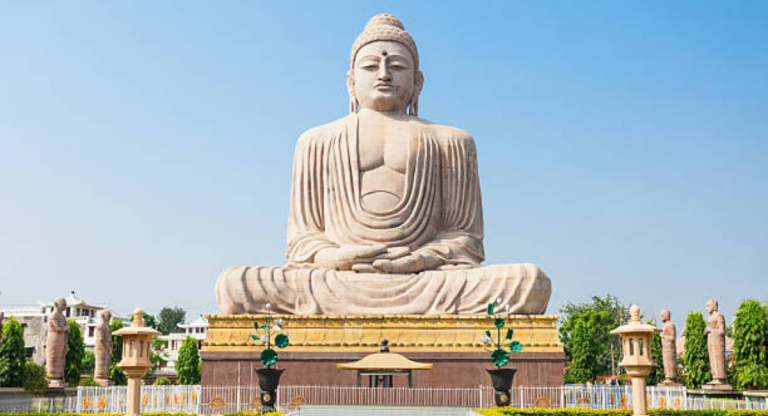
What It’s Like to Stay in an Indian Spiritual Commune

The idea of escaping the relentless pace of modern life to find solace and meaning is a powerful one. For many, this quest leads them to the ancient landscapes of India, a country steeped in spiritual traditions. Here, spiritual communes, or ashrams, offer a unique opportunity to live in a community dedicated to inner growth, mindfulness, and shared values. But what is it really like to trade your daily routine for a life of meditation, service, and communal living?
This article aims to provide a balanced and informative account of the experience. We will explore everything from the practical preparations and daily routines to the profound spiritual practices and potential challenges you might face. Embark on this journey of discovery with an open mind as we uncover the realities of staying in an Indian spiritual commune.
Preparing for Your Stay

A transformative journey begins long before you board the plane. Thorough preparation is crucial to ensure your stay is both smooth and meaningful. Start by researching different communes to find one that aligns with your personal beliefs and spiritual path. Scrutinise their websites, read reviews, and if possible, connect with former residents to ask about the daily schedule, the guiding philosophy, and how conflicts are managed. It’s also vital to understand and respect the commune’s rules, which often cover dress code, technology use, and mandatory participation in activities.
Practical considerations are just as important. Pack light, focusing on comfortable, modest clothing. Ensure your travel documents are in order; you can check the latest visa requirements on the official Indian e-Visa website. For health precautions, consult your GP and refer to official guidance from sources like the NHS Fit for Travel page for India. Finally, prepare yourself mentally. Be ready to step outside your comfort zone, embrace new experiences, and manage your expectations.
Daily Life in a Spiritual Commune

Life in a commune is structured and intentional, designed to foster mindfulness and community. A typical day often begins before dawn with group meditation, followed by a yoga session to awaken the body and mind. Meals are communal, simple, and usually vegetarian, eaten in a mindful silence. A significant part of the day is dedicated to Seva, or selfless service. This could involve anything from gardening and cooking to cleaning or helping with administrative tasks. Seva is not just about maintaining the commune; it’s a core practice for cultivating humility and a sense of shared purpose.
Living in such close quarters can be both rewarding and challenging. You learn to navigate shared responsibilities and resolve conflicts with compassion. From my own experience, the initial lack of privacy can be jarring, but it quickly teaches you the value of interdependence and open communication. The day often concludes with Satsang (spiritual discourse), a time for chanting, listening to teachings, and sharing insights before an early night.
Spiritual Practices and Teachings

At the heart of commune life are the spiritual practices that guide its residents. Meditation and yoga are central pillars, with various techniques taught to quiet the mind and connect with the self. The benefits of these practices are well-documented, with extensive research showing their positive impact on mental and physical health, as detailed in studies available on databases like PubMed Central.
Spiritual teachings are often based on ancient concepts like Karma (the law of cause and effect) and Dharma (one’s righteous duty or path), which provide an ethical framework for daily life. Many communes are centred around a Guru, or spiritual teacher, who offers guidance, delivers discourses, and provides personalised instruction. Finding a teacher who resonates with you is a deeply personal but crucial part of the journey.
Challenges and Considerations

While the experience can be deeply rewarding, it’s important to be aware of the potential challenges. Culture shock is a common experience as you adapt to new customs, foods, and social norms. The intense, close-knit environment can also bring up unexpected emotional challenges, forcing you to confront parts of yourself you might normally avoid. It’s a journey of inner work, and that can sometimes be uncomfortable.
There are also practical considerations, such as the financial costs for accommodation and food, which can vary significantly between communes. It’s crucial to be realistic. The romanticised image of commune life doesn’t always match the reality of basic amenities and a rigorous schedule. I recall my own initial struggle with simplicity, but it ultimately taught me a valuable lesson in adaptability and finding joy in non-material things.
Benefits and Rewards

Despite the challenges, the rewards of staying in a spiritual commune are immense. The focused environment provides a rare opportunity for profound personal growth and self-discovery. Stripped of daily distractions, you can connect with your inner self on a much deeper level. The strong sense of community fosters a feeling of belonging and provides a supportive network of like-minded individuals on a similar path.
Living a simpler life, detached from material possessions and the constant demands of the outside world, can be incredibly liberating. It cultivates an appreciation for the present moment and helps you clarify what truly matters. Ultimately, the experience offers a chance to deepen your connection to your own spirituality in a way that is often difficult to achieve in everyday life.
Ethical Considerations and Responsible Travel
When you embark on a spiritual journey to another country, it’s essential to do so as a responsible and respectful traveller. Take the time to learn and honour local customs, such as dressing modestly and respecting sacred spaces. Support the local economy by purchasing goods from local artisans and businesses rather than large chains. Be mindful of your environmental impact by conserving water, reducing waste, and using sustainable products. By travelling with awareness and respect, you ensure your journey benefits not only you but also the community that hosts you.
Conclusion
Staying in an Indian spiritual commune is a multifaceted experience, filled with moments of profound peace, deep connection, and personal challenge. It is not a simple holiday but a dedicated journey inward. With thorough preparation, realistic expectations, and an open heart, it can be a truly transformative experience, offering invaluable tools for personal growth and a deeper understanding of yourself and the world. The journey is as important as the destination, and the lessons learned can resonate long after you’ve returned home.