
Navigating India’s Urban Landscapes: A Guide to Avoiding Tourist Scams
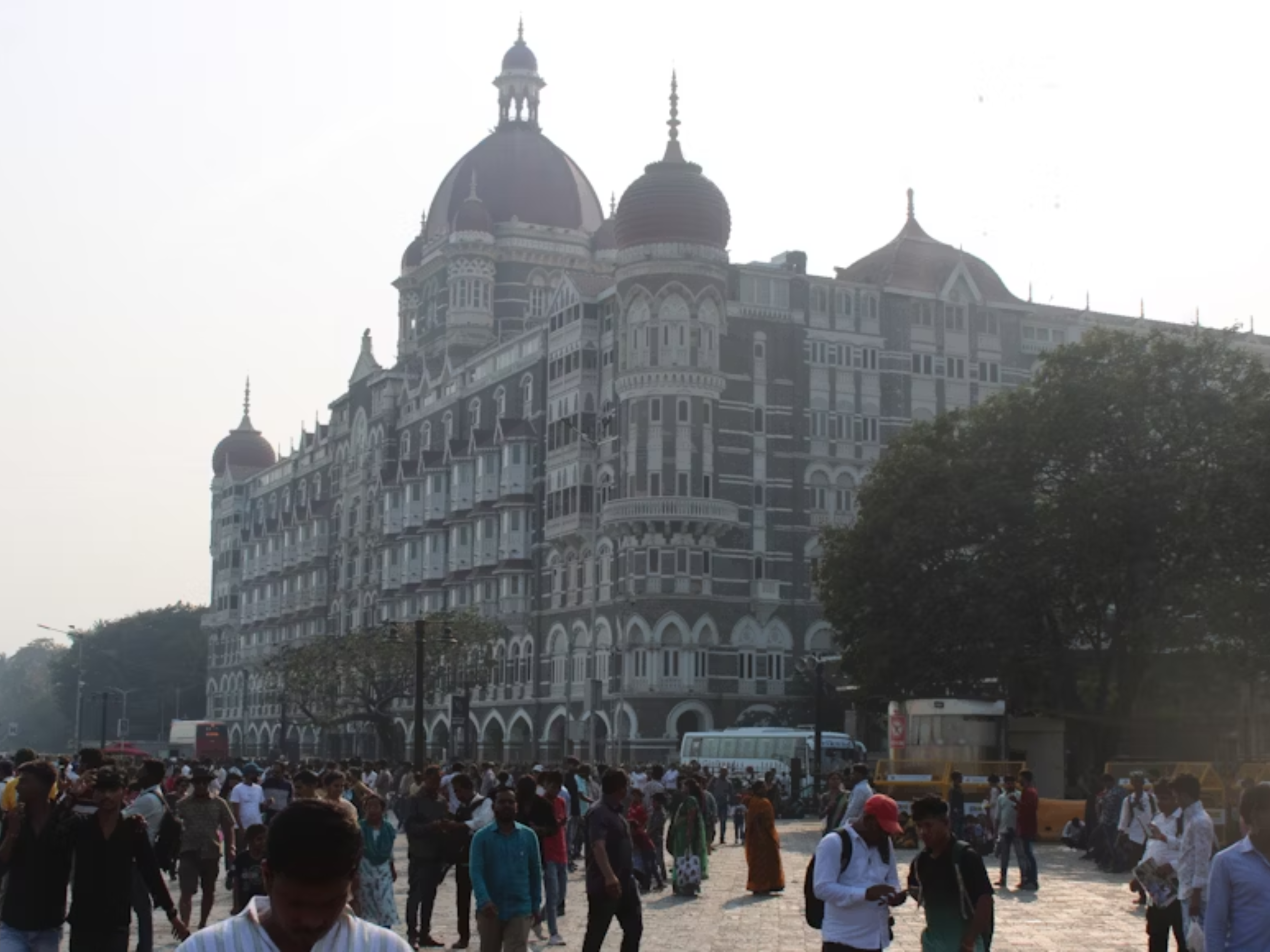
India, a land of diverse cultures, ancient traditions, and breathtaking landscapes, attracts millions of tourists each year. From the bustling markets of Delhi to the historic monuments of Mumbai, the country offers an unparalleled sensory experience. However, like many popular tourist destinations, its major cities can also be hotspots for scams targeting unsuspecting visitors. These schemes, while not representative of the warm hospitality of the Indian people, can unfortunately tarnish an otherwise incredible journey.
This guide aims to provide you with the essential information and practical tips to navigate India’s urban landscapes safely and confidently. By understanding common scams and adopting a few simple precautions, you can protect yourself from potential pitfalls and ensure your trip is memorable for all the right reasons.
Common Tourist Scams in Indian Cities
Awareness is your first line of defence. Scammers rely on a tourist’s lack of local knowledge and their politeness. Familiarising yourself with these common ploys will make you a much harder target.
The “Gem Scam”
This is a classic and often elaborate scam. It usually begins with a friendly local, sometimes your taxi driver, striking up a conversation. They will mention a “government-approved” or “export-only” gem shop where you can buy precious stones at incredibly low prices to sell for a huge profit back home. You’ll be taken to a store, shown seemingly authentic certificates, and pressured into making a purchase. The reality is the gems are often worthless pieces of glass or low-quality stones worth a fraction of the price paid.
- How to Avoid: Be deeply sceptical of anyone offering unsolicited advice on high-value purchases. Never buy gems from a shop recommended by a taxi driver or a stranger on the street. If you are genuinely interested in purchasing gemstones, do your research and only visit long-established, reputable dealers with verifiable government certifications.
The “Fake Ticket” Scam
This scam is prevalent around major train stations and tourist attractions. Scammers may pose as official-looking personnel and tell you the official ticket office is closed, moved, or has long queues. They will then direct you to a nearby “tourist office” which is, in fact, a travel agency that sells you heavily inflated or entirely fake tickets for trains, buses, or entry to monuments.
- How to Avoid: Always purchase your tickets directly from the official ticket counters or the authorised government websites. For Indian Railways, use the official IRCTC website. For monuments, look for the clearly marked Archaeological Survey of India (ASI) ticket booths. Ignore anyone who tells you an official office is closed without verifying it yourself.
The “Taxi/Auto Rickshaw” Scam
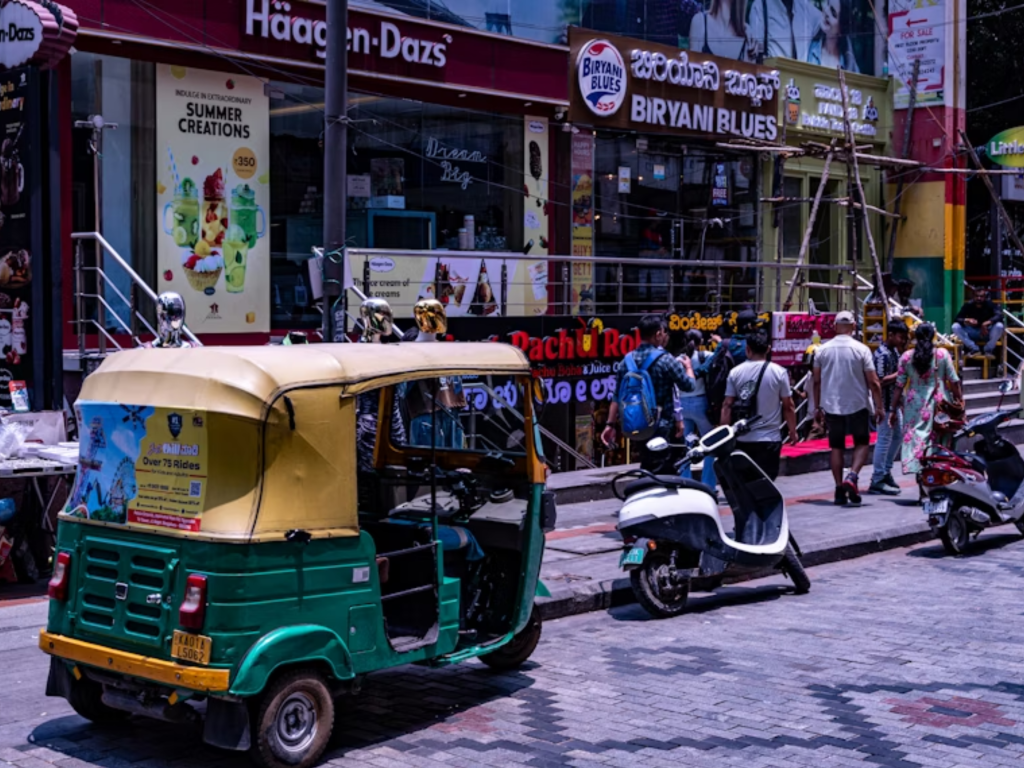
This is perhaps the most common nuisance for travellers. Tactics include:
- Broken Meter: The driver will claim the meter is broken and quote a highly inflated flat fare.
- Long Routes: The driver will take a deliberately circuitous route to increase the fare on a working meter.
- Hotel Diversion: The driver will claim your pre-booked hotel has closed down or is in a “bad area” to take you to a hotel where they receive a hefty commission.
- How to Avoid: Insist on using the meter (“meter se, please”). If the driver refuses, find another one. Better yet, use ride-hailing apps like Uber or Ola, which are widely available in major cities. These apps provide upfront pricing, GPS tracking, and a digital record of your journey, significantly reducing the risk of being overcharged.
The “Beggars” Scam
While poverty is a genuine issue, many begging operations in tourist areas are run by organised rings that exploit vulnerable individuals, including children. Giving money directly to beggars often fuels this cycle of exploitation rather than helping the person in need. Some scams involve women carrying babies (who may not be their own and are sometimes sedated) to elicit sympathy, or people with seemingly severe but fake injuries.
- How to Avoid: It can be emotionally difficult, but it is widely advised not to give money to beggars. If you wish to help, a far more effective way is to donate to reputable, registered charities and NGOs that work on the ground to provide food, shelter, and education.
The “Hotel Commission” Scam
As mentioned, a taxi driver might try to convince you that your chosen hotel is unavailable. I have personally witnessed a driver make a fake phone call, pretending to be the hotel receptionist confirming it is “full,” before suggesting an alternative, overpriced option.
- How to Avoid: Book your accommodation in advance through a reputable website and have the confirmation email and address ready. If a driver claims your hotel is closed, be firm and insist they take you there anyway. You can always call the hotel yourself to confirm your booking in front of them.
Practical Tips for Avoiding Scams
Beyond knowing the specific scams, adopting a generally cautious and prepared mindset is key.
- Research and Planning: Before you travel, read up on the specific scams common to the cities you’re visiting. Consult the UK Government Travel Advice for India.
- Stay Alert: Be wary of anyone who is overly friendly or approaches you unsolicited. Scammers are masters of gaining trust quickly. If an offer sounds too good to be true, it almost certainly is.
- Financial Precautions: Use ATMs located inside banks rather than standalone machines on the street to avoid card skimming devices. Inform your bank of your travel dates. Carry a small amount of cash for daily expenses and use a credit card for larger purchases, as they offer better fraud protection.
- Transportation Safety: Always use pre-booked taxis or ride-hailing apps, especially when travelling from airports or late at night. Share your ride details with a friend or family member.
- Accommodation Awareness: Read recent reviews before booking a hotel. Check that your room door has a secure lock and a peephole.
Dealing with Scams and Reporting Incidents
If you find yourself in a situation where you suspect a scam, the best course of action is to stay calm, be firm, and walk away. A simple, confident “No, thank you” is often enough. Do not get drawn into a lengthy argument.
If you do become a victim, it is important to report the incident.
- Report to the Police: Go to the nearest police station to file a report. In major tourist areas, you may find a dedicated Tourist Police booth. Get a copy of the police report (known as a First Information Report or FIR), as you will need this for any insurance claim.
- Seek Assistance: Contact the British High Commission in India or one of the Deputy High Commissions in other major cities for consular assistance. While you rely on the NHS for healthcare at home, comprehensive travel insurance is non-negotiable abroad. Your insurance provider can offer 24/7 assistance and guidance on what to do in case of theft or fraud.
The Role of Local Authorities and Initiatives
It’s important to note that Indian authorities are aware of these issues and are taking steps to protect tourists. Many states have established a dedicated Tourist Police force, identifiable by their distinct uniforms, to assist travellers. Increased surveillance in tourist hotspots and awareness campaigns are also common. As a tourist, you can contribute to these efforts by reporting any illicit activity and supporting legitimate, ethical businesses.
Conclusion
India is an overwhelmingly safe and welcoming country, and the vast majority of interactions you have will be genuine and positive. The scams, while real, are perpetrated by a small minority and should not deter you from exploring this incredible nation.
By being informed, staying alert, and being proactive, you can easily sidestep these common tourist traps. A little bit of preparation allows you to travel with confidence, enabling you to immerse yourself fully in the vibrant culture, rich history, and profound beauty of India.
Have you ever encountered a scam while travelling? Share your experiences and tips for staying safe in the comments below. And if you found this guide helpful, please share it with friends and family who are planning a trip to India.


