How to Plan a Trip During Indian Festivals
India, a land of vibrant cultures, profound traditions, and dazzling diversity, truly comes alive during its festivals. To travel through India during a festive period is to see the country at its most exuberant, colourful, and welcoming. Witnessing the shimmering lamps of Diwali illuminate a city, or being swept up in the joyous chaos of Holi, provides an unparalleled glimpse into the heart and soul of this incredible nation. These are not just events; they are deeply immersive experiences that connect you with centuries of history, faith, and community spirit.
However, navigating the whirlwind of a major Indian festival requires more than just a plane ticket. It demands thoughtful preparation, cultural awareness, and a flexible spirit. This guide is designed to equip you with the essential knowledge and practical tools to plan a memorable, respectful, and seamless journey through India’s festive season, ensuring you can fully embrace the magic without the stress.
Understanding the Indian Festival Calendar
India’s festival calendar is a rich and complex tapestry woven from the threads of countless religions, regional customs, and ancient traditions. There is no single, unified schedule; a harvest festival might be celebrated with immense fervour in the South while a completely different religious event captivates the North. This diversity is part of the country’s charm.

While there are hundreds of festivals, a few major ones are particularly famous for their grand scale and are celebrated widely across the country:
- Diwali (Festival of Lights): Usually falling in October or November, Diwali is arguably India’s biggest festival. It symbolises the spiritual victory of light over darkness and good over evil. Homes are decorated with diyas (oil lamps) and colourful rangoli patterns, fireworks light up the night sky, and families gather for feasts and to exchange sweets and gifts.
- Holi (Festival of Colours): This exuberant festival in March marks the arrival of spring. It’s a joyous, playful, and slightly chaotic day where people take to the streets to throw coloured powders (gulal) and water at each other, celebrating the triumph of good over evil in a riot of colour.
- Dussehra (Vijayadashami): Celebrated in September or October, Dussehra commemorates the victory of Lord Rama over the demon king Ravana. The festivities often culminate in the burning of giant effigies of Ravana, a spectacular and symbolic event.
- Eid-ul-Fitr: Marking the end of the holy month of Ramadan, the date of Eid is determined by the sighting of the new moon. It is a time of prayer, feasting with family and friends, and giving to charity. Markets are filled with festive foods and new clothes.
- Christmas: Celebrated on the 25th of December, Christmas is observed by India’s Christian community with midnight masses, carol singing, decorated trees, and family gatherings, particularly in states like Goa, Kerala, and Mizoram.
A crucial point for any traveller is that many Indian festival dates are determined by the lunar calendar, meaning they change each year. It is essential to check dates well in advance. For the most accurate information, consult official government sources like the Ministry of Tourism or its international promotional site, Incredible India.
Planning Your Itinerary: Key Considerations
Once you have a festival in your sights, the real planning begins. Spontaneity has its place, but during a major Indian festival, preparation is paramount. Millions of people are on the move, visiting family and celebrating, which puts immense pressure on the country’s infrastructure.
Book Everything in Advance: This cannot be stressed enough. Flights, trains, and hotels can be fully booked months before a major festival like Diwali. To avoid disappointment and inflated prices, secure your core accommodation and long-distance transport at least three to four months ahead of your travel dates.
Research Regional Variations: The way a festival is celebrated can vary dramatically from one region to another. Holi in Vrindavan and Mathura is a deeply traditional and intense week-long affair, while in the cities it might be a one-day party. Research the specific local customs and events in the places you plan to visit to tailor your itinerary to the experience you seek.
Factor in Delays: Assume that travel will take longer than usual. Roads, trains, and airports will be significantly more crowded. Build buffer days into your itinerary and try not to schedule tight connections. Embrace a slower pace; it’s all part of the festival experience. On my first trip to Jaipur for Diwali, I learned the hard way that a two-hour road journey can easily become a four-hour one, and it taught me to appreciate the journey itself, not just the destination.
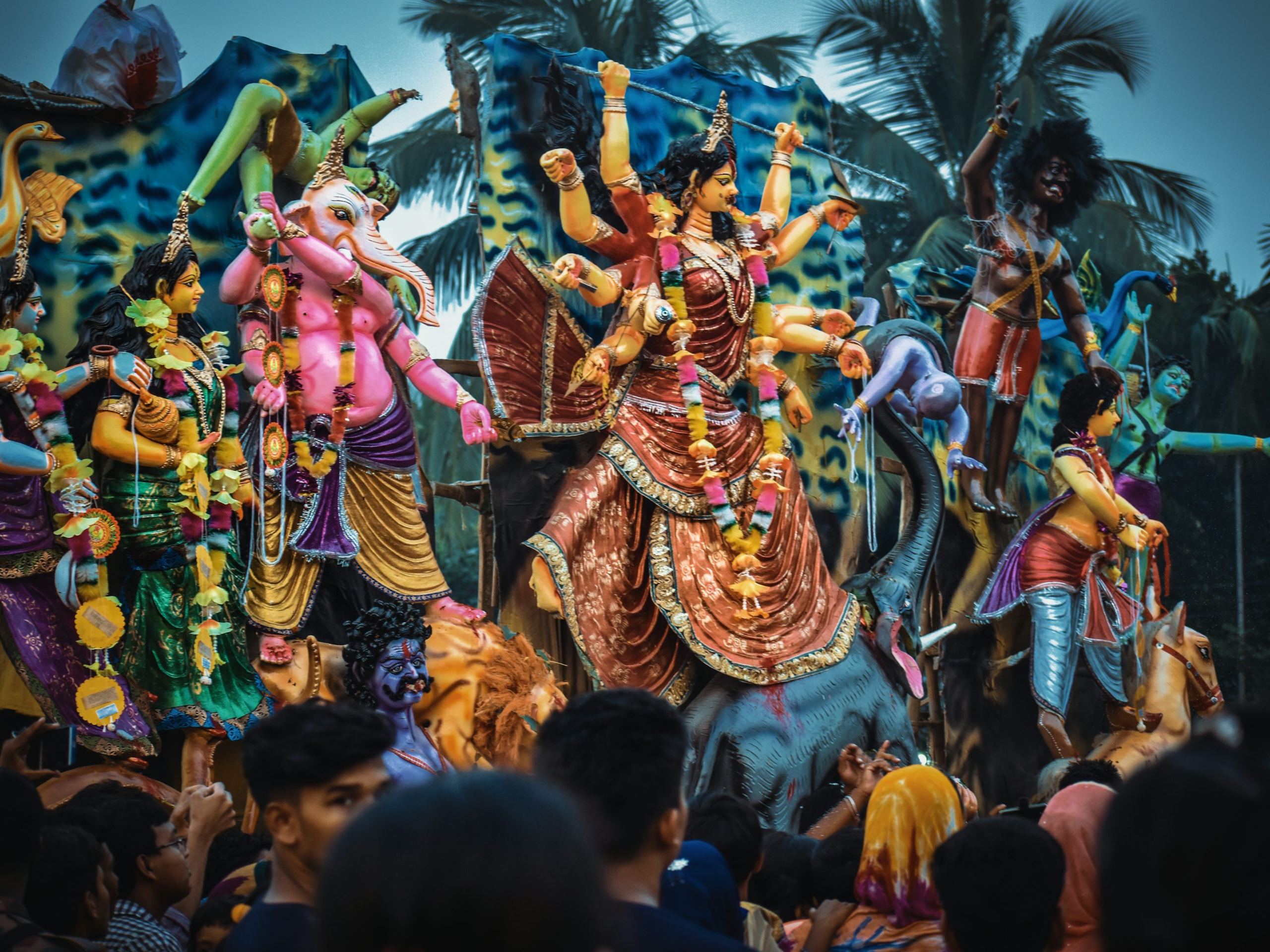
Consider a Multi-Location Trip: If time allows, visiting more than one city or region can offer a fascinating perspective on the country’s diversity. For example, you could experience the grand, royal-style Dussehra procession in Mysore and then travel to Kolkata to witness the incredible artistry of the Durga Puja pandals.
Practical Tips for Travelling During Festivals
With your itinerary planned, it’s time to focus on the practicalities of being on the ground. A little foresight can make your trip much more comfortable and enjoyable.

- Pack Appropriately: Pack light, breathable clothing, as the weather is often warm. Comfortable footwear is a must, as you will likely be doing a lot of walking. If you are attending Holi, bring old clothes and shoes that you don’t mind getting stained with colour. A good pair of sunglasses can protect your eyes from both the sun and flying powders.
- Stay Safe in Crowds: Festivals inevitably draw large crowds. Be vigilant with your belongings keep your wallet, phone, and passport in a secure, hard-to-reach place. It’s wise to avoid isolated areas, especially after dark, and stick to well-lit, populated streets.
- Respect Local Customs: This is key to having a positive experience. When visiting temples, mosques, or other religious sites, dress modestly by covering your shoulders and knees. Always ask for permission before taking photographs of people or religious ceremonies; a smile and a questioning gesture usually suffice.
- Navigate Dietary Needs: India is a haven for vegetarians and vegans, with a vast array of delicious options available everywhere. Most restaurants will have extensive vegetarian menus. For specific vegan-friendly establishments, resources like the HappyCow website and app can be invaluable for finding tried-and-tested places in the city you are visiting.
- Carry a First-Aid Kit: It’s always prudent to carry a basic first-aid kit with essentials like antiseptic wipes, plasters, pain relievers, and any personal prescription medications you need. Hand sanitiser is also extremely useful.
Conclusion
Planning a trip during an Indian festival is an undertaking that rewards preparation with unforgettable experiences. It requires a blend of logistical foresight, cultural sensitivity, and a willingness to embrace the beautifully organised chaos that defines these celebrations. By booking in advance, researching local customs, and approaching your journey with an open and respectful heart, you can move beyond being a mere spectator and become a part of the vibrant tapestry of Indian culture.
The memories you create the taste of a festival sweet, the sound of ancient chants, the sight of a million lights, the feeling of shared joy with strangers will last a lifetime. So, embrace the opportunity to immerse yourself in the colour, spirit, and tradition of India. Start planning your unforgettable journey to India’s festive season today