Meditation Retreats in the Himalayas: Our Top Picks
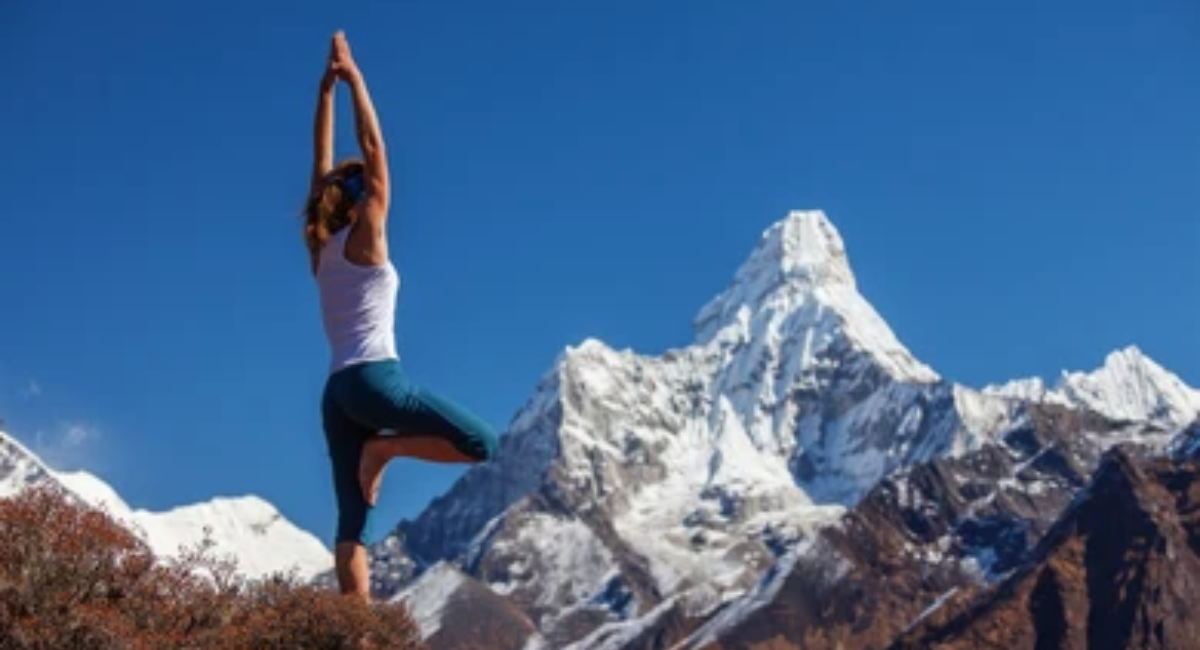
For centuries, the towering peaks and serene valleys of the Himalayas have beckoned spiritual seekers, adventurers, and those simply yearning for a profound connection with themselves and the natural world. This majestic mountain range, often called the “rooftop of the world,” is more than just a geographical wonder; it is a place steeped in spiritual energy, home to ancient traditions of meditation and self-enquiry. In our increasingly fast-paced and digitally saturated lives, the call to disconnect and journey inward has never been stronger. Meditation retreats offer a structured and supportive environment to do just that, and there is arguably no more potent a location to embark on this journey than the Himalayas.
The benefits of meditation are well-documented, with studies from institutions like the National Center for Complementary and Integrative Health (NCCIH) highlighting its effectiveness in reducing stress, anxiety, and improving overall emotional well-being. A retreat amplifies these benefits, removing you from the triggers and routines of daily life and immersing you in a space dedicated entirely to mindfulness and growth. This article serves as your comprehensive guide to the finest meditation retreats the Himalayas have to offer. We have carefully curated this list based on the quality of their programmes, the expertise of their teachers, the unique experiences they provide, and the glowing reviews from past participants. Whether you are a seasoned practitioner or a curious beginner, seeking silent contemplation or active engagement, you will find a sanctuary in these mountains that resonates with your path.
Understanding the Appeal of the Himalayas for Meditation
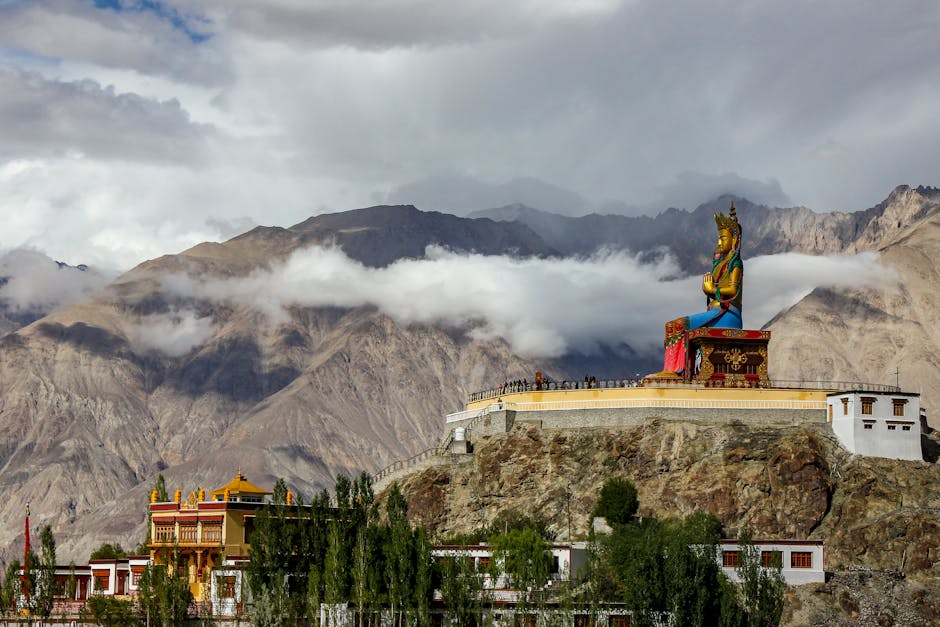
What is it about the Himalayas that has captivated spiritual seekers for millennia? The appeal is a powerful blend of historical significance, natural grandeur, and a deeply embedded culture of introspection. This is not just a destination; it is a transformative environment that actively supports the journey inward.
The historical and spiritual roots run deep. For thousands of years, these mountains have been considered sacred ground, a place where the veil between the material and spiritual worlds is thin. Ancient Hindu sages, or rishis, composed the sacred Vedas in these secluded valleys. It is the land where Padmasambhava (Guru Rinpoche) is said to have brought Buddhism to Tibet, meditating in caves that are still pilgrimage sites today. This legacy permeates the very air, creating an atmosphere charged with spiritual potential. To meditate here is to sit in the energetic footprint of countless masters and practitioners who have walked the same path. From my own experience, simply being in the presence of these ancient monasteries and sacred peaks lends a palpable depth and stillness to one’s practice.
The natural environment itself is a powerful teacher. The sheer scale of the mountains instils a sense of awe and humility, effortlessly putting personal worries into perspective. The crisp, clean air, the profound silence broken only by the whisper of the wind or the chant from a distant monastery, and the breathtaking vistas all work to calm the nervous system. Research consistently shows the restorative effects of nature on mental health, and the Himalayas offer this in its most potent form. The tranquillity of the landscape becomes a mirror for the tranquillity we seek within, reducing mental clutter and making it easier to achieve a state of focused awareness.
Finally, the local culture is one that reveres and supports spiritual growth. In regions like Ladakh, Himachal Pradesh, and Nepal, Tibetan Buddhism is not just a religion but a way of life. The principles of compassion, mindfulness, and inner peace are woven into the fabric of society. This creates a welcoming and nurturing environment for anyone on a spiritual quest, free from the cynicism or misunderstanding that can sometimes be encountered elsewhere.
Top Meditation Retreats in the Himalayas: A Curated List
Navigating the vast array of retreats available can be daunting. To help you find your perfect sanctuary, we present our curated selection of the best meditation retreats across the Himalayas. Each offers a unique pathway to inner peace, catering to different needs, philosophies, and levels of comfort.
Retreat 1: Ananda in the Himalayas (Luxury Retreat)

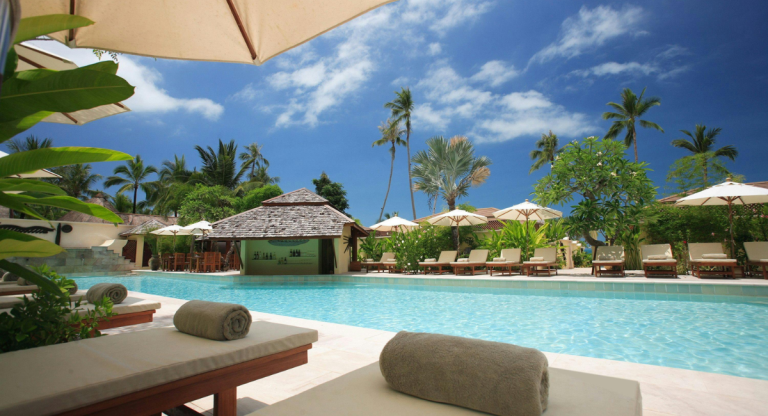
For those who seek profound inner transformation without compromising on comfort, Ananda in the Himalayas is an unparalleled destination. Located in the tranquil foothills near Rishikesh, India, this world-renowned luxury wellness retreat is situated on a 100-acre Maharaja’s Palace Estate. The experience is one of holistic rejuvenation, seamlessly blending ancient wisdom with modern luxury.
- The Experience: Ananda is more than a retreat; it is a complete wellness journey. The facilities are exquisite, featuring opulent rooms with valley views, a state-of-the-art spa offering over 80 body and beauty treatments, and gourmet wellness cuisine tailored to your specific needs. The entire environment is designed to soothe the senses and prepare the mind for deep meditative work.
- Meditation and Yoga: The programmes are highly personalised. After a detailed consultation, a bespoke schedule is created for you. Meditation styles taught include mindfulness, Raja Yoga, and advanced techniques for emotional healing. These are complemented by a comprehensive offering of yoga, including Hatha, Vinyasa, and Yoga Nidra, taught by masters of their craft.
- Teachers and Expertise: The team at Ananda consists of renowned yoga and meditation gurus, Ayurvedic doctors, and wellness experts. Their deep knowledge and compassionate guidance ensure that you receive authentic teachings and personalised attention throughout your stay.
- Pricing and Contact: As a premier luxury destination, Ananda is at the higher end of the price spectrum. Packages are all-inclusive, covering accommodation, meals, wellness consultations, and selected treatments and activities. For detailed pricing and booking, visit their official website.
Retreat 2: Tushita Meditation Centre, Dharamsala (Buddhist Retreat)
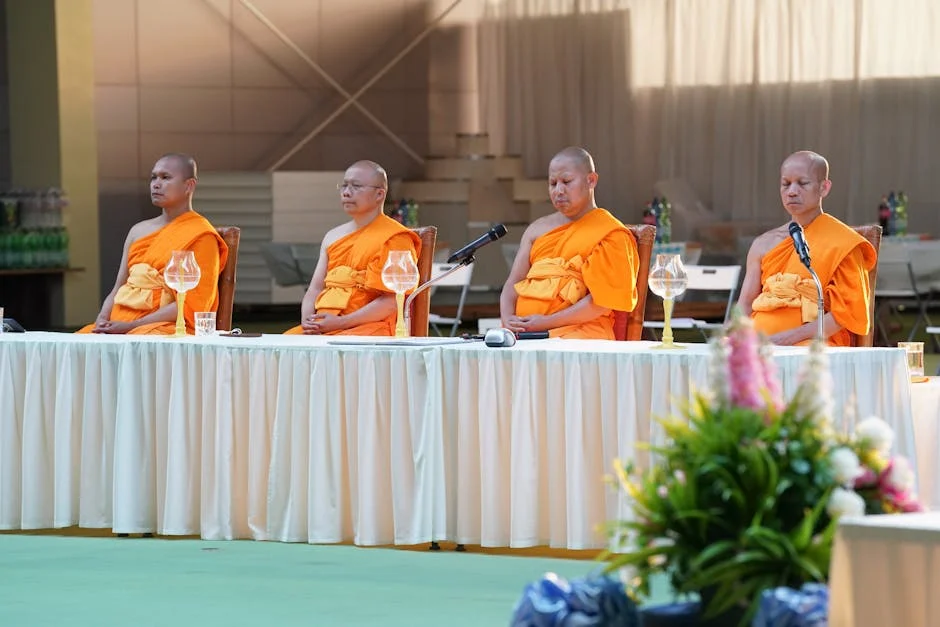
Nestled in the forested hills above McLeod Ganj, the home of the Dalai Lama, Tushita Meditation Centre offers an authentic and profound immersion into Tibetan Buddhist philosophy and meditation. This is a place for serious practitioners who wish to explore the depths of the mind in a traditional, monastic-style setting.
- The Experience: Tushita is not a spa or a hotel. The accommodation is simple, clean, and shared, designed to foster a sense of community and minimise distraction. The focus is entirely on the teachings. The centre is renowned for its 10-day silent “Introduction to Buddhism” courses, which combine teachings on core Buddhist principles with guided meditation sessions. The silence is a powerful tool, allowing for deep introspection.
- Meditation and Yoga: The primary meditation techniques taught are Samatha (concentration) and Vipassana (insight), as understood within the Tibetan Mahayana tradition. The goal is to develop a stable, clear mind and cultivate wisdom and compassion. Gentle morning yoga sessions are often included to help prepare the body for long periods of sitting.
- Teachers and Expertise: The centre hosts a roster of highly qualified Western and Tibetan teachers, including monks and nuns, who are deeply steeped in the lineage of Lama Zopa Rinpoche and Lama Yeshe. Their teachings are clear, accessible, and deeply inspiring.
- Pricing and Contact: Tushita operates on a dana (generosity) basis for the teachings themselves, though there is a fixed charge for food and accommodation, which is very reasonable. This makes it accessible to people from all financial backgrounds. Courses fill up months in advance, so booking early through their website is essential.
Retreat 3: Himalayan Iyengar Yoga Centre, Dharamkot (Yoga and Meditation Retreat)
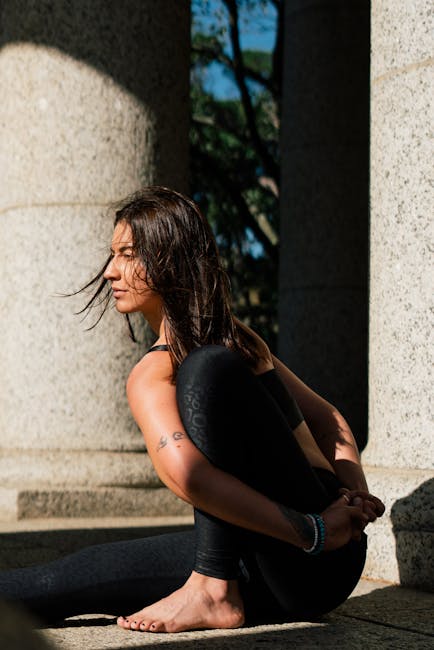
For those who see the body as the gateway to the mind, the Himalayan Iyengar Yoga Centre offers a rigorous and transformative path. Located in the peaceful village of Dharamkot, near Dharamsala, this centre is dedicated to the precise and profound system of yoga developed by B.K.S. Iyengar.
- The Experience: The centre runs courses of varying lengths, from 5-day intensives to month-long programmes. The setting is rustic and beautiful, with yoga shalas that offer stunning views of the surrounding mountains. The focus is on discipline, alignment, and using the physical practice of asana to cultivate a meditative state of awareness.
- Meditation and Yoga: The core practice is Iyengar Yoga, which emphasizes precision and alignment through the use of props like belts, blocks, and blankets. This method not only builds physical strength and flexibility but also trains the mind to be incredibly focused and present. Pranayama (breathing techniques) is also taught, which directly leads to meditative states. The meditation here is not separate from the yoga; it is the culmination of it.
- Teachers and Expertise: The centre was founded by Sharat Arora, a long-time student of B.K.S. Iyengar. He and his team of certified teachers are known for their deep understanding of anatomy and yogic philosophy, providing hands-on adjustments and detailed instruction.
- Pricing and Contact: The courses are affordably priced, with options for accommodation in nearby guesthouses. It is a popular destination, so booking your spot well in advance via their website is recommended.
Retreat 4: Osho Tapoban, Kathmandu (Active Meditation Retreat)
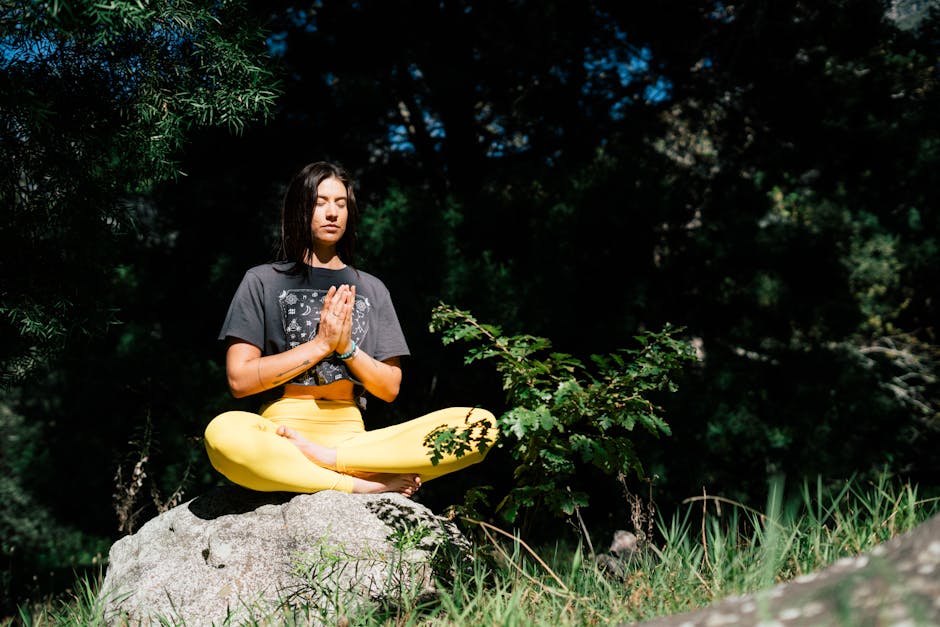
If the idea of sitting in silent stillness feels daunting, the Osho Tapoban International Commune, nestled in the Nagarjuna Hills outside Kathmandu, Nepal, offers a vibrant and dynamic alternative. Based on the teachings of the mystic Osho, this retreat focuses on active meditation techniques designed to release pent-up energy and stress, leading to a natural state of silence.
- The Experience: Tapoban is a lively and colourful community set in a lush forest. The atmosphere is celebratory and life-affirming. It is a place to meditate, but also to dance, laugh, and connect with others. The facilities are modern and comfortable, offering a range of accommodation options.
- Meditation and Yoga: The centre is famous for Osho’s Active Meditations, such as Dynamic Meditation (a powerful practice involving chaotic breathing, catharsis, and movement) and Kundalini Meditation (a shaking and dancing meditation to unwind the body). These are designed for the modern mind, which is often too restless for passive sitting. Once the body’s tensions are released, the subsequent silence is deep and effortless.
- Teachers and Expertise: The meditations are facilitated by experienced sannyasins (disciples of Osho) who guide participants through the different stages of each technique with clarity and support.
- Pricing and Contact: The retreat offers various packages and daily entry passes, making it flexible for different schedules and budgets. Information on meditation camps, accommodation, and daily schedules is available on their website. I have personally found that for those struggling with a “busy mind,” these active techniques can be a revolutionary breakthrough.
Comparing the Retreats: A Quick Overview
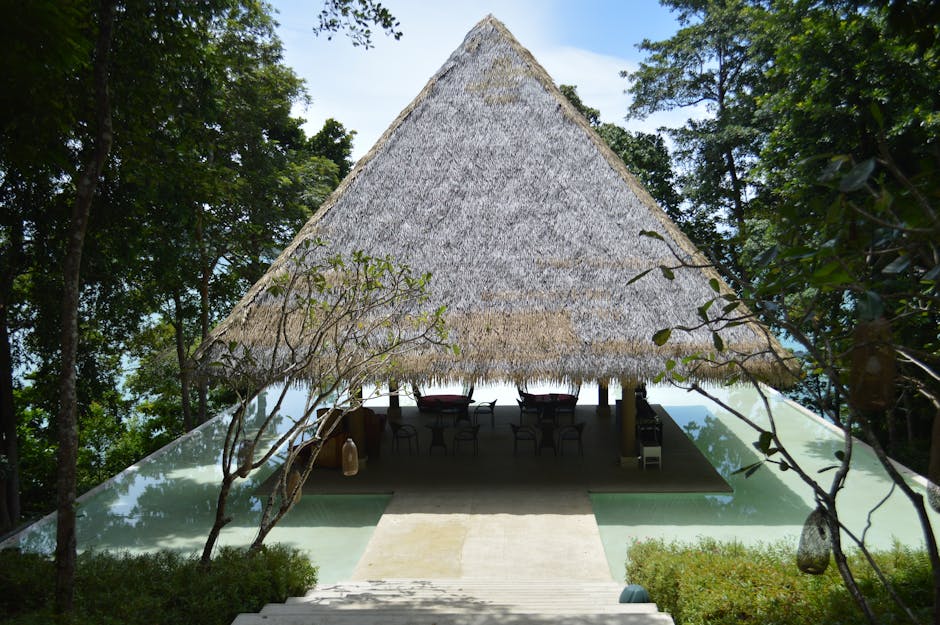
Choosing the right retreat is a deeply personal decision that depends on your goals, personality, and what you seek from the experience. To help clarify the options, here is a brief comparison of our top picks.
Ananda in the Himalayas is the pinnacle of luxury and personalisation. It is best for those who want to combine deep inner work with five-star comfort, spa treatments, and gourmet cuisine. The focus is on holistic well-being, making it ideal for a restorative and rejuvenating escape.
Tushita Meditation Centre offers the most authentic and rigorous immersion into traditional Tibetan Buddhist meditation. It is for the serious spiritual seeker who is prepared for simplicity, silence, and a deep dive into profound philosophical teachings. The donation-based model makes it incredibly accessible.
The Himalayan Iyengar Yoga Centre is perfect for individuals who connect to the spiritual through the physical. If you love yoga and believe in the power of disciplined physical practice to still the mind, this is your place. The emphasis on precise alignment is transformative for both body and mind.
Osho Tapoban provides a vibrant, cathartic, and celebratory path. It is ideal for those who find traditional silent meditation challenging. The active techniques are powerful for releasing emotional and physical blockages, making it a liberating and joyful experience.
Each location offers a unique key to unlock the door to inner peace. Consider what resonates most with you: the quiet luxury of Ananda, the silent discipline of Tushita, the physical precision of Iyengar, or the dynamic celebration of Osho.
Preparing for a Meditation Retreat in the Himalayas

Embarking on a retreat in the Himalayas is an adventure for the body, mind, and spirit. Proper preparation is key to ensuring a smooth, safe, and deeply rewarding experience.
Practical and Travel Considerations
- Visas and Permits: Check the visa requirements for India or Nepal well in advance. Some remote areas may require special permits, so research your specific destination. Official government websites are the best source for up-to-date information.
- Travel Insurance: This is non-negotiable. Ensure your policy covers medical emergencies, trip cancellations, and high-altitude evacuation if you plan on trekking.
- Health Precautions: Consult your GP or a travel clinic at least 4-6 weeks before your departure. Discuss necessary vaccinations and medications for issues like altitude sickness or stomach ailments. The NHS Fit for Travel website is an excellent resource for country-specific health advice.
What to Pack
Packing should be mindful and practical.
- Clothing: Opt for loose, comfortable clothing that can be layered. Even in summer, evenings in the mountains can be cool. Modesty is important, especially when visiting monasteries or rural areas, so pack items that cover your shoulders and knees.
- Meditation Aids: While retreats provide cushions, you may wish to bring your own meditation shawl for warmth and comfort during long sittings. A personal journal and pen are essential for reflection.
- Essentials: Pack sturdy walking shoes, sun cream, a hat, insect repellent, a reusable water bottle, and any personal medications. A small first-aid kit is also advisable.
Mental and Spiritual Preparation
The most important preparation is internal.
- Set Intentions: Take some time to reflect on what you hope to gain from the retreat. Are you seeking to heal, to understand yourself better, or to deepen your existing practice? Writing down your intentions can bring clarity and focus to your journey.
- Manage Expectations: A retreat is not a magic fix. It can be challenging, bringing up difficult emotions and physical discomfort. Be open to the entire spectrum of experience, not just the blissful moments. The real growth often happens when we face our challenges with awareness.
- Cultural Sensitivity: Remember that you are a guest in a foreign culture. Be respectful of local customs and traditions. Learn a few basic words in the local language, always ask for permission before taking photographs of people, and approach every interaction with humility and an open heart.
Enhancing Your Meditation Practice After the Retreat

The true value of a meditation retreat is revealed not in the mountains, but when you return to your daily life. The goal is to integrate the peace and awareness you cultivated into your everyday routines. This is where the practice truly begins.
Integrating the Experience
- Establish a Daily Practice: The single most important step is to create a consistent meditation routine at home. Start small, even just 5-10 minutes each day. Choose a specific time and place where you won’t be disturbed. This daily commitment is the thread that will carry the benefits of the retreat forward.
- Mindfulness in Daily Life: Bring the practice of awareness off the cushion. Pay full attention when you are drinking your morning tea, walking to work, or listening to a friend. These moments of mindful presence are meditations in themselves.
Resources for Continued Growth
Your journey doesn’t end when the retreat does. There are countless resources to support your ongoing practice.
- Books: Deepen your understanding with wisdom from renowned teachers. Consider titles like Full Catastrophe Living by Jon Kabat-Zinn for a secular approach to mindfulness, or The Heart of the Buddha’s Teaching by Thich Nhat Hanh for profound Buddhist insights.
- Apps: Guided meditation apps can be a wonderful support for your home practice. Apps like Calm, Headspace, and Insight Timer offer vast libraries of guided meditations, talks, and courses for every need. Insight Timer is particularly valuable as it has a huge collection of free resources from teachers all over the world.
- Community: Find a local meditation group or an online community to connect with fellow practitioners. Sharing experiences and challenges with others on the path can be incredibly encouraging and supportive.
From my own journey, I’ve learned that the post-retreat phase requires immense self-compassion. There will be days when you feel disconnected and your mind is chaotic. This is normal. The key is to approach your practice with patience and kindness, simply returning to the cushion again and again, without judgment.
Conclusion
A meditation retreat in the Himalayas is more than a holiday; it is an investment in your own well-being, a pilgrimage to the centre of your own being. The combination of profound spiritual heritage, awe-inspiring nature, and dedicated spaces for practice creates an unparalleled opportunity for transformation. It is a chance to strip away the non-essential, quiet the noise of the world, and listen to the wisdom that resides within you.
We have explored a diverse range of sanctuaries, from the luxurious embrace of Ananda to the silent discipline of Tushita, the physical precision of the Iyengar Centre, and the joyful catharsis of Osho Tapoban. Each holds a unique key, and the right one for you depends on your personal path. We encourage you to explore their websites, read more about their philosophies, and listen to which one calls to your heart.
Embarking on this journey is a courageous step towards self-discovery and inner peace. The stillness of the mountains is waiting to be discovered, not just in the peaks and valleys of the Himalayas, but within the landscape of your own mind.