The Science Behind Indian Detox Rituals

For centuries, cultures worldwide have developed practices to cleanse the body and mind. In India, these rituals are deeply woven into traditional medicine and spiritual life, forming a holistic wellness system that has endured for millennia. Far from being mere historical curiosities, ancient practices like Ayurvedic Panchakarma and fasting are now being examined through the lens of modern science, revealing a remarkable synergy between age-old wisdom and contemporary health principles.
This article explores the science behind traditional Indian detox rituals. We move beyond buzzwords to show how these practices support the body’s natural detoxification pathways, enhance gut health, and promote overall well-being. By understanding the biological mechanisms at play, we can appreciate these traditions not just for their cultural significance, but for their profound and evidence-based health benefits.
Understanding Detoxification from a Scientific Perspective

Before exploring specific Indian rituals, it’s essential to understand what “detoxification” means biologically. In modern medicine, detoxification is not about a trendy juice cleanse; it is a continuous, sophisticated metabolic process that your body performs 24/7 to neutralise and eliminate harmful substances
Our bodies are equipped with a powerful, built-in detoxification system. The liver acts as the primary filtration plant, converting toxic substances into water-soluble compounds for excretion. The kidneys filter these waste products from the blood into urine. Other organs, including the lungs, skin, and digestive system, also play crucial roles in eliminating toxins.
Toxins can be categorised into two main types:
- Endogenous toxins: Natural by-products of metabolism, such as lactic acid, urea, and waste from gut microbes.
- Exogenous toxins: Originating outside the body, including environmental pollutants, pesticides, heavy metals, alcohol, and chemicals in processed foods and personal care products.
A key concept is oxidative stress. When the burden of toxins is too high, it can lead to an overproduction of unstable molecules called free radicals, which damage cells and contribute to inflammation, aging, and chronic diseases. The body’s detoxification systems work to neutralise these free radicals, and traditional rituals are designed to support and enhance this natural capability.
Key Indian Detox Rituals and Their Scientific Rationale
Indian wellness traditions offer a rich array of practices designed to purify the body. These are not quick fixes but holistic systems that work in harmony with the body’s innate intelligence.
Panchakarma: The Cornerstone of Ayurvedic Cleansing

Panchakarma is the quintessential detoxification therapy in Ayurveda. The name translates to “five actions,” referring to five core procedures designed to cleanse the body of accumulated toxins (ama) and restore balance to the body’s elemental forces (doshas).
The five main procedures are:
- Vamana (Therapeutic Emesis): Medically induced vomiting to eliminate excess mucus and toxins from the upper GI tract and respiratory system.
- Virechana (Therapeutic Purgation): Medicated cleansing of the lower GI tract to expel toxins stored in the liver and gallbladder.
- Basti (Medicated Enema): Introduction of herbal oils or decoctions into the colon, helping to cleanse the lower bowel and nourish tissues. Research suggests certain Basti preparations can positively influence the gut microbiota, crucial for overall health[3].
- Nasya (Nasal Administration): Application of medicated oils into the nasal passages to cleanse the sinuses and cranial region.
- Raktamokshana (Bloodletting): Controlled procedure to purify the blood, used only in specific conditions.
While some procedures may sound intense, they are always performed under the guidance of a trained Ayurvedic practitioner. The scientific rationale lies in their ability to physically remove toxic loads from specific organ systems, reducing the burden on the liver and kidneys and helping to reset digestive and metabolic functions
Yoga and Pranayama: Movement and Breath for Purification
Yoga is far more than just physical exercise. The combination of physical postures (asanas) and controlled breathing (pranayama) creates a powerful internal cleansing mechanism.
Asanas: Twisting postures, such as Ardha Matsyendrasana, gently massage the abdominal organs, stimulating digestion and encouraging elimination of waste. Inversions, like Sarvangasana, can stimulate the lymphatic system, which relies on muscle movement and gravity to circulate lymph fluid and carry waste away from tissues.
Pranayama: The lungs are a primary organ of detoxification, expelling carbon dioxide and other volatile waste products. Deep, diaphragmatic breathing exercises like Kapalbhati and Bhastrika increase oxygen intake, improve circulation, and enhance the efficiency of this gaseous exchange. Studies show that slow, deep breathing practices can reduce oxidative stress and improve autonomic nervous system function.
Fasting (Upavasa): The Power of Rest and Repair

Fasting, or Upavasa, has been a spiritual and physical discipline in India for millennia. The term means “to sit near” (the divine), implying a shift from physical nourishment to spiritual focus. Modern science now reveals the profound physiological benefits of controlled abstinence from food.
When we fast, our bodies switch from using glucose for energy to burning stored fat, giving the digestive system a rest and freeing up metabolic energy for cellular cleanup. This process, known as autophagy, is vital for preventing disease and promoting longevity. Research, including a Nobel Prize-winning discovery, has established autophagy as a fundamental mechanism for cellular health, and intermittent fasting is one of the most potent ways to stimulate it.
Herbal Remedies: Nature’s Detoxifying Agents
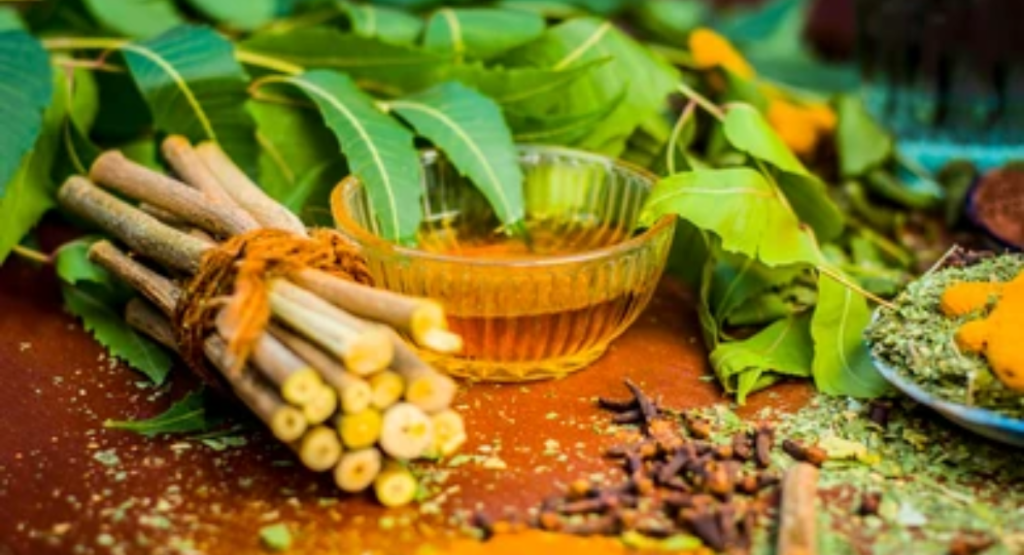
Ayurveda uses a vast array of herbs to support the body’s detoxification processes. These are not used to artificially “force” a detox but to nourish and strengthen the organs responsible for it.
- Triphala: A classic Ayurvedic formula combining Amalaki, Bibhitaki, and Haritaki. It gently cleanses the colon and supports regular bowel movements. Scientific reviews highlight its antioxidant, anti-inflammatory, and immunomodulatory properties, as well as its beneficial effects on the gut microbiome.
- Neem (Azadirachta indica): Known as the “village pharmacy,” neem has powerful antibacterial, antiviral, and blood-purifying properties. It is traditionally used to support skin health and cleanse the blood.
- Turmeric (Curcuma longa): The golden spice contains curcumin, a compound with potent antioxidant and anti-inflammatory effects. It supports liver function by enhancing detoxification enzymes and protecting liver cells from damage.
Before trying any of these rituals, especially more intensive ones like Panchakarma or extended fasting, consult a qualified healthcare professional or Ayurvedic practitioner.
The Gut-Detox Connection: A Symbiotic Relationship

Modern medicine is increasingly focused on the gut microbiome—the trillions of bacteria and other microbes living in our digestive tract. Ancient Indian traditions intuitively understood the centrality of gut health to overall wellness.
A healthy gut is fundamental to effective detoxification. The intestinal lining acts as a barrier, preventing undigested food particles and toxins from leaking into the bloodstream. Gut bacteria play a direct role in metabolising certain drugs and toxins and produce compounds that support liver function.
Indian detox practices promote a healthy gut through:
- Diet: Ayurvedic guidelines emphasise easily digestible, whole foods. Fermented foods like homemade yoghurt (dahi) and buttermilk (chaas) are rich in probiotics.
- Fibre: A diet rich in fibre from fruits, vegetables, and whole grains provides prebiotics—the fuel for beneficial gut microbes.
- Herbs: Herbs like Triphala promote the growth of beneficial bacterial species, contributing to a balanced microbiome.
Scientific Evidence and Research Studies: Bridging Ancient Wisdom and Modern Science
While many of these practices are rooted in millennia of empirical observation, modern scientific research is increasingly validating their mechanisms and benefits.
- A study on Panchakarma found the therapy effective in reducing levels of certain fat-soluble toxins, such as pesticides and PCBs, in the blood.
- Numerous studies confirm the benefits of yoga and pranayama. A systematic review in the Journal of Alternative and Complementary Medicine concluded that yoga is effective for reducing stress and inflammation.
- The hepatoprotective effects of herbs like turmeric are well-documented. Research shows that curcumin can protect the liver from various toxins and support its regenerative capacity.
It’s important to acknowledge that research is still evolving. Many studies are small-scale, and the holistic, individualised nature of these therapies can be challenging to assess using standard clinical trials. However, the existing body of evidence is promising and continues to grow, building a scientific bridge to ancient wisdom.
Practical Ways to Incorporate Indian Detox Principles into Modern Life
You don’t need to visit an Ayurvedic retreat to benefit from this ancient wisdom. Integrate these principles into your daily life in simple, practical ways.
- Start your day with warm water and lemon: Hydrates the body and gently stimulates digestion.
- Incorporate gentle yoga and breathing: Dedicate 10-15 minutes each morning to stretches and deep breathing.
- Eat mindfully: Focus on whole, unprocessed foods. Include colourful vegetables, fruits, and spices like turmeric, ginger, and cumin.
- Stay hydrated: Drink plenty of water and herbal teas like ginger or peppermint.
- Create a calming environment: Reduce stress, a significant source of endogenous toxins. Practice mindfulness or meditation.
Always listen to your body and consult a healthcare professional before making significant changes to your diet or lifestyle, especially if you have underlying health conditions.
Addressing Misconceptions and Potential Risks
The modern wellness industry is rife with products and programmes promising a “quick-fix detox.” It’s crucial to approach this space with a discerning eye
- Detox is a process, not a product: True detoxification is a continuous biological function supported by a healthy lifestyle, not something that comes in a bottle of tea or a 3-day juice cleanse.
- Extreme practices can be harmful: Fasting for extended periods without medical supervision or using unregulated herbal supplements can be dangerous.
- Balance is key: The wisdom of Indian traditions lies in their holistic and balanced approach, gently guiding the body back to its natural state of equilibrium.
Approach any new wellness practice with caution and awareness. Be mindful of your body’s signals and prioritise safe, sustainable habits over extreme, short-term measures.
Conclusion
Traditional Indian detox rituals offer a profound, time-tested framework for enhancing health and vitality. As modern science continues to unravel the mechanisms behind these practices, we find they are not based on superstition but on a deep, intuitive understanding of human physiology.
From the comprehensive cleansing of Panchakarma to the simple act of mindful breathing, these rituals support and enhance the body’s own detoxification systems. True wellness comes not from a quick fix, but from a consistent, holistic approach that nourishes the body, calms the mind, and respects our innate biological wisdom.
By integrating these principles mindfully and in consultation with healthcare professionals, we can draw on this ancient heritage to cultivate a more balanced, vibrant, and resilient state of being.