Conquer the Himalayas: The Ultimate Delhi to Leh Bike Road Trip Guide

The Delhi to Leh bike trip is more than just a journey; it’s a pilgrimage for motorcyclists, a rite of passage that tests rider and machine against some of the most breathtaking and challenging terrains on Earth. This iconic adventure winds through the heart of the Himalayas, offering a mesmerising blend of stark, high-altitude desert landscapes, ancient Tibetan Buddhist culture, and the pure, unadulterated thrill of the open road. For many, it represents the pinnacle of adventure motorcycling.
Planning such an epic expedition, however, can be daunting. From choosing the right route to preparing your bike and yourself for the extreme altitudes, every detail matters. This guide is designed to be your comprehensive companion, providing you with a detailed roadmap to plan and execute the ultimate Delhi to Leh bike trip. We will explore the two primary routes, delve into day-by-day itineraries, and cover crucial aspects like bike preparation, essential gear, and vital health precautions. By the end, you’ll have the knowledge and confidence to conquer the Himalayas.
Understanding the Route Options: A Comparative Overview
The first major decision in your planning process is selecting your route. There are two primary arteries that lead to Leh, each offering a distinctly different experience: the legendary Manali-Leh Highway and the more gradual Srinagar-Leh Highway. Your choice will depend on your riding experience, your appetite for adventure, and the amount of time you have.
Manali-Leh Highway
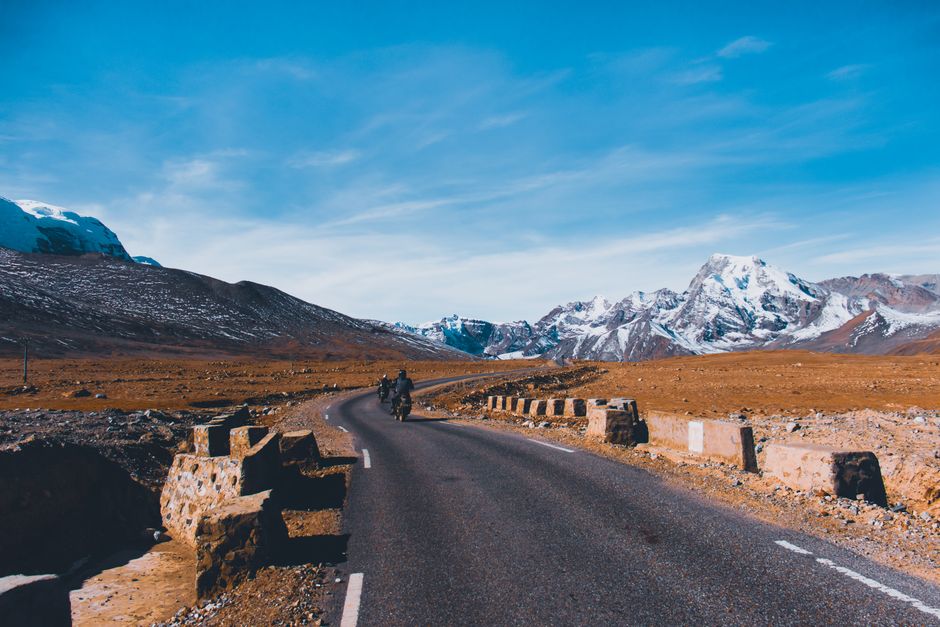
The Manali-Leh Highway is the classic, adrenaline-fuelled route that has captured the imagination of riders for decades. Spanning approximately 475 kilometres, this journey typically takes two to three days. It’s a formidable path that throws everything at you: unpredictable weather, treacherous road surfaces, and a rapid ascent through some of the world’s highest motorable passes.
- Key Passes: The route is a roll call of giants, including Rohtang La (3,978m), Baralacha La (4,890m), Lachung La (5,059m), and the mighty Tanglang La (5,328m).
- Challenges: This route is famed for its difficulty. Expect broken tarmac, gravel sections, numerous water crossings (especially early in the season), and the constant threat of Acute Mountain Sickness (AMS) due to the swift gain in altitude.
- Key Stops: The main overnight halts are in Keylong, Jispa, or the tented camps of Sarchu, which offer basic but essential shelter.
Srinagar-Leh Highway
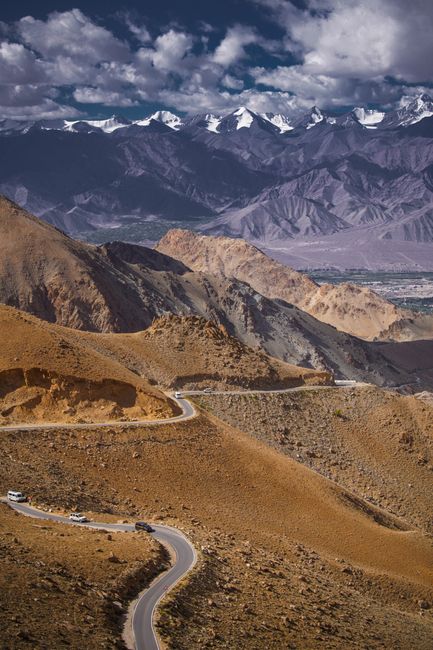
The Srinagar-Leh Highway (NH1) offers a gentler, more scenic introduction to the high Himalayas. Covering around 420 kilometres, this route also takes two days but is characterised by better road conditions and a more gradual ascent. This makes it the preferred choice for first-timers and those concerned about acclimatisation.
- Key Passes: The main high-altitude challenges are Zoji La (3,528m) and Fotu La (4,108m), which are considerably lower than the passes on the Manali route.
- Advantages: The primary benefit is the slower altitude gain, which significantly reduces the risk of AMS. The roads are generally in better condition, and the journey takes you through the lush beauty of the Kashmir Valley before transitioning to the arid landscapes of Ladakh.
- Key Stops: You’ll pass through the beautiful towns of Sonamarg and Dras, with the main overnight stop being the historically significant town of Kargil.
Comparative Analysis
- Road Conditions: The Srinagar route is the clear winner, with mostly well-paved roads. The Manali route is a mixed bag of tarmac, gravel, and dirt tracks.
- Altitude Gain: The Srinagar route provides a much more gradual ascent, making it far better for acclimatisation. The Manali route’s rapid climb is a serious challenge.
- Scenic Beauty: Both routes are stunning. The Srinagar highway offers a transition from the green valleys of Kashmir to the barren moonscapes of Ladakh. The Manali highway is a relentless assault of raw, high-altitude beauty from the start.
- Cultural Experience: The Srinagar route takes you through the heart of Kashmir and Kargil, offering diverse cultural insights. The Manali route is more focused on the remote, Tibetan-influenced culture of the Lahaul and Spiti regions.
From my own experience riding both, I recommend the Srinagar-Leh highway for the journey to Leh and the Manali-Leh highway for the return journey. This allows your body to acclimatise properly on the way up, making the challenging Manali route more manageable and enjoyable on the way down. Consider your riding experience and risk tolerance carefully before making your final decision.
Detailed Itinerary: Srinagar-Leh Highway
This itinerary is designed for a comfortable pace, prioritising acclimatisation and allowing time to soak in the incredible surroundings.
Day 1: Delhi to Jammu/Pathankot
The first day is about covering distance on the plains. It’s a long but straightforward ride of approximately 600 km on NH44. Start early from Delhi to beat the traffic. The goal is to reach Jammu or the slightly closer Pathankot by evening. Both cities offer plenty of accommodation options for a comfortable overnight stay.
Day 2: Jammu/Pathankot to Srinagar
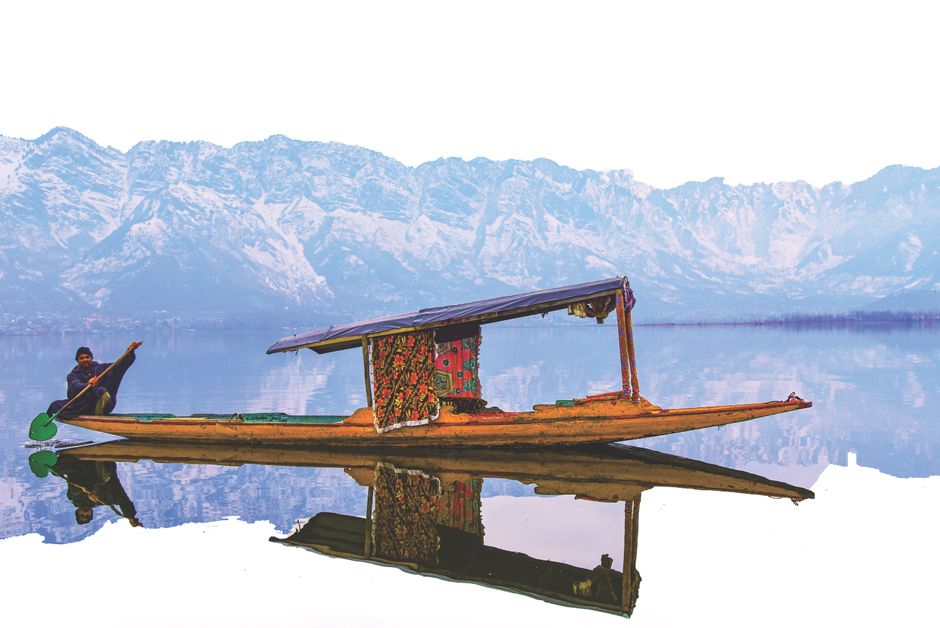
Today, the mountains begin to call. The journey to Srinagar is around 270-330 km, depending on your starting point. You’ll ride through the famous Jawahar Tunnel and emerge into the breathtaking beauty of the Kashmir Valley. Once in Srinagar, check into a hotel or a traditional houseboat on Dal Lake. Spend the evening enjoying a shikara ride and exploring the vibrant local markets.
Day 3: Srinagar to Kargil
This is where the real adventure starts. The 200 km ride to Kargil takes you through the ‘Meadow of Gold’, Sonamarg, before you tackle the formidable Zoji La Pass. The landscape dramatically shifts from lush green to barren brown as you cross the pass. Stop at the Kargil War Memorial in Dras to pay homage to the soldiers who fought in the 1999 war.

Day 4: Kargil to Leh
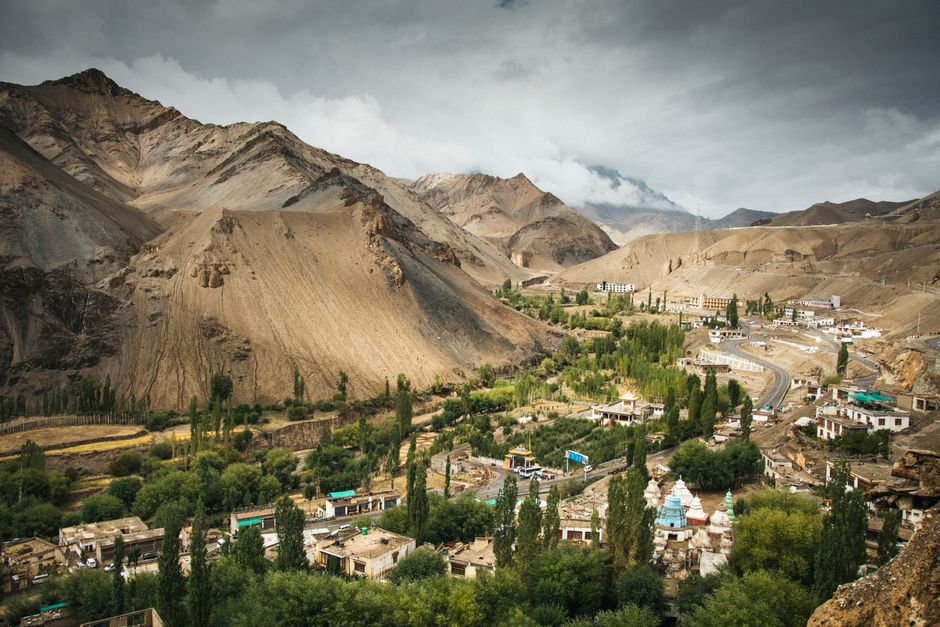
The final 220 km push to Leh is a visual feast. You’ll encounter the giant Maitreya Buddha statue at Mulbekh, cross the Fotu La and Namika La passes, and visit the spectacular Lamayuru Monastery, perched dramatically on a ‘moonland’ landscape. Don’t forget to experience the optical illusion of Magnetic Hill before you finally roll into Leh.
Day 5: Acclimatization in Leh
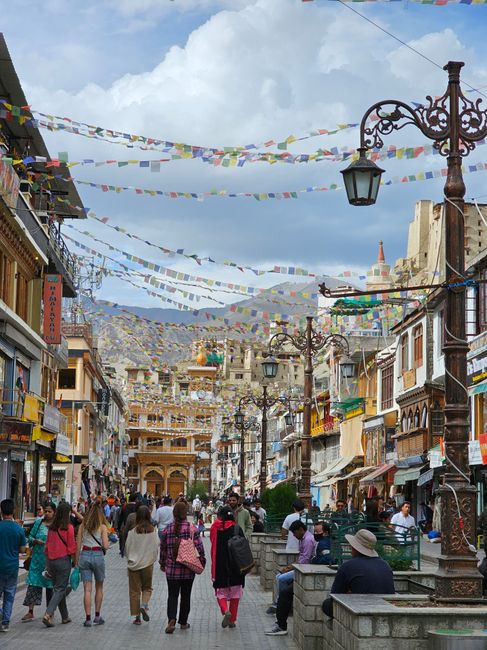
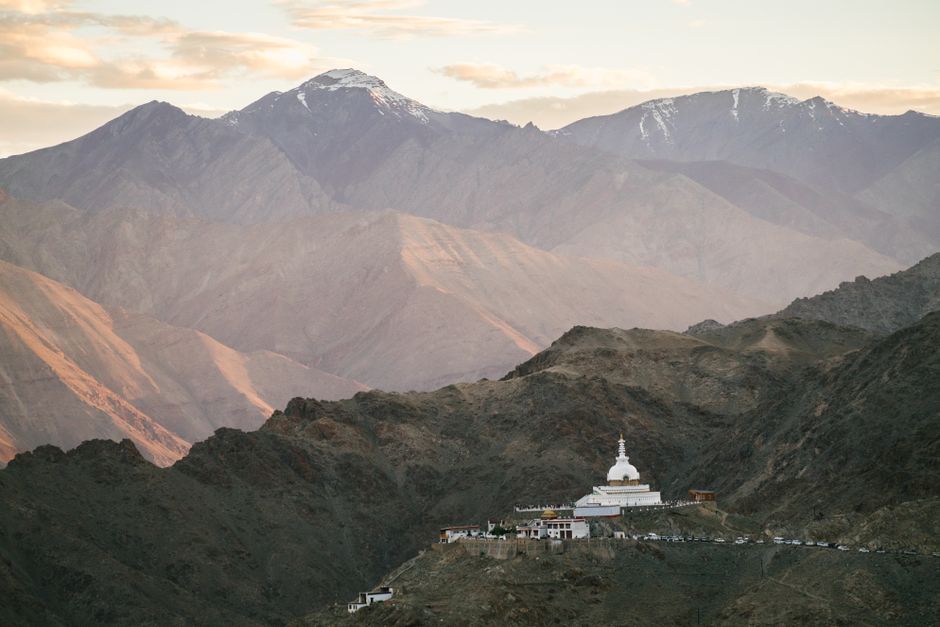
Today is crucial. You are now at an altitude of 3,500m, and your body needs time to adjust. Do not undertake any strenuous activity. Walk around the Leh Market, visit the serene Shanti Stupa for panoramic views, and explore the historic Leh Palace. Drink plenty of water and give your body the rest it needs.
Day 6: Exploring Leh and Surrounding Areas
Once acclimatised, the wonders of Ladakh await. Plan day trips to the mesmerising Pangong Tso Lake, the otherworldly Nubra Valley via the mighty Khardung La Pass, or explore the many ancient monasteries dotted around the Indus Valley.

Detailed Itinerary: Manali-Leh Highway
For the seasoned rider seeking the ultimate challenge, this route is the one. This itinerary is aggressive and should only be attempted if you are confident in your riding skills and physical fitness.
Day 1: Delhi to Manali
A long haul of around 550 km, this day is about getting to the foothills of the Himalayas. The road is good for the most part but can get congested as you approach Manali. Arrive in Manali and get a good night’s rest; the real challenge begins tomorrow.

Day 2: Manali to Keylong/Jispa
The ride from Manali (2,050m) is a baptism by fire. You’ll immediately start climbing towards Rohtang La Pass (3,978m). The roads can be chaotic and broken. After crossing Rohtang, you descend into the Lahaul Valley. The 115 km ride to Keylong or the more serene Jispa will take most of the day.

Day 3: Keylong/Jispa to Sarchu
Today you cross the stunning Baralacha La Pass (4,890m). The landscape becomes increasingly stark and beautiful. The destination is Sarchu, a desolate plain on the border of Himachal Pradesh and Ladakh, where you’ll spend the night in a basic tented camp at an altitude of 4,290m. This will be a cold night and a true test of your acclimatisation.

Day 4: Sarchu to Leh
This is the final and most demanding day. You’ll tackle the Gata Loops (21 hairpin bends), followed by Lachung La Pass (5,059m) and Tanglang La Pass (5,328m), the second-highest motorable pass in the world. The descent to Leh is long but rewarding, as you finally reach your destination.
Day 5: Acclimatization in Leh
Having arrived via the Manali route, this day of rest is non-negotiable. Your body has been through a severe shock. From my personal experience, even seasoned riders feel the effects of the rapid ascent. Rest completely, hydrate, and allow your body to catch up. Light walks around the market are fine, but avoid any exertion.
Day 6: Exploring Leh and Surrounding Areas
As with the other itinerary, once you feel well-acclimatised, it’s time to explore. The high-altitude deserts of Nubra Valley, the blue expanse of Pangong Tso, and the thrill of riding to Khardung La are now within your reach.

Bike Preparation: Ensuring a Smooth Ride
Your motorcycle is your trusted companion on this journey; treat it well. A well-prepared bike is the difference between a dream trip and a nightmare of breakdowns. While any well-serviced bike can make the trip, torquey and rugged machines like a Royal Enfield Himalayan, Classic 500, or other adventure tourers are ideal.
Before you leave, conduct a thorough service and pay close attention to the following:
- Tyres: Ensure you have at least 50% tread left. Dual-sport or block-pattern tyres are recommended. Check for cracks and maintain correct tyre pressure.
- Brakes: Check brake pads for wear and ensure brake fluid is at the correct level.
- Chain and Sprockets: Clean and lubricate the chain. Ensure it has the correct tension and that the sprockets are not worn out.
- Fluids: Check and top up engine oil, coolant (if applicable), and brake fluid.
- Electricals: Test your headlight, tail light, indicators, and horn. A faulty electrical system can be a major issue in remote areas.
Carry a toolkit and essential spares, including a puncture repair kit, spare tubes, clutch and accelerator cables, spark plugs, and a headlamp bulb.

Essential Gear and Packing List
Packing light is key, but some items are non-negotiable for safety and comfort.
Riding Gear:
- Helmet: A high-quality, full-face helmet is essential.
- Riding Jacket & Trousers: Choose gear with CE-rated armour and thermal/waterproof liners.
- Gloves: A pair of waterproof, insulated riding gloves.
- Boots: Sturdy, waterproof riding boots with ankle protection.
Packing Checklist:
- Clothing: Pack in layers. Include thermal base layers, fleece jackets, and a reliable waterproof outer layer.
- First-Aid Kit: A comprehensive kit with bandages, antiseptic, pain relief, and medication for altitude sickness (see below).
- Navigation: A GPS device or a phone with offline maps is crucial. A physical map is a great backup.
- Communication: Mobile networks are non-existent in many areas. Consider carrying a satellite phone or a personal locator beacon for emergencies.
- Documents: Carry your original driving licence, bike registration (RC), insurance papers, and multiple photocopies.
Acclimatization and Health Precautions
Altitude sickness, or Acute Mountain Sickness (AMS), is a serious risk. As the NHS explains, it’s caused by ascending to high altitudes too quickly. Symptoms include headache, nausea, dizziness, and fatigue.
To prevent AMS:
- Ascend Gradually: The Srinagar-Leh route is highly recommended for this reason.
- Stay Hydrated: Drink at least 3-4 litres of water per day.
- Avoid Alcohol and Smoking: These can worsen the effects of altitude.
- Eat Light: Consume high-carbohydrate, easily digestible meals.
- Consider Medication: Consult your doctor about taking Acetazolamide (Diamox) as a prophylactic. Start taking it a day or two before you begin your ascent.
Most importantly, listen to your body. If you experience severe symptoms, the only cure is to descend to a lower altitude immediately.
Navigating Challenges and Road Conditions
The Himalayas are unpredictable. Be prepared for:
- Weather: Conditions can change in minutes. Always carry your waterproof layers.
- Landslides: Road closures are common, especially during the monsoon season. Check with locals or army checkpoints for the latest road status.
- Water Crossings: You will encounter glacial melts flowing across the road. Assess the depth and current before crossing. It’s often best to walk through first to check the path.
If you have a breakdown, stay calm. Use your tools for basic repairs. If you can’t fix it, wait for a passing truck or army vehicle; help is usually forthcoming in the mountains.
Responsible Tourism and Environmental Considerations
The fragile ecosystem of Ladakh is under increasing pressure from tourism. Be a responsible traveller:
- Respect Local Culture: Dress modestly, especially when visiting monasteries. Always ask for permission before taking photographs of people.
- Minimize Waste: Do not leave any plastic or other waste behind. Carry your rubbish with you until you find a proper disposal bin.
- Support Locals: Stay in local guesthouses, eat at local dhabas, and buy handicrafts from local artisans.
- Conserve Resources: Water is scarce in this high-altitude desert. Use it judiciously.
Budgeting and Financial Planning
A Delhi-Leh trip can be done on various budgets. Here’s a rough estimate per person per day:
- Accommodation: £10-£30 (guesthouses, basic hotels)
- Food: £10-£15
- Fuel: £10-£20 (depending on your bike’s mileage)
- Permits & Miscellaneous: £5
To save money, travel in a group to share costs, eat at local establishments, and book accommodation in advance where possible, especially during peak season.
Conclusion
A bike trip from Delhi to Leh is the adventure of a lifetime. It’s a journey that will push your limits, reward you with unparalleled beauty, and leave you with memories that will last forever. The key to a successful trip lies in meticulous planning and a deep respect for the mountains. Prepare your bike, pack smart, acclimatise properly, and ride responsibly. The Himalayas are waiting.
Now that you’re armed with this knowledge, it’s time to start planning your own epic journey. Have you ridden to Leh? Share your own tips and experiences in the comments below!