Kerala in One Week: Backwaters, Tea Estates & Beaches – A Comprehensive Itinerary
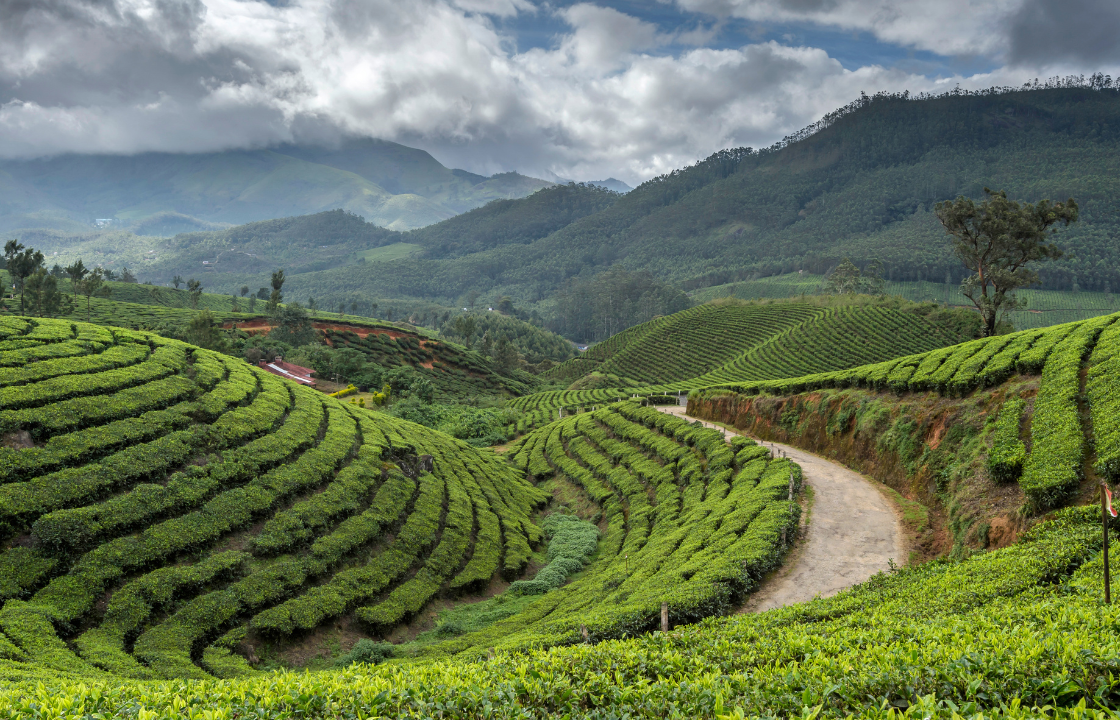
Affectionately known as “God’s Own Country,” Kerala is a sliver of paradise nestled on the tropical Malabar Coast of southwestern India. It’s a land of profound diversity, where serene backwaters weave through lush paddy fields, emerald tea plantations blanket rolling hills, and golden beaches are fringed with swaying palm trees. This itinerary is designed to give you the quintessential Keralan experience in just one week, guiding you through its most iconic landscapes: the tranquil backwaters of Alleppey, the misty tea estates of Munnar, and the sun-drenched beaches of Kovalam.
The ideal time to embark on this journey is between September and March, when the monsoon rains have subsided, leaving behind a vibrant, rejuvenated landscape and the weather is pleasantly cool and dry. Beyond its natural splendour, you’ll get a taste of Kerala’s rich cultural tapestry, from the dramatic expressions of Kathakali dance to a culinary tradition bursting with flavour. Embark on a journey with us to discover the very best of Kerala in seven unforgettable days.
Day 1 & 2: Exploring the Backwaters of Alleppey
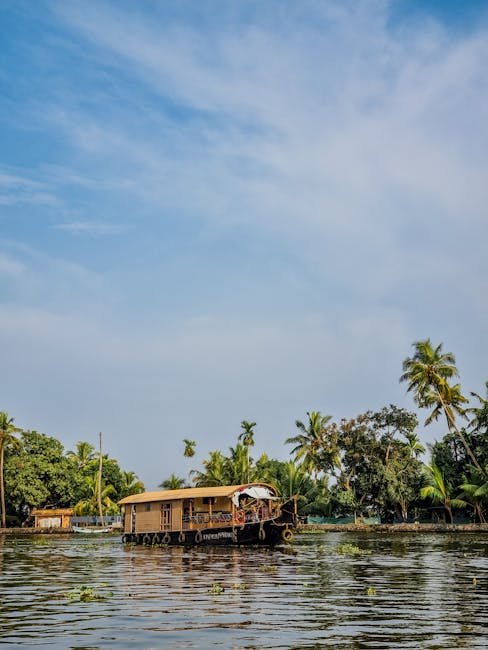
Your Keralan adventure begins in Alappuzha, or Alleppey, famously dubbed the “Venice of the East” by Lord Curzon. This bustling town is the gateway to the region’s enchanting backwaters, a vast network of shimmering lakes, canals, and lagoons that form the lifeblood of the area. The ultimate way to experience this unique ecosystem is by spending a night on a traditional Keralan houseboat, known as a kettuvallam.
These beautifully crafted vessels, once used to transport rice and spices, have been converted into floating hotels, complete with comfortable bedrooms, modern bathrooms, a kitchen, and a deck for soaking in the views. As your private houseboat glides silently along the water, you become a spectator to a captivating slice of local life. Watch children splashing in the water, fishermen casting their nets, and families going about their daily chores on the narrow strips of land that line the canals. The scenery is a mesmerising tapestry of emerald green paddy fields, dense coconut groves, and colourful birdlife.
Your personal chef on board will prepare an array of delicious Keralan dishes using fresh, local ingredients. Be sure to try Karimeen Pollichathu, a pearl spot fish marinated in spices, wrapped in a banana leaf, and steamed to perfection. For the more adventurous, a taste of toddy, a mildly alcoholic palm wine tapped fresh from coconut trees, is a must.
Beyond the houseboat, you can:
- Explore narrow canals: Ask your boatman to arrange a smaller canoe trip to navigate the narrower, more intimate waterways that are inaccessible to the larger houseboats.
- Visit Alleppey Beach: Spend an afternoon at the town’s main beach, known for its 150-year-old pier and the historic Vizhinjam Lighthouse.
- Go bird watching: The backwaters are a haven for avian life, including kingfishers, cormorants, and kites.
Accommodation is all about the houseboat experience here. Options range from standard and budget-friendly boats to opulent luxury vessels with air-conditioned rooms and sun decks. To avoid disappointment, it’s wise to secure your houseboat booking well in advance, especially if you’re travelling during the peak season from December to February.
Day 3 & 4: Immersing in the Tea Estates of Munnar
After a tranquil two days on the water, it’s time to ascend into the hills. The drive from Alleppey to Munnar is a scenic spectacle in itself, as the landscape transforms from flat, water-logged plains to winding roads that climb through rubber and spice plantations, culminating in the cool, misty highlands of the Western Ghats.
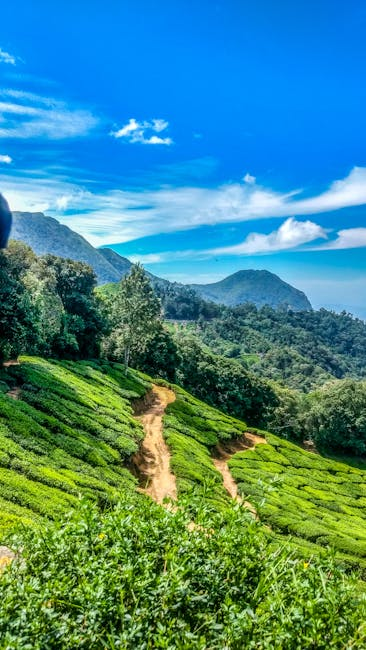
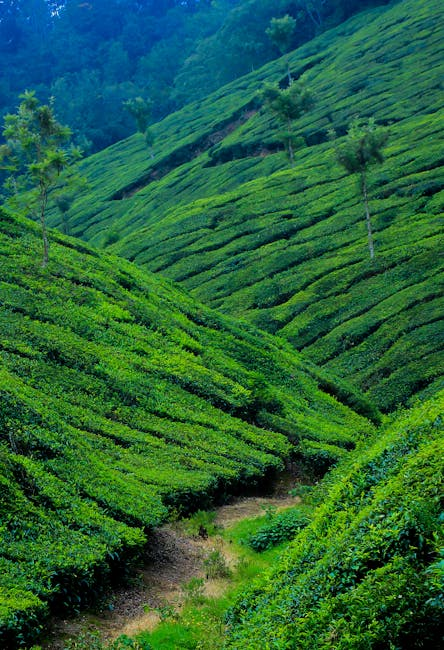
Munnar, situated at an altitude of around 1,600 metres, is a breathtaking hill station carpeted in a seemingly endless expanse of tea plantations. The air here is crisp and fragrant with the scent of tea leaves. Your first stop should be the Tata Tea Museum, where you can delve into the history of tea cultivation in the region and witness the tea-making process, from plucking the leaves to the final packaging.
The area around Munnar is dotted with natural attractions:
- Mattupetty Dam: This storage dam is set against a stunning backdrop of hills and forests. You can enjoy boating on the lake and take in the serene atmosphere.
- Echo Point: Located near the dam, this spot is famous for its natural echo phenomenon. Shout a name and hear it reverberate back from the surrounding hills.
- Eravikulam National Park: This is the sanctuary of the endangered Nilgiri Tahr, a species of mountain goat native to the Western Ghats. The park offers spectacular views of the tea-covered slopes and is a must-visit for nature lovers.
For a truly immersive experience, consider staying in a colonial-era tea estate bungalow or a resort nestled amidst the plantations. Waking up to panoramic views of the verdant hills, often shrouded in a delicate morning mist, is an experience you won’t forget. While in Munnar, don’t forget to sample the delicious homemade chocolates and various tea-based snacks available in the local shops. Plan your Munnar stay and book accommodation early, as the best spots fill up quickly.
Day 5 & 6: Relaxing on the Beaches of Kovalam
From the cool mountains, your journey now takes you south to the sun-kissed coastline of Kovalam. This internationally renowned beach town, located just a short drive from the state capital, Trivandrum, is famous for its three crescent-shaped beaches separated by rocky outcroppings.
Each beach has its own distinct character:
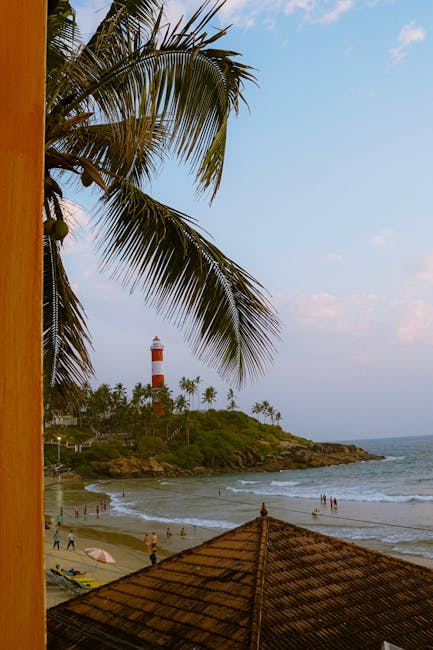
- Lighthouse Beach: The largest and most popular of the three, this beach is named after the striking red-and-white striped lighthouse that stands on a nearby promontory. The beachfront is lined with hotels, restaurants, and shops, making it a lively hub of activity. It’s the perfect spot for sunbathing, swimming, and trying your hand at surfing.
- Hawa Beach (Eve’s Beach): Situated in the middle, this beach is a hive of activity in the mornings with local fishermen bringing in their daily catch. It’s a great place to witness local life up close.
- Samudra Beach: The northernmost beach is the quietest of the trio, offering a more tranquil and secluded atmosphere, ideal for those looking to simply relax and listen to the waves.
A climb to the top of the Vizhinjam Lighthouse is highly recommended for breathtaking panoramic views of the coastline. Kovalam is also a major centre for Ayurveda, the ancient Indian system of medicine. Indulge in a rejuvenating Ayurvedic massage or treatment at one of the many reputable centres to soothe your body and mind. As evening falls, find a spot at a beachside shack and feast on incredibly fresh seafood, grilled to perfection. Unwind and soak up the sun; Kovalam is the perfect place to recharge before the end of your trip.
Day 7: Departure from Trivandrum
Your final day is spent in Trivandrum (Thiruvananthapuram), the capital city of Kerala, which serves as a convenient departure point with its international airport. Before you head home, there are a few sights worth exploring if time permits.
The magnificent Sri Padmanabhaswamy Temple, an architectural marvel dedicated to Lord Vishnu, is a major pilgrimage site. Note that it has a strict dress code (men must wear a mundu and women a sari or full-length skirt) and is open only to Hindus. For a dose of culture and last-minute souvenir shopping, explore the local markets like Chalai Market, a bustling bazaar where you can find everything from spices and textiles to traditional handicrafts and brass lamps. If you have a few extra hours, the Napier Museum and the adjacent Zoo, housed in beautiful Indo-Saracenic buildings, offer a glimpse into Kerala’s rich history and biodiversity.

Essential Tips for Your Kerala Trip
A little preparation goes a long way in ensuring a smooth and memorable trip. Here are some essential tips to keep in mind.
- Visa: Most international travellers will need a visa to enter India. The e-Visa facility is available for many nationalities and is the most convenient option. Check the official Government of India e-Visa website for eligibility and application procedures.
- Currency: The local currency is the Indian Rupee (INR). Credit cards are widely accepted in hotels and larger establishments, but it’s essential to carry cash for smaller shops, local eateries, and tips. ATMs are readily available in towns and cities.
- Transportation: For this itinerary, hiring a car with a driver is the most comfortable and efficient way to travel between destinations. For shorter distances, auto-rickshaws are a cheap and convenient option, but always agree on the fare beforehand.
- Dress Code: Pack light cotton clothing. When visiting religious sites like temples, it’s crucial to dress modestly, ensuring your shoulders and knees are covered. Some temples may require specific attire, like the mundu for men.
- Health and Safety: Drink only bottled water and be cautious with street food. Carry a good mosquito repellent, especially for the backwaters and evenings. Sunscreen, a hat, and sunglasses are essential for protection against the tropical sun.
- Language: The official language is Malayalam. However, English is widely spoken and understood in all tourist areas, so communication is rarely an issue. Learning a few local phrases like Namaskaram (Hello) and Nanni (Thank you) will be appreciated.
- Packing Essentials:
- Lightweight cotton clothes
- A light jacket or shawl for the cool evenings in Munnar
- Swimwear for the beaches
- Comfortable walking shoes
- Sunscreen, hat, and sunglasses
- Insect repellent
- A universal power adapter
- Your camera to capture the stunning landscapes
Conclusion
This one-week journey through Kerala offers an incredible tapestry of experiences, from the serene, life-affirming calm of the backwaters to the refreshing, aromatic air of the tea-clad mountains and the laid-back, sun-drenched vibe of the coast. It’s a trip that stimulates all the senses and leaves you with a profound appreciation for the natural beauty and cultural richness of “God’s Own Country.”
By planning ahead and embracing the spirit of adventure, you can ensure your trip is as seamless as it is spectacular. Travel responsibly, respect the local culture, and immerse yourself fully in the magic of Kerala.
Have you travelled to Kerala? Share your stories and favourite spots in the comments below