Solo Trip to Hampi: A 3-Day History Lover’s Itinerary
Step back in time to a world of fallen empires, monolithic temples, and landscapes strewn with giant boulders that seem to defy gravity. Welcome to Hampi, the erstwhile capital of the magnificent Vijayanagara Empire and a sprawling UNESCO World Heritage Site. For the solo traveller with a passion for history, Hampi is not just a destination; it’s an open-air museum, a story etched in stone waiting to be read. Its vast, otherworldly terrain is surprisingly safe and easy to navigate, making it an ideal choice for an independent adventure.
This itinerary is meticulously crafted for the history enthusiast. Over three days, we will journey through the heart of a forgotten kingdom, exploring its sacred temples, royal complexes, and vibrant cultural soul. We will walk the paths of kings, witness sunsets over ancient ruins, and immerse ourselves in the timeless spirit of Hampi. Join us as we explore the wonders of Hampi, one historical marvel at a time.
Day 1: Exploring Hampi’s Royal Centre
Our first day is dedicated to the epicentre of Vijayanagara power, the Royal Centre. This is where the empire’s grand ceremonies, political decisions, and royal life unfolded. Prepare to be awestruck by the scale and sophistication of the architecture.
Morning: Vijaya Vittala Temple
Begin your historical immersion at the Vijaya Vittala Temple, arguably the most extravagant architectural showpiece of Hampi. Dedicated to Vittala, an incarnation of Lord Vishnu, this 16th-century temple complex is a testament to the unparalleled craftsmanship of the Vijayanagara artisans.
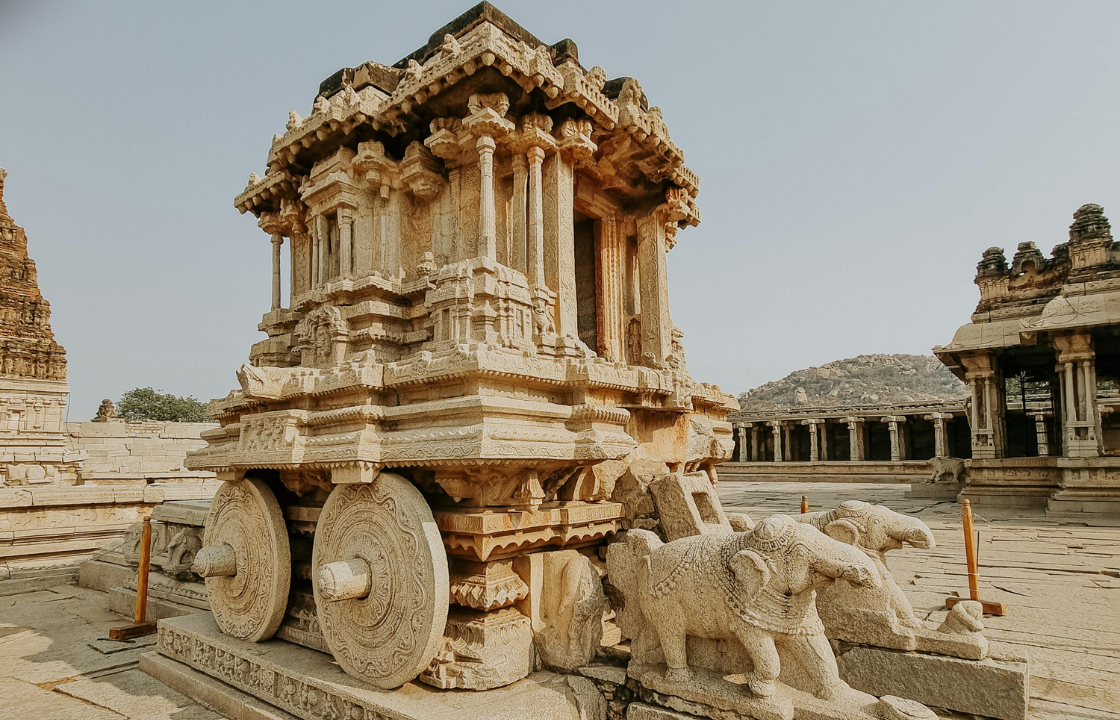
The undisputed highlight is the iconic Stone Chariot, a shrine built in the form of an ornate ceremonial chariot. This monolithic marvel is one of only three stone chariots in India and has become a symbol of Hampi itself. Equally fascinating are the Ranga Mandapa’s famous musical pillars. These clusters of slender pillars, when tapped gently, emit musical notes, a feature that has baffled architects and scientists for centuries. It is believed they were used for sacred music and dance performances.

Afternoon: Royal Enclosure
After lunch, venture into the Royal Enclosure, the fortified heart of the Vijayanagara capital. This sprawling area once housed over 45 buildings, including palaces, administrative halls, and ceremonial platforms. While many structures are now just foundations, what remains offers a profound insight into the empire’s civic life.
Key structures to explore include:
- Mahanavami Dibba (The Great Platform): This massive three-tiered platform is the most imposing structure here. Ascend its steps, adorned with intricate carvings of warriors, elephants, and dancers, and imagine the king seated atop, watching the spectacular nine-day Navaratri festival unfold.
- King’s Audience Hall: Though only the base remains, you can still see the sockets that held 100 wooden pillars, giving you a sense of the hall’s former scale where the king would address his court.
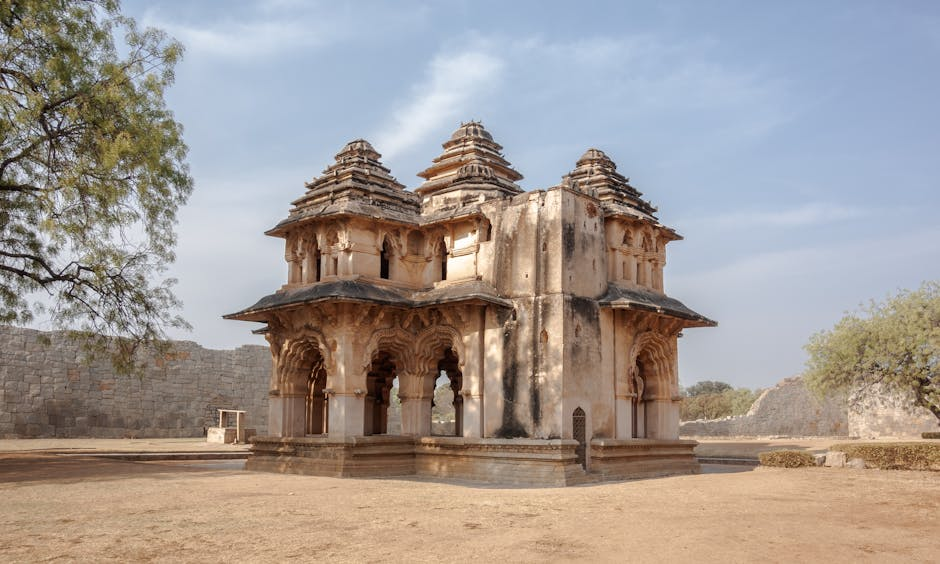
- Queen’s Bath: This remarkable structure stands in stark contrast to the surrounding ruins. It features a plain exterior but a stunningly ornate interior with arched corridors, projecting balconies, and a large sunken bath. Its Indo-Islamic architectural style showcases the cosmopolitan influences on the empire.
Evening: Sunset at Hemakuta Hill
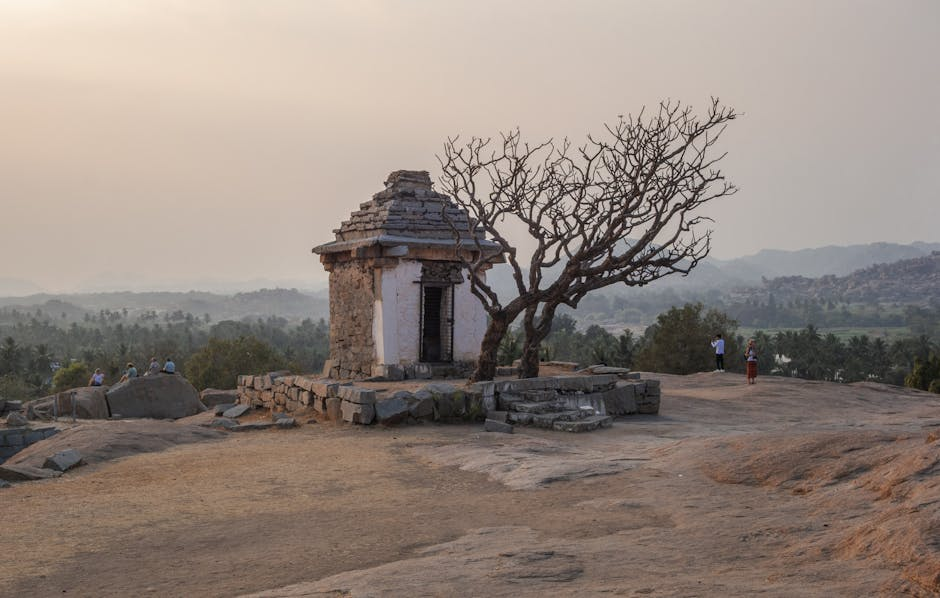
Conclude your day with a short, easy climb up Hemakuta Hill. This granite hillock, dotted with pre-Vijayanagara era temples, offers one of the most iconic panoramic sunset views in Hampi. As the sun dips below the horizon, it bathes the entire landscape in a golden glow, illuminating the towering gopuram of the Virupaksha Temple below and the endless sea of boulders. It’s a serene and magical experience.
- Practical Tip: Wear comfortable shoes for the gentle climb. Find a spot on one of the smooth boulders, take a deep breath, and take a moment to imagine life during the empire’s peak as you watch the day end over its ruins.
Day 2: Temples, Markets, and Local Culture
Day two delves into the spiritual and commercial life of Hampi, exploring its most sacred functioning temple and the bustling market that once served pilgrims and traders from around the world.
Morning: Virupaksha Temple and Hampi Bazaar
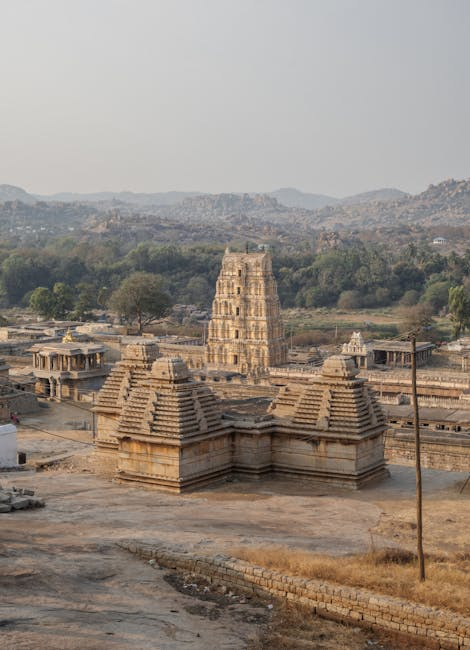
Start your day at the Virupaksha Temple, Hampi’s oldest and most sacred site. Dedicated to Lord Shiva, this temple has been a continuous centre of worship since the 7th century, predating the Vijayanagara Empire itself. Its main gopuram (gateway tower) soars nearly 50 metres high, a landmark visible from much of Hampi. Inside, you’ll find intricate carvings, pillared halls, and the temple elephant, Lakshmi, who offers blessings to devotees.
Stretching out in front of the temple is Hampi Bazaar, a one-kilometre-long street that was once a thriving market where merchants sold everything from gems and silks to horses. Today, the stone pavilions that line the street house small shops selling local handicrafts, colourful textiles, and unique souvenirs. It’s a great place to soak in the local atmosphere and pick up a memento.

Afternoon: Achyutaraya Temple and Matanga Hill
In the afternoon, seek out the slightly more secluded Achyutaraya Temple. Nestled between Matanga and Gandhamadana hills, this large temple complex dedicated to Lord Tiruvengalanatha (a form of Vishnu) is less crowded, allowing for a more peaceful exploration of its courtyards and detailed carvings.
From here, embark on the rewarding hike to the summit of Matanga Hill, the highest point in Hampi. The 30-minute climb is moderately challenging but offers the most breathtaking 360-degree views of the entire Hampi landscape, including a stunning aerial perspective of the Achyutaraya Temple.
- Practical Tip: The path up Matanga Hill is rocky. Wear sturdy shoes, carry plenty of water, and be prepared for a bit of a scramble near the top. The view is more than worth the effort.
Evening: Local Cultural Experience
Immerse yourself in Hampi’s living culture in the evening. While formal performances can be seasonal, many guesthouses and cafes host impromptu music sessions. Keep an ear out for the sounds of a sitar or tabla.
For dinner, skip the tourist-centric menus and find a small, family-run restaurant to try authentic local cuisine. A simple South Indian thali, with its assortment of curries, rice, and bread, is a delicious and fulfilling experience. I remember having a conversation with a local shop owner over a cup of chai; he shared stories of his family living in Hampi for generations. These small interactions are often the most memorable. Embrace the opportunity to connect with the heart of Hampi and its warm, welcoming people.
Day 3: Exploring the Ruins Beyond Hampi
On our final day, we look at the artistic and mythological heart of the empire and then venture across the river to a land that is even older than Hampi itself.
Morning: Hazara Rama Temple
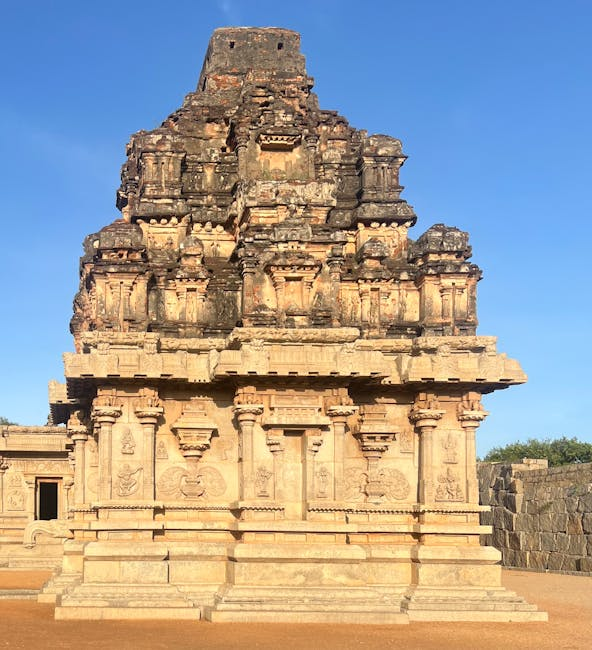
Begin your day at the Hazara Rama Temple. This was the private temple of the royal family, and its name, meaning “a thousand Ramas,” refers to the incredible number of Ramayana depictions that adorn its walls. The outer walls feature detailed bas-relief panels that narrate the entire epic of the Ramayana in stone. It’s like reading a graphic novel from the 15th century. The intricate carvings of gods, goddesses, and mythological creatures make this one of the most artistically significant temples in Hampi.
Afternoon: Exploring Anegundi
Take a short coracle or motorboat ride across the Tungabhadra River to Anegundi, a village believed to be the ancient monkey kingdom of Kishkindha from the Ramayana. This settlement is even older than Hampi and has a more tranquil, rural feel. Here you can visit the Ranganatha Temple, climb the Anjanadri Hill (believed to be the birthplace of Lord Hanuman) for another spectacular view, and explore the serene Durga Temple. Anegundi offers a glimpse into a quieter, more ancient layer of the region’s history.
Evening: Sunset Boat Ride on Tungabhadra River
For a perfect end to your historical journey, take a sunset coracle ride on the Tungabhadra River. These traditional round boats, made of woven reeds, have been used on this river for centuries. Gliding gently on the water as the sun sets, you’ll get a unique perspective of the temples and ruins along the riverbanks. It’s a peaceful and reflective way to say goodbye to the magnificent landscape.
- Practical Tip: Arrange your boat ride with a local operator at the ghats. Ensure they provide a life jacket and agree on the price and duration before you set off. As the sun sets, reflect on the incredible history you’ve witnessed over the past three days.

Practical Tips for a Solo Trip to Hampi
Careful planning ensures a memorable and hassle-free journey. Here are some essential tips for your solo adventure.
Accommodation
You have two main options: stay in the heart of the action in Hampi Bazaar, with its rustic guesthouses, or across the river in the more bohemian Virupapur Gaddi. For more modern hotels, the nearby town of Hospet is the best choice. Book well in advance, especially during the peak season from October to February.
Transportation
Hampi’s ruins are spread over a large area. The best way to explore is by renting a bicycle or a scooter, which gives you complete freedom. Alternatively, you can hire an auto-rickshaw for the day. Always negotiate and fix the price before starting your journey.
Safety
Hampi is generally very safe for solo travellers, but it’s always wise to take precautions.
- Stay aware of your surroundings, especially after dark.
- Avoid isolated areas at night.
- Dress modestly, particularly when visiting temples, to respect local customs.
- Inform someone of your itinerary.
Food and Drink
Hampi is a vegetarian and alcohol-free zone due to its religious significance. The local restaurants serve delicious South Indian fare like dosas, idlis, and thalis. Always drink bottled water to stay safe and hydrated.
What to Pack
- Light, breathable cotton clothing.
- Sturdy and comfortable walking shoes are non-negotiable.
- Sunscreen, a wide-brimmed hat, and sunglasses.
- A reusable water bottle.
- A small first-aid kit and any personal medications. On my first trip, I underestimated the intensity of the sun and wished I’d packed a better hat. Don’t make my mistake; sun protection is essential for a comfortable trip.
Conclusion
A solo trip to Hampi is more than a holiday; it’s a pilgrimage into the depths of history. Over three days, you’ll have walked through royal courts, marvelled at architectural genius, and witnessed the enduring spirit of a place that has captivated travellers for centuries. Hampi offers the perfect blend of history, culture, and adventure, making it an unforgettable destination for any solo explorer.
The stories of the Vijayanagara Empire are etched into every boulder and pillar. Now it’s your turn to uncover the magic of Hampi and create your own chapter in its long and fascinating history. Carry the spirit of Hampi with you.
Have you travelled solo to Hampi? Share your own experiences or ask any questions in the comments section below!