How to Live in India for 3 Months on a Budget

India, a land of staggering diversity, vibrant cultures, and profound history, beckons travellers with the promise of adventure and discovery. From the snow-capped peaks of the Himalayas to the sun-drenched beaches of Goa, the country offers a sensory explosion that can be both exhilarating and transformative. Many dream of an extended stay, but worry about the cost. The good news is that India remains one of the most affordable destinations for long-term travel. This guide is your comprehensive blueprint for not just visiting, but truly living in India for three months on a budget. We will cover everything from planning and visas to finding affordable accommodation, savouring delicious food without overspending, navigating the transport network, and immersing yourself in the culture. Read on to discover how you can experience the magic of India without breaking the bank.
Planning and Preparation
A successful and stress-free three-month sojourn in India begins long before you board the plane. Meticulous planning is the cornerstone of any budget trip, allowing you to anticipate costs, navigate bureaucracy, and pack effectively.
Visa Requirements
For most nationalities, securing a visa is the first official step. India offers several options for tourists. The most convenient for many is the e-Tourist Visa, which you can apply for online.
- e-Tourist Visa: This is typically valid for 30 days, 1 year, or 5 years with multiple entries. For a three-month stay, the 1-year or 5-year option is ideal. Ensure your passport has at least six months of validity from your date of arrival.
- Regular Tourist Visa: If you prefer a longer, uninterrupted stay or if your nationality is not eligible for the e-visa, you can apply for a regular tourist visa through an Indian embassy or consulate in your home country.
To apply for your visa, visit the official Government of India website for e-Visa services. The process involves filling out an online form, uploading a photograph and a copy of your passport, and paying the fee. Processing times can vary, so it’s wise to apply at least a few weeks before your intended travel date.
Budgeting
India can be incredibly cheap, but costs can add up if you’re not careful. A realistic budget for a three-month stay could range from £1,500 to £3,000 (€1,800-€3,500 / $2,000-$4,000) per person, depending on your travel style.
Here’s a sample daily budget breakdown for a comfortable-but-frugal traveller:
- Accommodation: £8 – £15 (₹800 – ₹1,500) for a private room in a guesthouse or a dorm bed in a good hostel.
- Food: £5 – £10 (₹500 – ₹1,000) for eating at local restaurants and street food stalls.
- Transportation: £2 – £5 (₹200 – ₹500) for local transport and short intercity bus journeys.
- Activities & Miscellaneous: £5 – £10 (₹500 – ₹1,000) for entrance fees, shopping, and other incidentals.
This brings a daily average to around £20 – £40. Creating a spreadsheet to track your spending is an excellent way to stay on top of your finances.
Health and Safety
Your health is your wealth, especially when travelling.
- Travel Insurance: This is non-negotiable. Ensure your policy covers medical emergencies, theft, and trip cancellations.
- Vaccinations: Consult your GP or a travel clinic at least 4-6 weeks before your trip. The NHS Fit for Travel website provides excellent guidance on recommended vaccinations, which often include Hepatitis A, Tetanus, and Typhoid.
- General Safety: Be mindful of your surroundings, especially in crowded areas. Avoid walking alone at night in unfamiliar places. To avoid common scams, be wary of unsolicited offers of help and always agree on prices for services like taxis beforehand.
Packing Essentials
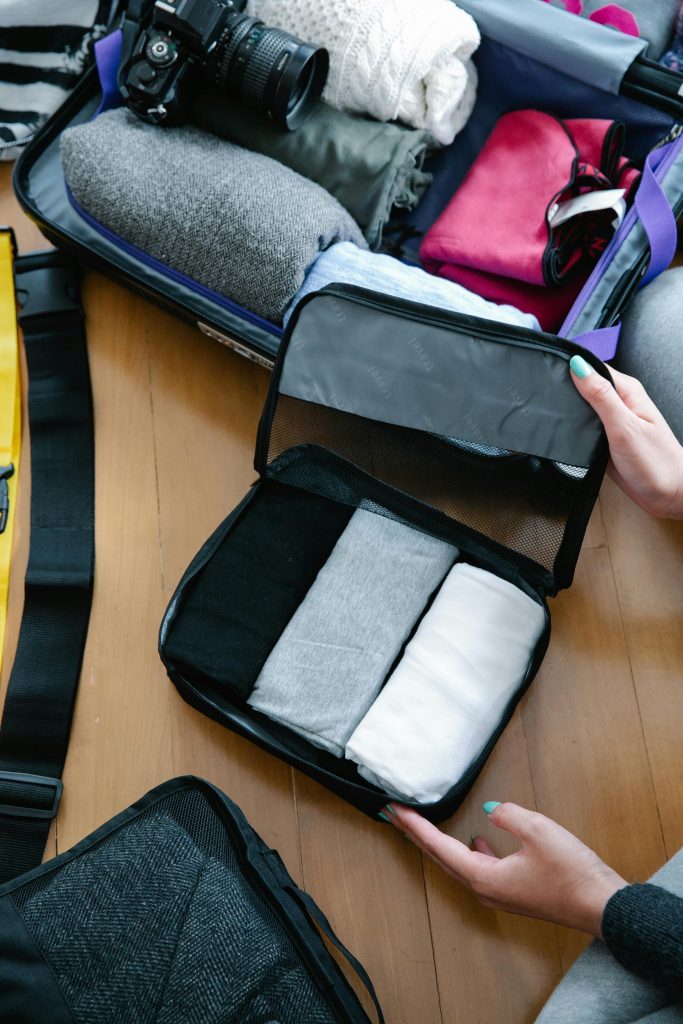
Packing light is key. You can buy almost anything you need in India, often at a lower price.
- Clothing: Pack lightweight, breathable fabrics like cotton and linen. Include long-sleeved tops and trousers for modesty, especially when visiting religious sites. A light jacket or fleece is essential for cooler northern regions or air-conditioned transport.
- Footwear: Comfortable walking shoes are a must. A pair of sturdy sandals is also useful.
- Essentials: Pack a universal travel adapter, a portable power bank, a reusable water bottle with a built-in filter, and a basic first-aid kit.
Begin your preparations today for a stress-free trip. Getting the visa and budget sorted early will allow you to focus on the exciting parts of your adventure.
Accommodation Options
Where you lay your head at night can significantly impact both your budget and your experience. India offers a vast spectrum of accommodation, from bustling social hubs to quiet, family-run establishments.
Hostels
The backpacking scene in India has exploded, and with it, a network of modern, clean, and sociable hostels. They are a fantastic option for solo travellers looking to meet people. Websites like Hostelworld are great for finding and booking them. Expect to pay ₹400-₹800 for a dorm bed. Many offer female-only dorms, private rooms, and organised activities.
Guesthouses
For a more local and personal experience, guesthouses are an excellent choice. Often family-run, they provide a glimpse into Indian home life. They are perfect for longer stays, and you can often negotiate a better rate for a week or a month. Check reviews on TripAdvisor or Booking.com to find reliable options.
Budget Hotels
India is filled with budget-friendly hotels. While they may be basic, they offer privacy and comfort. For finding and booking, Indian platforms like MakeMyTrip are invaluable resources, often listing properties you won’t find on international sites. Always check recent reviews for comments on cleanliness.
Long-Term Rentals
If you plan to stay in one place for a month or more, renting a room or a small apartment can be the most cost-effective option. Airbnb has a growing presence, but you can also find listings on local Facebook groups or simply by asking around once you arrive. From my own experience staying in Rishikesh, I found a comfortable room with a small kitchen for a month simply by speaking with a local chai-wallah who knew a family with a spare room. This direct approach not only saved money but also led to a wonderfully authentic experience.
Secure your stay early for the best deals, especially if you are travelling during peak season (October to March).
Food and Drink
One of the greatest joys of travelling in India is the food. It’s a culinary odyssey of diverse flavours, spices, and regional specialities that is both delicious and incredibly affordable.
Street Food
Don’t be afraid to dive into the world of Indian street food. It’s where you’ll find some of the most authentic and tasty meals. From pani puri in Mumbai to kathi rolls in Kolkata, every city has its specialities. To stay safe, follow a simple rule: eat at busy stalls with a high turnover, where you can see the food being cooked fresh in front of you.
Local Restaurants (Dhabas)
Dhabas are traditional roadside restaurants that serve hearty, home-style North Indian food. Originally for truck drivers, they are now popular with everyone for their delicious and cheap meals. A meal of dal makhani (creamy black lentils), fresh roti (bread), and a vegetable curry will rarely cost more than a few pounds and will be one of the most satisfying you’ll have.
Cooking Your Own Meals
If you’re staying in one place for a while and have access to a kitchen, cooking your own meals is a great way to save money. Local markets are a vibrant experience, full of fresh vegetables, fruits, and spices. Stock up on essentials like turmeric, cumin, coriander, and garam masala, and you’ll be able to whip up simple, flavourful Indian dishes.
Tap water in India is generally not safe to drink for travellers. Always stick to bottled water from reputable brands (check that the seal is intact) or, even better for the environment, use a water bottle with a built-in filter or purification tablets.
Embark on a culinary adventure in India. Be open to trying new things, and you’ll be rewarded with a world of incredible flavours.
Transportation
Getting around India is an adventure in itself. The country has a vast and varied transport network that is, for the most part, incredibly budget-friendly.
Trains
The Indian railway system is the lifeblood of the nation and an experience every traveller should have. It’s one of the largest networks in the world, connecting almost every corner of the country.
- Classes: For budget travellers, Sleeper Class is the classic choice for overnight journeys. It’s basic but offers a fantastic way to interact with local families. For more comfort, AC 3-Tier (3A) or AC 2-Tier (2A) are excellent, affordable options.
- Booking: You can book tickets online through the official Indian Rail (IRCTC) website or app. It’s advisable to book long-distance trains well in advance, as they fill up quickly.
Buses
Buses go where trains don’t. They are the primary mode of transport in mountainous regions like the Himalayas. You’ll find everything from basic state-run buses to comfortable air-conditioned “Volvo” buses for intercity routes. Websites like RedBus are excellent for comparing options and booking private bus tickets online.
Local Transportation
In cities, auto-rickshaws are ubiquitous. Always agree on a fare before you get in or insist on using the meter. Ride-hailing apps like Ola and Uber operate in most major cities and are often cheaper and more convenient than traditional taxis or rickshaws. Many cities also have efficient and modern metro systems, like in Delhi and Mumbai, which are a cheap and fast way to get around.
Secure your travel arrangements for a smooth journey. Planning your major journeys in advance will save you time, money, and stress.
Activities and Sightseeing
India’s rich history and culture mean there is an endless list of things to see and do, many of which cost very little or are completely free.
Free Activities
Some of the best experiences in India don’t cost a penny.
- Wander through the chaotic, colourful lanes of a local market.
- Visit a Sikh temple (gurudwara), such as the Golden Temple in Amritsar, where you can also get a free meal (langar).
- Stroll through public parks like Lodhi Garden in Delhi.
- Sit on the ghats of the Ganges in Varanasi and watch the world go by.
Budget-Friendly Attractions
Many of India’s most famous landmarks have very reasonable entrance fees. The majestic forts of Rajasthan, the ancient temples of South India, and numerous museums offer incredible value. While the Taj Mahal has a higher entrance fee for foreigners, it is an unmissable sight.
Volunteering
If you want to reduce your expenses further and have a meaningful experience, consider volunteering. In exchange for a few hours of work a day, you can often get free food and accommodation. Websites like Workaway and HelpX list thousands of opportunities, from working in guesthouses and organic farms to teaching English.
Negotiating Prices
Bargaining is a part of the shopping culture in local markets and with auto-rickshaw drivers. Approach it with a smile and a friendly attitude. A good rule of thumb is to start at about half the quoted price and meet somewhere in the middle.
Immerse yourself in the rich tapestry of India. Look beyond the major tourist sites to find the hidden gems that will make your trip truly memorable.
Staying Connected
Staying connected in India is easy and affordable, which is great for navigating, booking accommodation on the go, and keeping in touch with loved ones back home.
SIM Cards
Getting a local SIM card is highly recommended. The process has become much simpler for tourists. You’ll need a copy of your passport, your visa, and a passport-sized photo. Major providers like Airtel and Jio offer excellent coverage and incredibly cheap data plans. You can get a SIM card at the airport upon arrival or at official stores in any city.
Wi-Fi
Wi-Fi is widely available in hostels, guesthouses, hotels, and cafes in tourist areas. However, the speed and reliability can be inconsistent, so having a local SIM with a data plan is a more dependable option.
Communication Apps

With cheap data, apps like WhatsApp, Skype, and FaceTime are the best way to call home and stay in touch with friends and family for free.
Stay connected with ease during your travels. A local SIM card will be your best friend for looking up maps, translating phrases, and booking your next train.
Cultural Considerations
India is a country with deep-rooted traditions and a conservative streak in many areas. Being mindful of local customs will not only show respect but also enrich your interactions.
Dress Code
Modesty is key. Both men and women should aim to cover their shoulders and knees, especially in rural areas and when visiting religious sites. A light scarf or shawl is a versatile item for women to carry to cover their head when entering temples or mosques.
Customs and Etiquette
- The traditional greeting is “Namaste,” said with palms pressed together at the chest.
- Use your right hand for eating, giving, and receiving items, as the left hand is considered unclean.
- Remove your shoes before entering someone’s home or any place of worship.
Religious Sensitivity
Religion is an integral part of daily life in India. Be respectful of religious practices, even if you don’t understand them. Avoid public displays of affection, and be mindful of your behaviour around temples, mosques, and other holy sites.
Language
While English is widely spoken in tourist areas, learning a few basic Hindi phrases will be greatly appreciated.
- Namaste: Hello / Goodbye
- Dhanyavaad / Shukriya: Thank you
- Aap kaise hain?: How are you?
- Kitna hai?: How much is it?
Embrace the cultural diversity of India. A little effort to understand and respect local traditions will go a long way in making your journey a positive one.
Conclusion
Living in India for three months on a budget is not just a possibility; it’s an incredibly rewarding and achievable goal. By planning carefully, choosing affordable accommodation and transport, embracing local food, and being mindful of cultural norms, you can have the adventure of a lifetime without emptying your bank account. India will challenge you, inspire you, and undoubtedly change you. It’s a country that gets under your skin and stays with you long after you’ve left.
So, take the leap. Plan your trip, pack your bags, and get ready to experience the incredible, chaotic, and beautiful tapestry that is India.