A Comprehensive Guide: How to Attend a Traditional South Indian Wedding

To be invited to a South Indian wedding is to be welcomed into a world of vibrant colour, profound tradition, and joyous celebration. These weddings are not merely a union of two individuals but a grand festival that brings together two families and their communities in a series of ancient rituals and heartfelt festivities. For a first-time guest, the experience can be as overwhelming as it is enchanting. The intricate ceremonies, the specific dress codes, and the unique cultural etiquette can seem complex.
This guide is designed to be your companion, demystifying the traditions and helping you navigate every aspect of a South Indian wedding with confidence and respect. We will explore the significant pre-wedding rituals, advise on the appropriate attire, walk you through the main ceremony, and offer insights into the expected etiquette and delectable cuisine. By understanding the meaning behind the customs, you can move beyond being a mere spectator and become a cherished participant in this beautiful cultural tapestry. Read on to discover how to make the most of this unique cultural experience and create memories that will last a lifetime.
Understanding the Pre-Wedding Rituals
The wedding celebration in South India begins long before the main event. A series of pre-wedding rituals, each laden with symbolism and joy, sets the stage for the union. While the specifics can vary significantly depending on the family’s region (such as Tamil Nadu, Kerala, Andhra Pradesh, or Karnataka) and community, several key ceremonies are common.
Nischayathartham (Engagement)
This is the formal engagement ceremony, where the two families make a public declaration of the impending union. It is a pivotal event where the wedding date is often officially set and announced. During the Nischayathartham, the bride and groom may exchange rings, and the families exchange gifts, such as platters of fruit, sweets, and new clothes, symbolising their acceptance and mutual respect. It is a formal promise that solidifies the alliance.
Mehendi Ceremony
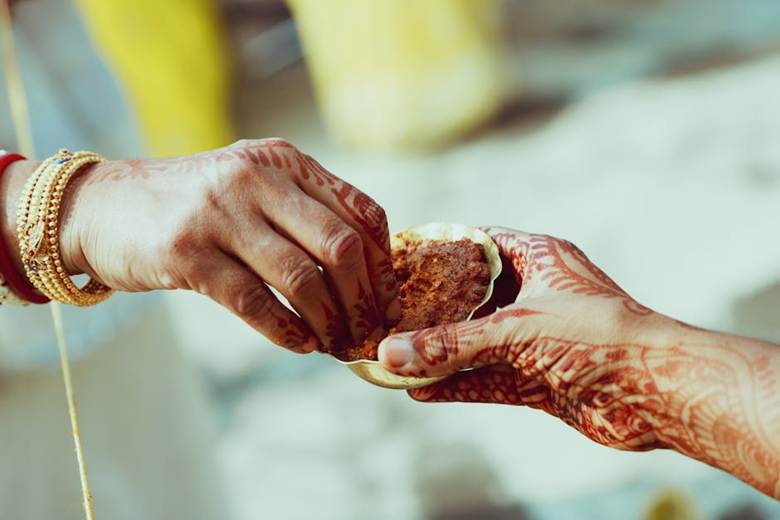
A vibrant and often lively affair, the Mehendi ceremony is typically held a day or two before the wedding. Intricate patterns are drawn onto the bride’s hands and feet using henna paste (mehendi). It is a deeply artistic and celebratory event, usually accompanied by music and dancing. Tradition holds that the deeper the colour of the henna stain, the stronger the love between the couple. The groom’s name is often hidden within the intricate designs for him to find on the wedding night.
Sangeet
While traditionally more of a North Indian custom, the Sangeet (meaning ‘sung together’) has become a popular and joyous addition to many South Indian weddings. This event is purely celebratory, a night of music, dance, and merriment. Family members and friends perform choreographed dances and sing traditional songs, often playfully teasing the bride and groom. It’s an icebreaker and a wonderful way for the two families to bond.
Haldi
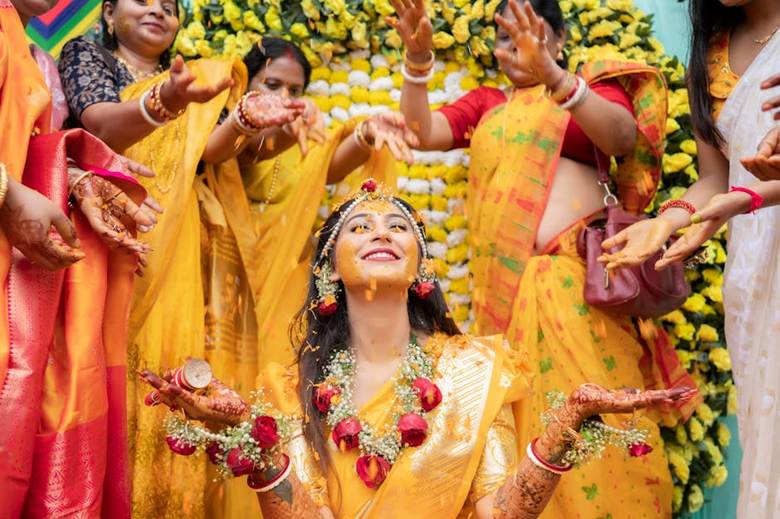
The Haldi ceremony is a beautiful and auspicious ritual where a paste made from turmeric (haldi), sandalwood, and rosewater is applied to the bride and groom’s skin by their family and friends. Turmeric is revered for its purifying and beautifying properties, believed to bestow a radiant glow upon the couple before their wedding day. This ceremony is often filled with laughter and playful fun as everyone takes turns applying the paste. Having attended a Haldi ceremony, I was struck by the palpable sense of community and shared joy as relatives, young and old, lovingly smeared turmeric on the bride, their blessings as tangible as the golden paste.
To fully appreciate these events, ask the family about the specific rituals they will be observing and their meanings to deepen your understanding of the celebration.
Deciphering the Wedding Attire
Dressing for a South Indian wedding is an opportunity to embrace the opulence and elegance of traditional Indian fashion. The key is to be respectful, modest, and celebratory in your choice of clothing.
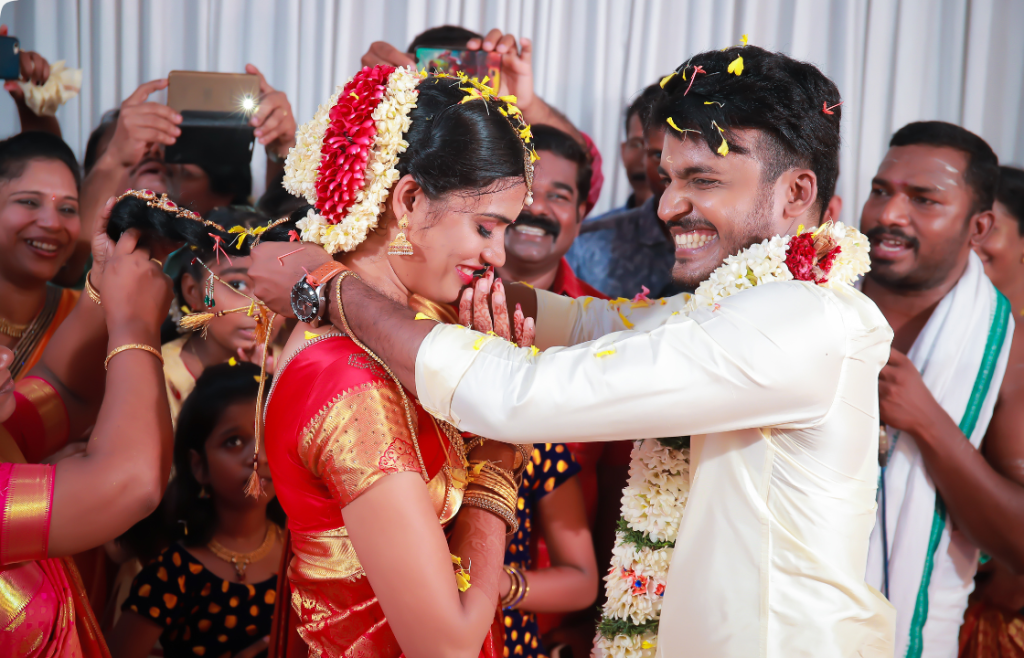
Women’s Attire
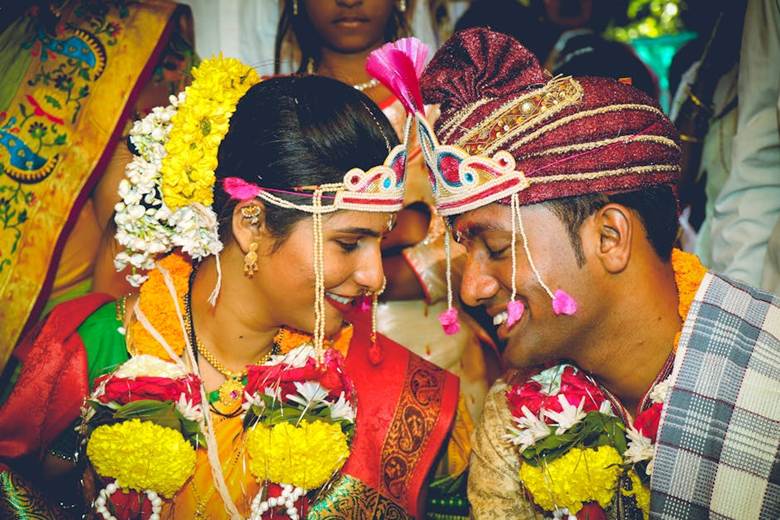
The quintessential choice for a woman attending a South Indian wedding is the saree. Kanjeevaram silk sarees, with their rich colours and intricate gold or silver threadwork (zari), are particularly prized and considered the epitome of bridal and formal wear. Other beautiful options include Mysore silk or Banarasi sarees.
- Colours: Opt for bright, festive colours like royal blue, deep red, emerald green, magenta, or vibrant orange. It is generally advisable to avoid black (often considered inauspicious for celebrations) and white (associated with mourning in some traditions, though this is changing).
- Alternatives: If you are not comfortable wearing a saree, a salwar kameez (a tunic and trouser set) or an Anarkali suit (a long, flowing tunic) are excellent and equally appropriate alternatives. A lehenga (a long skirt paired with a blouse) is also a popular choice, especially for receptions.
- Jewellery: Accessorising is key. Don’t be afraid to wear statement jewellery. Gold is paramount in South Indian culture, so gold necklaces, earrings (jhumkas), and bangles are perfect complements to your outfit.
Men’s Attire
For men, traditional attire is both stylish and comfortable.
- Traditional Wear: The most traditional outfit is a veshti or dhoti (a length of unstitched cloth wrapped around the waist) paired with an angavastram (a matching shoulder cloth) and a silk kurta (shirt).
- Formal Alternatives: A kurta-pajama set is a very common and smart choice. For a more formal look, especially for a reception, a sherwani (a long, coat-like jacket) is an excellent option.
- Western Wear: A well-tailored formal suit or a blazer with smart trousers is also perfectly acceptable, particularly for the reception. If you opt for a suit, choose classic colours like navy or grey.
Plan your outfit ahead of time, keeping in mind the length of the ceremonies and the weather, to ensure you are both comfortable and appropriately dressed for the occasion.
Navigating the Wedding Ceremony
The main wedding ceremony, or Muhurtham, is the heart of the celebration. It is a series of deeply symbolic rituals, conducted by a priest and centred around a sacred fire (agni), which acts as a divine witness to the union.
Key Wedding Rituals
- Kashi Yatra: A charming ritual where the groom, dressed as an ascetic, pretends to renounce worldly pleasures and sets off on a symbolic pilgrimage to Kashi (Varanasi) to seek spiritual knowledge. The bride’s father then intercepts him, persuading him to return and embrace married life, offering his daughter’s hand.
- Vara Puja: The bride’s family formally welcomes the groom. The bride’s father washes the groom’s feet, a gesture of respect honouring him as a representation of the god Vishnu.
- Kanyadanam: This is one of the most poignant moments of the ceremony. The bride’s father places his daughter’s hand in the groom’s, formally giving her away. It symbolises the transfer of responsibility for her well-being to her new husband.
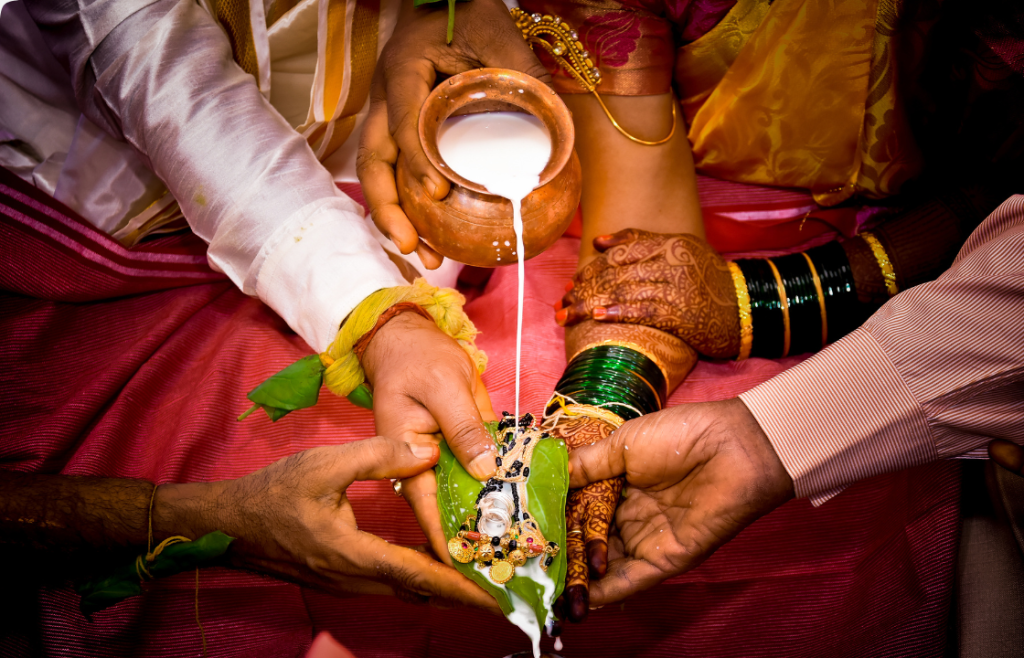
- Mangalya Dharanam: This is the defining moment of the wedding. The groom ties the Mangalsutra (a sacred necklace of gold and black beads) around the bride’s neck with three knots. These knots symbolise the union of their minds, bodies, and souls, and the commitment made to each other and their families.
- Saptapadi: The couple takes seven steps together around the sacred fire, reciting seven vows with each step. These vows cover promises of nourishment, strength, prosperity, love, family, health, and lifelong friendship. This ritual legally and spiritually seals the marriage.
- Talambralu: A joyful ritual where the bride and groom shower each other with a mixture of rice, turmeric, and saffron. It begins solemnly but often evolves into a playful competition, symbolising blessings, prosperity, and happiness.
As a guest, your role is to be a respectful observer. Find a seat where you can see the proceedings without being intrusive. It is a sacred time, so maintain a quiet and reverent demeanour. Witness the rituals with respect and try to understand their deeper meaning.

Understanding Wedding Etiquette
Observing proper etiquette is a sign of respect for your hosts and their culture. South Indian hospitality is incredibly warm and generous, and following a few simple guidelines will ensure you are a gracious guest.
- Punctuality: While Indian events can sometimes run on “Indian Standard Time,” it is polite to arrive on time for the main ceremony, especially for the Muhurtham.
- Gift Giving: It is customary to give a gift. Cash is a very common and appreciated gift, often placed in a decorative envelope. Consider giving amounts ending in ‘1’ (e.g., £51, £101), as this is considered auspicious. Present your gift with both hands or your right hand, never just the left.
- Interacting with Elders: Elders are deeply respected. When introduced, greet them with a “Namaste” (placing your palms together at your chest and bowing slightly). Some may appreciate the traditional gesture of touching their feet as a sign of deep respect, but a polite Namaste is always appropriate.
- Photography: Feel free to take photos, but be discreet. Avoid using flash photography during the main ceremony as it can be distracting. Stay out of the way of the official photographers and videographers.
- Footwear: You will likely be required to remove your shoes before entering the wedding hall (mandapam) or any sacred space. Look for where others have left their footwear and follow suit.
Be mindful of your actions and show respect for the cultural traditions being celebrated. Your thoughtful behaviour will be deeply appreciated by the families.
Indulging in South Indian Wedding Cuisine
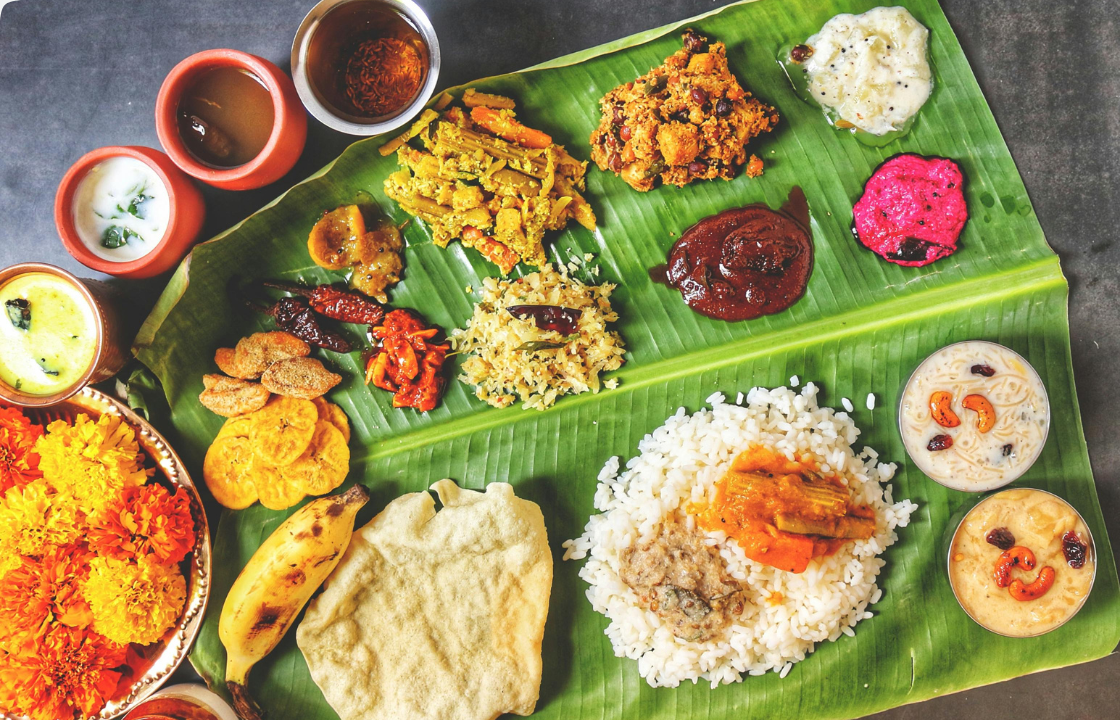
The wedding feast, or Sadhya, is a culinary highlight not to be missed. It is an elaborate and delicious spread that showcases the best of the region’s cuisine. Traditionally, the meal is entirely vegetarian and served on a fresh banana leaf, which acts as a disposable plate.
The Banana Leaf Feast
Eating from a banana leaf is a unique experience. A specific order is followed when serving the multitude of dishes. You will typically find a line-up of pickles, chutneys, fried vegetables (poriyal), vegetable stews (kootu), and crispy papadams along the top edge of the leaf. Rice is served in the centre, onto which you pour flavourful lentil stews like Sambar and tangy tamarind soups like Rasam.
Dishes to look out for include:
- Avial: A thick stew of mixed vegetables cooked in a coconut and yoghurt gravy.
- Payasam: A sweet, pudding-like dessert made with milk, rice or vermicelli, and sweetened with jaggery or sugar.
- Filter Coffee: Strong, aromatic coffee that is a staple in South India.
The meal is typically eaten with your right hand. If you are not comfortable with this, you can politely ask for cutlery. Take the opportunity to sample the diverse and delicious flavours of South Indian cuisine.
Post-Wedding Rituals
The celebrations don’t end with the main ceremony. Several important post-wedding rituals mark the bride’s transition into her new family.
- Grihapravesam: This is the bride’s formal entry into her new home. She is welcomed with a ceremony, often stepping into a tray of vermilion-coloured water and leaving her footprints on the floor, symbolising the arrival of prosperity and good fortune.
- Reception: Often held in the evening, the reception is a more informal party where guests can mingle freely with the newlyweds, enjoy dinner, and celebrate in a more relaxed atmosphere. This is typically where you would wear more contemporary formal wear, like a suit or a lehenga.
These events are about celebrating the new couple and showering them with blessings for their future. Offer your continued support and blessings to the newlyweds as they embark on their journey together.
Conclusion
Attending a South Indian wedding is a privilege and an immersive cultural journey. By understanding the significance of the rituals, dressing with respect, and engaging with warmth and sincerity, you honour your hosts and the sacred traditions they uphold. These weddings are a testament to the enduring power of family, community, and love, woven together with threads of ancient customs and modern celebrations.
Embrace the vibrant colours, the sacred sounds, and the exquisite flavours. Let yourself be swept up in the joy of the occasion. More than just an event, it is an experience that will enrich your understanding of a beautiful culture and leave you with unforgettable memories.
Have you attended a South Indian wedding? Share your experiences in the comments below!